
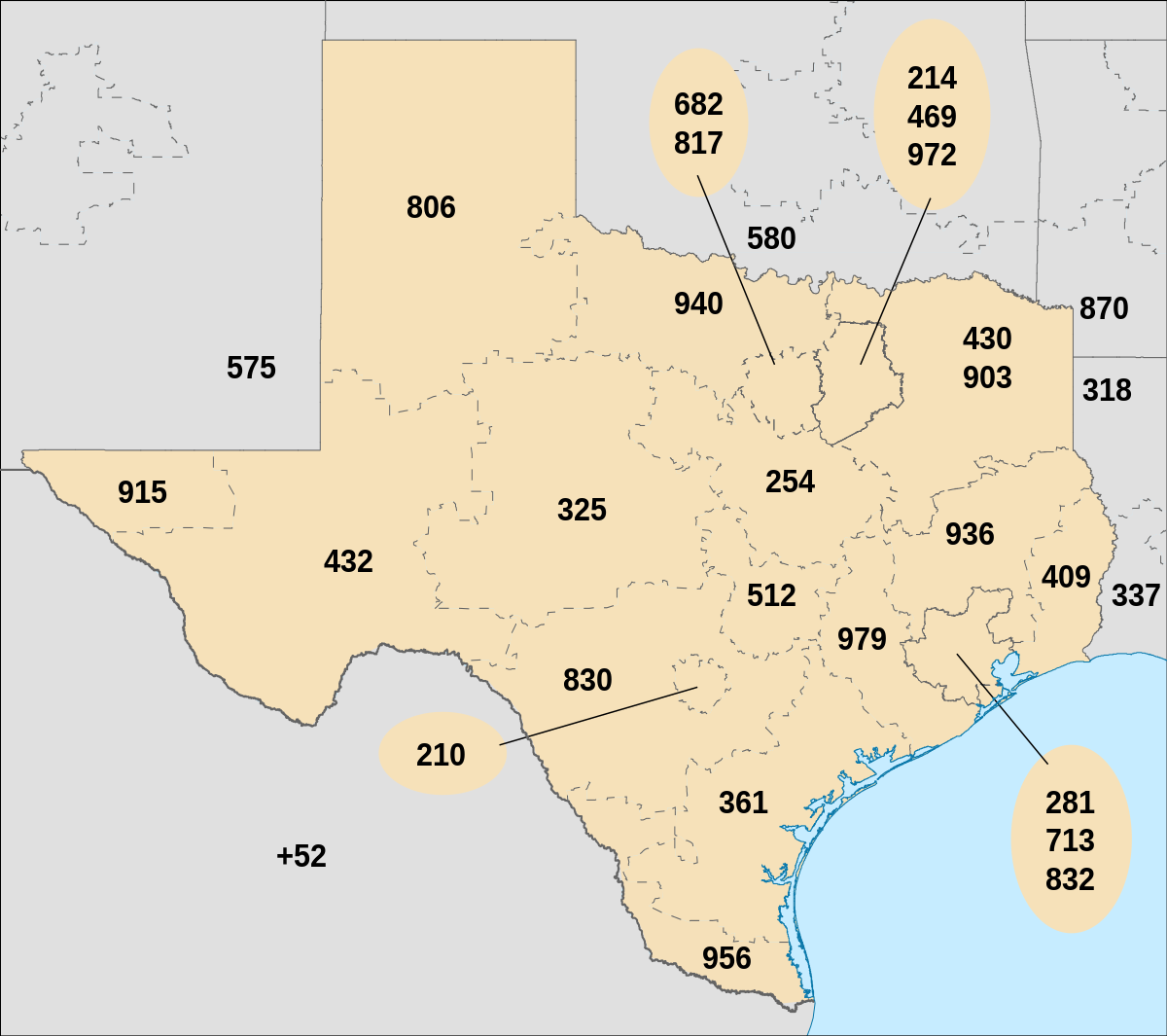
Texas, a state renowned for its sprawling landscapes, rich history, and vibrant culture, is a vast territory with a complex telecommunications infrastructure. Understanding its area codes is not just a matter of dialing a number; it’s a glimpse into the geographic and demographic segmentation of this immense state. Unlike smaller states that might be covered by a handful of area codes, Texas, due to its sheer size and population density in major urban centers, is a tapestry of overlapping and distinct numbering plans. The question “What Area Code Is Texas?” is therefore not a simple one, but rather an invitation to explore the intricate network that connects its millions of residents and countless businesses.
The Evolution of Texas Area Codes
The initial implementation of area codes in the United States, beginning in the late 1940s, aimed to establish a nationwide telephone numbering system. As populations grew and the demand for phone lines surged, this system underwent continuous expansion and reconfiguration. Texas, experiencing significant growth particularly in the latter half of the 20th century and into the 21st, has been a prime example of this evolution. The original area codes, designed to cover large geographic regions, eventually became exhausted, necessitating the introduction of new codes through a process known as “area code splitting” or “overlaying.”
The Initial Allocation and Early Expansion
When the North American Numbering Plan (NANP) first introduced area codes, Texas was divided into relatively few, large geographic regions. For instance, early on, areas like Dallas and Fort Worth might have shared a single code, as would Houston and its surrounding environs. This reflected the communication needs of the time, where inter-city calls were less frequent and the population density was concentrated in fewer major hubs. However, the rapid industrialization and population boom, particularly in cities like Houston, Dallas, and San Antonio, quickly strained these original allocations. The advent of cellular phones and the proliferation of businesses further accelerated the demand for unique phone numbers.
The Era of Splits and Overlays
As the exhaustion of existing Texas area codes became imminent, the NANP implemented a two-pronged strategy: area code splitting and overlaying. Splitting involves dividing an existing area code’s geographic territory, assigning a new area code to a portion of it. This was a common approach to ensure that each geographic area had a distinct, unassigned block of numbers. Overlaying, on the other hand, assigns a new area code to the same geographic region as an existing one. This allows for continued growth without forcing existing residents or businesses to change their numbers. Texas has seen numerous instances of both these methods implemented over the decades, leading to the complex system of overlapping codes we see today. This has sometimes caused confusion for residents and businesses alike, as a single city or even a neighborhood might have multiple area codes serving it.
Decoding the Texas Area Code Landscape
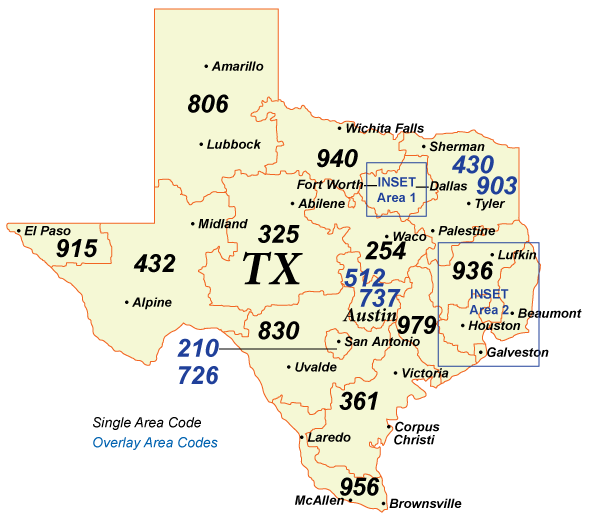
Navigating the area codes of Texas reveals a fascinating pattern that largely mirrors its major metropolitan areas and geographical divisions. While some codes cover vast rural stretches, the majority are concentrated around the state’s most populous urban centers, reflecting the significant demand for telecommunications services in these hubs. The sheer number of area codes underscores the state’s economic vitality and demographic expansion.
The Dominant Metropolitan Codes
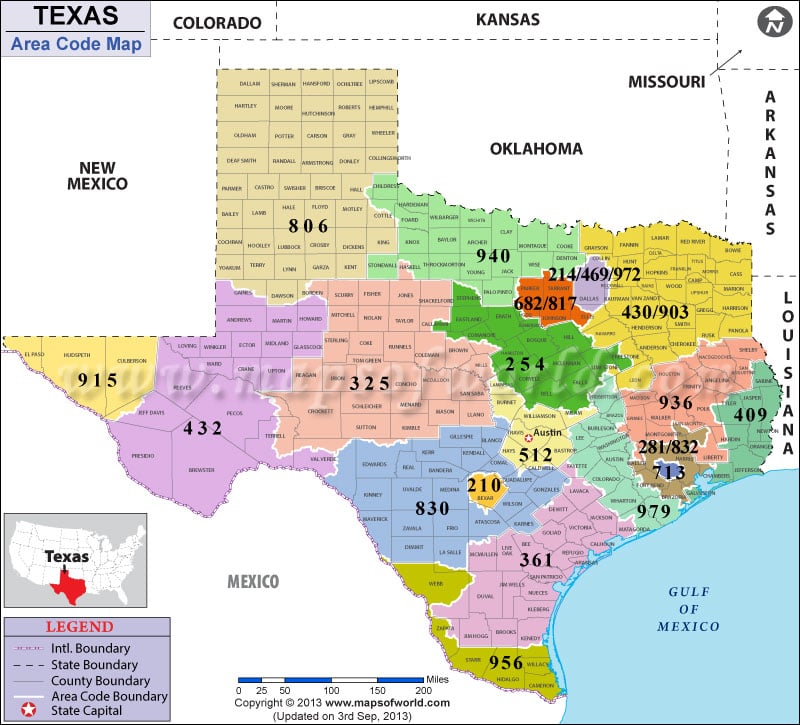
The major metropolitan areas of Texas are served by a dense network of area codes. The largest cities, such as Houston, have seen multiple area codes introduced over time to accommodate their immense population and economic activity. For example, the original 713 area code, which once covered the entire Houston metropolitan area, has since been joined by 281, 346, and 713 itself has been split, creating new overlays. Similarly, the Dallas-Fort Worth metroplex is covered by a complex array of codes, including 214, 469, 682, and 972. San Antonio is primarily served by 210 and its overlay, 726. The city of Austin, known for its tech industry and burgeoning population, is covered by 512 and its overlays, 737.
Rural and Less Populated Regions
While urban areas are dense with area codes, the vast rural expanses of Texas are also served, though often by fewer codes that might cover very large geographic areas. For instance, much of West Texas might fall under a single area code, serving numerous small towns and ranches. Similarly, the Panhandle region or the East Texas piney woods will have their designated numbering plans. These codes are essential for connecting communities, agricultural businesses, and the resource extraction industries that are vital to the state’s economy. The choice of area codes for these regions often reflects historical boundaries or geographic landmarks, rather than the rapid population shifts seen in the metropolitan zones. Understanding these distinctions is key to appreciating the diverse fabric of Texas.
Navigating Texas with Its Area Codes
For anyone planning to visit, relocate, or do business in Texas, understanding its area code system can be surprisingly useful. It provides a geographical framework and can sometimes offer insights into the economic and cultural characteristics of different regions within the state. While not a definitive guide, the distribution and evolution of area codes tell a story of Texas’s growth and development.
The Practical Implications for Travelers and New Residents
For travelers, recognizing an area code can offer a subtle clue about the destination. For example, dialing into a major city like Dallas might reveal a familiar code, while venturing into more rural areas might expose a new one. For new residents, understanding which area code corresponds to their chosen locale is a fundamental step in establishing a presence. It affects everything from obtaining local phone service to registering a business. Moreover, businesses looking to establish a local presence will need to consider the area code associated with their target market. The proliferation of mobile phones has somewhat blurred these lines, as individuals can obtain numbers from various area codes regardless of their physical location, but for landlines and business numbers, the geographic correlation remains significant.
Area Codes as a Reflection of Texas’s Identity
Beyond their purely functional purpose, Texas area codes can be seen as a reflection of the state’s dynamic identity. The introduction of new codes in booming metropolitan areas speaks to innovation and growth, while the persistence of older codes in rural regions highlights the enduring traditions and vastness of the Texan landscape. The complexity itself is a testament to the state’s size and the diverse needs of its population. From the oil fields of West Texas to the bustling tech corridors of Austin and the cultural hubs of San Antonio, each area code contributes to the intricate telecommunications map of this iconic American state.
LifeOutOfTheBox is a participant in the Amazon Services LLC Associates Program, an affiliate advertising program designed to provide a means for sites to earn advertising fees by advertising and linking to Amazon.com. Amazon, the Amazon logo, AmazonSupply, and the AmazonSupply logo are trademarks of Amazon.com, Inc. or its affiliates. As an Amazon Associate we earn affiliate commissions from qualifying purchases.