
For anyone planning a grand adventure through the vast landscapes of Texas, embarking on a long-term stay, or even considering a relocation, understanding local regulations is paramount. While the Lone Star State is celebrated for its sprawling ranches, vibrant cities, and diverse attractions, it also has specific requirements designed to protect its natural beauty and air quality. Among these, vehicle emissions testing stands out as a crucial detail for both residents and visitors. This guide delves into which counties in Texas mandate emissions inspections, how these regulations impact your travel and lifestyle choices, and what you need to know to ensure a smooth journey.
Understanding Texas Vehicle Inspections: Beyond the Basics
Before we pinpoint the specific counties, it’s essential to grasp the broader context of vehicle inspections in Texas. Unlike some states, Texas employs a two-pronged approach to vehicle inspections: a safety inspection and, in certain areas, an emissions inspection. Both are designed to ensure vehicles operating on public roads are safe and environmentally compliant.
The Two-Step Inspection Process: Safety and Emissions
Every registered vehicle in Texas must pass an annual safety inspection. This fundamental check covers critical components such as brakes, lights, tires, steering, horn, mirrors, and windshield wipers. It’s a standard measure to enhance road safety for everyone, from families on a Texas road trip to daily commuters.
The second part, the emissions inspection, is where the county-specific requirements come into play. This test measures the pollutants emitted by your vehicle’s exhaust system. Its primary goal is to identify cars that are emitting excessive levels of harmful gases, contributing to cleaner air quality, particularly in densely populated metropolitan areas. For travelers exploring the vibrant cities or seeking luxury accommodations in Texas, understanding this distinction is crucial, especially if you plan to bring your own vehicle or lease one for an extended period.
Who Needs an Emissions Test in Texas?
Generally, gasoline-powered vehicles from two to 24 years old, registered in an emissions-testing county, are subject to this requirement. Diesel-powered vehicles and motorcycles are typically exempt, regardless of their registration county. This means that if you’re driving a newer model sedan or an older family SUV within the designated zones, you’ll likely need to ensure your vehicle is compliant. For those exploring Texas with a rented RV or a specialized vehicle, it’s always wise to check with the rental agency or local Department of Motor Vehicles for specific guidance. This foresight ensures your focus remains on enjoying the Texas landmarks and unique experiences, rather than administrative hurdles.
The Core Counties: Where Emissions Testing is Mandatory
The decision to implement emissions testing in specific counties is primarily driven by federal and state mandates related to air quality. These are typically the most populous and industrialized areas where vehicle exhaust significantly contributes to smog and ground-level ozone. For anyone planning a visit to major Texas destinations, understanding these zones is critical for seamless travel and compliance.
Major Metropolitan Areas and Their Surrounding Counties
The bulk of emissions testing requirements fall within and around the major urban centers of Texas. These are the economic and cultural hubs that attract millions of tourists and new residents annually, necessitating stricter environmental controls.
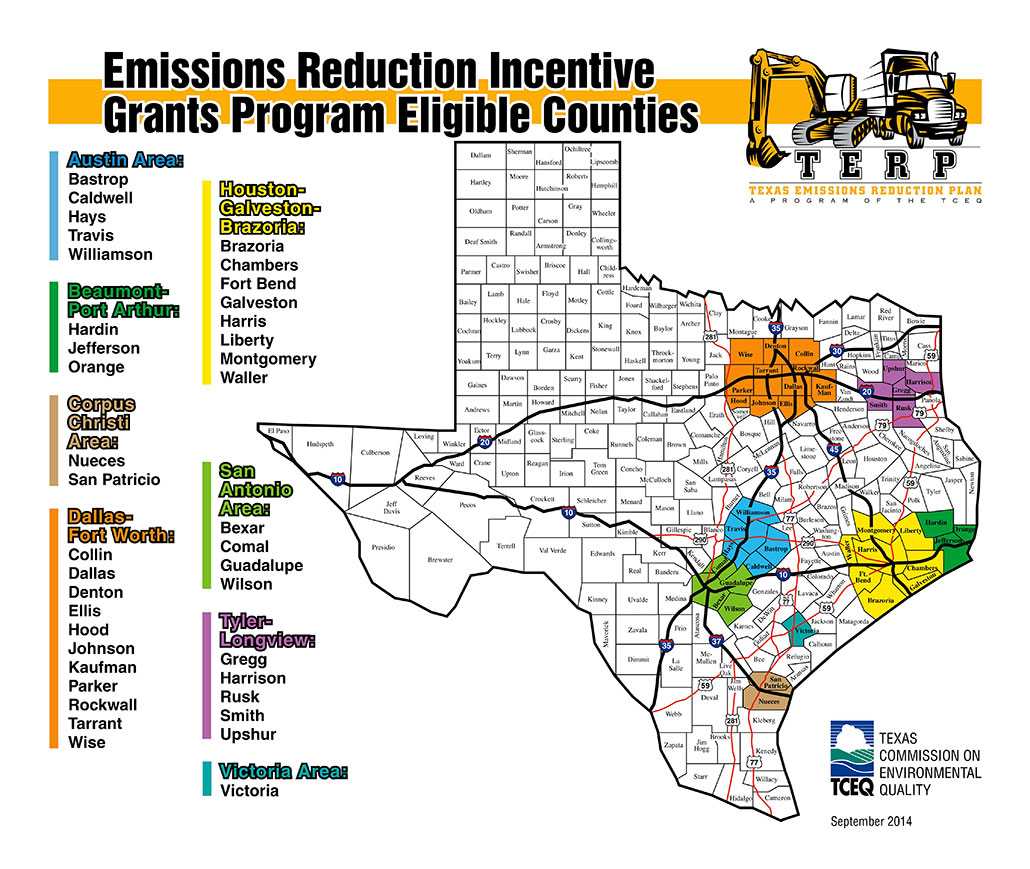
1. The Dallas-Fort Worth Metroplex (DFW): This sprawling metropolitan area is one of the fastest-growing regions in the United States. To manage air quality amidst its rapid development and heavy traffic, a significant number of counties within and surrounding DFW require emissions testing. These include:
- Collin County
- Dallas County
- Denton County
- Ellis County
- Johnson County
- Kaufman County
- Parker County
- Rockwall County
- Tarrant County
- Wise County
If you’re planning a trip to Dallas for its vibrant arts scene, luxury shopping, or to explore Fort Worth’s historic stockyards, and you’re bringing a vehicle registered in one of these areas, remember to account for the emissions test. Many hotels and resorts in these areas offer convenient parking, but local vehicle compliance remains the owner’s responsibility.
2. The Houston Metro Area: As the largest city in Texas and a major global hub for energy, healthcare, and aerospace, Houston and its surrounding counties face considerable air quality challenges. The emissions testing program here is crucial for mitigating pollution. The counties under this mandate are:
- Brazoria County
- Fort Bend County
- Galveston County (a popular coastal tourism destination)
- Harris County (home to Houston itself)
- Montgomery County
- Waller County
Whether you’re visiting Houston for its world-class museums, culinary scene, or proximity to the Johnson Space Center, or perhaps enjoying a coastal getaway in Galveston, these regulations apply. Those considering a long-term accommodation in an apartment or villa in these counties should factor in the annual vehicle inspection requirement.
3. The Austin Metro Area: Known for its vibrant live music scene, technological innovation, and “Keep Austin Weird” culture, Austin is another rapidly expanding Texas gem. To maintain its renowned quality of life and beautiful natural surroundings, emissions testing is enforced in:
- Travis County (where Austin is located)
- Williamson County
Exploring the Texas State Capitol, enjoying Lady Bird Lake, or attending a festival in Austin means navigating through these areas. For lifestyle travelers who prefer to drive their own vehicles to immerse themselves in the local culture, ensuring vehicle compliance is part of responsible travel.
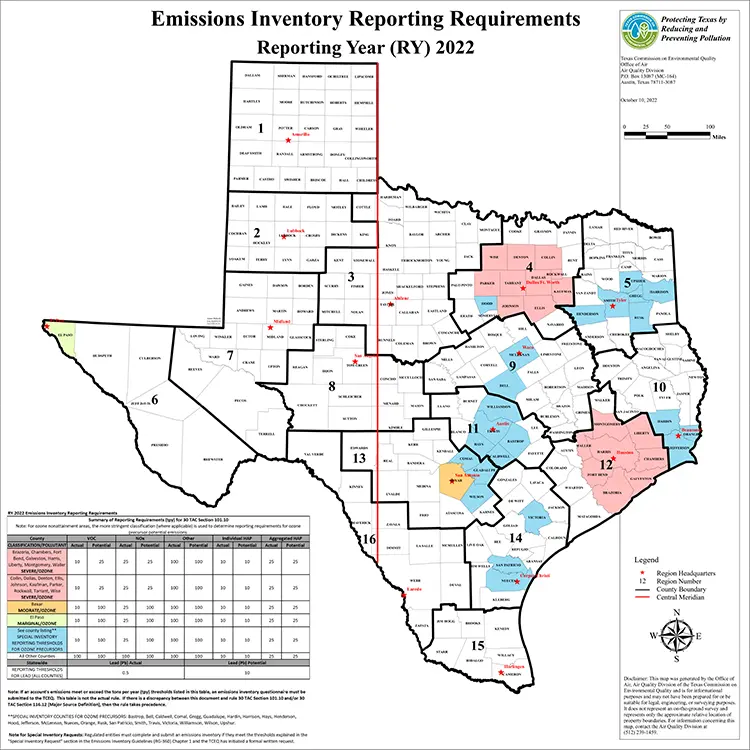
4. El Paso County: Situated at the western tip of Texas, bordering Mexico and New Mexico, El Paso has its own unique environmental considerations. Due to its geography and proximity to international borders, El Paso County also falls under the emissions testing mandate.
If your travel plans include exploring the Franklin Mountains State Park, experiencing the rich El Paso history, or passing through on a cross-country journey, be aware of these local regulations.
5. Bexar County: Home to the historic city of San Antonio, Bexar County is another key area with emissions testing requirements. San Antonio is a top Texas tourist destination, famous for the Alamo, the River Walk, and its vibrant Hispanic heritage. Maintaining air quality is vital for preserving the beauty and health of this historic city.
Tourists flocking to San Antonio to explore its missions or enjoy a stay at its charming boutique hotels should note that vehicles registered within Bexar County are subject to these annual tests.
Navigating Emissions Regulations for Texas Road Trips
For many, the quintessential Texas experience involves a road trip, traversing vast distances to explore everything from coastal beaches to desert landscapes. If your journey involves purchasing or registering a vehicle within one of these counties, or if you are a long-term visitor, these rules will apply. For short-term renters or visitors from other states, the regulations typically apply to vehicles registered in Texas emissions counties. Always verify vehicle compliance with your rental company if you are planning an extended stay or lease in one of these areas. This ensures your focus remains on capturing incredible experiences and uncovering hidden gems across the state.
Emissions Testing and Your Texas Travel Lifestyle
Understanding emissions testing requirements extends beyond mere compliance; it’s about integrating into the local ethos and appreciating the efforts to preserve Texas’ natural and urban environments. For the discerning traveler or the individual seeking a new lifestyle in the state, these regulations have practical implications and reflect a commitment to sustainable living.
Planning Your Journey: Rentals, Relocations, and Rideshares
Rental Cars: If you’re flying into a major Texas airport like Dallas/Fort Worth International or Houston Hobby and renting a car, you generally don’t need to worry directly about emissions testing. Rental agencies are responsible for ensuring their fleet is compliant with local regulations. However, for those on extended stays considering a long-term rental or lease, it’s wise to confirm the vehicle’s inspection status. This might be particularly relevant for business travelers or families on extended vacations staying in serviced apartments or resorts who need reliable, compliant transportation.
Relocating to Texas: For individuals or families moving to one of the emissions-testing counties, registering your vehicle in Texas will necessitate an emissions inspection as part of the registration process. This is a critical step for anyone envisioning a new life in Texas, whether it’s for career opportunities in Houston’s energy sector or Austin’s tech scene. Being prepared means a smoother transition and less hassle when settling into your new accommodation.
Rideshares and Taxis: Similarly, vehicles operating in rideshare services or as taxis within these counties are also subject to these regulations. This indirectly benefits consumers by ensuring that the local transportation infrastructure contributes to cleaner air. For tourists relying on these services to explore San Antonio’s missions or Dallas’ arts districts, it adds another layer of environmental assurance.
The Environmental Impact: Cleaner Air for Iconic Destinations
The emissions testing program isn’t just a bureaucratic hurdle; it’s a vital component of Texas’ environmental stewardship. By reducing vehicle emissions, these counties aim to:
- Improve Air Quality: Cleaner air directly benefits public health and enhances the enjoyment of outdoor activities, whether you’re hiking in a state park, enjoying a festival in Austin, or dining al fresco along the San Antonio River Walk.
- Preserve Natural Beauty: Cleaner air means better visibility and healthier ecosystems, which are crucial for the appeal of natural landmarks and attractions across Texas, from the Gulf Coast to the Big Bend region.
- Support Sustainable Tourism: As travelers increasingly seek eco-conscious options, destinations demonstrating a commitment to environmental protection gain appeal. Texas’ efforts in managing vehicle emissions align with global trends in sustainable tourism, offering a healthier environment for visitors and residents alike.
Choosing accommodations or planning experiences in these areas means supporting a broader lifestyle of environmental responsibility.
Practicalities and Exemptions: What Travelers and Residents Need to Know
Even with a clear understanding of which counties require emissions testing, there are always practical considerations and specific exemptions that can affect your vehicle. Knowing these details can save time, money, and stress, allowing you to fully immerse yourself in the rich culture, delicious food, and exciting activities Texas has to offer.
Fees, Failures, and Fixes
Inspection Fees: The cost of an inspection in Texas is set by the state, but individual stations may charge a small convenience fee. The combined safety and emissions inspection typically costs around $25. This small fee is a minor part of overall vehicle maintenance but essential for staying compliant.
What Happens if Your Vehicle Fails?: If your vehicle fails the emissions test, you’ll be issued a rejection sticker, allowing a short grace period (usually 15 days) to have necessary repairs made. During this time, you cannot register your vehicle. After repairs, you can get a retest, often at a reduced or no cost from the original inspection station. For travelers on a tight schedule or residents living in high-end suites or villas in urban centers, understanding this process can mitigate disruption to your plans. It’s always best to ensure your vehicle is in good working order before your annual inspection.
Waivers: In some cases, if you spend a certain amount on emissions-related repairs and your vehicle still fails the test, you may be eligible for a waiver. This is granted on a case-by-case basis and usually requires documentation of all repairs and expenses. This is a niche scenario but useful for long-term residents facing persistent issues.

Vehicles Exempt from Emissions Requirements
While many vehicles are subject to emissions testing, several categories are exempt:
- New Vehicles: Vehicles less than two years old (based on model year) are exempt from emissions testing, though they still require a safety inspection. This is a welcome detail for those purchasing new cars in Texas or utilizing brand-new rentals.
- Older Vehicles: Vehicles 25 years old or older (based on model year) are typically exempt from emissions testing. These classic cars are often cherished for their historical value and are less frequently driven, thus having a lesser impact on overall air quality. For car enthusiasts exploring vintage car shows or driving classic vehicles, this is an important distinction.
- Diesel Vehicles: Diesel-powered vehicles are generally exempt from emissions testing in Texas, regardless of age.
- Motorcycles: Motorcycles are also exempt from emissions testing, though they still need to pass a safety inspection.
- Electric Vehicles: As zero-emission vehicles, electric cars are naturally exempt from emissions testing, making them an increasingly popular and environmentally friendly choice for both travel and daily lifestyle in Texas.
For international travelers or those visiting from other states, it is crucial to remember that these regulations primarily apply to vehicles registered in Texas within the specified counties. If you’re planning an extended stay or considering purchasing a vehicle, these details become highly relevant.
In conclusion, navigating the emissions testing landscape in Texas is a straightforward process once you understand the specific counties involved and the general requirements. By being informed, you ensure that your vehicle is compliant, contributing to cleaner air in Texas’ vibrant cities and picturesque destinations. Whether you’re planning a thrilling Texas road trip, settling into a new home, or simply enjoying the local culture, this knowledge will pave the way for a smooth and enjoyable experience, allowing you to focus on the unforgettable Texas memories you’re bound to create.
LifeOutOfTheBox is a participant in the Amazon Services LLC Associates Program, an affiliate advertising program designed to provide a means for sites to earn advertising fees by advertising and linking to Amazon.com. Amazon, the Amazon logo, AmazonSupply, and the AmazonSupply logo are trademarks of Amazon.com, Inc. or its affiliates. As an Amazon Associate we earn affiliate commissions from qualifying purchases.