
Galveston, Texas, a captivating coastal city renowned for its rich history, vibrant culture, and stunning Gulf Coast beaches, resides firmly within Galveston County. This barrier island city serves as the county seat, holding a unique position geographically and historically within the Lone Star State. Its location in Galveston County is not merely a matter of administrative boundaries; it defines much of its character, from its distinctive island charm to its crucial role as a port city and a beloved tourist destination. Understanding its county affiliation is the first step in uncovering the layers of experiences that Galveston offers to travelers from around the globe.

Situated just an hour’s drive southeast of Houston, Galveston combines metropolitan accessibility with the tranquil allure of island life. Its prominence stems from a storied past, marked by both prosperity and resilience, all intertwined with its geographical position in Galveston County on the shores of the Gulf of Mexico. This article will delve deeper into what makes Galveston such a unique destination, exploring its historical significance, unparalleled attractions, diverse accommodation options, and the lifestyle it offers, all rooted in its identity as a jewel of Galveston County, Texas.
Unveiling Galveston County: A Texas Gem
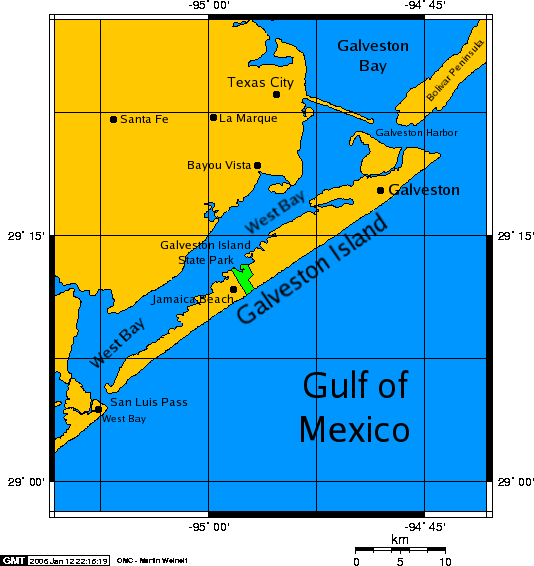
Galveston County encompasses a fascinating blend of coastal ecosystems, historical settlements, and burgeoning communities. At its heart lies Galveston Island itself, a dynamic barrier island that protects the mainland from the direct impact of the Gulf of Mexico while simultaneously offering miles of pristine beaches and a unique subtropical climate. The county stretches across various islands and parts of the mainland, including cities like Texas City, League City, and Dickinson, but it is undeniably Galveston that draws the most international attention. The county’s administrative functions, judicial systems, and many cultural institutions are centered in Galveston, solidifying its role as a pivotal hub for the entire region.
Geographical Significance and Historical Roots
The geographical layout of Galveston County is intrinsically linked to its historical development. As a barrier island, Galveston’s natural harbor made it an ideal location for a major port in the 19th century. By the late 1800s, Galveston was the largest city in Texas and one of the nation’s busiest ports, serving as a vital gateway for immigrants entering the United States and for the export of cotton and other goods. Its grand architecture, sophisticated culture, and economic prowess earned it the nickname “Queen City of the Gulf.” This golden era, however, was tragically interrupted by the devastating 1900 hurricane, one of the deadliest natural disasters in U.S. history. The storm caused immense destruction and loss of life, forever altering the island’s trajectory.
In a remarkable feat of engineering and community spirit, the residents of Galveston undertook an ambitious project to raise the entire city by up to 17 feet and construct the monumental Galveston Seawall. This act of defiance against nature solidified the island’s resilience and paved the way for its eventual rebirth, not just as a port but as a burgeoning tourist destination. The Seawall itself stands as a testament to this period, now stretching over 10 miles and forming the backbone of the city’s beachfront attractions and protective measures. This blend of natural vulnerability and human ingenuity defines Galveston’s unique place in Texas history, anchored within Galveston County.
Economic and Cultural Importance
Today, Galveston County thrives as a key economic contributor to the Houston-Galveston metropolitan area. While shipping and petrochemical industries remain significant on the mainland, Galveston Island itself is predominantly driven by tourism and healthcare. The Port of Galveston is a major cruise homeport, attracting millions of visitors annually who embark on Caribbean voyages. This robust tourism sector supports countless businesses, from hotels and restaurants to shops and tour operators, contributing substantially to the local economy.
Culturally, Galveston boasts a distinct identity characterized by its blend of Victorian elegance, maritime heritage, and relaxed island vibe. The city’s rich history is palpable in its preserved architecture, numerous museums, and vibrant arts scene. Events like Mardi Gras! Galveston and Dickens on The Strand draw massive crowds, celebrating its unique traditions and community spirit. The local cuisine, heavily influenced by its coastal location, features an abundance of fresh seafood, adding another layer to its cultural appeal. Within Galveston County, Galveston stands out as a cultural beacon, offering experiences that are distinctively Texan yet universally appealing.
Iconic Attractions and Must-See Landmarks
Galveston, within Galveston County, is a treasure trove of attractions, offering something for every type of traveler. From adrenaline-pumping rides to tranquil natural preserves and meticulously preserved historical sites, the island promises an unforgettable getaway. The city’s dedication to preserving its past while embracing modern entertainment ensures a diverse range of activities that cater to families, couples, and solo adventurers alike.
Thrills and Family Fun
For those seeking excitement and family-friendly adventures, Galveston delivers in spades. The Galveston Island Historic Pleasure Pier is undoubtedly one of the city’s most iconic attractions. Jutting out over the Gulf of Mexico, this entertainment hub features thrilling rides, carnival games, and classic boardwalk food, all against the backdrop of stunning ocean views. It’s a perfect spot for an afternoon of exhilarating fun or a romantic evening stroll under the lights.
Another cornerstone of family entertainment is Moody Gardens. This sprawling educational and leisure complex boasts three pyramids: the Aquarium Pyramid, home to diverse marine life from around the world; the Rainforest Pyramid, a lush habitat for exotic plants, birds, and animals; and the Discovery Pyramid, featuring rotating exhibits that blend science and education with interactive displays. Moody Gardens also offers an on-site hotel, a golf course, a 3D theater, and a seasonal water park and beach, making it an all-encompassing destination for learning and recreation. For water park enthusiasts, Schlitterbahn Galveston Island Waterpark provides endless splashes and slides, with both indoor and outdoor sections ensuring fun no matter the weather.
Historical Charms and Architectural Wonders
Beyond the thrill rides, Galveston’s profound history is beautifully preserved in its architecture and historic districts. The Strand Historic District, a National Historic Landmark, is the heart of downtown Galveston. Lined with Victorian-era buildings, it offers a charming backdrop for boutique shopping, fine dining, art galleries, and lively entertainment. Visitors can explore its unique shops, sample local delicacies, or simply soak in the atmosphere of a bygone era. The district is also home to the Grand 1894 Opera House, a beautifully restored cultural gem that hosts a variety of performances throughout the year.
The island is also famous for its magnificent historic homes. Bishop’s Palace, also known as Gresham’s Castle, is a stunning example of Victorian architecture, recognized as one of America’s 100 most important buildings. Its intricate details, opulent interiors, and fascinating history make it a must-visit. Similarly, Moody Mansion offers a glimpse into the lives of one of Texas’s most influential families, featuring original furnishings and extensive historical exhibits. A leisurely drive or walk along Seawall Boulevard also reveals numerous historic markers, public art installations, and breathtaking views of the Gulf of Mexico, embodying the city’s enduring spirit.
Maritime History and Natural Beauty

Given its identity as a port city, Galveston’s maritime history is a vital part of its charm. The Texas Seaport Museum, located at Pier 21, tells the story of the thousands of immigrants who passed through the Port of Galveston and features the magnificent tall ship Elissa. This fully functional sailing vessel offers a tangible link to the age of sail. Nearby, the Ocean Star Offshore Drilling Rig & Museum provides a fascinating insight into the offshore oil and gas industry, allowing visitors to explore an actual retired drilling rig.
For nature lovers, Galveston offers abundant opportunities to enjoy its coastal environment. Miles of sandy beaches, including popular spots like East Beach and Stewart Beach, are perfect for sunbathing, swimming, and shell collecting. Galveston Island State Park, located on the west end of the island, provides a serene escape with hiking trails, birdwatching opportunities, kayaking, and camping. It’s a pristine example of the coastal ecosystems that thrive within Galveston County, offering a tranquil contrast to the bustling downtown area.
Accommodation and Culinary Delights
A memorable trip to Galveston is incomplete without considering where to stay and what to eat. The island caters to a wide spectrum of preferences, from historic luxury hotels to cozy vacation rentals, and offers a culinary scene that perfectly complements its coastal charm.
Diverse Stays for Every Traveler
Galveston’s accommodation options are as varied as its attractions. For those seeking historic grandeur and beachfront elegance, the iconic Hotel Galvez & Spa stands as a beacon of luxury. Opened in 1911, this opulent hotel offers stunning Gulf views, a full-service spa, and a rich history that echoes throughout its meticulously preserved interiors. It’s a prime choice for a sophisticated and relaxing stay.
Another premier option is The San Luis Resort, Spa & Conference Center. This resort provides a luxurious escape with a lavish pool, award-winning restaurants, and elegant rooms, making it ideal for those desiring a high-end experience with all the amenities. For a taste of historic charm combined with boutique luxury, Tremont House in The Strand Historic District offers sophisticated accommodations within a beautifully restored 1879 building, perfect for travelers who appreciate architectural beauty and a vibrant downtown location.
Beyond these grand hotels, Galveston also offers a plethora of vacation rentals, from charming Victorian cottages to modern condos with ocean views. These options are particularly popular for families or groups seeking more space and a home-away-from-home feel. Numerous bed and breakfasts provide intimate and personalized experiences, often housed in beautifully renovated historic homes. Whether you’re planning a romantic getaway, a family vacation, or a business trip, Galveston County offers an accommodation choice to suit every style and budget.
Savoring the Island’s Flavors
The culinary landscape of Galveston is a feast for the senses, with fresh seafood taking center stage. Given its proximity to the Gulf of Mexico, local restaurants pride themselves on serving incredibly fresh shrimp, oysters, crab, and various fish. From casual seafood shacks on the Seawall to upscale dining establishments in The Strand, there are options to satisfy every palate.
Iconic establishments like Gaido’s Seafood Restaurant have been serving Galveston for generations, offering classic dishes in a refined setting. For a more casual experience, numerous eateries along Seawall Boulevard offer delicious fried seafood, po’boys, and Tex-Mex favorites. The historic downtown area, particularly around Postoffice Street and The Strand, is home to a diverse array of restaurants, including steakhouses, Italian trattorias, and contemporary American bistros. Don’t forget to try some of the local sweet treats and coffee shops that dot the island, perfect for a mid-day break or an evening indulgence. The unique blend of culinary influences, from Southern comfort food to international flavors, reflects Galveston’s history as a melting pot of cultures.
Planning Your Galveston Escape
A well-planned trip ensures a seamless and enjoyable experience. Galveston’s accessibility and variety of transport options make it an easy destination to reach, while understanding the best times to visit can enhance your overall experience.
Getting There and Around
Reaching Galveston is convenient, especially for domestic and international travelers. The closest major airports are William P. Hobby Airport (HOU), located approximately 40 miles north, and George Bush Intercontinental Airport (IAH), about 70 miles north. Both airports offer numerous flights and car rental services, making the drive to Galveston Island straightforward, primarily via Interstate 45 South. Many visitors also drive to Galveston directly, as it is a popular road trip destination for those in Texas and neighboring states.
Once on the island, getting around is relatively easy. While having a car offers the most flexibility, especially for exploring Galveston Island State Park or the far west end of the island, the main tourist areas are quite walkable. The Strand Historic District, Pier 21, and the Seawall area are well-connected. The Galveston Island Trolley provides a charming and convenient way to navigate key attractions along the Seawall and through downtown, although its service can be intermittent. Ride-sharing services, taxis, and bicycle rentals are also readily available, offering various options to explore the island at your own pace.
Best Times to Visit and Travel Tips
Galveston’s subtropical climate means warm weather for much of the year. The spring (March to May) and fall (September to November) are often considered the best times to visit. During these seasons, the weather is pleasantly mild, humidity is lower, and crowds are generally smaller than in the peak summer months. This makes it ideal for exploring outdoor attractions, enjoying the beaches, and participating in festivals like Dickens on The Strand in December.
Summer (June to August) is peak tourist season, drawing families to the beaches and water parks. While hot and humid, the Gulf waters are perfect for swimming, and there’s a bustling energy throughout the island. Travelers visiting in summer should be prepared for high temperatures and potential afternoon thunderstorms. Winter (December to February) brings cooler temperatures, but still mild enough for comfortable sightseeing, and offers festive events like Mardi Gras! Galveston in late winter/early spring.
Regardless of when you visit, packing essentials include light clothing, swimwear, sunscreen, a hat, and comfortable walking shoes. For those interested in nightlife or fine dining, a smart casual outfit might be useful. Keeping an eye on weather forecasts, especially during hurricane season (June to November), is always a good practice when visiting any Gulf Coast destination. Utilizing online booking platforms for accommodations and attractions in advance, especially during peak season or major events, can also save time and ensure availability.
In conclusion, Galveston, Texas, nestled within Galveston County, offers a unique blend of history, recreation, and culture that makes it a standout travel destination. Its rich past, vibrant present, and welcoming atmosphere promise an enriching and memorable experience for every visitor. From thrilling pier rides and educational pyramids to historic mansions and pristine beaches, Galveston truly embodies the spirit of a cherished Texas gem.
LifeOutOfTheBox is a participant in the Amazon Services LLC Associates Program, an affiliate advertising program designed to provide a means for sites to earn advertising fees by advertising and linking to Amazon.com. Amazon, the Amazon logo, AmazonSupply, and the AmazonSupply logo are trademarks of Amazon.com, Inc. or its affiliates. As an Amazon Associate we earn affiliate commissions from qualifying purchases.