
Texas, the sprawling Lone Star State, stands as an iconic destination for travelers seeking diverse experiences, from vibrant city life to tranquil natural escapes. For outdoor enthusiasts and seasoned hunters, however, Texas offers an unparalleled adventure: a rich and varied hunting landscape that attracts visitors from across the globe. Understanding “What hunting season is it in Texas?” is key to unlocking an unforgettable travel experience that blends the thrill of the chase with the state’s unique culture and abundant tourism opportunities.
This comprehensive guide delves into the heart of Texas’s hunting calendar, offering insights into key seasons, game animals, regulations, and how to seamlessly integrate a world-class hunting expedition with the myriad other attractions this vast state has to offer. Whether you’re a first-time visitor curious about the local lifestyle or a seasoned sportsman planning your next big trip, navigating the hunting seasons of Texas is the first step toward a truly memorable journey.

Texas: A Premier Hunting Destination
Texas’s reputation as a hunting mecca is well-earned. Its immense size, diverse ecosystems, and robust wildlife management programs create an environment where numerous game species thrive. From the dense Piney Woods of the east to the arid plains of the west, and from the rolling Hill Country to the expansive South Texas brush country, each region presents distinct challenges and rewards for hunters. This geographical variety not only ensures a wide array of hunting experiences but also positions Texas as a top choice for those looking to combine their passion for the outdoors with exceptional travel and accommodation options.
Diversity of Game
The sheer variety of game available in Texas is astounding, making it a year-round destination for different types of hunts. The most sought-after species include:
- White-tailed Deer: The undisputed king of Texas hunting, found throughout the state.
- Mule Deer: Primarily found in the rugged Trans-Pecos and Panhandle regions.
- Exotic Game: Texas boasts a thriving population of non-native species, often hunted on private ranches, including Axis Deer, Blackbuck Antelope, Sika Deer, and Aoudad. These often have year-round seasons.
- Feral Hogs: An abundant and invasive species that can be hunted year-round without bag limits, offering an exhilarating and challenging experience.
- Waterfowl: Texas is a crucial wintering ground for numerous duck and goose species, especially along the Gulf Coast.
- Upland Birds: Quail, Dove, and Pheasant hunting are popular, particularly in the fall and winter months.
- Turkey: Both Eastern Turkey and Rio Grande Turkey populations offer exciting spring and fall hunting opportunities.
This extensive list ensures that no matter when you decide to embark on your Texas adventure, there’s likely a prime hunting season awaiting.
The Allure of the Lone Star State
Beyond the hunt itself, Texas offers a captivating backdrop for a truly immersive travel experience. The hospitality is legendary, with many ranches and outfitters providing top-tier accommodation that ranges from rustic cabins to luxurious hunting lodges and resorts. After a day in the field, visitors can enjoy hearty Texas barbecue, explore charming small towns, or venture into bustling cities like San Antonio, Austin, Dallas, or Houston for fine dining, entertainment, and cultural landmarks. The blend of rugged outdoor adventure with modern comforts and cultural richness makes Texas an ideal destination for a multi-faceted vacation.
Navigating Texas’s Primary Hunting Seasons
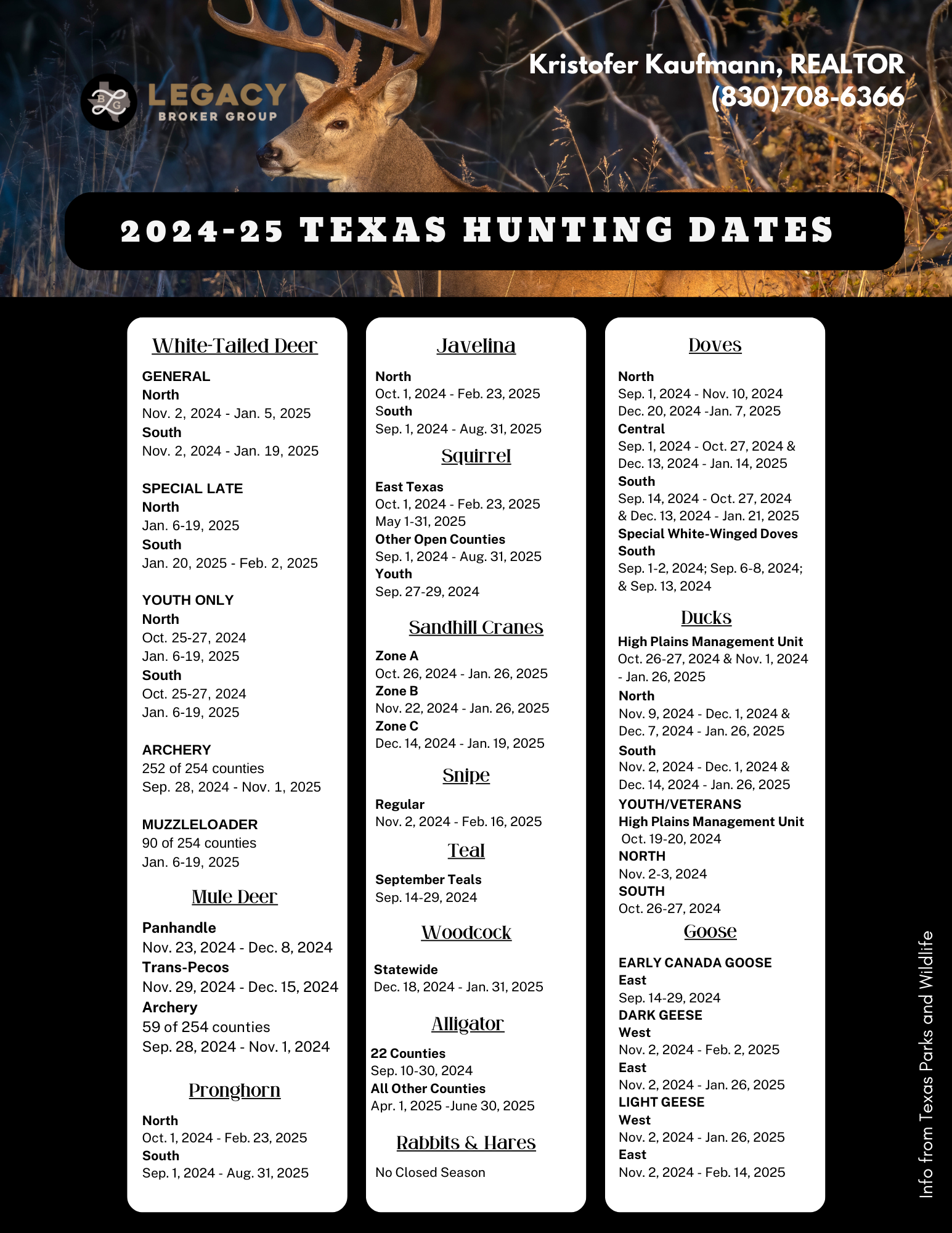
Understanding the specific hunting seasons is paramount for planning your trip. While exact dates can vary slightly year to year based on regulatory decisions by the Texas Parks and Wildlife Department (TPWD), the general patterns remain consistent. It’s always advisable to consult the most current TPWD Outdoor Annual before finalizing plans.
Big Game Seasons
Big game hunting is perhaps what Texas is most famous for, particularly for its deer populations.
- White-tailed Deer: The primary season typically runs from early November through early January in most parts of the state. This is often divided into archery-only seasons (usually October), general seasons (early November to early January), and youth-only seasons. The South Texas Plains are renowned for producing trophy bucks, attracting hunters who book accommodation at specialized hunting ranches months, if not years, in advance.
- Mule Deer: Their season is much shorter, usually confined to a few weeks in November, primarily in the Panhandle and Trans-Pecos regions. Due to the limited tags and specific habitats, securing a hunt often requires booking with a reputable outfitter well in advance.
- Pronghorn: These speedsters of the plains have a very short season, typically a little over a week in late September or early October, almost exclusively in the Panhandle region. Licenses are often drawn through a lottery system, making it a coveted hunt.
- Turkey: Rio Grande Turkey are prevalent across much of Texas, with spring seasons running from late March to mid-May, and a fall season overlapping with deer season. Eastern Turkey are found in the Piney Woods and have a very short spring season in April, often with limited tags.
For those planning to hunt big game, the peak season generally falls between October and January, making these months ideal for a travel itinerary focused on significant trophy opportunities and comfortable weather conditions.
Small Game and Waterfowl Opportunities
Beyond the allure of big game, Texas offers fantastic opportunities for small game and waterfowl hunters, providing diverse experiences and often more flexible schedules.
- Dove: The Dove season is eagerly anticipated, signaling the unofficial start of hunting season in Texas. It typically opens around September 1st in various zones (North, Central, South) and runs in multiple splits through much of the fall. The Central Zone is particularly popular, attracting thousands of hunters to fields of sunflowers and grain. This is a highly social hunt, perfect for group travel and enjoying the warm late-summer and early-fall Texas weather.
- Quail: Bobwhite Quail and Scaled Quail seasons generally run from late October through late February. The Rolling Plains and South Texas are renowned for their quail populations, offering classic bird hunting experiences with dogs. Many ranch accommodations specialize in quail hunts, providing comfortable lodging and guided excursions.
- Waterfowl: Texas is a wintering ground for millions of ducks and geese along the Central Flyway. Seasons vary by zone (High Plains, North Zone, South Zone, Coast Zone) but generally span from late October or early November through late January. The Texas Gulf Coast, particularly around Port O’Connor or Matagorda Bay, is a prime destination for duck and goose hunting, often combined with saltwater fishing trips.
- Squirrel: For a simpler, more relaxed hunt, squirrel season runs from early September through late February in most areas, primarily in the timbered regions of East Texas.
These smaller game seasons offer fantastic opportunities to enjoy the outdoors and supplement a big game trip or serve as a standalone hunting adventure.
Exotic Game and Feral Hog Hunting Year-Round
One of Texas’s most unique offerings is the ability to hunt exotic game and feral hogs throughout the year.
- Exotic Game: Species like Axis Deer, Blackbuck Antelope, Sika Deer, and Aoudad have no closed season or bag limits on private land in Texas. This means you can plan an exotic hunt any time of year, making it incredibly flexible for travelers whose schedules don’t align with traditional hunting seasons. Many ranches in the Hill Country specialize in exotic hunts, often providing luxurious accommodation and a high level of service, blending a hunting trip with a resort-style vacation.
- Feral Hogs: With no closed season or bag limit on private property, feral hog hunting is a constant offering in Texas. These animals are considered a nuisance due to their destructive nature, and hunting them helps with population control. This can range from traditional spot-and-stalk hunts to thrilling nighttime thermal hunts. Many hunting outfitters incorporate hog hunting as an add-on to other trips or as a standalone adventure, perfect for those seeking an active outdoor experience at any time of year.
The year-round availability of exotic game and feral hog hunting significantly broadens the window for a Texas hunting travel experience, offering flexibility and unique challenges.
Planning Your Texas Hunting Adventure
A successful hunting trip to Texas involves more than just knowing the seasons. It requires careful planning, adherence to regulations, and consideration of your accommodation and guiding needs.
Licensing and Regulations
All hunters, regardless of age, must possess a valid Texas hunting license. Non-residents will need a non-resident general hunting license, which typically covers most game species. Specific stamps or endorsements, such as a Migratory Game Bird Stamp or a Federal Duck Stamp, may be required for certain hunts. Licenses can be purchased online through the TPWD website, at many sporting goods stores, or at approved license vendors across the state. It’s crucial to review the TPWD Outdoor Annual for the most up-to-date information on bag limits, legal means and methods, and specific regional regulations. Ignorance of the law is not an excuse, and penalties can be significant, so diligent preparation is essential for a worry-free trip.

Choosing Your Accommodation
Texas offers a spectrum of accommodation options to suit every hunter’s preference and budget:
- Hunting Lodges and Resorts: For those seeking a premium experience, many private ranches offer all-inclusive packages that include lodging, meals, guides, and often amenities like swimming pools, shooting ranges, and game processing facilities. These can range from rustic elegance to five-star luxury, often found in popular hunting regions like the Hill Country or South Texas. Examples might include the Escondido Ranch or Joshua Creek Ranch, known for their excellent services.
- Hotels and Motels: If hunting public land or arranging your own private land access, staying in nearby towns offers a range of traditional hotels, motels, and even boutique hotels. Cities like Kerrville or Uvalde serve as excellent bases for hunting in the Hill Country and South Texas, respectively.
- Vacation Rentals: For groups or extended stays, renting a cabin, apartment, or villa through services like Airbnb or VRBO can provide more space, privacy, and kitchen facilities, ideal for preparing meals and relaxing after a long day.
- Camping: For the more adventurous or budget-conscious, Texas State Parks and wildlife management areas often offer camping facilities, placing you closer to nature and the hunting grounds.
Considering proximity to your hunting location, desired comfort level, and budget will guide your accommodation choice. Many hunting operations also provide guidance on local lodging if they don’t offer it directly.
Engaging a Professional Outfitter
For many non-resident hunters or those unfamiliar with Texas’ hunting landscape, hiring a professional outfitter or guide is highly recommended. Outfitters offer invaluable expertise, access to prime private hunting land, and handle many logistical details. They can provide:
- Guided Hunts: Expert guides who know the terrain and animal behavior.
- Lodging and Meals: Often included in packages, providing a seamless experience.
- Equipment: Some outfitters provide blinds, stands, and even firearms.
- Game Retrieval and Processing: Assistance with field dressing, transport, and initial processing of your harvest.
- Licensing Assistance: Guidance on purchasing the correct licenses and understanding regulations.
Researching reputable Texas hunting outfitters well in advance, reading reviews, and clearly communicating your expectations are crucial steps for a successful and ethical hunt.
Beyond the Hunt: Texas Travel and Tourism
A hunting trip to Texas doesn’t have to be solely about the chase. The state’s vibrant tourism industry and rich cultural heritage offer countless opportunities to extend your stay and explore.
Exploring Texas Landmarks and Culture
After a successful hunt, or during off-days, immerse yourself in Texas’s iconic attractions:
- The Alamo in San Antonio: A must-see historical landmark representing the spirit of Texas independence. While in San Antonio, stroll along the famous River Walk, enjoy Tex-Mex cuisine, and visit the other Spanish colonial missions.
- NASA’s Johnson Space Center in Houston: Explore the wonders of space travel at this iconic facility. Houston also boasts world-class museums and a diverse culinary scene.
- Austin’s Live Music Scene: The “Live Music Capital of the World” offers countless venues showcasing everything from country to indie rock. Visit Zilker Park, or take a dip in Barton Springs Pool.
- Dallas’s Arts District and Sixth Floor Museum: Discover impressive architecture, world-class art, and significant historical sites.
- Big Bend National Park: For an entirely different outdoor experience, head west to the majestic mountains and desert landscapes of Big Bend, offering incredible hiking and stargazing. This can be a significant side trip given its remote location but offers unparalleled natural beauty.
- Wineries of the Hill Country: Texas has a thriving wine industry, particularly around Fredericksburg and Johnson City, offering tours and tastings. This area also has charming boutique hotels and bed and breakfasts perfect for a relaxing post-hunt getaway.
These attractions provide a fantastic way to experience the broader Texas lifestyle and create a well-rounded travel itinerary, especially if you’re traveling with non-hunting companions.
Culinary Experiences and Local Lifestyle
No visit to Texas is complete without indulging in its legendary cuisine. Hunters will particularly appreciate:
- Texas Barbecue: From traditional brisket in Central Texas (like Franklin Barbecue in Austin or Kreuz Market in Lockhart) to smoked ribs and sausage, BBQ is a staple.
- Tex-Mex: A unique fusion of Mexican and American flavors, featuring staples like enchiladas, fajitas, and breakfast tacos.
- Wild Game Cuisine: Many local restaurants, especially in rural areas, specialize in preparing wild game, offering a chance to taste local flavors. Your outfitter might even prepare your harvested game for a camp dinner.
- Local Breweries and Distilleries: Texas has a booming craft beer and spirits scene, with many local establishments offering tours and tastings, particularly in Austin, Dallas, and the Hill Country.
Embracing the local food scene is an integral part of experiencing the authentic Texas lifestyle and adds another layer to your tourism adventure.
Maximizing Your Texas Hunting Lifestyle
To truly make the most of your Texas hunting expedition, it’s essential to consider not just the pursuit of game but also responsible practices and ways to enhance your overall experience.
Responsible Hunting Practices
Ethical hunting is a cornerstone of the Texas hunting lifestyle. This includes:
- Respecting Wildlife: Understanding and adhering to bag limits, season dates, and fair chase principles.
- Land Stewardship: Leaving no trace, respecting private property boundaries, and contributing to conservation efforts. Many hunting fees on private lands directly support habitat improvement.
- Safety First: Always handle firearms responsibly, know your target and what’s beyond it, and wear appropriate safety gear.
- Game Management: Supporting the efforts of the TPWD and private landowners in maintaining healthy game populations. This often involves selective harvesting and adherence to specific ranch management plans.
By upholding these principles, hunters contribute positively to the future of Texas’s wildlife and ensure the longevity of this cherished outdoor lifestyle.
Post-Hunt Relaxation and Amenities
After days spent tracking game and enjoying the great outdoors, winding down in comfort is key. Many Texas hunting destinations, particularly high-end lodges and resorts, offer excellent amenities designed for relaxation:
- Spa Services: Some luxury ranches offer on-site spa treatments to soothe sore muscles.
- Gourmet Dining: Enjoy expertly prepared meals, often featuring local ingredients and even your own harvested game.
- Outdoor Activities: Beyond hunting, many properties offer fishing, bird watching, horseback riding, or simply enjoying scenic views.
- Comfortable Suites and Cabins: High-quality accommodation ensures a restful night’s sleep, with options ranging from individual suites to full villas for groups.
Integrating these elements into your trip transforms a mere hunting expedition into a holistic travel experience, encompassing adventure, relaxation, and cultural immersion.
In conclusion, “What hunting season is it in Texas?” is a question with a dynamic and exciting answer. From the adrenaline-pumping White-tailed Deer season in the fall to the year-round opportunities for exotic game and feral hogs, the Lone Star State offers something for every hunter. By carefully planning your visit around the specific seasons, understanding regulations, and choosing the right accommodation and outfitter, you can create a truly unforgettable adventure. Moreover, by weaving in the rich tourism and cultural experiences that Texas has to offer, your hunting trip will become much more than just a hunt – it will be a comprehensive exploration of one of America’s most captivating states.
LifeOutOfTheBox is a participant in the Amazon Services LLC Associates Program, an affiliate advertising program designed to provide a means for sites to earn advertising fees by advertising and linking to Amazon.com. Amazon, the Amazon logo, AmazonSupply, and the AmazonSupply logo are trademarks of Amazon.com, Inc. or its affiliates. As an Amazon Associate we earn affiliate commissions from qualifying purchases.