
For anyone living in, traveling through, or planning a future visit to the vast and diverse landscapes of Texas, understanding local safety protocols is paramount. While Texas is renowned for its vibrant culture, stunning natural beauty, and bustling metropolitan centers, it also operates a critical public safety system designed to protect one of its most vulnerable populations: the elderly. This system is known as the Silver Alert. Far more than just a local news blurb, a Silver Alert is a vital lifeline, a coordinated effort to locate missing adults, particularly those with cognitive impairments, and its implications resonate across public safety, community responsibility, and even the peace of mind of travelers and their families.

In the context of travel, tourism, and lifestyle, knowing about the Silver Alert system is particularly relevant. Whether you’re planning a family trip to the historic sites of San Antonio, a business stay in the towering skyscrapers of Dallas or Houston, or exploring the natural wonders of Big Bend National Park, the safety of all individuals, especially elderly loved ones who might be part of your travel group, is a priority. This article delves into the specifics of what a Silver Alert entails in Texas, how it functions, and why it’s an indispensable component of the state’s commitment to well-being, influencing everything from local vigilance to the services offered by hotels and accommodation providers across the state.
Understanding the Silver Alert System in Texas
The Silver Alert system in Texas is a specialized emergency notification program designed to rapidly disseminate information about missing adults who are believed to be suffering from a cognitive impairment. These alerts are critical because time is of the essence when a vulnerable individual goes missing. Unlike other emergency alerts, the Silver Alert focuses specifically on a demographic that faces unique dangers once disoriented or separated from their caregivers.
A Critical Safety Net for Vulnerable Adults
At its core, a Silver Alert serves as a statewide safety net for adults aged 65 or older who have a diagnosed mental condition such as Alzheimer’s disease, dementia, or another cognitive disorder, and whose disappearance poses a credible threat to their health and safety. The underlying principle is simple: these individuals, due to their condition, may not be able to navigate their way home, communicate effectively, or understand the dangers they face, making them particularly susceptible to harm from exposure, accidents, or exploitation.
It’s important to differentiate a Silver Alert from other emergency notifications you might encounter in Texas. The most commonly recognized might be the Amber Alert, which is issued for abducted children. While both systems leverage broad public communication channels, their target demographics and specific criteria differ significantly. A Silver Alert’s focus on cognitive impairment acknowledges the unique challenges faced by the elderly population, providing a tailored response that mobilizes the public and law enforcement to find them quickly and safely. The urgency behind these alerts is immense; every hour that passes increases the risk for the missing individual, making a swift and coordinated response absolutely vital for a positive outcome. For families traveling with elderly relatives, particularly on family trips, understanding this system offers a layer of reassurance, knowing that robust mechanisms are in place should an unforeseen situation arise. This awareness can contribute significantly to a more relaxed and enjoyable lifestyle for caregivers and their loved ones.
Eligibility Criteria for Activation
For a Silver Alert to be activated in Texas, specific criteria must be met, ensuring that the system is used appropriately and effectively for genuine emergencies. These guidelines are established by the Texas Department of Public Safety (DPS) and are critical for law enforcement agencies across the state to follow.
Firstly, the missing person must be 65 years of age or older. This age threshold is a foundational requirement. Secondly, there must be a confirmed diagnosis of a cognitive impairment, such as Alzheimer’s disease or dementia. This medical documentation is crucial, as it underpins the rationale for the alert – that the individual’s cognitive state puts them at severe risk. Thirdly, the missing person’s disappearance must have been reported to a law enforcement agency, such as the Dallas Police Department or the Houston Police Department, and there must be sufficient information available to assist in their search. This typically includes a description of the person, their last known whereabouts, and any vehicle information if applicable. Lastly, law enforcement must determine that the disappearance poses a credible threat to the missing person’s health and safety. This “credible threat” assessment often takes into account factors like weather conditions, the individual’s typical behavior when disoriented, and the length of time they have been missing.
These stringent criteria ensure that Silver Alerts are not overused, maintaining their effectiveness and the public’s responsiveness. For families considering long-term stay options or planning extensive travel across Texas with elderly family members, having all necessary documentation, including medical records pertaining to cognitive conditions, readily accessible can expedite the process should an alert ever become necessary. This foresight is a key aspect of responsible lifestyle planning when caring for vulnerable individuals, ensuring that their safety is always prioritized, whether at home or enjoying the myriad attractions Texas has to offer.
How Silver Alerts Work: Activation and Dissemination
The success of a Silver Alert hinges on its rapid activation and widespread dissemination. Once the eligibility criteria are met, a sophisticated network springs into action, leveraging technology and public cooperation to maximize the chances of a safe recovery. This process involves a coordinated effort between local law enforcement, state agencies, and various public and private entities, all contributing to a swift response.
The Activation Process
The journey of a Silver Alert begins at the local level. When a loved one goes missing and meets the criteria for a Silver Alert, the first and most critical step is to immediately report their disappearance to the local law enforcement agency. This could be the police department in any Texas city, or the county sheriff’s office in more rural areas. Law enforcement personnel will then conduct an initial investigation to verify the facts: confirm the identity of the missing person, verify their age and cognitive impairment diagnosis, and ascertain the circumstances of their disappearance. This verification stage is crucial to ensure that all criteria are strictly met before initiating a statewide alert.
Once local law enforcement has confirmed the eligibility, they submit a request to the Texas Department of Public Safety (DPS), which acts as the central coordinating agency for the Silver Alert program. The DPS reviews the request and, upon approval, initiates the statewide alert. This centralized approach ensures consistency and broad reach. The speed at which this process unfolds is paramount, especially given the increased vulnerability of the missing individual. For families visiting Texas destinations, familiarizing themselves with local emergency numbers and protocols, perhaps even saving them in their phones, can be a small but significant step in preparedness. This knowledge empowers them to act quickly and correctly, a vital aspect of ensuring a safe and stress-free travel experience.
Reaching the Public: A Coordinated Effort
Once activated by the Texas DPS, the Silver Alert is broadcast through a comprehensive network designed to reach as many people as possible, as quickly as possible. This multi-pronged dissemination strategy maximizes public awareness and increases the likelihood of a successful recovery.
One of the most visible methods of dissemination is through the Emergency Alert System (EAS), which interrupts regular programming on television and radio stations across the state. This ensures that a broad audience receives the vital information, including details about the missing person’s description, last known location, and any vehicle information. Additionally, Wireless Emergency Alerts (WEA) can deliver text-based messages directly to mobile phones within a specified geographic area, similar to weather warnings. This ensures that even those not actively watching TV or listening to the radio are informed.
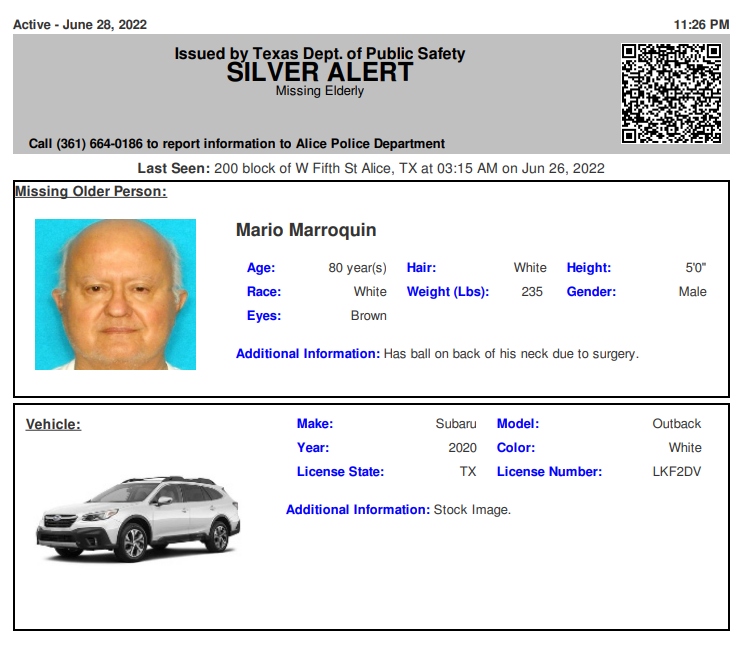
Beyond traditional media, social media platforms play an increasingly significant role, with official law enforcement and news agency accounts widely sharing alert information. This digital reach can spread alerts virally, engaging a tech-savvy public. Perhaps one of the most effective tools for reaching people on the move are the variable message signs (VMS) positioned along major highways, such as I-35 connecting Dallas, Austin, and San Antonio, or I-45 linking Dallas and Houston. These signs display critical information to drivers, who are often in a position to spot a missing person or their vehicle.
For tourism and travel in Texas, this widespread dissemination means that visitors are likely to encounter Silver Alerts through various channels, whether they are navigating the bustling streets of Houston, exploring the historical sites of San Antonio, or enjoying the scenic routes through the countryside. Hotels and other accommodation providers in Texas also play a subtle but important role. Many establishments, particularly larger ones, might train their staff to be aware of local emergency alerts, including Silver Alerts, as part of their broader guest safety protocols. This community-wide vigilance enhances the overall safety landscape of Texas, making it a more secure destination for all, including those enjoying a luxury travel experience or a simple budget travel adventure.
Silver Alerts and the Texas Travel Landscape
The presence and operation of the Silver Alert system profoundly impact the Texas travel landscape, extending beyond immediate emergency response to shape perceptions of safety, influence lifestyle choices, and even inform the responsibilities of the tourism and hospitality sectors. For visitors and residents alike, an effective alert system contributes to a sense of security that enhances the overall experience of exploring the Lone Star State.
Ensuring Safety for Senior Travelers and Families
For many families, travel is a cherished opportunity to create lasting memories, and often these trips include senior family members. The existence of a robust Silver Alert system in Texas provides an invaluable layer of peace of mind for those traveling with elderly relatives, especially if those relatives live with cognitive impairments. Knowing that a state-of-the-art system is in place to rapidly locate a missing person can alleviate some of the anxieties associated with navigating unfamiliar destinations or bustling attractions. This contributes to a more relaxed and enjoyable family trip, allowing everyone to focus on the positive experiences Texas has to offer.
Families can proactively enhance their safety by taking several preventative measures. This includes ensuring elderly loved ones carry clear identification, potentially with emergency contact information, and perhaps even wearing a GPS tracker. Before any travel, having a family discussion about a “what if” scenario and establishing a plan can be incredibly helpful. Furthermore, families can prepare a recent photograph and a list of medical conditions and medications, which would be crucial information for law enforcement if an alert ever needed to be issued.
The hospitality sector also plays a vital role here. Hotels, resorts, and other accommodation providers in Texas are increasingly aware of their role in guest safety. Training staff to recognize signs of disorientation in guests, especially older adults, and knowing the proper channels to report concerns to local law enforcement can make a significant difference. Many establishments have protocols in place for contacting next of kin if a guest seems to be in distress or goes missing. From large chain hotels in metropolitan areas like Houston and Dallas to boutique villas near the Riverwalk in San Antonio, the commitment to guest well-being, including awareness of systems like the Silver Alert, is becoming an integral part of providing exceptional service and upholding a positive tourism image. This collective vigilance underscores Texas‘s dedication to being a safe and welcoming state for all visitors, fostering a sense of security whether on a luxury travel escapade or a more modest journey.
Community Vigilance Across Texas Destinations
The effectiveness of a Silver Alert system relies heavily on community vigilance. When an alert is issued, it transforms ordinary citizens into potential lifesavers, asking everyone to be an extra set of eyes and ears. This collective responsibility is particularly pronounced in a state as expansive and diverse as Texas, where millions of people are constantly on the move, both residents and tourists.
Imagine visiting a popular landmark like The Alamo in San Antonio, exploring the vibrant arts districts of Austin, or relaxing on the beaches of Galveston. If a Silver Alert is active, the descriptions and vehicle information displayed on highway signs or broadcast on local news channels become relevant to everyone in the area. A tourist enjoying a meal at a restaurant, a family navigating a theme park, or a business traveler commuting between meetings could potentially spot the missing individual. The power of the Silver Alert lies in its ability to harness the collective observational capacity of the entire public.
For the tourism industry, this means that every visitor, regardless of their origin or purpose of travel, becomes an active participant in public safety when an alert is active. It fosters a sense of shared community responsibility that transcends the usual tourist-local dynamic. The presence of well-known landmarks and attractions across Texas – from the Dallas World Aquarium to the Houston Museum District – means there are numerous public spaces where a missing person might inadvertently wander. Therefore, local businesses, including not just hotels but also restaurants, retail shops, and attractions, are encouraged to pay attention to these alerts. Their staff members are often in high-traffic areas and are well-positioned to observe and report.
This widespread community vigilance not only aids in the recovery of missing individuals but also reinforces Texas‘s reputation as a state that prioritizes the safety and well-being of all its people. It paints a picture of a cohesive society where caring for the vulnerable is a shared endeavor, making Texas an even more appealing destination for those seeking not just adventure and culture, but also peace of mind.
What to Do When a Silver Alert Is Issued
When a Silver Alert is broadcast in Texas, it’s a call to action for the entire community. Knowing how to respond effectively is crucial for contributing to a positive outcome and helping a vulnerable individual return safely to their loved ones. Your actions, or inactions, can make a difference.
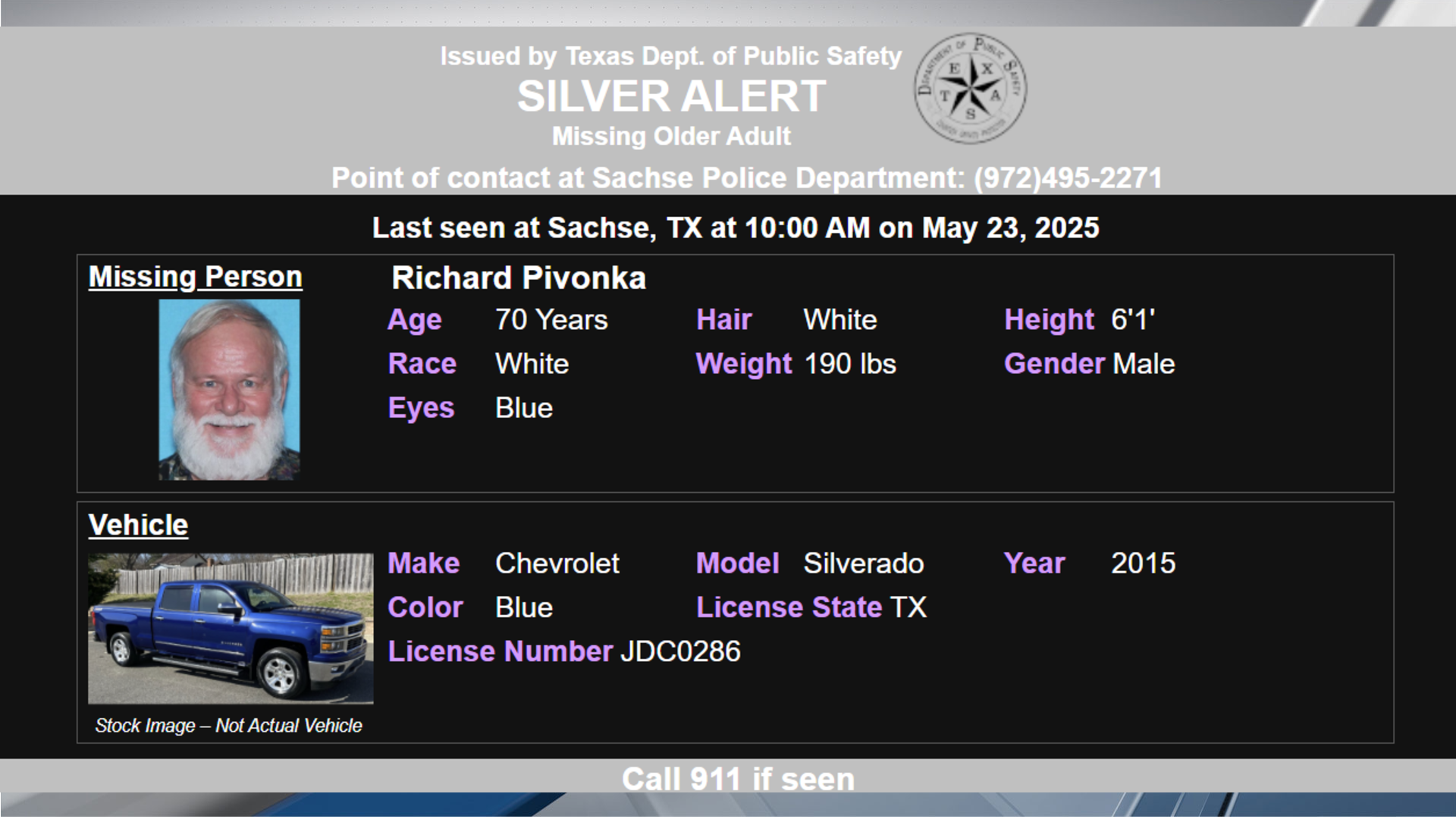
First and foremost, stay informed and pay close attention to the details provided in the alert. This typically includes a physical description of the missing person (height, weight, hair color, clothing), any known medical conditions, and potentially information about a vehicle they might be driving or traveling in (make, model, color, license plate number). Remember these details, but do not rely solely on memory; if possible, quickly jot them down or keep the alert open on your phone or radio.
Secondly, do not approach or engage the missing person directly. While your instinct might be to help, these individuals are often disoriented or confused due to their cognitive impairment. Approaching them could inadvertently frighten or further disorient them, causing them to flee or react unpredictably. Your safety, and theirs, is best served by maintaining a respectful distance.
Thirdly, and most importantly, if you believe you have spotted the missing person or their vehicle, immediately call 911 or your local law enforcement agency. Provide precise details of their location, the direction they were heading, and any other relevant observations. Try to stay on the line until law enforcement arrives, if it is safe to do so. Do not try to transport the individual yourself. Let trained professionals handle the situation.
This advice applies equally to residents and to travelers enjoying their Texas lifestyle. Whether you’re on a road trip along I-35, exploring the historic landmarks of San Antonio, or staying at a hotel in Austin, being aware and knowing how to react responsibly is a crucial civic duty. The collective effort of every individual who heeds a Silver Alert significantly increases the chances of a safe and swift reunion, embodying the spirit of community care that is so important to Texas.
In conclusion, the Silver Alert system in Texas stands as a testament to the state’s commitment to protecting its most vulnerable citizens. It’s a robust, multi-layered emergency response that brings together law enforcement, media, and the public in a coordinated effort to locate missing elderly individuals with cognitive impairments. For families considering travel with elderly relatives, and for all those who explore the myriad destinations and attractions Texas has to offer, understanding the Silver Alert system is more than just knowing a local protocol; it’s about appreciating a vital safeguard that enhances the overall safety and peace of mind for everyone. Texas continues to be a welcoming state, and systems like the Silver Alert ensure it remains a secure and caring environment for residents and visitors alike, reinforcing a compassionate lifestyle for all.
LifeOutOfTheBox is a participant in the Amazon Services LLC Associates Program, an affiliate advertising program designed to provide a means for sites to earn advertising fees by advertising and linking to Amazon.com. Amazon, the Amazon logo, AmazonSupply, and the AmazonSupply logo are trademarks of Amazon.com, Inc. or its affiliates. As an Amazon Associate we earn affiliate commissions from qualifying purchases.