
Understanding the economic landscape of any destination is key to planning a fulfilling travel or lifestyle experience, whether you’re a long-term resident, a new arrival considering relocation, or a visitor eager to immerse yourself in the local culture. When we talk about the Lone Star State, Texas immediately brings to mind sprawling ranches, vibrant cities, and a unique blend of heritage and modernity. But beneath the surface of its dynamic tourism and hospitality industry, there’s a foundational economic factor that impacts countless lives and influences everything from local spending power to the cost of services: the minimum wage. For 2024, the minimum wage in Texas remains consistent with the federal standard, a detail that holds significant implications for both the workforce supporting the state’s thriving travel sector and for individuals planning their budgets for exploring its vast offerings.
This article delves into the specifics of Texas’s minimum wage for 2024, but critically, it will also explore how this economic baseline intertwines with the lifestyle and travel opportunities within the state. We’ll examine its influence on the hospitality industry, explore strategies for budget-conscious travel in Texas, and consider the broader economic context for both residents and visitors. From the bustling streets of Houston to the historic charm of San Antonio, and the vibrant music scene of Austin, understanding the minimum wage provides a crucial lens through which to appreciate the diverse economic fabric that underpins the state’s appeal as a premier destination.
Understanding the Texas Minimum Wage in 2024
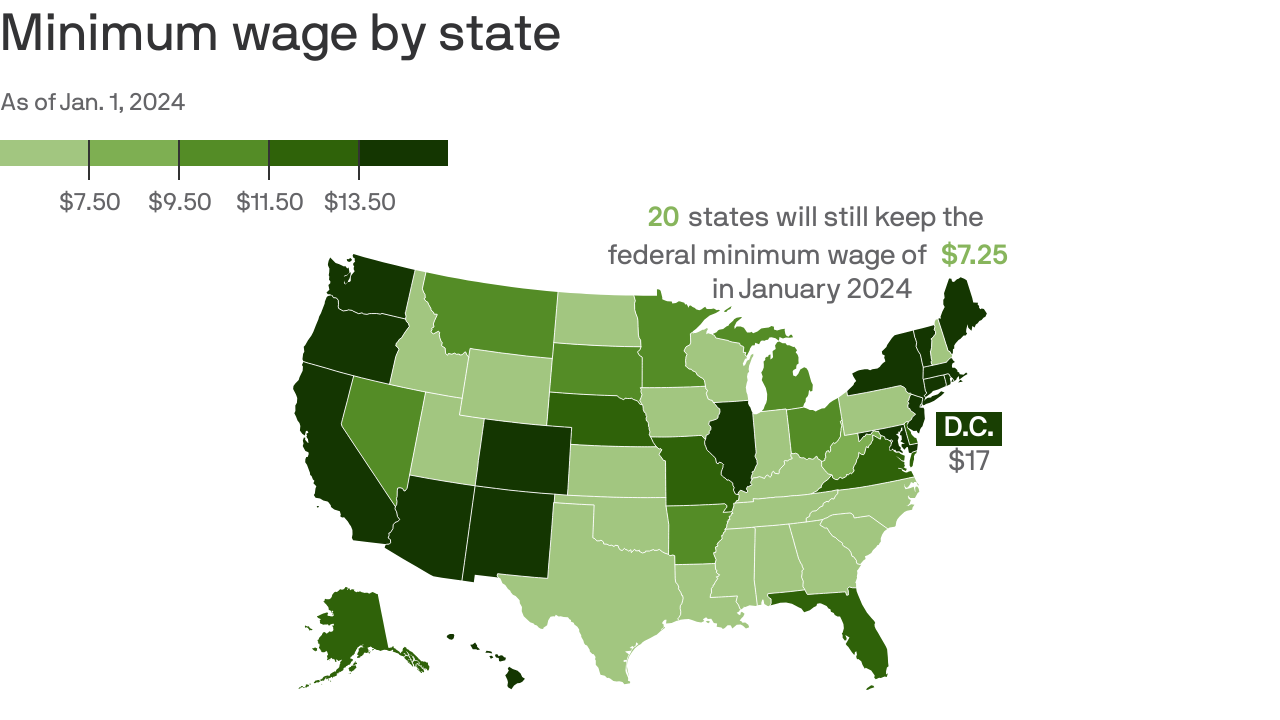
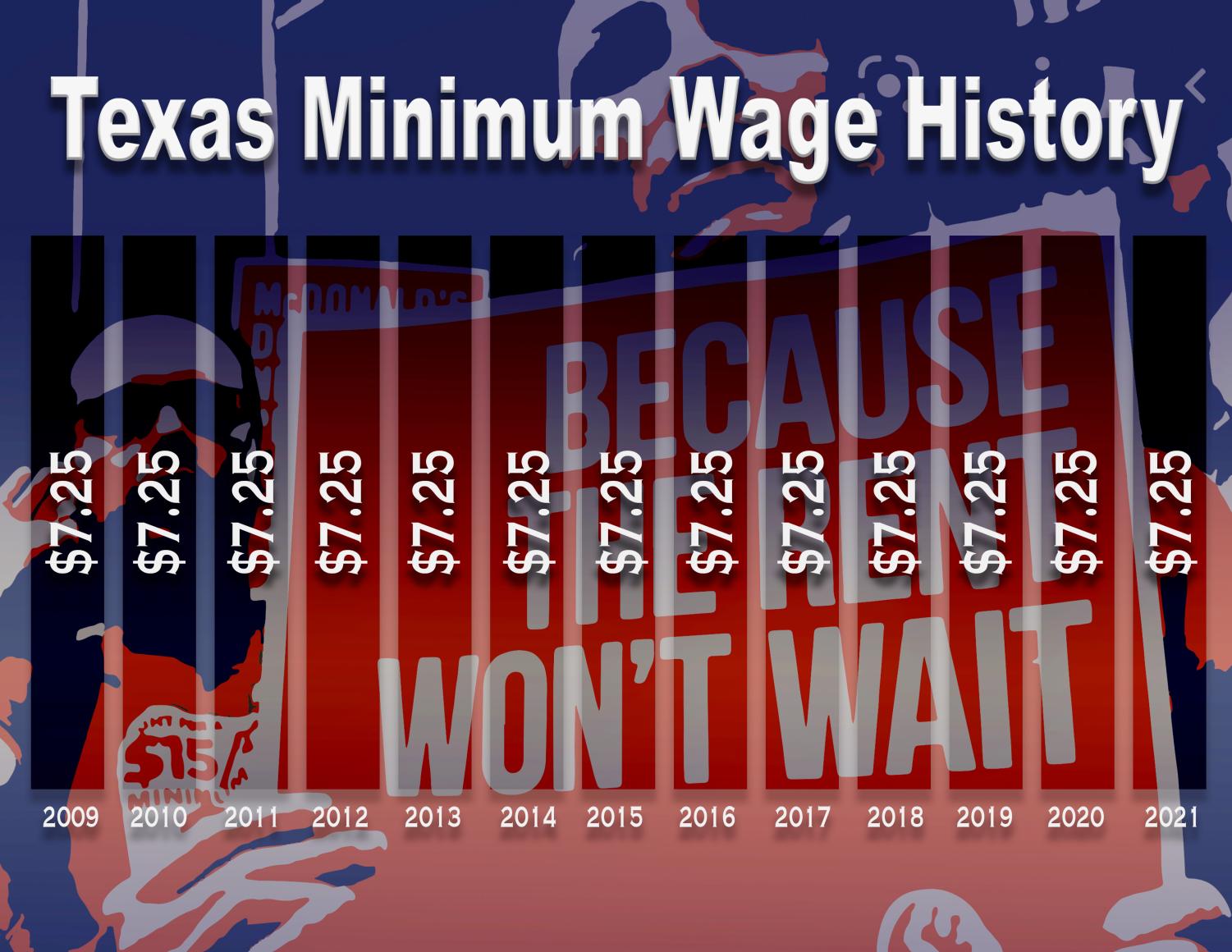
To truly grasp the implications of the minimum wage in Texas, it’s essential to first establish its current standing. As of 2024, the state of Texas does not have its own minimum wage law that supersedes the federal standard. This means that employers in Texas are generally subject to the federal minimum wage, which has been $7.25 per hour since July 24, 2009. This figure is set by the Federal Labor Standards Act (FLSA), a United States labor law that establishes standards for minimum wage, overtime pay, recordkeeping, and child labor. While some states and cities have enacted higher minimum wages to account for varying costs of living, Texas has maintained adherence to the federal rate. This consistency provides a clear, albeit sometimes challenging, benchmark for workers and businesses across the state.
This figure, $7.25 per hour, forms the bedrock for entry-level positions and many service industry roles, including those foundational to the travel and tourism sectors. When considering the lifestyle and travel implications, this standard has a ripple effect across various aspects of daily life. For instance, the earnings of a hospitality worker at a resort in the Hill Country or a cashier at a popular attraction in Dallas are directly tied to this wage floor. While many employers, particularly in specialized roles or competitive markets, may offer wages significantly above this minimum, the $7.25 figure remains a critical starting point for thousands of Texans.
Federal vs. State Standards
The dichotomy between federal and state minimum wage standards is a recurring theme in the United States. In Texas, the absence of a higher state-mandated minimum wage means that the federal rate is the operative one. This isn’t unique to Texas; several other states also follow the federal standard. However, it contrasts sharply with states like California or New York, where state and sometimes even city-specific minimum wages can be considerably higher, reflecting local economic conditions and political priorities. The Texas Workforce Commission provides guidance and resources regarding wage and labor laws, ensuring employers comply with these federal regulations. This adherence to a uniform federal standard across Texas means that the baseline for earnings is consistent whether one is working in the remote expanses near Big Bend National Park or the dense urban environments of Fort Worth. The implications for workers and their ability to engage in leisure activities or travel are therefore spread broadly across the state.
Impact on Local Economies and the Hospitality Sector
The minimum wage’s direct impact on local economies and, specifically, the hospitality sector cannot be overstated. Hotels, restaurants, entertainment venues like Six Flags Over Texas, and various tourism-related businesses often rely on a workforce earning at or near the minimum wage. For these businesses, the minimum wage represents a significant operational cost. Increases in the minimum wage directly affect payroll expenses, which can influence pricing for services, staffing levels, and potentially, investment in amenities. Conversely, a stable minimum wage can offer predictability for budgeting and financial planning within these industries.
For employees in the hospitality sector, the minimum wage is the foundation of their livelihood. Servers, housekeepers, front-desk staff, and attraction attendants often earn wages at this level, sometimes supplemented by tips or service charges. Their ability to afford housing, transportation, and discretionary spending—including their own travel or leisure activities within Texas—is closely tied to this income. In a state as vast and diverse as Texas, where the cost of living can vary significantly between metropolitan hubs like Austin and smaller, rural communities, a uniform minimum wage can present different challenges and opportunities for workers depending on their location. Understanding this dynamic is crucial for anyone interested in the economic realities behind the vibrant facade of Texas tourism.
Exploring Texas on a Budget: Making Every Dollar Count
For residents earning the minimum wage, or even those on a modest income, exploring the vast and diverse offerings of Texas requires strategic planning and a keen eye for value. The good news is that Texas offers an abundance of experiences that don’t demand a hefty budget, ranging from free outdoor activities to affordable cultural attractions and innovative lodging solutions. Lifestyle choices here are deeply intertwined with financial considerations, and embracing budget-friendly approaches can unlock incredible opportunities for travel and leisure. Whether it’s a weekend getaway to the Gulf Coast or a day trip to a historic landmark, making every dollar count is the mantra for experiencing Texas without financial strain.
The key lies in smart research and prioritizing experiences that offer high value for low cost. This approach not only helps individuals stretch their travel budgets but also encourages exploration of lesser-known gems that might otherwise be overlooked. Texas is dotted with state parks, free museums, and public spaces that provide rich cultural and recreational experiences without an entrance fee. Even within major cities like Dallas or San Antonio, there are numerous ways to enjoy the local flavor without breaking the bank. From picnicking in scenic parks to attending free community events, the state provides a canvas for affordable adventures.
Affordable Accommodation Options
Accommodation often consumes the largest portion of a travel budget, making it a prime area for savings. For budget travelers in Texas, there are several alternatives to traditional, higher-priced hotels like the Omni Dallas Hotel or the Hyatt Regency Austin. Hostels, particularly in student-friendly cities like Austin, offer dormitory-style lodging at significantly lower rates, fostering a communal atmosphere that many enjoy. Camping is another excellent option, with numerous state parks and private campgrounds providing affordable sites for tents and RVs, often in breathtaking natural settings. For example, a stay near Big Bend National Park can be incredibly cost-effective if you opt for camping.
Beyond these, consider guesthouses, bed and breakfasts in smaller towns, or even short-term apartment rentals outside peak tourist zones. Websites specializing in budget stays or longer-term accommodation can unveil hidden gems, offering more space and amenities for less money. For those planning an extended stay, researching weekly or monthly rates can yield substantial savings. Additionally, some resorts and hotels, such as the JW Marriott San Antonio Hill Country Resort & Spa, occasionally offer promotions or packages that can make a luxury experience more accessible, especially during off-peak seasons. Being flexible with travel dates and booking in advance are also crucial strategies for securing the best deals on lodging.
Savvy Dining and Activity Choices
Dining and activities are areas where mindful choices can lead to substantial savings. Instead of dining exclusively at high-end restaurants, explore local food trucks, farmers’ markets, and casual eateries that offer authentic Texas flavors at a fraction of the price. Many cities, including Austin and Houston, are renowned for their vibrant food truck scenes, providing gourmet experiences on a budget. Packing snacks and drinks for day trips can also cut down on impulse purchases. For activities, focus on free or low-cost attractions. The historic Alamo in San Antonio offers free admission, as do many state parks for day use (though some may have small entrance fees). Walking tours, often available for free or on a “pay-what-you-wish” basis, are fantastic ways to explore cities and learn about their history. Many art galleries and museums offer free admission on specific days or evenings.
Leveraging Free and Low-Cost Attractions
Texas is rich with attractions that cater to all budgets. Iconic landmarks like the San Antonio Riverwalk can be enjoyed for free by simply strolling along its banks. Visiting NASA Johnson Space Center in Houston has an admission fee, but nearby public parks and green spaces offer opportunities for relaxation and recreation at no cost. Many cities host free festivals, concerts, and cultural events throughout the year, especially during spring and fall. Exploring public gardens, hiking trails, and picturesque towns like Fredericksburg in the Hill Country can provide memorable experiences without a hefty price tag. Even retail therapy can be budget-friendly; wandering through Grapevine Mills Mall is a free activity, though purchases would obviously change that. Utilizing local library passes for museum discounts or looking for community coupons can also unlock further savings, proving that a modest income doesn’t have to limit one’s ability to discover the wonders of Texas.
Behind the Scenes: Minimum Wage and the Texas Tourism Industry
The minimum wage in Texas is more than just a number; it’s a critical economic factor that profoundly influences the state’s thriving tourism industry. From the seamless check-in at a Dallas hotel to the perfectly crafted meal in Austin, and the clean rooms at a Corpus Christi beach resort, the efforts of countless individuals earning minimum wage, or slightly above, are the backbone of these experiences. Understanding this relationship sheds light on the broader implications for service quality, employee well-being, and the overall visitor experience in Texas. The dynamic interplay between labor costs, consumer spending, and the desire to provide exceptional service creates a complex environment for businesses and their employees alike.
For businesses in the hospitality sector, managing labor costs while maintaining high standards of service is a continuous balancing act. The federal minimum wage rate of $7.25 per hour sets a baseline, but many establishments recognize the importance of offering competitive wages and benefits to attract and retain quality staff. This is particularly true in areas with a high cost of living or where specific skills are in demand. However, for smaller businesses or those operating on tight margins, adherence to the minimum wage is often a necessity, impacting everything from staffing levels during peak seasons to the allocation of resources for employee training and development. This reality directly shapes the everyday operational landscape of Texas’s travel and tourism scene.
Jobs in Hotels, Resorts, and Attractions
The range of jobs within the Texas tourism industry that are often paid at or near the minimum wage is extensive. This includes positions such as hotel housekeepers, front desk agents, restaurant servers (who often earn a sub-minimum wage cash wage with tips making up the difference), kitchen staff, amusement park ride operators, retail clerks in tourist areas like Galveston, and event support staff. These roles are fundamental to the guest experience, ensuring comfort, cleanliness, entertainment, and efficient service. For example, the historic The Driskill Hotel in Austin, while a luxury establishment, still relies on a support staff whose entry-level positions might be influenced by minimum wage standards. Similarly, a visit to the San Antonio Riverwalk is enhanced by the efforts of numerous individuals in service roles, from boat tour operators to souvenir shop attendants.
The demand for these positions can fluctuate significantly with tourist seasons, creating both opportunities and challenges for workers. During peak travel times, there might be an increase in available hours or temporary positions, providing a boost in income. Conversely, off-peak seasons might see reduced hours. The nature of these roles often involves direct interaction with visitors, making employee morale and retention crucial for maintaining the welcoming atmosphere Texas is known for. The competitive landscape for talent in the state’s growing tourism sector often pushes employers to offer more than the minimum, especially in highly competitive urban markets or for roles requiring specific customer service skills.
Impact on Employee Lifestyles and Travel Opportunities
For employees working in the Texas tourism industry, the minimum wage directly influences their lifestyle and their own opportunities for travel and leisure. Earning $7.25 per hour can make affording the cost of living in major cities like Houston or El Paso challenging, requiring careful budgeting for essentials like housing, food, and transportation. This can limit their ability to save for their own vacations, whether within Texas or beyond. The reality for many is that discretionary spending, including travel, becomes a luxury that must be planned meticulously, often relying on smart budgeting strategies similar to those discussed for visitors.
However, many hospitality companies offer employee perks such as discounted stays at their properties, or partnerships with other local attractions. These benefits can provide valuable opportunities for employees to experience the very tourism products they help create, offering a glimpse into the diverse lifestyle options Texas provides. The motivation and financial well-being of the hospitality workforce are integral to the overall health and vibrancy of the state’s tourism industry. A happy and financially stable workforce is more likely to provide excellent service, which in turn enhances the visitor experience and strengthens Texas’s reputation as a welcoming and enjoyable destination. This symbiotic relationship underscores why the minimum wage, while seemingly a simple economic figure, has profound implications for the human element of travel and tourism in the Lone Star State.
LifeOutOfTheBox is a participant in the Amazon Services LLC Associates Program, an affiliate advertising program designed to provide a means for sites to earn advertising fees by advertising and linking to Amazon.com. Amazon, the Amazon logo, AmazonSupply, and the AmazonSupply logo are trademarks of Amazon.com, Inc. or its affiliates. As an Amazon Associate we earn affiliate commissions from qualifying purchases.