
Tex-Mex is more than just a cuisine; it’s a vibrant cultural phenomenon, a culinary tapestry woven from centuries of intertwined histories, traditions, and migrations along the United States-Mexico border. For travelers seeking an authentic taste of North American heritage, delving into the world of Tex-Mex offers a unique experience that tantalizes the taste buds and provides a deeper understanding of the diverse lifestyle found within the American Southwest. It’s a distinct category of food, often misunderstood and sometimes conflated with traditional Mexican fare, yet it stands proudly on its own as a testament to regional creativity and culinary evolution.
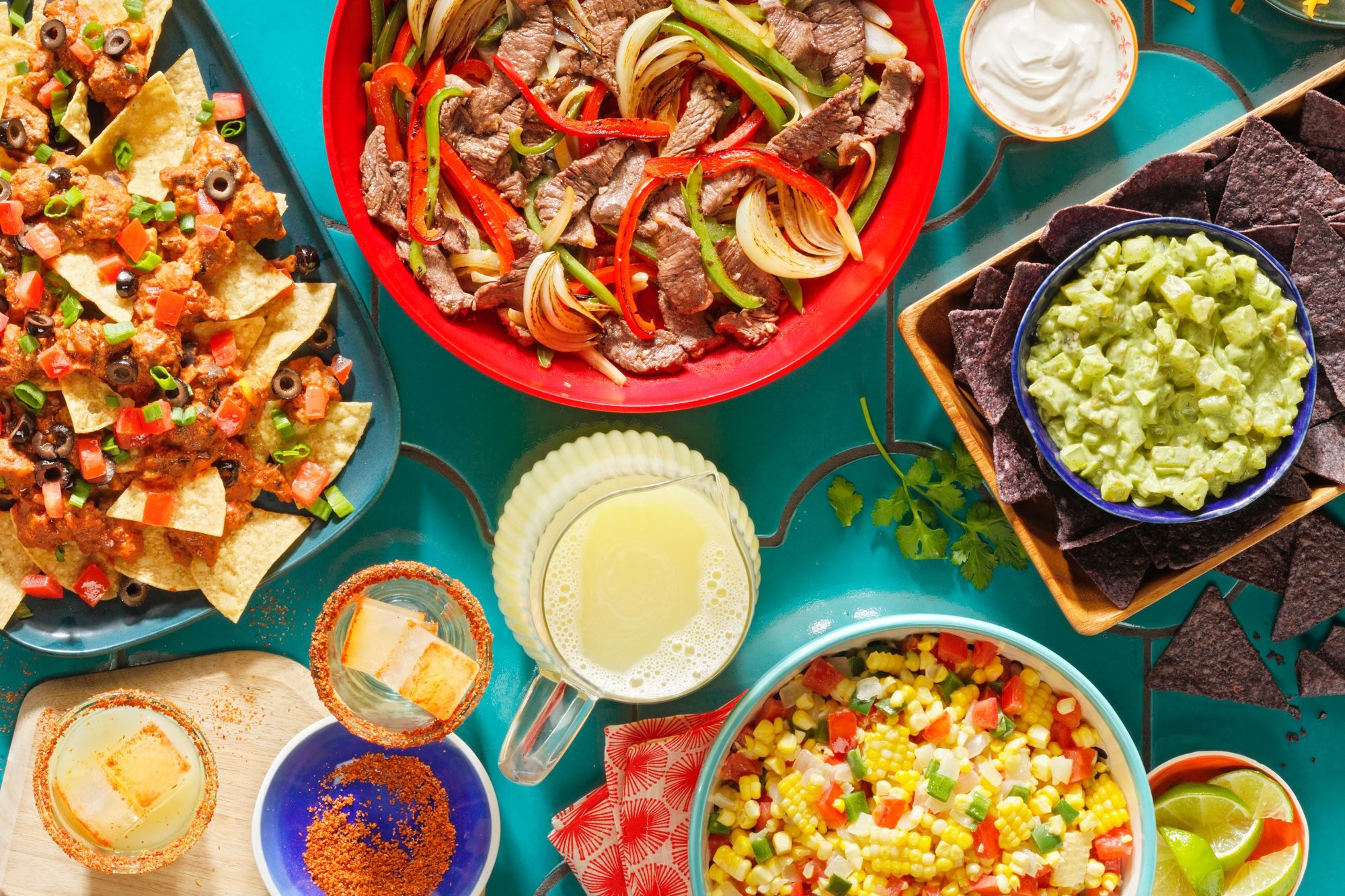
Born primarily in Texas, Tex-Mex embodies the spirit of cultural fusion. It speaks of ranching communities, railway towns, and the resourcefulness of generations who adapted available ingredients to create dishes that are hearty, flavorful, and deeply comforting. Imagine sizzling fajitas, gooey queso, cheesy enchiladas drenched in chili gravy, and crunchy tacos – these are the hallmarks of Tex-Mex, each dish telling a story of adaptation, innovation, and an unwavering love for bold flavors. As an essential component of cultural tourism, exploring Tex-Mex offers a gateway into the heart and soul of destinations like San Antonio, Houston, and Dallas, inviting visitors to embark on a delicious journey through history and taste. Whether you’re a seasoned foodie or simply curious about regional culinary distinctions, understanding what Tex-Mex truly is will enrich your travel adventures and leave you craving more of its distinctive charm.
The Culinary Crossroads: Tracing Tex-Mex Origins
To truly appreciate Tex-Mex, one must first understand its roots, which are deeply embedded in the historical and geographical context of the Texas-Mexico borderlands. This cuisine didn’t simply appear; it evolved over centuries, shaped by a fascinating interplay of cultures and the pragmatic use of local ingredients.
A Fusion of Cultures
The origins of Tex-Mex can be traced back to the arrival of Spanish colonizers in the region that would eventually become Texas. These early settlers brought with them livestock like cattle and goats, as well as wheat, which were integrated into the indigenous diet of corn, beans, and chili peppers. When Mexico gained independence from Spain, and later when Texas became part of the United States, the culinary landscape continued to shift. The intermingling of Tejano culture (Texans of Mexican descent) with Anglo-American settlers created a unique environment for gastronomic innovation.
Unlike the more localized and diverse regional cuisines found deep within Mexico, Tex-Mex developed in a frontier setting where certain ingredients were more readily available or became favored. Beef, for instance, became a cornerstone, owing to the prolific cattle ranching that defined the Texas landscape. Dairy products, like cheese and sour cream, also became more prominent, influenced by Anglo-American dietary preferences. This cross-cultural dialogue in the kitchen was fundamental, laying the groundwork for a cuisine that borrowed elements from both sides of the nascent border, ultimately forging something entirely new and distinctive.
Evolution from “Border Food”
Initially, the food of the border region wasn’t formally called “Tex-Mex.” It was simply the everyday sustenance of families living in the vast territories between San Antonio and the Rio Grande. As the 19th century progressed, and with the advent of railway lines connecting Texas to other parts of the United States, this regional cuisine began to gain recognition. The term “Tex-Mex” itself didn’t become widely used to describe the food until the mid-20th century, notably popularized by food writer Diana Kennedy, who sought to distinguish it from “authentic” Mexican cuisine.
However, the “border food” had already been evolving for decades. Early restaurants run by Tejano families, particularly the “Chili Queens” of San Antonio, played a crucial role in popularizing dishes like chili con carne. These outdoor vendors, often operating in vibrant marketplaces, offered hearty, spicy stews and other simple, flavorful dishes to locals and travelers alike. The ingredients were reflective of the region: more beef, generous use of yellow cheese, wheat flour tortillas alongside corn, and a distinct spice blend featuring cumin and chili powder. This pragmatic approach to cooking, combined with a desire to cater to a broader palate, solidified the identity of Tex-Mex as a comforting, hearty, and undeniably Americanized interpretation of Mexican flavors. It became a cuisine of its own, deeply rooted in the history and lifestyle of the Texas frontier.
The Signature Flavors and Dishes of Tex-Mex
Tex-Mex cuisine boasts a distinctive flavor profile that sets it apart. It’s a comfort food powerhouse, renowned for its hearty portions, generous use of cheese, and a specific blend of spices that evoke a sense of warmth and familiarity. Understanding these core elements is key to appreciating its unique place in the culinary world.
Core Ingredients and Characteristics
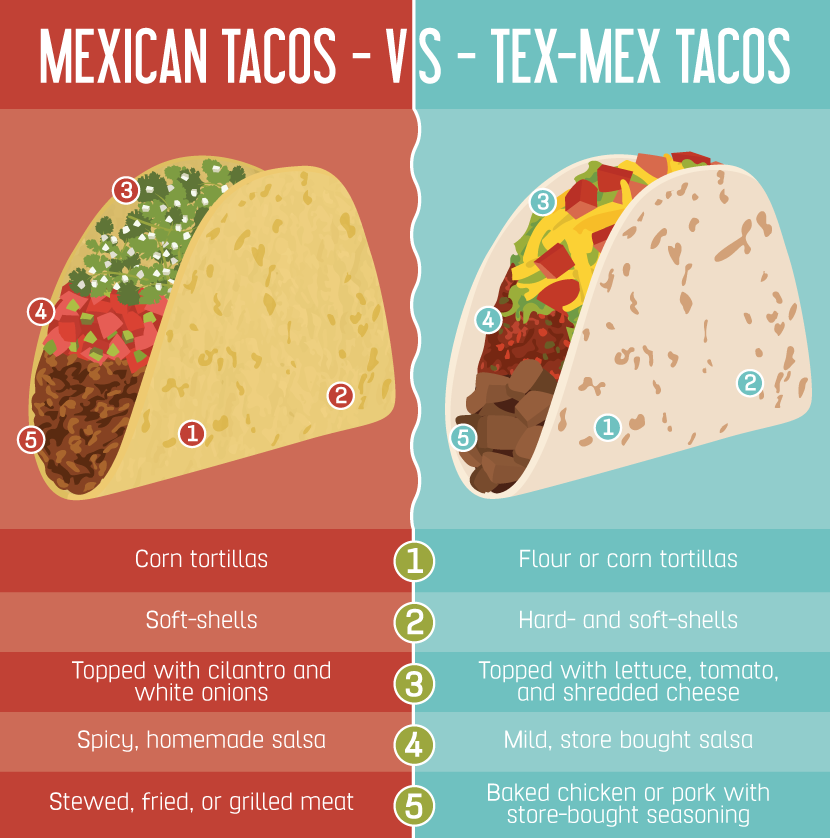
The backbone of Tex-Mex cooking relies on a specific pantry of ingredients that contribute to its unmistakable taste. Beef, particularly ground beef or cuts suitable for fajitas and slow-cooking, is far more prevalent than in traditional Mexican cuisine, which often favors pork or chicken. Cheese is another cornerstone, with yellow cheddar and Monterey Jack being king, used abundantly in nachos, enchiladas, and the ever-popular queso. This contrasts with the fresh, crumbly queso fresco often found south of the border.
The spice cabinet also tells a story. Cumin and chili powder are the dominant flavors, providing a warm, earthy, and often smoky heat that defines many Tex-Mex dishes. While Mexican cuisine also uses chili, the specific blends and liberal application in Tex-Mex create a distinct difference. Wheat flour tortillas are as common as corn tortillas, particularly for items like burritos and fajitas, a significant departure from many regions of Mexico where corn reigns supreme. Other common ingredients include black beans (though pinto beans are also widely used), rice, tomatoes, onions, and plenty of jalapeños. The emphasis is on robust, satisfying flavors that are often rich and indulgent, making Tex-Mex a truly comforting experience.
Iconic Tex-Mex Dishes Every Traveler Must Try
No travel guide to Texas or the American Southwest would be complete without highlighting the quintessential Tex-Mex dishes that define this regional cuisine. These are the plates that have earned their legendary status and are a must-try for any culinary explorer.
-
Fajitas: Perhaps one of Tex-Mex’s most iconic contributions to global cuisine, fajitas feature strips of grilled meat (traditionally skirt steak, but chicken, shrimp, and vegetables are also common) served sizzling on a hot platter with grilled onions and bell peppers. Accompanied by warm flour tortillas, pico de gallo, guacamole, sour cream, and cheese, fajitas are an interactive and incredibly flavorful meal. Their popularity exploded in the 1970s and 80s, making them a staple in Tex-Mex restaurants worldwide.
-
Nachos: Invented in 1943 by Ignacio “Nacho” Anaya in Piedras Negras, Mexico, just across the border from Texas, the original nachos were simple: fried tortilla chips topped with melted cheddar cheese and pickled jalapeños. Today, Tex-Mex nachos have evolved into towering culinary constructions, often piled high with ground beef, chicken, beans, sour cream, guacamole, and a generous pour of queso, making them a perfect appetizer or a meal in themselves.
-
Chili Con Carne: Often considered the official state dish of Texas, chili con carne is a hearty stew made primarily with chili peppers, meat (usually beef), and often beans (though purists argue against beans). Its origins are deeply tied to the frontier life of Texas and the famous Chili Queens of San Antonio. It’s a robust, spicy, and deeply satisfying dish that embodies the spirit of the state.
-
Enchiladas: While enchiladas exist in various forms across Mexico, Tex-Mex enchiladas are distinctive. They typically feature corn tortillas rolled around fillings of cheese, ground beef, or chicken, then smothered in a rich, reddish-brown chili gravy (a unique Tex-Mex creation, often thickened with flour and flavored with cumin and chili powder) and topped with a generous layer of melted cheddar cheese. A true Tex-Mex classic, offering profound comfort.
-
Queso: This creamy, warm cheese dip is a ubiquitous starter at any Tex-Mex meal. Made with melted processed cheese (like Velveeta for its meltability, or a blend of real cheeses), often mixed with chili, diced jalapeños, and sometimes ground beef or chorizo, queso is served with endless baskets of tortilla chips. It’s simple, addictive, and utterly essential to the Tex-Mex dining experience.
-
Crispy Tacos: Unlike the soft corn tortillas prevalent in much of Mexico, Tex-Mex often features crispy, U-shaped corn tortilla shells, typically filled with seasoned ground beef, shredded lettuce, diced tomatoes, and grated yellow cheese. These crunchy delights are a nostalgic staple and a casual crowd-pleaser.

- Margaritas: While not a food item, the margarita is the quintessential Tex-Mex beverage. This classic cocktail, made with tequila, lime juice, and orange liqueur, is the perfect companion to the rich and spicy flavors of Tex-Mex, offering a refreshing counterpoint that enhances the entire dining experience.
Experiencing Tex-Mex: A Traveler’s Guide
For travelers interested in culinary tourism, exploring Tex-Mex in its native habitat is an absolute must. It’s an immersion into local culture, history, and a vibrant lifestyle that goes beyond the plate.
Top Destinations for Authentic Tex-Mex
While Tex-Mex has spread globally, there’s no substitute for experiencing it in the cities where it was born and perfected. These destinations offer a comprehensive and authentic taste.
-
San Antonio, Texas: Often considered the spiritual home of Tex-Mex, San Antonio offers an unparalleled culinary journey. From historic restaurants in Market Square like Mi Tierra Cafe y Panadería, operating since 1941, to charming eateries along the famous Riverwalk, the city is a treasure trove of traditional Tex-Mex. Its deep Tejano roots ensure an authentic and culturally rich dining experience.
-
Houston, Texas: As one of the most diverse cities in the United States, Houston boasts an expansive and evolving Tex-Mex scene. Here, you’ll find everything from classic, no-frills establishments to upscale, chef-driven interpretations of Tex-Mex that push culinary boundaries. The city’s size means a vast array of choices, ensuring there’s something for every palate and budget.
-
Dallas, Texas & Fort Worth, Texas: The Dallas-Fort Worth metroplex is another stronghold of Tex-Mex. Dallas offers sophisticated Tex-Mex dining, often in chic urban settings, while Fort Worth, with its historic Stockyards, provides a more rustic and traditional feel, exemplified by legendary restaurants like Joe T. Garcia’s.
-
Austin, Texas: Known for its vibrant food truck scene and innovative culinary spirit, Austin puts a fresh spin on Tex-Mex. While you can find traditional favorites, Austin is also a hub for creative fusion dishes and modern interpretations, often with a focus on local ingredients and a casual, laid-back vibe.
While Texas is the epicenter, other border states like New Mexico and Arizona offer similar, yet distinctly different, regional cuisines that are fascinating in their own right. For pure Tex-Mex, however, Texas is king.
Where to Stay and Dine
When planning a Tex-Mex culinary adventure, consider the range of accommodation options available that complement your travel style and budget. In San Antonio, you might opt for a boutique hotel along the Riverwalk for easy access to dining and attractions. Houston and Dallas boast a plethora of luxury resorts and suites for a more indulgent stay, complete with top-tier amenities. For budget-conscious travelers or longer stays, apartments and vacation villas can be booked, offering kitchen facilities to perhaps even try your hand at cooking some Tex-Mex classics after visiting a local market. Always check reviews and comparison sites when booking to find the best fit.
As for dining, seek out both legendary institutions and local favorites. In San Antonio, beyond Mi Tierra, explore places like The Original Mexican Restaurant & Bar or Rosario’s. In Fort Worth, Joe T. Garcia’s is a sprawling institution famous for its margaritas and family-style meals. For a truly authentic cultural experience, look for restaurants with vibrant atmospheres, live music, and a strong community presence. Many Tex-Mex establishments are designed not just for eating, but for celebration and gathering, making them perfect attractions in themselves.
Tips for the Culinary Traveler
To make the most of your Tex-Mex journey, here are a few practical tips:
- Don’t Be Afraid to Ask: If you’re unsure about a dish or ingredient, most waitstaff are happy to explain. Understanding the nuances can deepen your appreciation.
- Embrace the Heat (or Not): Tex-Mex can range from mild to fiery. Most restaurants will indicate spice levels, and you can always ask for sauces on the side to control the heat.
- Sample the Queso: This creamy cheese dip is a required initiation for any Tex-Mex visitor. There are countless variations, so try a few!
- Pair with the Right Drink: A classic margarita is the perfect foil for rich Tex-Mex flavors. Mexican beers or sweet tea are also popular choices.
- Consider a Food Tour: Many cities offer guided food tours that delve into the history and best eateries for Tex-Mex, providing an insightful and delicious experience.
- Explore Beyond Dinner: Tex-Mex breakfasts, featuring dishes like migas or huevos rancheros, are incredibly popular and a fantastic way to start your day.
- Look for Local Gems: While famous restaurants are great, sometimes the best Tex-Mex is found in unassuming, family-run establishments where the recipes have been perfected over generations.
Beyond the Plate: Tex-Mex as a Lifestyle and Cultural Icon
Tex-Mex is far more than just a menu; it’s deeply ingrained in the social fabric and lifestyle of the American Southwest, representing a celebration of community, heritage, and enduring culinary traditions.
More Than Just Food
In Texas and surrounding regions, Tex-Mex isn’t reserved for special occasions; it’s a part of everyday life. It’s the go-to for casual family dinners, weekend brunches, business lunches, and festive celebrations. The communal aspect of sharing platters of sizzling fajitas or dipping into a bowl of rich queso fosters a sense of togetherness. Many Tex-Mex establishments are designed to accommodate large groups, with colorful decor, lively music, and an atmosphere that encourages relaxation and conversation.
This cuisine plays a significant role in defining regional identity. It’s a point of pride, a culinary landmark that distinguishes the culture of Texas from its neighbors. The flavors evoke memories, connect generations, and serve as a delicious reminder of the unique blend of histories that shaped the region. From the bustling Riverwalk in San Antonio to quiet neighborhood joints in Houston, Tex-Mex spots are often central gathering places, reflecting the social dynamics and cultural pulse of their communities.
Global Influence
While its heart remains in Texas, the influence of Tex-Mex has spread far beyond the borders of the United States. Dishes like fajitas, nachos, and chili con carne are now found in countless restaurants and home kitchens worldwide, often adapted to local ingredients and palates. This global reach underscores its universal appeal: comforting, flavorful, and inherently satisfying.
However, the global proliferation also highlights the importance of experiencing Tex-Mex in its authentic context. While versions found elsewhere may be tasty, they often lack the depth, historical resonance, and specific regional nuances that define the original. This makes a culinary pilgrimage to Texas not just a meal, but an educational and cultural journey, offering insights into local culture and heritage that no imitation can replicate.
In conclusion, Tex-Mex is a testament to culinary adaptation and cultural resilience. It’s a bold, flavorful, and deeply comforting cuisine that has carved out its own unique space in the gastronomic world. For the discerning traveler, exploring “What Is Tex-Mex?” is to embark on an unforgettable journey through the vibrant history, rich flavors, and warm hospitality of the American Southwest. It’s an essential experience that promises to delight the senses and enrich your understanding of this fascinating blend of cultures. So, pack your bags, bring your appetite, and prepare to savor the distinctive magic of Tex-Mex.
LifeOutOfTheBox is a participant in the Amazon Services LLC Associates Program, an affiliate advertising program designed to provide a means for sites to earn advertising fees by advertising and linking to Amazon.com. Amazon, the Amazon logo, AmazonSupply, and the AmazonSupply logo are trademarks of Amazon.com, Inc. or its affiliates. As an Amazon Associate we earn affiliate commissions from qualifying purchases.