
In the vibrant tapestry of global travel and lifestyle, certain phenomena transcend their original scope to become integral parts of the experience economy. Among these, few card games boast the universal recognition and magnetic pull of Texas Hold’em. What began as a local card game in the small town of Robstown, Texas, has exploded into a worldwide sensation, not only captivating millions with its blend of skill and chance but also driving a significant portion of the tourism, hospitality, and luxury travel industries.
For the uninitiated, Texas Hold’em is more than just a game; it’s a social event, a mental workout, and for many, a legitimate reason to explore some of the most glamorous destinations on earth. Whether you’re a seasoned poker pro chasing the next big tournament prize or a casual traveler looking to add a touch of excitement to your vacation, understanding Texas Hold’em opens doors to unique travel experiences, from opulent Las Vegas resorts to exotic Asian casinos and charming European poker rooms. This article delves into the essence of Texas Hold’em, exploring its rules, its cultural impact, and its undeniable link to the global world of travel, tourism, and luxurious living.
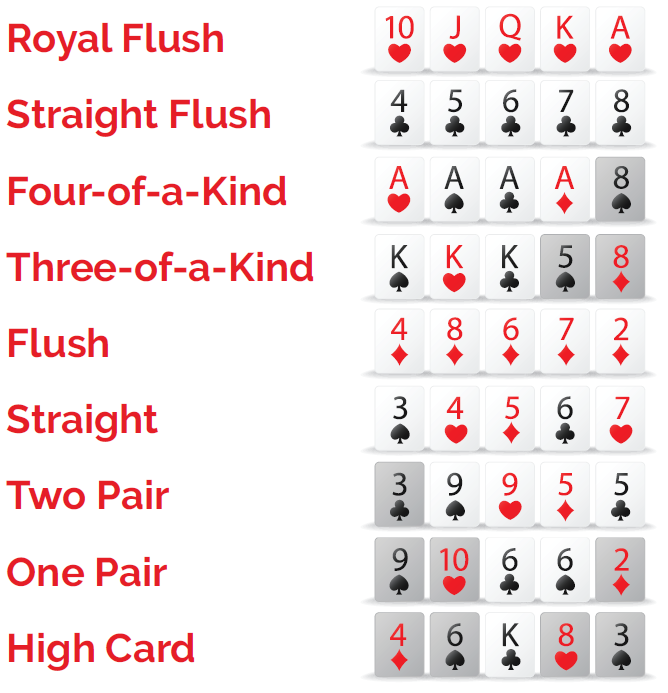
The Enduring Appeal of Texas Hold’Em
The journey of Texas Hold’em from a regional pastime to a global phenomenon is a compelling narrative, deeply intertwined with the evolving landscape of entertainment and leisure. Its appeal lies in its accessibility, strategic depth, and the thrilling unpredictability that keeps players coming back for more. This section explores the fascinating history of the game and breaks down its fundamental rules, setting the stage for understanding its pervasive influence on the travel and lifestyle sectors.
A Brief History and Global Rise
The origins of Texas Hold’em are generally traced back to the early 20th century in Robstown, Texas. For decades, it remained a relatively obscure game, primarily played in small Texas card rooms. Its fortunes began to change in the late 1960s when a group of professional poker players, including Doyle Brunson and Amarillo Slim, brought the game to Las Vegas. They recognized the game’s strategic depth and spectator appeal, which they believed would make it a hit in the burgeoning casino scene.
The pivotal moment for Texas Hold’em came in 1970 when it was chosen as the main event for the inaugural World Series of Poker (WSOP) at the Binion’s Horseshoe Casino in Las Vegas. This annual tournament slowly but surely elevated the game’s profile, drawing more professional players and eventually capturing the attention of the media. However, it wasn’t until the early 2000s, with the advent of online poker and televised poker tournaments featuring hole card cameras, that Texas Hold’em truly exploded into the mainstream. Suddenly, viewers could follow the action in real-time, understanding the players’ decisions and the drama of each hand. This “poker boom” led to a massive surge in interest, transforming the game from a niche activity into a global cultural phenomenon, played in homes, casinos, and online platforms across every continent.
Understanding the Fundamentals of the Game
At its core, Texas Hold’em is a community card game where players aim to make the best five-card poker hand using a combination of two “hole cards” dealt face down to them and five “community cards” dealt face up in the middle of the table. The game typically involves 2 to 10 players seated around a table.
Here’s a breakdown of the basic structure:
- The Blinds: Before any cards are dealt, two players (the “small blind” and “big blind”) are required to place forced bets, ensuring there’s money in the pot to play for.
- Hole Cards: Each player receives two private cards, their “hole cards,” which only they can see.
- Pre-Flop Betting: The first round of betting begins with the player to the left of the big blind. Players can “call” (match the big blind), “raise” (increase the bet), or “fold” (give up their hand and their bets).
- The Flop: After the first betting round, three community cards are dealt face up on the table. These are available for all players to use. Another round of betting ensues.
- The Turn: A fourth community card is dealt, followed by another betting round.
- The River: The fifth and final community card is dealt, leading to the last betting round.
- Showdown: If more than one player remains after the final betting round, the remaining players reveal their hands. The player with the best five-card poker hand (using any combination of their two hole cards and the five community cards) wins the pot.
The beauty of Texas Hold’em lies in its strategic depth, which goes far beyond just understanding hand rankings. Players must master concepts like bluffing, reading opponents, managing their chip stack, and understanding pot odds. This complex interplay of psychology, mathematics, and nerve makes every game a unique challenge, contributing significantly to its lasting global appeal and its ability to attract diverse individuals to the tables, often across international borders.
Texas Hold’Em as a Catalyst for Travel and Tourism
The magnetic allure of Texas Hold’em has transformed it into a powerful driver for the travel and tourism industry. From the bright lights of mega-casino cities to the intimate charm of boutique poker rooms, the game provides a compelling reason for enthusiasts to pack their bags and embark on adventures, blending the thrill of the game with the excitement of exploring new destinations and experiencing world-class hospitality.
Iconic Destinations: Where Poker Meets World-Class Hospitality
Certain cities have become synonymous with the poker scene, drawing millions of tourists annually, whether they come to play, spectate, or simply soak in the electric atmosphere. These destinations offer not just poker tables, but entire ecosystems built around entertainment, luxury, and unforgettable experiences.
Undoubtedly, Las Vegas, Nevada, stands as the undisputed capital of poker. Home to the World Series of Poker and countless other high-profile tournaments, Las Vegas boasts an incredible array of legendary poker rooms. The Bellagio Hotel & Casino, with its renowned “Bobby’s Room” (now “Legends Room”), is a mecca for high-stakes players, while Caesars Palace, the Venetian Resort Las Vegas, and the Aria Resort & Casino offer expansive poker rooms catering to all stakes and skill levels. Beyond the felt, Las Vegas provides an unparalleled tourism experience, from world-class dining and spectacular shows to luxury shopping and vibrant nightlife. Travelers can effortlessly transition from a tense poker hand to a Michelin-starred meal or a Cirque du Soleil performance, making for a truly multifaceted trip.
Across the globe, Macau, often dubbed the “Gambling Capital of the World,” offers a distinctly Asian flavor to the poker scene. Its lavish resorts, such as the Grand Lisboa Casino and the Wynn Macau, feature opulent poker rooms that attract both recreational players and high rollers from across Asia and beyond. While the poker scene might be slightly less prominent than in Las Vegas, the sheer scale of its integrated resorts and the unique blend of Portuguese and Chinese culture make Macau a fascinating destination. Similarly, Singapore has emerged as a luxury travel hub with its iconic Marina Bay Sands and Resorts World Sentosa, both featuring impressive casinos that host poker games alongside their stunning architecture, entertainment complexes, and high-end shopping.
In Europe, poker enthusiasts often flock to cities like Monte Carlo in Monaco, home to the legendary Casino de Monte-Carlo, a symbol of old-world glamour and high-stakes gaming. Other European capitals, including London, Paris, Barcelona, and Prague, host legs of the European Poker Tour (EPT) and other significant tournaments, offering players the chance to combine their love for poker with cultural exploration, historic landmarks, and exquisite European cuisine. These cities demonstrate how Texas Hold’em seamlessly integrates with broader tourism objectives, providing a niche yet powerful draw for travelers seeking specific experiences.
The Grandeur of Casino Resorts: More Than Just a Game
The modern casino resort, particularly in destinations like Las Vegas, Macau, and Singapore, is a marvel of integrated tourism. For poker players, these establishments offer a comprehensive experience that extends far beyond the green felt tables. They are meticulously designed to provide every possible amenity and entertainment option, ensuring that even if the cards aren’t falling your way, your stay remains extraordinary.
Accommodation at these resorts is often synonymous with luxury. Five-star suites, private villas, and rooms with breathtaking views are standard offerings. Think of the opulent accommodations at the Wynn Las Vegas or the iconic fountains viewed from the Bellagio. These hotels are destinations in themselves, providing comfort, style, and impeccable service, allowing poker players to relax and rejuvenate between intense gaming sessions. Many resorts even offer dedicated “poker rates” or packages, recognizing the value of the poker tourist.
Beyond lodging, the resorts are packed with world-class amenities. Fine dining restaurants, often helmed by celebrity chefs, cater to every palate, from casual buffets to gourmet experiences. Spas and wellness centers provide a sanctuary for relaxation, offering massages, facials, and state-of-the-art fitness facilities – essential for professional players who endure long hours at the tables. Shopping arcades feature high-end boutiques, offering a perfect diversion or a celebratory splurge. Live entertainment, from resident artist shows to headlining concerts, ensures that there is always something exciting happening. For families, many resorts are increasingly incorporating non-gaming attractions like theme parks, elaborate pools, and family-friendly shows, making them appealing to travelers who might be bringing their families along on a poker-centric trip.
The synergy between Texas Hold’em and these grand casino resorts is undeniable. The game provides a specific, high-value draw, while the resorts provide an all-encompassing luxury experience that transforms a simple poker trip into a memorable vacation. This integration benefits both the players, who enjoy premium experiences, and the hospitality industry, which attracts a dedicated and often affluent demographic.
The Lifestyle of a Poker Traveler
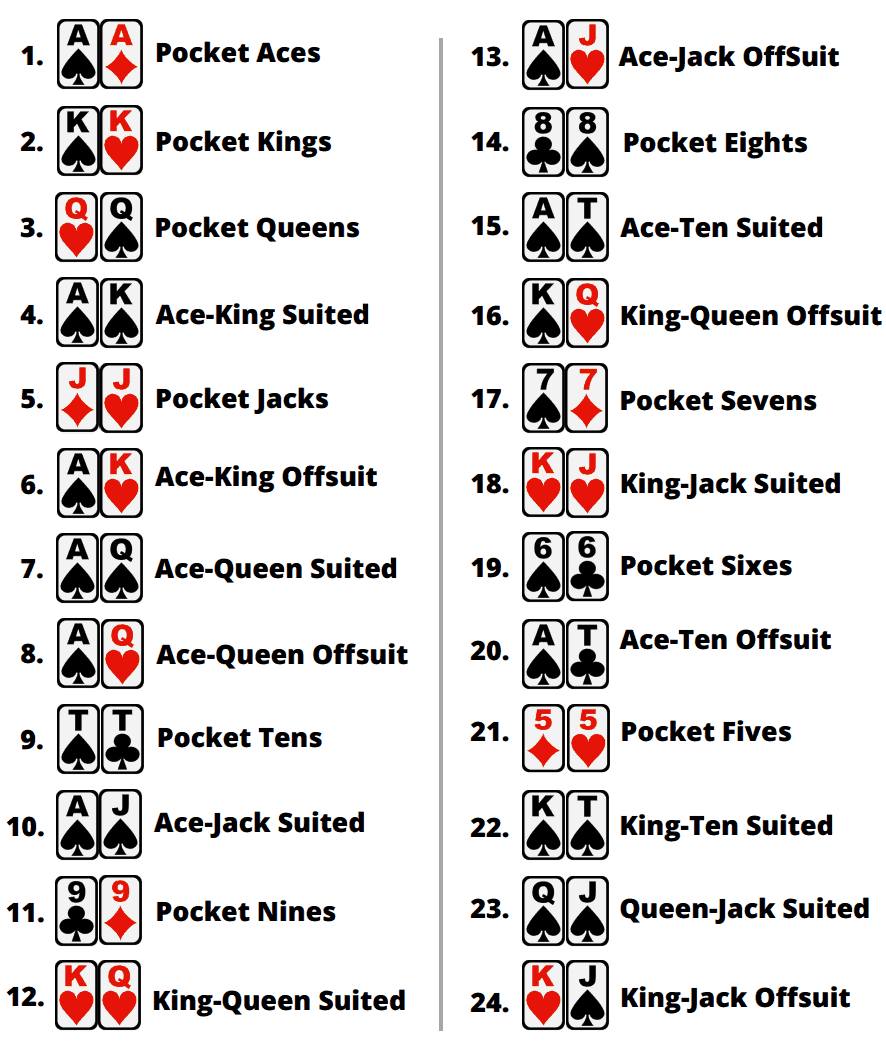
The life of a serious poker player, or even an enthusiastic amateur, is often inextricably linked with travel. The pursuit of the game takes individuals across continents, transforming them into modern-day nomads seeking both the thrill of competition and the allure of new experiences. This section delves into the distinctive lifestyle associated with poker travel, highlighting how players balance their passion for the game with a desire to explore the world around them, alongside practical considerations for making such journeys fulfilling.
Beyond the Felt: Exploring Local Culture and Attractions
For many poker travelers, the journey isn’t solely about the cards; it’s also an opportunity to immerse themselves in new cultures and discover iconic landmarks. A tournament in Barcelona isn’t just a chance to win prize money; it’s also an excuse to explore Gaudi’s architecture and savor authentic tapas. Playing cash games in London provides a gateway to visiting historic sites like the Tower of London or catching a West End show. This blend of gaming and cultural exploration enriches the travel experience significantly.
Poker schedules, while demanding, often include breaks that allow players to venture outside the casino walls. Many professional players specifically choose tournament series in locations known for their vibrant tourism scenes, turning business trips into semi-vacations. They might start their day strategizing at the poker table, then spend their evening exploring local markets, dining at authentic restaurants, or visiting famous museums. This approach allows them to decompress from the mental intensity of the game while broadening their horizons and collecting unique travel memories. From enjoying the stunning beaches in the Bahamas during the PokerStars Caribbean Adventure (PCA) to taking a gondola ride in Venice between European Poker Tour events, the poker lifestyle can be incredibly diverse and culturally rich, appealing to those who seek more than just a fleeting glance at a destination.
Navigating Accommodation and Amenities for the Discerning Player
When planning a poker trip, accommodation is a crucial consideration, especially for players who spend long hours at the tables. The choice of hotel or resort significantly impacts comfort, convenience, and overall travel experience. Many casino resorts, aware of the specific needs of poker players, offer tailored amenities. This can range from dedicated, quiet lounges for players to relax, to 24-hour room service for those late-night sessions, and even complimentary food and beverage service directly at the poker tables.
Booking an integrated resort, such as the MGM Grand Las Vegas or the Crown Casino Melbourne, often means having the poker room, dining options, and entertainment all under one roof, minimizing travel time and maximizing convenience. However, some players prefer staying in boutique hotels or apartments nearby, especially if they are looking for a quieter retreat or wish to experience a different side of the city away from the casino buzz. Options like serviced apartments can also be ideal for longer stays, offering kitchen facilities and a more homely environment.
When selecting accommodation, poker travelers often prioritize:
- Proximity: Easy access to the poker room or tournament venue is paramount.
- Comfort: A comfortable bed, a quiet room, and reliable Wi-Fi are essential for rest and online study.
- Amenities: Access to a gym, spa, or swimming pool can help maintain physical and mental well-being during intense tournaments.
- Dining Options: A variety of food choices, including healthy options and late-night availability, is highly valued.
- Security: A safe environment, especially for players traveling with significant bankrolls or winnings.
The discerning poker player approaches accommodation with a strategic mindset, much like their approach to the game itself, ensuring that their chosen lodging supports their performance and enhances their overall travel experience.
Planning Your Ultimate Texas Hold’Em Experience
Embarking on a Texas Hold’em adventure requires thoughtful planning, especially if you aim to combine the thrill of the game with an enriching travel experience. Identifying the right venues, understanding the major tournaments, and implementing smart travel strategies can transform a simple poker trip into an unforgettable journey.
Key Tournaments and Venues to Consider
For serious poker enthusiasts, the calendar is often marked by the dates and locations of major tournaments. These events not only offer substantial prize pools but also serve as gathering points for the global poker community, creating an electric atmosphere that is hard to replicate.
The most prestigious of these is undoubtedly the World Series of Poker (WSOP), held annually in Las Vegas. While historically held at the Rio All-Suite Hotel & Casino, it now finds its home at the Horseshoe Las Vegas and Paris Las Vegas hotels. Winning a WSOP bracelet is the ultimate achievement in poker, drawing thousands of players from around the globe, from amateur qualifiers to legendary pros. The sheer scale of the event means that side events catering to various buy-ins and game types are available, offering something for everyone.
Beyond the WSOP, the World Poker Tour (WPT) stages events at luxurious casino resorts worldwide, including stops in the United States, Europe, and Asia. These tournaments are known for their high production value and televised final tables, providing an opportunity for players to compete on a global stage. The European Poker Tour (EPT), sponsored by PokerStars, takes players to iconic European cities such as Barcelona, Prague, and Monte Carlo, combining top-tier poker with unparalleled cultural experiences. Similarly, the PokerStars Caribbean Adventure (PCA) in the Bahamas offers a stunning tropical backdrop for high-stakes poker.
For those seeking more casual play or smaller stakes, most major casino cities offer daily cash games and lower buy-in tournaments. In Las Vegas, for instance, almost every major casino has a vibrant poker room, from the elegant Bellagio to the more budget-friendly options downtown. Atlantic City on the East Coast and Reno in Nevada also host a good selection of poker rooms, offering more regional appeal. Internationally, major cities like Sydney (The Star Sydney), Melbourne (Crown Casino Melbourne), and Dublin (Bonnington Dublin, formerly Regency Hotel) are well-regarded for their active poker scenes, often attracting international players. Choosing the right venue or tournament depends on your skill level, budget, and desired travel experience, but the options are vast and varied.
Tips for an Unforgettable Poker and Travel Journey
To ensure your Texas Hold’em adventure is as rewarding off the felt as it is on, consider these tips for planning and execution:
- Set a Budget (and Stick to It): Separate your poker bankroll from your travel and entertainment budget. This prevents emotional decisions at the table from impacting your vacation enjoyment and ensures you don’t overspend on non-gaming activities. Factor in flights, accommodation, food, local transport, and tourist attractions.
- Research the Venue and Game Types: Before you go, look up the poker room’s reputation, typical stakes, and game offerings. Some rooms specialize in No-Limit Hold’em, while others might offer a wider variety of games like Pot-Limit Omaha. Understand the local rules and etiquette.
- Book Accommodation Strategically: As mentioned earlier, decide whether an integrated resort is best for convenience or if a nearby hotel offers a better balance for your overall trip goals. Look for packages that might include amenities beneficial to poker players. Check reviews related to quietness and comfort for recovery.
- Embrace Local Culture: Don’t let the poker table be your only experience. Dedicate time to explore the destination’s unique attractions, sample local cuisine, and engage with the culture. This makes the trip more well-rounded and provides a break from the intensity of the game. For example, in Macau, explore its historic colonial architecture; in Europe, visit ancient landmarks.
- Pack Smart: If you’re traveling for a tournament, consider comfort. Layers are often recommended for poker rooms, which can have varying temperatures. Ensure you have power adapters if traveling internationally and comfortable shoes for sightseeing.
- Stay Healthy: Long hours at the poker table can be draining. Prioritize sleep, eat nutritious meals, and try to incorporate some physical activity. Many hotels offer gyms and pools that can be beneficial for maintaining focus and energy.
- Network: Poker travel is an excellent opportunity to meet fellow players from different backgrounds. Engage in conversations, share experiences, and potentially make new friends or connections that can enhance future travels.
- Consider Travel Insurance: For high-value trips, especially if you’re carrying significant cash or prizes, travel insurance is a wise investment to cover unforeseen circumstances like illness, lost luggage, or trip cancellations.
By combining meticulous planning with an open mind for exploration, your Texas Hold’em journey can be a truly enriching and memorable experience, blending the thrill of the game with the joy of discovering the world.

The Lasting Impact of Texas Hold’Em on Global Lifestyle
The journey of Texas Hold’em from a regional card game to a global phenomenon highlights its multifaceted impact on modern lifestyles, far beyond the confines of a card table. It has reshaped segments of the travel industry, influenced popular culture, and even fostered a unique community of global nomads. The game’s blend of skill, chance, and psychological warfare resonates with an adventurous spirit, appealing to individuals who seek both intellectual challenge and stimulating travel experiences.
Texas Hold’em has become an indelible part of the luxury travel and entertainment landscape. Major casino resorts in Las Vegas, Macau, and Singapore heavily leverage the game to attract high-value tourists, offering not just poker but entire ecosystems of hospitality, dining, and leisure. The global circuit of professional poker tournaments, such as the World Series of Poker and the European Poker Tour, has created a compelling reason for enthusiasts to visit various iconic cities around the world, merging the thrill of competition with cultural exploration. This symbiotic relationship ensures that Texas Hold’em remains a significant catalyst for tourism and accommodation booking.
Moreover, the game has popularized a certain lifestyle – one that often involves international travel, staying in luxurious hotels, experiencing diverse cultures, and enjoying high-end amenities. It caters to both the budget traveler seeking an affordable thrill and the luxury traveler looking for an exclusive gaming experience. For many, a “poker vacation” represents an ideal blend of excitement, relaxation, and personal growth, offering a chance to test one’s strategic acumen while simultaneously exploring new destinations.
In essence, Texas Hold’em is no longer just a card game; it’s a passport to a distinct global lifestyle. It has fostered communities, driven innovation in the hospitality sector, and continues to inspire countless individuals to explore the world, one hand at a time. Whether you’re drawn by the competitive spirit, the allure of glamorous destinations, or simply the desire for a unique travel experience, understanding Texas Hold’em is key to unlocking a world of adventure and excitement within the global travel and leisure sphere.
LifeOutOfTheBox is a participant in the Amazon Services LLC Associates Program, an affiliate advertising program designed to provide a means for sites to earn advertising fees by advertising and linking to Amazon.com. Amazon, the Amazon logo, AmazonSupply, and the AmazonSupply logo are trademarks of Amazon.com, Inc. or its affiliates. As an Amazon Associate we earn affiliate commissions from qualifying purchases.