
For anyone planning a trip, considering a move, or even just making a phone call within the vast expanse of the Lone Star State, understanding the area codes in Texas is more than a technical detail – it’s a geographical key. Texas is a land of incredible diversity, from the bustling metropolitan hubs to serene coastal towns, arid western deserts, and lush eastern forests. Each region offers a unique flavor of culture, history, and adventure, and its telecommunication area codes subtly delineate these distinct geographical and cultural zones. Far from being just a string of numbers, these codes act as digital signposts, guiding callers and travelers alike through the rich tapestry of destinations, attractions, and accommodations that define this iconic American state.
For the modern traveler, knowing the area codes can be surprisingly useful. It can help identify the origin of a phone number for a hotel reservation, a tour guide, or a local business, instantly giving a clue about its location within the state. For those looking to immerse themselves in local culture, the area code can even hint at the regional identity, from the high-tech corridors of North Texas to the historic charm of Central Texas or the vibrant energy of the Gulf Coast. This article will delve into the various area codes that blanket Texas, transforming them from mere digits into a comprehensive guide for exploring the state’s premier travel destinations, luxurious hotels, unique tourism experiences, and diverse lifestyle offerings.
Understanding Texas Area Codes: A Traveler’s Perspective
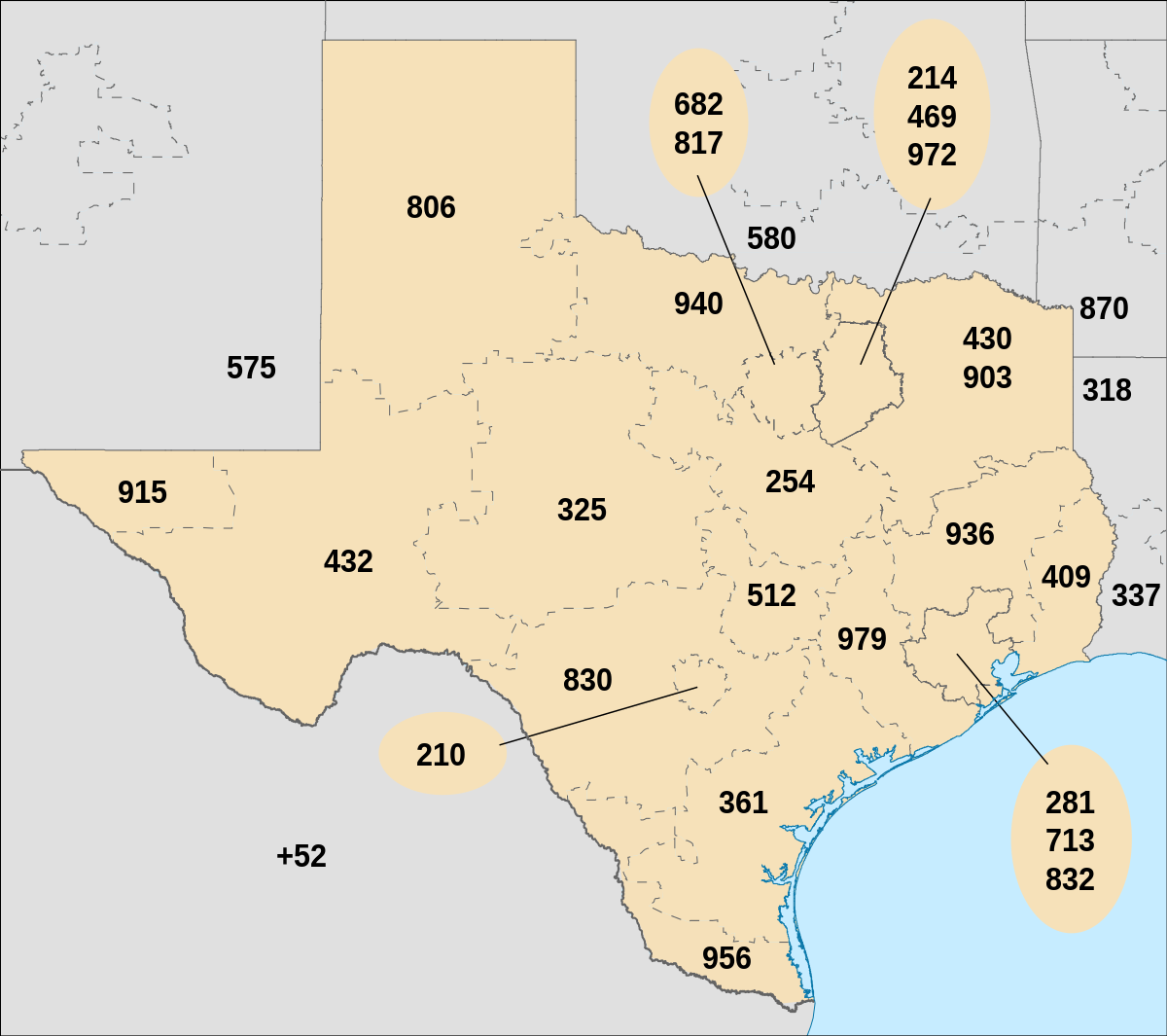
Texas is the second-largest state in the United States, both in terms of land area and population. This sheer scale necessitates a complex system of area codes to support its extensive telecommunication infrastructure. As of late 2023, Texas is served by over 20 active area codes, a testament to its explosive growth and the constant demand for new phone numbers. These codes are not randomly assigned; they typically correspond to specific geographical regions, often radiating outwards from major metropolitan centers.
For a traveler, understanding these codes can streamline planning and enhance the travel experience. Imagine you’re researching a charming boutique hotel. If its phone number begins with 512, you immediately know it’s located in or around Austin, the vibrant state capital. Similarly, a 214 or 972 prefix points you towards the dynamic Dallas-Fort Worth Metroplex. This knowledge can be invaluable for identifying local businesses, confirming reservations, or even just making emergency contacts within the correct region. Moreover, with the widespread implementation of 10-digit dialing even for local calls within Texas, familiarity with these codes is essential for seamless communication.
The evolution of Texas area codes also tells a story of urban development and population shifts. Original codes like 214, 713, 512, and 915 were among the first, covering vast swaths of the state. As cities grew and demand for new numbers surged, these large areas were split, and new “overlay” codes were introduced, sharing the same geographical region as older codes. This is why you’ll often find multiple area codes serving a single metropolitan area, such as Dallas being covered by 214, 469, 972, and the newer 945. This system ensures that the rapidly expanding population and burgeoning business sectors across Texas have ample access to phone numbers, vital for both daily life and the thriving tourism industry.
Navigating Texas by Area Code: Key Regions and Their Attractions
Breaking down Texas by its area codes provides a practical framework for exploring its diverse regions. Each cluster of codes often corresponds to a distinct cultural and geographical zone, rich with specific attractions, unique culinary scenes, and a range of accommodation options from budget-friendly motels to opulent resorts.
North Texas: The DFW Metroplex and Beyond
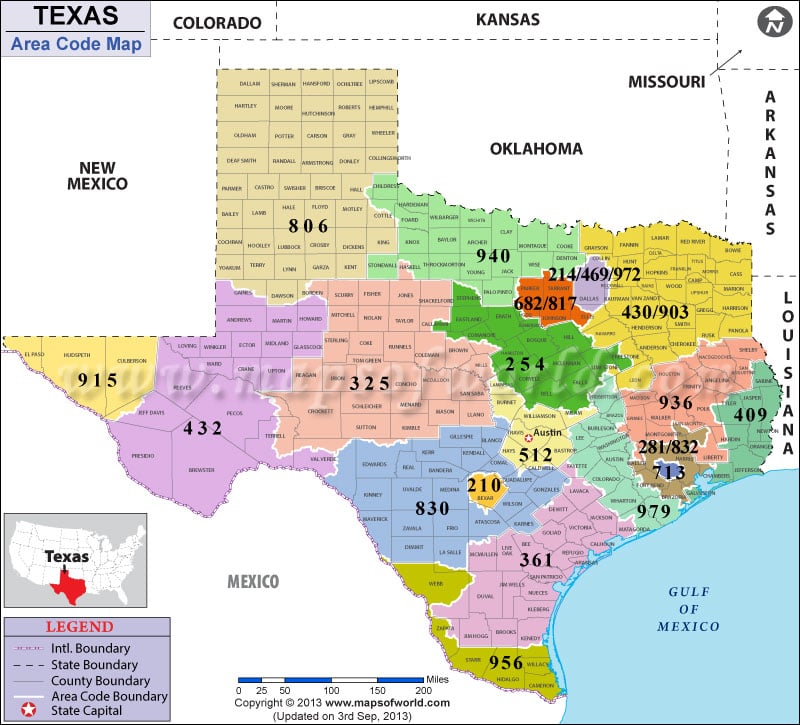
Serving the sprawling Dallas-Fort Worth Metroplex and surrounding communities, this region is a powerhouse of commerce, culture, and entertainment. The primary area codes here include 214, 469, 972, and the more recently introduced 945, which primarily overlay Dallas and its immediate suburbs. For Fort Worth and its western environs, the codes are predominantly 817 and 682.
Dallas boasts world-class museums, a vibrant arts district, and luxurious shopping. Visitors can explore the solemn history at the Sixth Floor Museum at Dealey Plaza, marvel at aquatic life at the Dallas World Aquarium, or indulge in gourmet dining in neighborhoods like Deep Ellum. Accommodation ranges from sleek downtown high-rises to charming boutique hotels, catering to both business and leisure travelers.
Fort Worth, on the other hand, offers a quintessential Western experience with a sophisticated twist. The Fort Worth Stockyards National Historic District is a must-visit, offering daily cattle drives, rodeos, and a peek into cowboy heritage. The city’s Cultural District is home to architectural masterpieces like the Kimbell Art Museum. Nearby, the lakeside resorts around Grapevine Lake provide a tranquil escape, perfect for family trips or a relaxing long-term stay. This region is a melting pot of experiences, making it an ideal destination for diverse travel styles.
Central Texas: The Heart of the Lone Star State
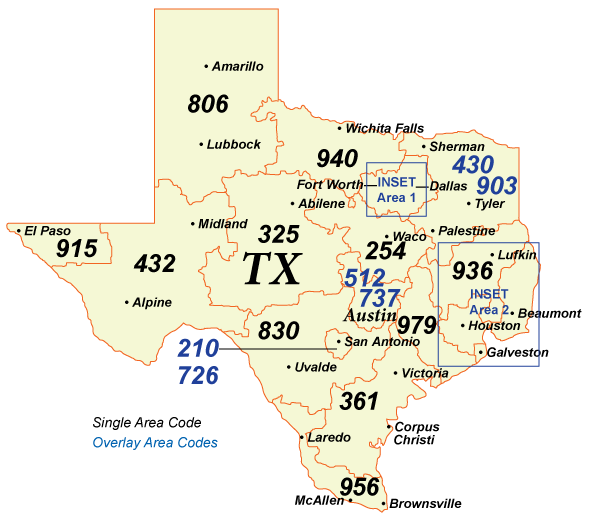
Central Texas, primarily covered by area codes 512 and 737 (an overlay for 512), is the vibrant political and cultural core of Texas. Austin, the state capital, is famous for its “Keep Austin Weird” motto, live music scene, and innovative culinary landscape.
Attractions in Austin include the impressive Texas State Capitol, the expansive Zilker Park with its refreshing Barton Springs Pool, and the legendary Sixth Street for nightlife. The city is a hub for festivals, tech conferences, and outdoor activities, offering a youthful and energetic vibe. Accommodation options range from luxury hotels downtown to unique Airbnb stays in charming neighborhoods. South of Austin, cities like San Marcos provide opportunities for river activities on the clear San Marcos River, perfect for a refreshing getaway. This region embodies a laid-back yet dynamic lifestyle, attracting those seeking both adventure and relaxation.
South Texas and the Gulf Coast: History and Beaches
This region, defined by area codes such as 210 for San Antonio and surrounding areas, 361 for the Coastal Bend including Corpus Christi, and 956 for the Rio Grande Valley down to Brownsville and South Padre Island, is rich in history, Mexican-American culture, and beautiful coastal landscapes.
San Antonio is a city steeped in history, most famously home to The Alamo, a pivotal site in Texas independence. Its iconic Riverwalk is a charming network of walkways lined with shops, restaurants, and hotels, offering a truly unique urban experience. The city’s Spanish colonial missions, now a UNESCO World Heritage Site, provide a deep dive into its rich past. Luxury hotels and historic inns abound here, offering a romantic and culturally immersive stay.
Further south and east, Corpus Christi on the Gulf Coast is a paradise for beach lovers and marine enthusiasts. Attractions include the USS Lexington Museum on the Bay and the pristine stretches of Padre Island National Seashore. The nearby South Padre Island is famous for its vibrant spring break scene and year-round family-friendly beaches and water sports. Accommodation here ranges from resort hotels to vacation rentals, perfect for extended beach vacations. The Rio Grande Valley offers a blend of border culture, birdwatching, and delicious Tex-Mex cuisine.
East Texas: Piney Woods and Houston’s Energy
East Texas, encompassing the dense Piney Woods and the bustling metropolis of Houston, is covered by a mix of area codes. Houston itself is served by 713, 281, 832, and the newer 346 and 743 overlays. Other parts of East Texas, including cities like Galveston and Nacogdoches, fall under codes like 409 and 936.
Houston is a global hub for the energy industry and space exploration. Visitors can delve into the wonders of space at Space Center Houston, explore a wealth of cultural institutions in the renowned Museum District, or enjoy its diverse culinary scene. The city offers an incredible array of hotels, from luxury high-rise suites to budget-friendly options, catering to business travelers and families alike.
Just a short drive away, the historic island city of Galveston offers a refreshing coastal escape with Victorian architecture, sandy beaches, and attractions like the Galveston Island Historic Pleasure Pier. Further inland, the Piney Woods region, including the Big Thicket National Preserve, provides ample opportunities for hiking, fishing, and experiencing Texas’s natural beauty. This area is perfect for those seeking a blend of urban sophistication and natural retreats.
West Texas and The Panhandle: Deserts and Cowboys
The expansive and rugged landscapes of West Texas and the Texas Panhandle are covered by area codes such as 915 for El Paso, 432 for the Permian Basin cities of Midland and Odessa, 806 for Lubbock and Amarillo, and 325 for Abilene and San Angelo. This region is defined by its vast open spaces, dramatic desert landscapes, and rich cowboy heritage.
El Paso, nestled on the border with Mexico and New Mexico, offers a unique blend of cultures and stunning mountain scenery. It’s a gateway to outdoor adventures and historical sites. The region is home to some of the nation’s most spectacular national parks, including Big Bend National Park and Guadalupe Mountains National Park, offering unparalleled hiking, stargazing, and wildlife viewing opportunities. These destinations cater to nature enthusiasts and those seeking an authentic outdoor experience.
Further north in the Panhandle, Amarillo serves as a key stop on Route 66, home to quirky attractions like Cadillac Ranch. Nearby, Palo Duro Canyon State Park, the “Grand Canyon of Texas,” offers breathtaking vistas and outdoor recreation. Cities like Lubbock, with its vibrant music scene and rich agricultural heritage, also attract visitors. Accommodation here ranges from comfortable chain hotels along major highways to rustic cabins and unique glamping experiences near the parks. This region offers a rugged, authentic Texas experience, perfect for adventurers and those who appreciate the beauty of the untamed West.
Practical Tips for Travelers: Using Area Codes in Your Texas Journey
For travelers, understanding Texas area codes is more than just academic; it has practical implications that can smooth out your journey.
Firstly, always remember that 10-digit dialing is mandatory across the entire state of Texas. Even if you’re making a local call from a Dallas hotel to a Dallas restaurant, you must dial the area code followed by the seven-digit number. This is a crucial detail to prevent connection issues.
When booking accommodation or making reservations for attractions, paying attention to the area code in the contact number can confirm the exact geographical region. This is particularly helpful when a city name might be shared by multiple smaller towns in different parts of the state. For instance, if you’re looking for a specific resort or hotel, noting whether its number starts with a 361 (coastal) or a 915 (western) can quickly orient you.
For international travelers, remember to prepend the United States country code (+1) before dialing any Texas area code and number. This ensures seamless international communication. Furthermore, if you plan a longer stay or are considering working remotely from Texas, acquiring a local SIM card with a phone number that corresponds to the region you’re staying in can sometimes make local interactions (like setting up utilities or receiving deliveries) a bit smoother, though it’s not strictly necessary.
Finally, in an emergency, dialing 911 will connect you to emergency services regardless of the area code you’re calling from. However, when reporting an incident or describing your location, being able to reference the area code of the place you are visiting or calling about can sometimes aid dispatchers in pinpointing your exact regional context, especially in vast, rural areas.
Beyond the Codes: Planning Your Ultimate Texas Experience
While area codes provide a foundational understanding of Texas’s geography, the real magic lies in using this knowledge to plan an unforgettable experience. The state offers a lifestyle for every preference and a budget for every wallet.
For those seeking luxury travel, the high-end hotels and resorts in Dallas, Houston, and Austin (found within the 214, 972, 713, 281, 512 zones) provide unparalleled service, gourmet dining, and spa amenities. Business stays are particularly well-catered for in these cities, with state-of-the-art conference facilities and convenient access to corporate headquarters.
Budget travel is equally feasible. Consider exploring the charming smaller towns in East Texas (e.g., 409, 936) or the historic areas of West Texas (e.g., 806, 325), where local motels, guesthouses, and independent eateries offer authentic experiences without breaking the bank. Family trips can be curated around specific interests, whether it’s the theme parks and museums of North Texas (817, 682), the beaches of the Gulf Coast (361), or the national parks of West Texas (432).
When considering accommodation, whether it’s booking a short-term stay or evaluating options for a long-term relocation, the area code can serve as an initial geographical filter. Reviews and comparisons of various accommodations often reveal insights into the local culture and typical activities associated with that region. For instance, properties in the 512 area might highlight music venues and food trucks, while those in the 210 area might emphasize proximity to the Riverwalk and historic missions.
Ultimately, navigating the area codes of Texas is about more than just making a phone call; it’s about unlocking the diverse experiences that each corner of this magnificent state has to offer. From the vibrant urban centers to the serene natural landmarks, understanding these geographical markers allows for a more informed, efficient, and enriching journey through the heart of Texas. So, whether you’re planning a weekend getaway or a comprehensive exploration, let the area codes be your first guide to the wonders that await in the Lone Star State.
LifeOutOfTheBox is a participant in the Amazon Services LLC Associates Program, an affiliate advertising program designed to provide a means for sites to earn advertising fees by advertising and linking to Amazon.com. Amazon, the Amazon logo, AmazonSupply, and the AmazonSupply logo are trademarks of Amazon.com, Inc. or its affiliates. As an Amazon Associate we earn affiliate commissions from qualifying purchases.