
The economic landscape of the United States is vast and varied, but few states command as much attention for their sheer economic might and robust growth as Texas. Often dubbed the “Lone Star State,” Texas is more than just an expansive territory; it’s an economic titan, a global player whose Gross Domestic Product (GDP) is not only significant within the US but also on the international stage. For travelers, investors, and anyone interested in the confluence of economy and lifestyle, understanding the GDP of Texas provides critical insights into the state’s remarkable development, its diverse attractions, and the compelling experiences it offers.
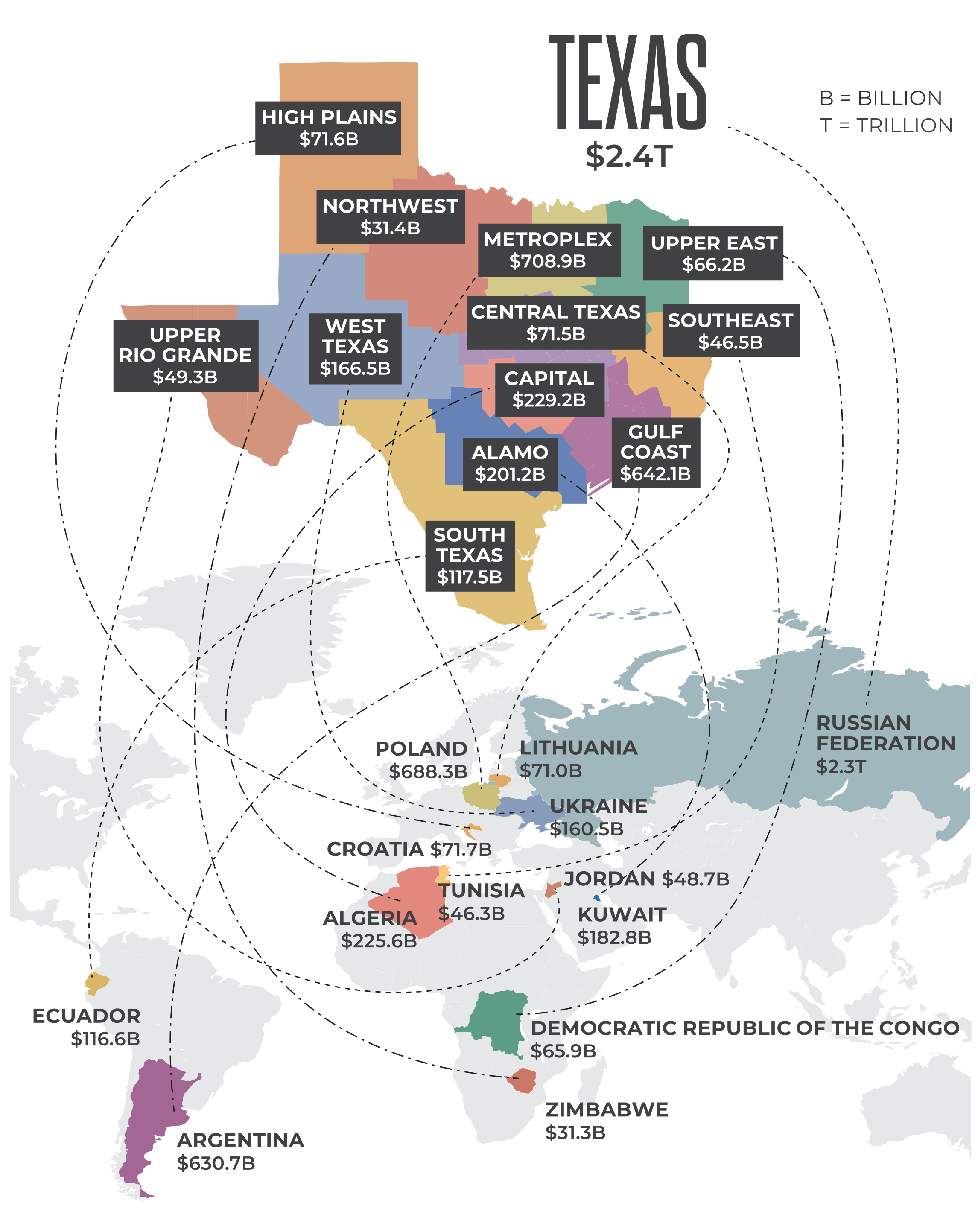
GDP, in essence, represents the total monetary value of all finished goods and services produced within a country or, in this case, a state’s borders in a specific time period. It serves as a comprehensive scorecard of economic health. For Texas, this score is consistently impressive, reflecting a dynamic economy that has not only diversified beyond its traditional energy roots but has also cultivated flourishing sectors in technology, manufacturing, healthcare, and perhaps most importantly for visitors and residents alike, a thriving travel and tourism industry. The state’s substantial GDP is not merely a number for economists; it’s the bedrock that supports everything from the bustling metropolitan areas and their world-class hotels to the meticulously preserved landmarks and the burgeoning culinary scene that define the Texan lifestyle.
The Economic Powerhouse of Texas: A Glimpse into its GDP
Texas consistently ranks among the top states in the United States by GDP, often vying with California for the top spot. As of recent data, Texas’s GDP stands at a colossal figure, positioning it as one of the largest economies in the world, comparable to entire sovereign nations such as Canada or Russia. This phenomenal economic output is not concentrated in a single sector but rather stems from a robust and increasingly diversified industrial base.
Historically, Texas has been synonymous with oil and gas, and while the energy sector remains a crucial contributor, its dominance has been gracefully complemented by rapid growth in other areas. Major metropolitan hubs like Houston, Dallas, Fort Worth, and Austin serve as epicenters for diverse economic activities. Houston continues to be the energy capital, home to countless energy companies and the world-renowned Texas Medical Center, a global leader in healthcare and research. Dallas and Fort Worth form the bustling Dallas-Fort Worth Metroplex, a financial and logistical hub with a booming corporate sector, significant manufacturing presence, and a rapidly expanding technology industry. Austin, often referred to as “Silicon Hills,” has emerged as a high-tech powerhouse, attracting major tech companies and startups alike, fostering an innovative and vibrant culture. Even San Antonio, with its rich history and strong military presence, plays a significant role, particularly in tourism and cybersecurity. This broad economic base ensures resilience and provides a stable foundation for investment in infrastructure and services, directly impacting the quality of travel and accommodation experiences available across the state.
How Texas’s GDP Fuels Its Vibrant Travel and Tourism Industry
The substantial GDP of Texas isn’t just an abstract economic indicator; it’s a tangible force that directly underpins the state’s flourishing travel and tourism industry. A robust economy generates the wealth necessary for investment in crucial infrastructure, fosters a high quality of life for residents, and creates diverse attractions and experiences that entice visitors from around the globe.
Infrastructure and Accessibility
A strong economic foundation allows Texas to boast some of the finest transportation infrastructure in the United States. This includes world-class international airports such as DFW International Airport in the Dallas-Fort Worth Metroplex and George Bush Intercontinental Airport in Houston, both serving as major hubs connecting Texas to every corner of the globe. These airports, along with numerous regional airports, facilitate easy access for both business travelers and leisure tourists. Furthermore, the state’s extensive network of well-maintained highways, interstates, and evolving public transportation systems ensure seamless movement between its vast cities and sprawling natural landscapes. This accessibility is vital for tourism, allowing visitors to explore the diverse destinations that Texas has to offer, from the urban vibrancy of its major cities to the serene beauty of its national parks.
World-Class Hotels and Accommodation
The booming economy, driven by the substantial GDP, directly fuels the proliferation of high-quality accommodation options across Texas. From luxurious resorts and sophisticated city hotels to charming boutique inns and practical extended-stay apartments, the choice for travelers is immense. In cities like Dallas, one can find opulent choices such as The Ritz-Carlton, Dallas, offering unparalleled service and amenities for those seeking luxury travel. Houston boasts elegant suites in hotels catering to its large corporate and medical convention market. Meanwhile, Austin provides a plethora of trendy design hotels and boutique stays that reflect its unique, independent spirit.
For those looking for a different kind of retreat, Texas’s Hill Country offers stunning resorts like the Hyatt Regency Hill Country Resort and Spa in San Antonio, providing a blend of relaxation and recreation. The economic strength ensures continuous investment in new properties and the renovation of existing ones, meaning visitors can always find fresh, modern choices. This robust market also encourages competitive booking options, with platforms offering comprehensive reviews and comparison tools to help travelers find their perfect stay, whether it’s a long-term stay in a furnished villa or a short visit to a budget-friendly option.
Diverse Attractions and Experiences
The economic vibrancy powered by Texas’s GDP directly translates into the maintenance, preservation, and creation of an astonishing array of attractions and cultural experiences. These range from historical landmarks to cutting-edge museums, and from sprawling natural parks to world-class entertainment venues.

Iconic landmarks like The Alamo and the enchanting San Antonio River Walk are meticulously preserved and enhanced, drawing millions of visitors annually. Houston proudly hosts the Space Center Houston, a hub of innovation and a thrilling destination for science enthusiasts. In Dallas, the Sixth Floor Museum at Dealey Plaza offers a poignant historical journey. Beyond these historical and scientific marvels, the state’s economic success supports a vibrant arts and culture scene, with numerous theaters, galleries, and live music venues, particularly in Austin, the “Live Music Capital of the World.”
For those who crave the outdoors, Texas offers an incredible diversity of nature and adventure. From the rugged peaks of Big Bend National Park and Guadalupe Mountains National Park in West Texas to the sandy shores of the Gulf Coast, the state provides ample opportunities for hiking, biking, swimming, and wildlife viewing. The economic prosperity also means a rich culinary landscape. Texan BBQ is legendary, but the cities also offer an astonishing array of food experiences, from authentic Tex-Mex to upscale international dining, making food tourism a significant draw.
The Lifestyle Dividend: Texas’s Economic Impact on Residents and Visitors
The impressive GDP of Texas translates into a high quality of life for its residents and an unparalleled array of lifestyle choices for visitors. This economic strength fosters an environment where both luxury travel and budget travel can thrive, where family trips are well-catered for, and where business stays are productive and comfortable.
Luxury and Budget Travel
Texas’s affluence, a direct result of its strong GDP, supports a robust market for luxury travel. High-end shopping districts like Highland Park Village in Dallas or River Oaks District in Houston cater to discerning tastes. Fine dining restaurants, often helmed by celebrity chefs, offer exquisite culinary experiences. Exclusive resorts and spas provide opulent retreats. However, the diverse economy also ensures that Texas remains incredibly accessible for budget travelers. A vast service industry, fueled by a competitive job market, ensures affordable options for accommodation, food, and activities. From affordable state parks and free museums to a plethora of delicious and inexpensive food trucks, Texas offers quality experiences without breaking the bank, demonstrating the breadth of its economic impact on various segments of the tourism market.
Business and Family Travel
The colossal GDP of Texas makes it a magnet for business travelers. Major convention centers in Houston, Dallas, and San Antonio host countless conferences, trade shows, and corporate events annually, driving significant demand for hotels, executive accommodation, and high-quality services. The presence of numerous Fortune 500 companies across the state ensures a constant flow of professionals.
Simultaneously, the economic prosperity also supports a thriving ecosystem for family trips. Texas is home to world-class theme parks like Six Flags Over Texas and SeaWorld San Antonio, interactive museums designed for children, and expansive outdoor recreation areas. The availability of diverse family-friendly resorts and hotels with amenities like pools, kids’ clubs, and spacious suites makes planning a Texas family vacation straightforward and enjoyable. The state’s economic stability translates into reliable infrastructure and a secure environment, providing peace of mind for families exploring its many wonders.
Culinary and Cultural Tourism
The economic might of Texas directly translates into a vibrant and diverse culinary scene and rich cultural tourism. Beyond the legendary Texan BBQ and spicy Tex-Mex, cities across Texas have become veritable melting pots of international cuisines, driven by a diverse population and a strong economy that supports a thriving restaurant industry. From upscale steakhouses in Fort Worth to innovative fusion restaurants in Austin and a vast array of global eateries in Houston, there is something to satisfy every palate. This culinary diversity is a significant draw for foodies and contributes substantially to the state’s overall tourism appeal.
Similarly, a strong economy provides the funding and patronage necessary for a thriving cultural landscape. Texas hosts numerous music festivals (like SXSW in Austin), art exhibitions, rodeos, and historical reenactments throughout the year. The state’s museums, often funded by philanthropic contributions from its affluent residents and corporations, house impressive collections spanning art, natural history, and science. These cultural activities offer deep insights into the local culture, traditions, and evolving identity of Texas, making it a rich destination for those seeking authentic experiences and deeper understanding.
The Future of Texas’s GDP and its Tourism Horizon
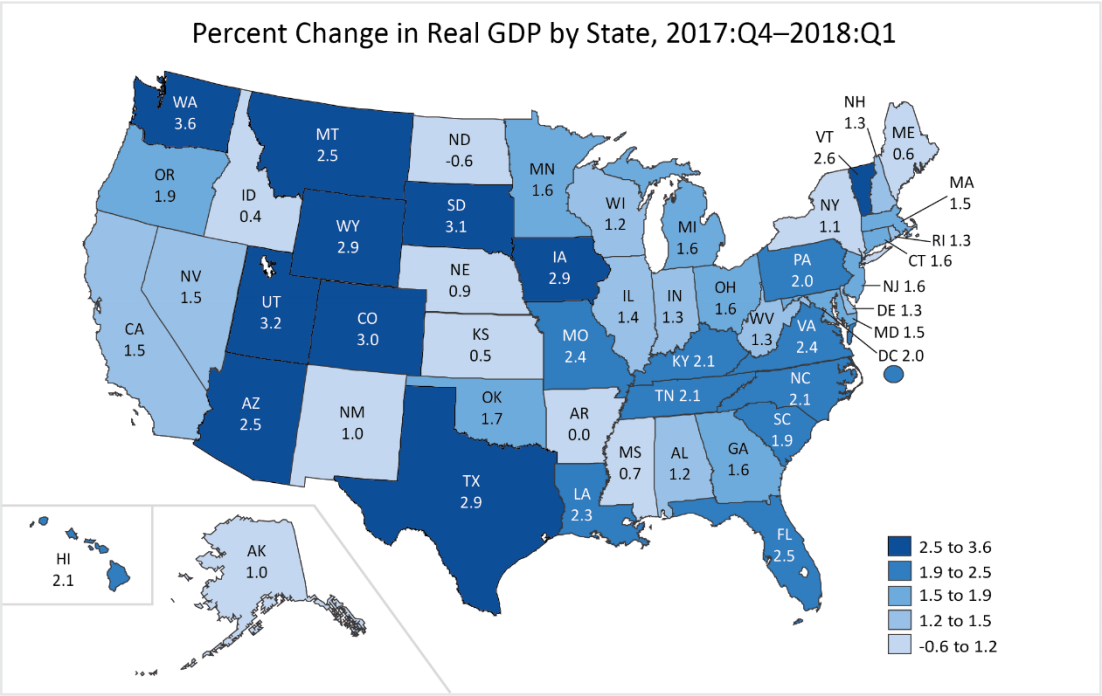
The trajectory of Texas’s GDP points towards continued robust growth, fueled by ongoing diversification, a business-friendly environment, and a rapidly expanding population. The state’s ability to attract major corporations, foster innovation, and invest in its human capital suggests that its economic engine will remain powerful for the foreseeable future. This sustained economic strength will undoubtedly have a profound and positive impact on its travel and tourism horizon.
Future investments are expected in sustainable tourism initiatives, enhancing environmental conservation efforts in its natural parks and coastal areas, and developing new eco-friendly resorts and attractions. Technological advancements, driven by the state’s growing tech sector, may also lead to innovative travel experiences, from smart hotels to virtual reality tourism guides. Furthermore, the commitment to improving urban infrastructure will continue to make Texas’s cities even more appealing as destinations for conventions, business stays, and leisure travel. As the state continues to grow, its appeal as a comprehensive destination will only intensify, offering a dynamic blend of economic opportunity and unforgettable travel experiences.
In conclusion, the immense GDP of Texas is far more than just an economic statistic; it is the vibrant lifeblood that nourishes a diverse and thriving state, profoundly shaping its appeal as a global destination. This economic prowess translates into world-class infrastructure, an impressive array of hotels and accommodation for every preference, and an abundance of attractions and experiences that cater to every type of traveler. Whether one is drawn by the allure of luxury travel, the practicality of budget travel, the excitement of family trips, or the demands of business stays, Texas offers an unparalleled tapestry of lifestyle opportunities. Its formidable GDP ensures that Texas remains a dynamic and endlessly fascinating place to explore, promising a rich blend of local culture, delicious food, engaging activities, and memorable experiences for all who venture into its expansive embrace.
LifeOutOfTheBox is a participant in the Amazon Services LLC Associates Program, an affiliate advertising program designed to provide a means for sites to earn advertising fees by advertising and linking to Amazon.com. Amazon, the Amazon logo, AmazonSupply, and the AmazonSupply logo are trademarks of Amazon.com, Inc. or its affiliates. As an Amazon Associate we earn affiliate commissions from qualifying purchases.