
For adventurers, nature lovers, and those simply seeking to stand atop the world, the question “What is the highest point in Texas?” holds a special allure. The answer lies deep within the rugged beauty of West Texas, where the Guadalupe Mountains pierce the sky. Rising majestically to an elevation of 8,751 feet (2,667 meters) above sea level, Guadalupe Peak proudly bears the title of the “Top of Texas”.
This iconic summit isn’t just a geographical marvel; it’s a profound experience, offering unparalleled panoramic views, a challenging yet rewarding hike, and a glimpse into the diverse ecosystems of one of America’s most fascinating national parks. Nestled within the expansive Guadalupe Mountains National Park, Guadalupe Peak beckons travelers from across the United States and beyond to test their mettle and immerse themselves in the raw, untamed spirit of the Lone Star State. From the moment you begin planning your trip, you’ll discover that a journey to Guadalupe Peak is more than just reaching a high point – it’s an adventure into a unique landscape where desert meets mountain, history echoes through canyons, and breathtaking vistas await at every turn.
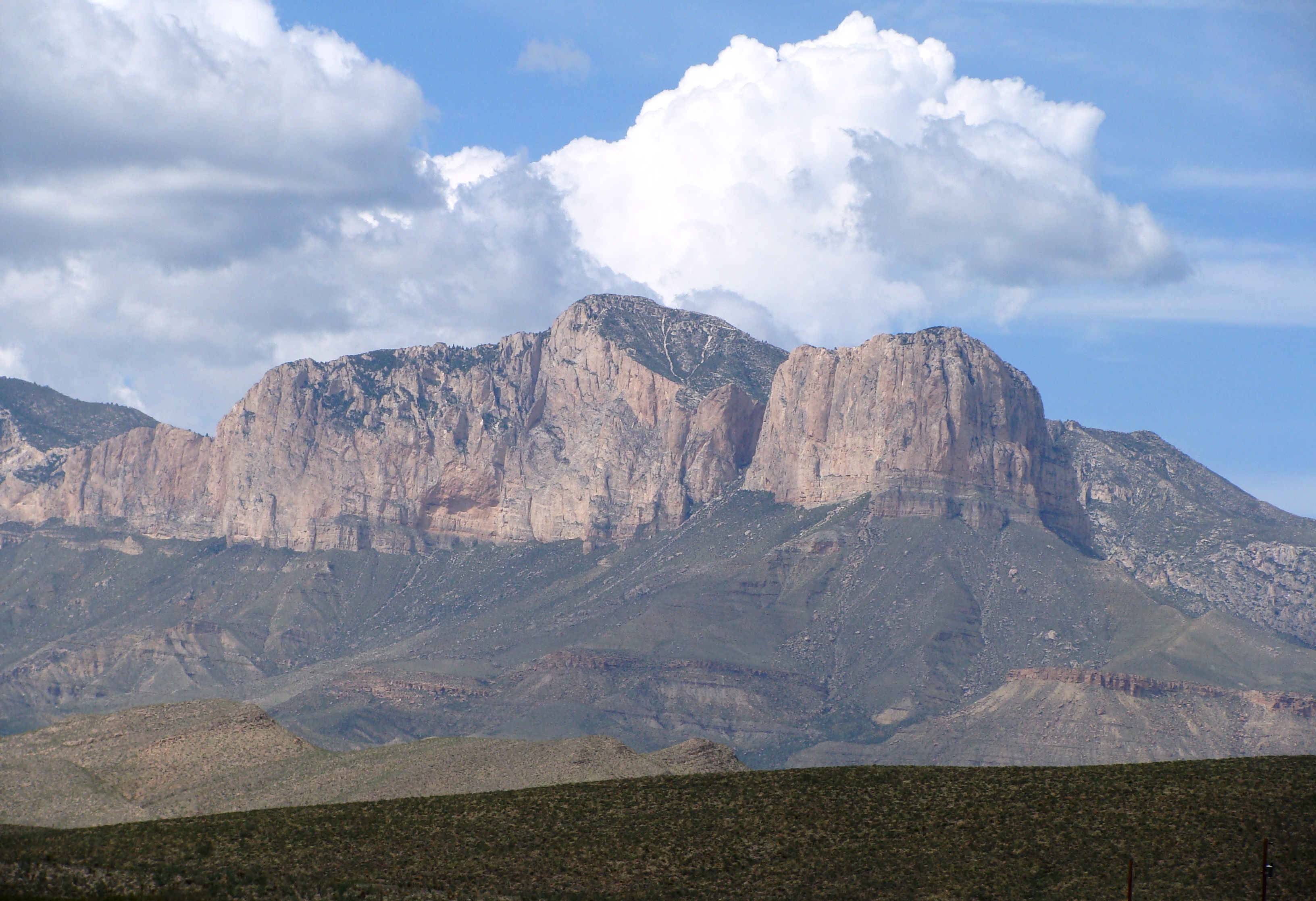
Conquering the Texas Sky: Guadalupe Peak
The journey to Guadalupe Peak is a quintessential outdoor adventure, a physical and mental challenge that rewards intrepid hikers with an unforgettable sense of accomplishment and views that stretch seemingly forever. As the highest point in Texas, the peak represents the pinnacle of natural beauty and an inspiring landmark for anyone exploring the state’s wild western frontier.
The Majestic Guadalupe Peak: An Overview
Guadalupe Peak stands as a testament to the raw geological power that shaped West Texas millions of years ago. It is the highest point within the Guadalupe Mountains range, which itself is part of an ancient fossil reef system dating back to the Permian Basin era. The peak’s imposing presence is often framed by its equally stunning neighbor, El Capitan, a sheer limestone cliff face that has long served as a beacon for early travelers and a dramatic backdrop for countless photographs.
What makes Guadalupe Peak so special isn’t just its elevation, but its striking prominence above the surrounding Chihuahuan Desert landscape. From its summit, one can grasp the vastness of Texas, a perspective rarely afforded. The mountain’s diverse ecosystem, a unique blend of desert flora and high-altitude forest, transitions dramatically as you ascend, offering a microcosm of the park’s overall biodiversity. The sheer scale of the landscape and the isolation of the peak create an atmosphere of profound tranquility and awe, making it a truly exceptional destination for those seeking to connect with nature on a grand scale.
The Hike to the Top: A Rewarding Challenge
The primary route to the summit is the aptly named Guadalupe Peak Trail, a strenuous but well-maintained path originating from the Pine Springs Trailhead within Guadalupe Mountains National Park. This round-trip hike covers approximately 8.4 miles (13.5 km) and involves a substantial elevation gain of nearly 3,000 feet (914 meters). For most hikers, the journey to the “Top of Texas” takes anywhere from 6 to 8 hours to complete, depending on fitness levels, weather conditions, and the amount of time spent soaking in the incredible views.
The Guadalupe Peak Trail is an experience in itself, guiding hikers through a series of switchbacks, rocky terrain, and occasional forested sections. While challenging, the path offers continuous rewards, with vistas expanding dramatically as you climb. You’ll traverse diverse environments, from arid desert scrub to groves of piñon pine and juniper, adapting to the changing microclimates of the mountain. The final push to the summit is particularly exhilarating, often involving navigating rockier sections, but the anticipation builds with every step.
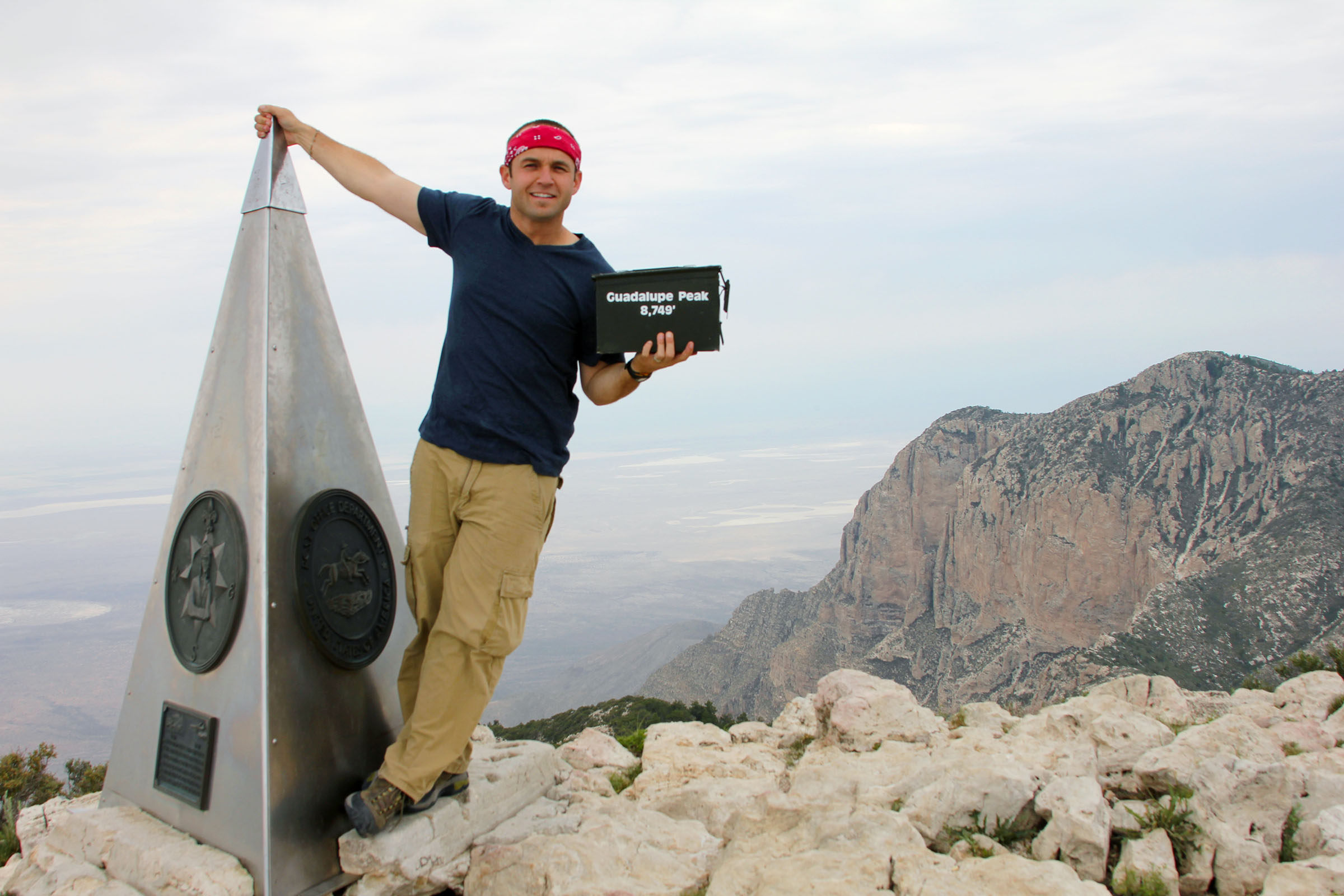
Upon reaching the summit, hikers are greeted by a stainless steel pyramid monument, erected in 1958 by American Airlines to commemorate the 100th anniversary of the Butterfield Overland Mail route, which passed near the base of the mountains. This monument serves as a perfect photo opportunity, marking your achievement. More importantly, the true reward is the breathtaking 360-degree panorama. On a clear day, views extend for over 100 miles (160 km) in every direction, encompassing vast expanses of the Chihuahuan Desert, the endless sky of Texas, and the distant peaks of New Mexico. The sense of accomplishment, coupled with the sheer beauty of the landscape, makes the strenuous climb entirely worthwhile and an essential item for any outdoor enthusiast’s bucket list.
Beyond the Peak: Exploring Guadalupe Mountains National Park

While Guadalupe Peak is undoubtedly the star attraction, the broader Guadalupe Mountains National Park offers a wealth of natural wonders and activities that warrant a multi-day visit. This protected wilderness area is a treasure trove of unique ecosystems, historical significance, and awe-inspiring landscapes, making it a prime destination for tourism and exploration.
A World of Natural Wonders
Guadalupe Mountains National Park is a biodiversity hotspot, where three major desert ecosystems – the Chihuahuan, Sonoran, and Great Basin – converge with a sky island mountain forest. This unique blend creates an incredible variety of flora and fauna. Hikers can discover not only desert plants like agave and cacti but also surprisingly lush canyons filled with bigtooth maples, aspens, and ponderosa pines, especially evident in areas like McKittrick Canyon. In the fall, McKittrick Canyon transforms into a vibrant display of autumn colors, a rare and spectacular sight in Texas.
Beyond Guadalupe Peak, the park boasts numerous other trails catering to various skill levels. The Devil’s Hall Trail is a popular moderate hike known for its unique geological formations, including “The Hiker’s Staircase,” leading through a narrow canyon. For those seeking shorter, interpretive walks, trails near the Pine Springs Visitor Center offer insights into the park’s history and natural features.
The park’s geological significance is profound, preserving one of the best examples of an ancient fossil reef on Earth. The sheer cliffs of El Capitan and the exposed rock layers tell a story of a prehistoric sea, making it a living museum for paleontology enthusiasts. Wildlife abounds, with opportunities to spot mule deer, elk, and a variety of bird species. Though elusive, black bears and mountain lions also call the park home. Furthermore, the remote location and minimal light pollution make Guadalupe Mountains National Park an exceptional destination for stargazing, offering some of the darkest night skies in the continental United States.
Planning Your Visit: Essential Tips for Travelers
To make the most of your adventure to Guadalupe Peak and the surrounding national park, careful planning is key.
Best Time to Visit: The most favorable times for hiking are spring (March to May) and fall (September to November). During these seasons, temperatures are generally mild and pleasant. Summers (June to August) can be intensely hot, with temperatures often exceeding 90°F (32°C), making strenuous hikes risky. Winters (December to February) can bring freezing temperatures, snow, and ice, particularly at higher elevations, which can close trails and create hazardous conditions.
Preparation is Paramount: For any hike in the park, especially Guadalupe Peak, preparedness is critical. Hikers should carry at least one gallon (4 liters) of water per person, as there is no water available on most trails. Layered clothing is essential due to rapid temperature changes from day to night and with elevation gain. Sturdy, broken-in hiking boots, sun protection (hat, sunglasses, sunscreen), a map, and a first-aid kit are also vital. Always check the weather forecast and park conditions before heading out.
Park Entry and Regulations: There is an entrance fee to Guadalupe Mountains National Park, which can be paid at the Pine Springs Visitor Center. Backcountry permits are required for overnight camping. Pets are generally not allowed on trails, with the exception of service animals. Respecting park rules, such as staying on marked trails and practicing Leave No Trace principles, ensures the preservation of this pristine environment for future generations.
Camping Options: Within the park, two developed campgrounds offer convenient overnight stays: Pine Springs Campground, located near the visitor center and the Guadalupe Peak Trailhead, and Dog Canyon Campground on the quieter, northern side of the park. Both offer basic amenities but no hookups. Reservations are highly recommended, especially during peak seasons.
Accommodations and Nearby Attractions
While Guadalupe Mountains National Park offers stunning wilderness, it’s deliberately kept free of commercial development like hotels or resorts within its boundaries to preserve its natural state. This means visitors will need to seek accommodation in nearby towns, turning the trip into an opportunity to explore other unique destinations in the region.
Where to Stay: Hotels, Resorts, and Unique Stays
Given the park’s remote location, the closest options for traditional lodging, including hotels and motels, are in surrounding communities.
Van Horn, Texas: Located about an hour’s drive south of the park entrance, Van Horn is often the first choice for travelers coming from El Paso or other points west. Here, you’ll find a selection of budget-friendly motels and a few charming, historic options. A standout is the Hotel El Capitan, a beautifully restored historic hotel that offers a touch of classic West Texas charm and comfort, complete with amenities like a restaurant and bar.
Dell City, Texas: A much smaller, more isolated community even closer to the park’s northern entrance (Dog Canyon), Dell City offers very limited, basic accommodation, usually in the form of small inns or local guesthouses. It’s a good option for those seeking ultimate tranquility and proximity to the Dog Canyon Campground area, but travelers should call ahead to confirm availability.
Carlsbad, New Mexico: Roughly an hour and a half to the northeast, Carlsbad, New Mexico, provides a broader range of lodging choices. As the gateway to Carlsbad Caverns National Park, it has numerous chain hotels like the Holiday Inn Express and Hyatt House, offering more extensive amenities such as swimming pools, fitness centers, and complimentary breakfasts. This town is an excellent base for those planning to combine their Guadalupe Mountains visit with a trip to the famous caverns.
Booking and Comparison: Regardless of your choice, it is highly advisable to book your accommodation in advance, especially during peak hiking seasons (spring and fall). Online booking platforms can help you compare prices and amenities. For longer stays or family trips, consider exploring vacation rentals or apartments in Carlsbad or Van Horn for a more home-like experience. While luxury resorts are not prevalent in this remote region, the unique charm of historic hotels or the convenience of modern chains offer comfortable stays for all types of travelers.
Extending Your Adventure: Beyond the Mountains
A trip to Guadalupe Peak can easily be integrated into a larger West Texas or New Mexico adventure, enriching your travel experience with more diverse attractions.
Carlsbad Caverns National Park: A visit to the majestic underground world of Carlsbad Caverns National Park is an almost mandatory pairing with Guadalupe Mountains National Park. Just a short drive north of Guadalupe Peak, these two parks are often explored together. Descend into vast subterranean chambers adorned with incredible stalactites, stalagmites, and other geological formations. The experience offers a stark and fascinating contrast to the sun-drenched mountain peaks.
El Paso, Texas: Located about two hours west of Guadalupe Mountains National Park, El Paso serves as a major gateway city for many visitors. This vibrant city offers a rich blend of American and Mexican culture, historical sites, diverse culinary experiences, and a wider array of amenities and hotels. It’s a convenient hub for flights and provides a comfortable starting or ending point for your journey.
Big Bend National Park, Texas: For those with more time and a thirst for further exploration of Texas’ remote wilderness, Big Bend National Park is another incredible option, though it requires a longer drive south. Big Bend offers a completely different desert and mountain landscape, with the majestic Chisos Mountains, the winding Rio Grande, and unique flora and fauna. Combining these national parks creates an epic Texas travel itinerary focused on natural beauty and outdoor adventure.
Standing atop Guadalupe Peak is more than just reaching the highest point in Texas; it’s an immersive experience into the heart of a breathtaking wilderness. From the challenging hike to the summit to the exploration of Guadalupe Mountains National Park’s diverse ecosystems and the convenience of nearby towns and attractions, a trip to Guadalupe Peak promises an unforgettable adventure. Whether you’re a seasoned hiker seeking a new conquest or a traveler looking to discover the untamed beauty of West Texas, the “Top of Texas” offers a profound connection to nature and a perspective that few ever witness. Plan your journey, pack your bags, and prepare to be captivated by the majestic Guadalupe Mountains.
LifeOutOfTheBox is a participant in the Amazon Services LLC Associates Program, an affiliate advertising program designed to provide a means for sites to earn advertising fees by advertising and linking to Amazon.com. Amazon, the Amazon logo, AmazonSupply, and the AmazonSupply logo are trademarks of Amazon.com, Inc. or its affiliates. As an Amazon Associate we earn affiliate commissions from qualifying purchases.