
Embarking on a journey through the vast and vibrant landscapes of Texas promises an unforgettable experience, from the bustling metropolises to the serene Hill Country and the beautiful Gulf Coast. As you plan your itinerary, whether it involves exploring historic landmarks, indulging in world-class dining, or enjoying luxurious accommodation at a resort, understanding the financial nuances of your trip is paramount. One often-overlooked yet critical aspect of travel budgeting is sales tax. Unlike some states with no sales tax, Texas has a sales tax that can subtly, yet significantly, impact your overall expenses. For any discerning traveler or lifestyle enthusiast, grasping the intricacies of the Texas sales tax percentage is key to a smooth and surprise-free adventure.
This comprehensive guide aims to demystify the sales tax in the Lone Star State, providing you with the knowledge to budget effectively and make informed decisions during your visit. From the basic statewide rate to the varying local additions, and how it applies to everything from your hotel stay to your souvenir purchases, we’ll cover it all.
Understanding Texas Sales Tax: The Fundamentals for Travelers
The sales tax system in Texas is a fundamental aspect of the state’s revenue generation, directly affecting consumers and businesses alike. For travelers, it’s a charge that applies to most goods and certain services purchased during their stay. While it might seem like a minor detail, these percentages add up, especially when considering the scope of expenses involved in a typical travel experience – from dining out to shopping for local crafts and booking unforgettable experiences.
The Statewide Sales Tax Rate
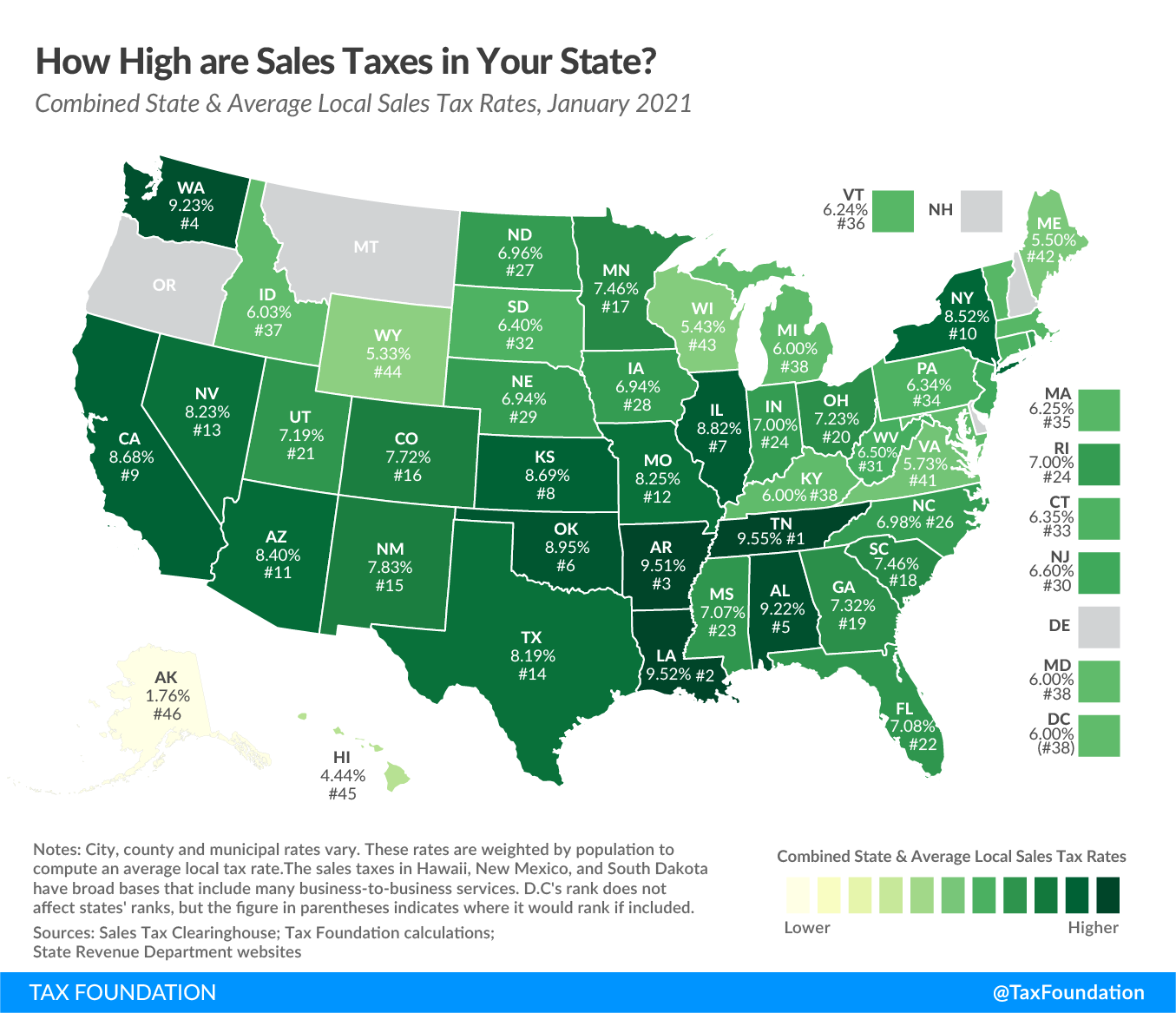
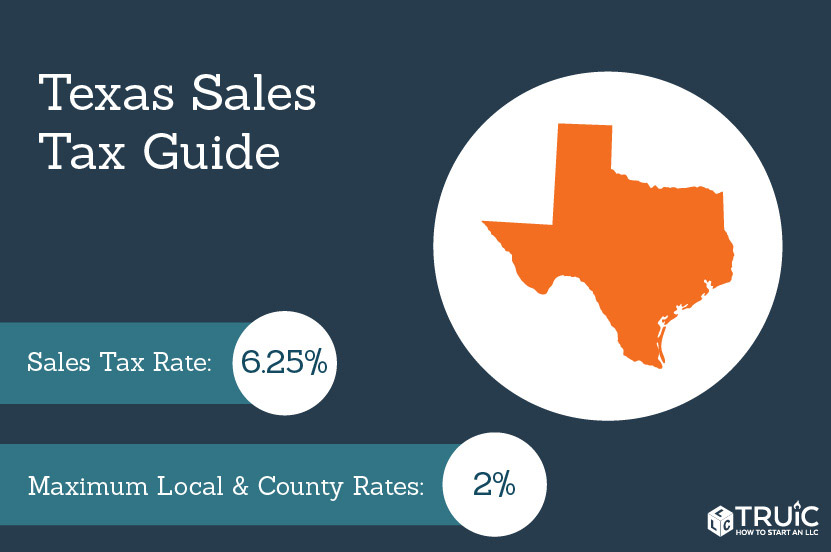
At the heart of the Texas sales tax structure is the statewide rate. This is the base percentage that applies across all jurisdictions within the state, before any local additions are factored in. The current statewide sales tax rate in Texas is 6.25%.
This 6.25% applies to the sale of most tangible personal property, meaning physical goods you can touch and take with you. It also applies to certain services that are specifically enumerated as taxable by Texas law. For instance, if you’re buying a new outfit at a boutique in Dallas or a piece of local art in Austin, this 6.25% is the starting point for the tax you’ll pay. Understanding this baseline is crucial, as it sets the foundation for calculating the total tax burden on your purchases.
Local Sales Tax Additions: A City-by-City Impact
While the 6.25% state rate is constant, what often surprises travelers is the varying total sales tax percentage they encounter. This variance is due to the ability of local jurisdictions – cities, counties, and special purpose districts (like metropolitan transit authorities or economic development corporations) – to impose their own sales taxes on top of the state rate.
These local sales tax rates can add up to an additional 2% to the statewide rate. This means that, in many popular tourist destinations and major cities across Texas, the combined sales tax rate can reach a maximum of 8.25%.
For example, when you dine at a restaurant in Houston, shop for souvenirs in San Antonio, or purchase tickets to an attraction in Fort Worth, you’re most likely paying the combined rate. The actual percentage will depend on the specific city, county, and any special districts that apply to that location. It’s imperative to remember that this local component is not uniform; a purchase made just outside a city limit might have a lower overall sales tax rate than one made within it, even if they are in the same county. This patchwork of local rates underscores the importance of being aware of your location when making significant purchases, ensuring you can accurately anticipate the final cost.
Navigating Sales Tax on Your Texas Journey: Key Categories
As you traverse the diverse landscapes and experiences that Texas offers, the impact of sales tax will manifest in various aspects of your trip. Understanding how it applies to different categories of spending is vital for effective budgeting and enjoying your travels without financial surprises.
Accommodation and Hotel Occupancy Tax
When planning your stay, whether it’s a luxury suite in Dallas, a charming villa in Fredericksburg, or a beachfront resort in Galveston, you’ll encounter a separate but related tax: the hotel occupancy tax (HOT). It’s crucial to distinguish this from the general sales tax.
The Texas Hotel Occupancy Tax is levied on the cost of sleeping rooms in hotels, motels, bed and breakfasts, and similar lodging establishments. The state HOT rate is 6%. However, much like sales tax, local jurisdictions can also impose their own hotel occupancy taxes. Cities often add 7% to 9% (or even more in some cases), and counties can add up to 2%. This means the total hotel occupancy tax rate can range significantly.
For instance, in major tourist hubs like Houston, Dallas, Austin, and San Antonio, you can expect to pay a combined state and local hotel occupancy tax rate that often hovers around 15% to 17% on your room charge. This is a substantial addition to your accommodation costs and should always be factored into your budgeting plans when booking suites, apartments, or villas. Always check the specific rates for your chosen destination before finalizing your booking.
Dining, Shopping, and Entertainment
The sales tax percentage in Texas heavily influences the cost of your daily expenditures, especially when it comes to dining, shopping, and enjoying local attractions.
Dining in Texas
When you enjoy a mouth-watering barbecue plate, a Tex-Mex feast, or a gourmet meal at one of Texas’s renowned restaurants, the combined sales tax rate (state and local) will be applied to your entire food and beverage bill. This includes prepared foods, alcoholic beverages, and any other taxable items purchased from restaurants, cafes, or food trucks. Generally, you can expect to pay the full combined sales tax rate, often 8.25%, on your dining experiences in most urban areas. This is a key consideration for foodies planning to explore the diverse culinary scene of cities like Austin or Houston.
Shopping for Souvenirs and More
From unique western wear to local crafts, designer clothes at The Galleria in Houston, or quirky finds on South Congress Avenue in Austin, shopping is an integral part of many travel lifestyles. The combined sales tax rate applies to most tangible personal property you purchase. This means that whether you’re buying clothing, electronics, books, or any other general merchandise, the applicable sales tax will be added to the price at checkout. High-value purchases, in particular, will see a noticeable increase in their final cost due to sales tax.
Entertainment and Attractions
Your tickets to iconic landmarks and exciting entertainment venues are also subject to sales tax. This includes admission fees to theme parks like Six Flags Over Texas, museums such as the Space Center Houston, historical sites like The Alamo, live music venues, zoos, and other paid attractions. When budgeting for your Texas experiences, always remember to factor in that extra percentage on ticket prices.
Transportation and Services
While the sales tax primarily targets tangible goods, its reach extends to some services and transportation-related expenditures that travelers frequently incur.
Car Rentals
Exploring the vast expanse of Texas often necessitates renting a car. Vehicle rentals are generally subject to the combined state and local sales tax rate, along with additional surcharges and fees that are specific to car rentals. While not strictly sales tax, these extra charges contribute to the overall cost and should be researched in advance when comparing car rental options.
Other Services
Generally, most services in Texas are not subject to sales tax, which can be a relief for some travelers. For example, personal services like haircuts, medical services, and many professional services are typically exempt. However, certain services related to tangible personal property, such as repair or remodeling services for taxable goods, can be subject to sales tax. It’s always best to clarify if a specific service you’re considering is taxable, especially if it’s a significant expense.
Smart Budgeting and Tax Exemptions for Your Texas Trip
Navigating the sales tax landscape in Texas might seem daunting, but with a few smart budgeting strategies and an understanding of key exemptions, you can optimize your travel spending. This ensures that your focus remains on enjoying the rich culture, delicious food, and incredible attractions Texas has to offer.
Understanding Exemptions: What You Won’t Pay Tax On
Not everything you purchase in Texas is subject to sales tax. Knowing these exemptions can provide opportunities for savings, especially for budget-conscious travelers.
Groceries (Unprepared Food)
One of the most significant exemptions for travelers is on unprepared food products, commonly referred to as groceries. Basic groceries purchased at supermarkets, convenience stores, or farmers’ markets for preparation and consumption at home (or your accommodation) are generally exempt from sales tax. This means if you’re staying in an apartment or villa with kitchen amenities and plan to cook some of your meals, you can save on sales tax compared to dining out for every meal. This exemption encourages a more self-sufficient and potentially more economical travel lifestyle.
Prescription Medications
Prescription drugs and many over-the-counter medications that are legally required to be prescribed are also exempt from sales tax. This is a common exemption across most United States states, reflecting a policy choice to not tax essential health items.
Specific Events or Purchases (e.g., Tax-Free Weekends)
Texas occasionally hosts tax-free weekends, most notably for back-to-school supplies, clothing, and footwear below a certain price threshold. While these are typically geared towards residents, travelers who happen to be in the state during these specific periods can take advantage of the savings. Keep an eye on the Texas Comptroller’s website for announcements on such events, as they can be a boon for families traveling with children or those looking to update their wardrobe.
Practical Tips for Managing Your Travel Budget
Beyond understanding exemptions, proactive budgeting can ensure sales tax doesn’t derail your financial plans.
- Always Factor in the Maximum: For most purchases of goods and prepared foods in urban areas, assume the maximum combined sales tax rate of 8.25%. While some rural areas might have a slightly lower rate, budgeting for the higher end provides a buffer and prevents underspending.
- Hotel Tax Awareness: Remember that hotel occupancy tax is separate from sales tax and can significantly increase your accommodation costs. When looking at room rates, always check if taxes are included or if they will be added on top. Many online booking platforms now show an estimated total, but confirming is always wise.
- Compare Prices Carefully: When comparison shopping for items, especially electronics or higher-priced goods, factor in the sales tax. A store offering a slightly lower advertised price might end up being more expensive if it’s in a jurisdiction with a higher local sales tax.
- Utilize Grocery Stores: For breakfast, snacks, and even some lunch options, purchasing groceries can be a cost-effective way to save on both the price of food and the sales tax associated with prepared meals. Many hotels now offer mini-fridges or kitchenettes, making this a viable option.
- Keep Receipts: Reviewing your receipts can help you understand exactly what taxes were applied to your purchases. This is not just for budgeting but also for learning what is taxable and what isn’t for future trips.
By adopting these strategies, you can minimize the impact of sales tax on your travel budget, allowing you to allocate more funds towards unforgettable Texas experiences.
Exploring Iconic Texas Destinations: Tax Rates in Popular Spots
To provide a clearer picture of how sales tax impacts your travel in Texas, let’s look at some of the state’s most beloved cities and regions. While the statewide sales tax is constant, the combined rate—including local additions—can vary. However, many of the major tourist destinations typically hit the maximum combined rate due to their size and various taxing districts.
Major Metros: Dallas, Houston, Austin, San Antonio
These four major cities are economic and cultural powerhouses, drawing millions of visitors annually for their vibrant lifestyles, iconic landmarks, and diverse attractions.
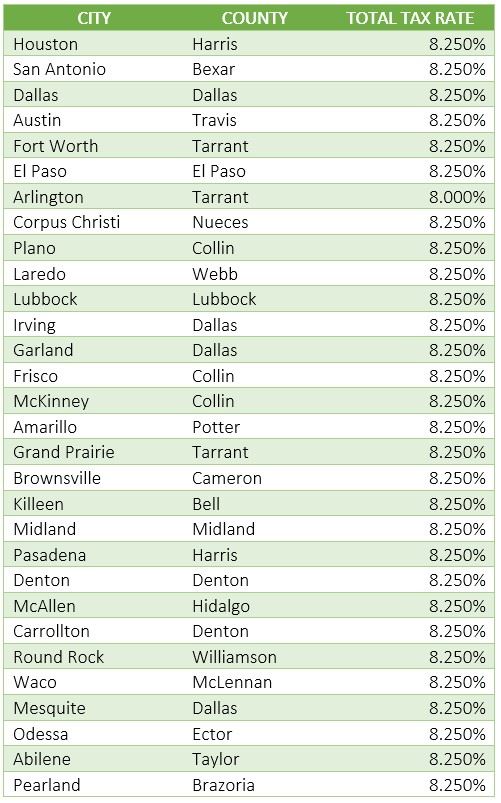
- Dallas: As a hub for business and entertainment, Dallas offers everything from the Dallas World Aquarium and the impressive views from Reunion Tower to upscale shopping and dining. In Dallas, the combined sales tax rate is 8.25%. This rate applies to your purchases at stores, meals at restaurants, and tickets to most attractions.
- Houston: The largest city in Texas, Houston boasts the renowned Museum District, the Houston Zoo, and of course, Space Center Houston. Like Dallas, Houston also has a combined sales tax rate of 8.25%, impacting everything from souvenirs to restaurant bills.
- Austin: The state capital and “Live Music Capital of the World,” Austin offers a unique blend of culture, outdoor activities (like Barton Springs Pool), and historical sites such as the Texas State Capitol. Visitors to Austin will also encounter a combined sales tax rate of 8.25% on most taxable purchases.
- San Antonio: Rich in history and home to the iconic Alamo and the picturesque River Walk, San Antonio is a top tourist destination. Exploring its historic missions, like Mission San Jose, or dining along the river, you will generally pay the combined sales tax rate of 8.25%.
These four cities, being major metropolitan areas, almost uniformly apply the maximum 8.25% combined sales tax rate, making budgeting straightforward for purchases of goods and prepared foods.
Coastal Escapes and Hill Country Retreats
Beyond the major cities, Texas offers diverse regional experiences, each with its own charm and, sometimes, slightly different tax nuances.
- Galveston: This historic island city on the Gulf Coast is known for its beaches, Victorian architecture, and attractions like Moody Gardens and Pleasure Pier. In Galveston, the combined sales tax rate is 8.25%.
- Corpus Christi: Another popular Gulf Coast destination, Corpus Christi offers beautiful beaches and the fascinating USS Lexington Museum. The combined sales tax rate here is typically 8.25%.
- Fredericksburg: Nestled in the heart of the Texas Hill Country, Fredericksburg is famous for its wineries, German heritage, and the National Museum of the Pacific War. While specific county and city rates can vary, Fredericksburg also generally levies a combined sales tax rate of 8.25%.
While the 8.25% rate is prevalent in most tourist-heavy areas, it’s always a good practice to briefly check the specific rate for smaller towns or very rural areas if you plan extensive shopping there. However, for most major destinations and purchases, anticipating the 8.25% rate will keep your budget accurate.
Understanding the sales tax percentage in Texas is more than just a financial detail; it’s an integral part of planning a seamless and enjoyable travel experience. By being aware of the 6.25% statewide rate, the common local additions that bring the total to 8.25% in many areas, and the separate yet significant hotel occupancy tax, you can budget with confidence. Moreover, knowing what items are exempt, like groceries, empowers you to make smarter spending choices.
Whether you’re exploring the bustling streets of Houston, soaking in the history of San Antonio, enjoying the vibrant music scene in Austin, or relaxing on the Galveston coast, a clear understanding of Texas sales tax will ensure your trip remains focused on discovery and delight, rather than unexpected costs. Happy travels in the Lone Star State!
LifeOutOfTheBox is a participant in the Amazon Services LLC Associates Program, an affiliate advertising program designed to provide a means for sites to earn advertising fees by advertising and linking to Amazon.com. Amazon, the Amazon logo, AmazonSupply, and the AmazonSupply logo are trademarks of Amazon.com, Inc. or its affiliates. As an Amazon Associate we earn affiliate commissions from qualifying purchases.