
Texas, the second-largest state in the United States by both area and population, is a vast and diverse land. From its sun-drenched beaches along the Gulf Coast to its rugged western mountains, and from its sprawling metropolitan hubs to its charming small towns, the Lone Star State offers an unparalleled array of travel destinations and experiences. For any traveler planning a trip to Texas, understanding the local time zone is not merely a matter of curiosity; it’s a crucial piece of information that impacts everything from flight schedules and hotel check-ins to event timings and the seamless flow of your carefully crafted itinerary. Given its immense geographical spread, it might come as a surprise to some that Texas doesn’t strictly adhere to a single time zone. While the majority of the state observes one primary time zone, a significant western portion operates under another, presenting a unique consideration for visitors and residents alike.
The Life Out Of The Box philosophy centers on making travel effortless and enjoyable, offering comprehensive guides on destinations, accommodations, and local tourism tips. Understanding Texas’s time zones is fundamental to maximizing your visit, ensuring you arrive on time for that Houston rodeo, catch the perfect sunset in Big Bend National Park, or smoothly transition between your Dallas business meeting and your El Paso leisure getaway. This comprehensive guide will unravel the intricacies of Texas’s time zones, offer practical advice for travelers, and highlight how this geographical detail influences your overall lifestyle and travel planning in this magnificent state.
Understanding Texas’ Dual Time Zones
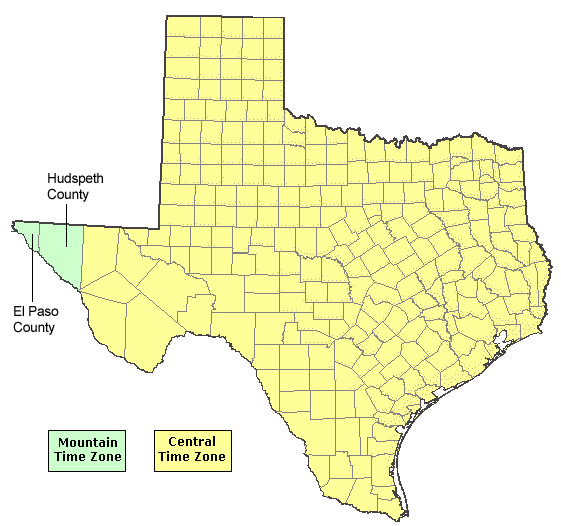
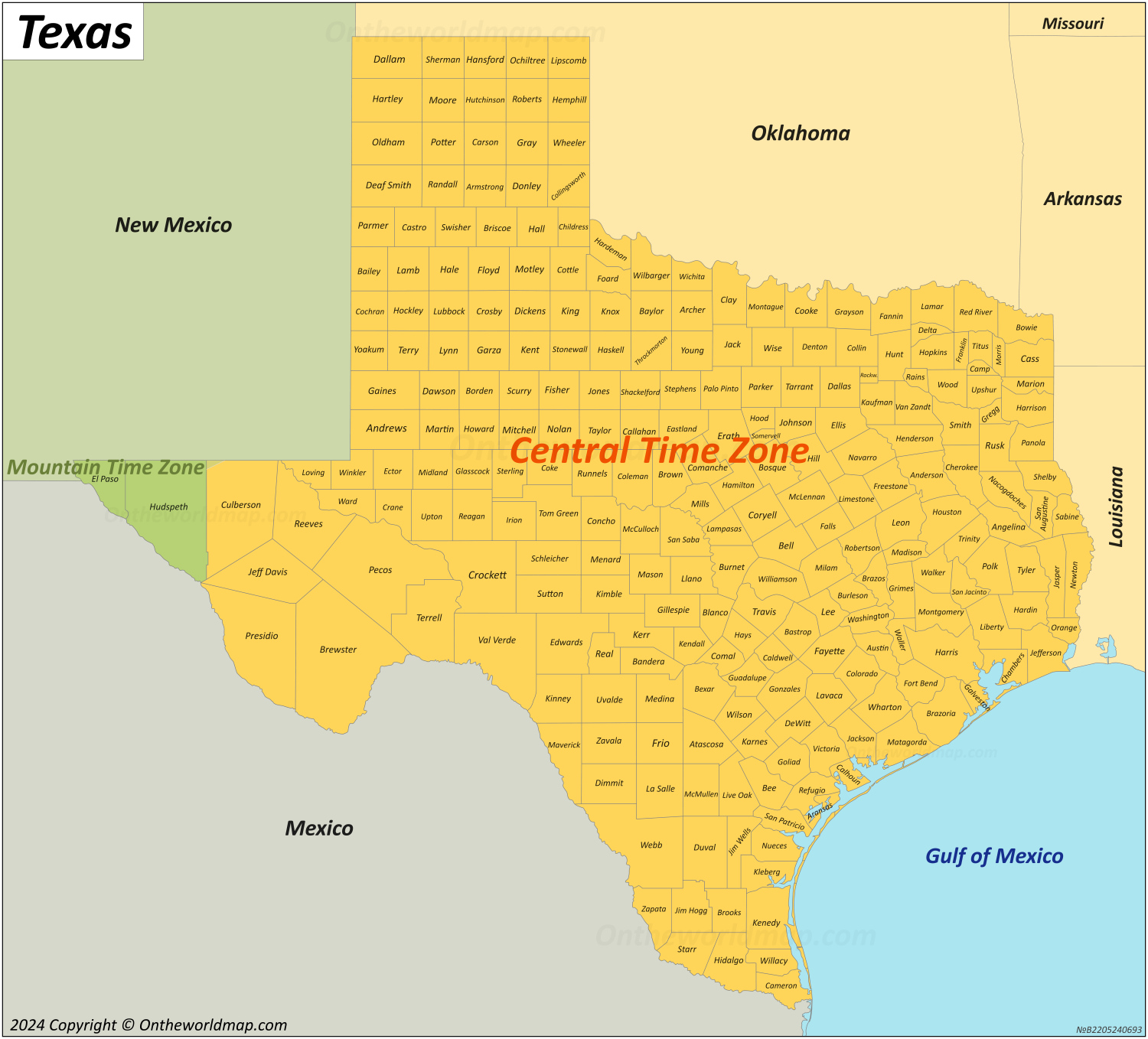
While most visitors associate Texas with a single time zone, the reality is a bit more nuanced. Due to its sheer size, the state spans across two official time zones: the Central Time Zone (CT) and the Mountain Time Zone (MT). The vast majority of Texas falls within the Central Time Zone, making it the primary time reference for most travel and tourism activities across the state. However, a specific western sliver, including a notable major city, observes the Mountain Time Zone, which is one hour behind Central Time.
The Dominant Central Time Zone (CT)
The Central Time Zone (CT) is observed by roughly 90-95% of Texas. This includes all of the state’s major metropolitan areas and popular tourist destinations. When people generally refer to “Texas time,” they are almost certainly referring to Central Time. During standard time, Central Standard Time (CST) is UTC-6, meaning it is six hours behind Coordinated Universal Time. During daylight saving time, it shifts to Central Daylight Time (CDT), which is UTC-5.
Key cities and regions operating on Central Time include:
- Houston: Home to the Space Center Houston and a bustling culinary scene.
- Dallas and Fort Worth: The dynamic Dallas-Fort Worth Metroplex, offering everything from the Dallas Arts District to the historic Fort Worth Stockyards National Historic District.
- Austin: The state capital and “Live Music Capital of the World,” known for its vibrant Sixth Street and beautiful Lady Bird Lake.
- San Antonio: Rich in history with the iconic Alamo and the enchanting Riverwalk.
- Corpus Christi and South Padre Island: Popular coastal destinations for beach lovers and water sports enthusiasts.
- Galveston: A historic island city with Victorian architecture and a lively pier.
If your Texas itinerary focuses on any of these major cities or the vast majority of the state’s geographical area, you can confidently plan your schedule around Central Time.
The Western Edge and Mountain Time (MT)
The exception to the Central Time Zone rule in Texas is a handful of counties in the far western part of the state. This region operates on Mountain Time Zone (MT). During standard time, Mountain Standard Time (MST) is UTC-7. During daylight saving time, it becomes Mountain Daylight Time (MDT), which is UTC-6. This means that at any given moment, the Mountain Time Zone in Texas is one hour behind the Central Time Zone.
The most prominent city observing Mountain Time is El Paso, a vibrant city nestled against the Franklin Mountains right on the border with New Mexico and Mexico. Other counties in this unique western sliver include Hudspeth and parts of Culberson County, which is home to Guadalupe Mountains National Park.
For travelers heading to El Paso or exploring the rugged beauty of West Texas near the New Mexico border, it is absolutely essential to adjust your clocks and schedules to Mountain Time. Failing to do so could lead to missed flights, late hotel check-ins, or confusion regarding scheduled tours and activities.
Navigating Daylight Saving Time in the Lone Star State
Like most of the United States, Texas observes Daylight Saving Time. This means that on the second Sunday in March, clocks “spring forward” one hour, and on the first Sunday in November, they “fall back” one hour. This adjustment applies uniformly across both the Central Time Zone and the Mountain Time Zone within Texas.
During the summer months, the Central Time Zone operates as Central Daylight Time (CDT), which is UTC-5. The Mountain Time Zone operates as Mountain Daylight Time (MDT), which is UTC-6. The one-hour difference between the two zones remains constant throughout the year, regardless of whether it’s standard time or daylight saving time.
For travelers, awareness of Daylight Saving Time is crucial, especially if your trip coincides with the changeover dates. Verify flight times, hotel reservation confirmations, and activity schedules carefully. Modern smartphones and digital devices typically adjust automatically, but it’s always good practice to double-check, particularly when crossing time zone boundaries within the state or arriving from a different time zone.
Planning Your Texas Journey: Time Zones and Travel Logistics
Understanding Texas’s time zones is more than just a trivial detail; it’s an integral part of smart travel planning. For a state as expansive and geographically diverse as Texas, these considerations can profoundly impact your trip’s success, particularly for those venturing from the eastern part of the state to the western frontier or vice versa.
Impact on Flight Schedules and Ground Transportation
When booking flights into or out of Texas, or planning multi-leg journeys within the state, paying close attention to time zones is paramount. Most major airports like Dallas/Fort Worth International Airport (DFW), George Bush Intercontinental Airport (IAH), and Austin-Bergstrom International Airport (AUS) operate on Central Time. However, El Paso International Airport (ELP) operates on Mountain Time.
- Arrivals/Departures: If you’re flying from Houston to El Paso, your flight will typically take around 2.5-3 hours. However, because you’re traveling one time zone westward, your arrival time will appear to be only 1.5-2 hours after your departure. Conversely, flying from El Paso to Houston will add an hour to your perceived travel time, even though the actual flight duration remains the same. Always confirm flight times in the local time of both departure and arrival airports.
- Ground Transportation: For those embarking on extensive road trips across Texas, particularly from central or East Texas towards West Texas, be mindful of the time zone change. Driving from San Antonio to El Paso is a roughly 8-9 hour journey. As you approach El Paso, remember to set your clock back an hour. This will affect your arrival at your chosen accommodation or any pre-booked activities.
Hotel Check-ins, Attractions, and Dining Experiences
Your time zone awareness extends beyond transportation logistics. It’s vital for a smooth and stress-free tourism experience once you’ve arrived at your destination.
- Hotel Check-ins: Most hotels and resorts strictly adhere to local check-in and check-out times. If you’ve booked a boutique hotel in Austin for 3 PM Central Time, but you’re arriving from El Paso, you’ll need to remember that 3 PM CT is 2 PM MT. Conversely, if you’re checking into an El Paso hotel at 3 PM Mountain Time, that’s 4 PM CT. Always confirm these details with your chosen accommodation to avoid early arrival fees or late check-out issues.
- Attractions and Tours: The operating hours of landmarks, museums, theme parks, and guided tours are always listed in local time. Missing your slot for a tour of The Alamo in San Antonio or an evening stargazing session at McDonald Observatory in the Davis Mountains (which is in the Mountain Time Zone) could be disappointing. Double-check all timings against your current local time.
- Dining Experiences: Reservations at popular restaurants in Dallas, Austin, or Houston are almost always in Central Time. If you’re traveling across the state, consider the time change when planning your meals to avoid hunger pangs or missing a coveted reservation.
Exploring Texas’ Diverse Regions Through a Time-Zone Lens
Texas offers an incredible variety of landscapes, cultures, and attractions. Knowing the time zone for each region helps contextualize your travel plans and ensures you make the most of every moment.
Central Time Zone Highlights: Houston, Dallas, Austin, and San Antonio
The Central Time Zone encompasses the vast majority of Texas’s most iconic cities and regions, making it the focal point for most travelers.
- The Gulf Coast and East Texas: From the historic charm of Galveston to the bustling port city of Houston, this region thrives on Central Time. Houston is a hub for space exploration at NASA Johnson Space Center, world-class museums, and diverse culinary offerings.
- North Texas: The Dallas-Fort Worth Metroplex is a powerhouse of culture, business, and entertainment. Whether you’re exploring the upscale shops of Dallas, catching a rodeo at the Fort Worth Stockyards, or attending a major sporting event, all activities run on Central Time.
- Central Texas and the Hill Country: Austin captivates with its live music venues, outdoor activities, and vibrant food truck scene. Nearby, the picturesque Texas Hill Country, with its vineyards, charming towns like Fredericksburg, and natural wonders such as Canyon Lake, offers a serene escape, all under Central Time.
- South Texas: San Antonio is a treasure trove of history, from its Spanish colonial missions to the iconic Riverwalk. Further south, the pristine beaches of South Padre Island beckon. All these experiences are anchored in Central Time.
For those planning family trips, romantic getaways, or business stays in these regions, coordinating schedules in Central Time will be the norm. Many accommodations here range from luxury hotels to charming bed and breakfasts, all operating on the local clock.
Mountain Time Zone Gems: El Paso and Beyond
While a smaller portion of the state, the Mountain Time Zone in West Texas offers a distinct and unforgettable travel experience.
- El Paso: This bustling border city is a cultural melting pot, offering unique Tex-Mex cuisine, the vibrant Mission Trail, and stunning views from the Franklin Mountains State Park. All activities, from catching a show at the Plaza Theatre to exploring local markets, will be on Mountain Time. When booking hotels or excursions here, always confirm the local time.
- Big Bend Region: While Big Bend National Park itself primarily operates on Central Time due to its location, the surrounding areas like Alpine and Fort Davis (home to McDonald Observatory) adhere to Mountain Time. This transition can be particularly confusing in a remote area with limited cell service. Always rely on a reliable watch and prior planning. The majestic Guadalupe Mountains National Park, which is entirely within Culberson County, officially follows Mountain Time. This makes sunset viewing and hiking plans crucial to schedule correctly.
Exploring West Texas requires a heightened awareness of the time zone shift. It’s an adventurer’s paradise, but the remoteness means you’ll want to be precise with your planning for everything from refuelling stops to accommodation bookings.

Practical Tips for a Seamless Texas Trip
Navigating time zones in Texas doesn’t have to be complicated. With a few simple strategies, you can ensure your trip is as smooth and enjoyable as possible.
- Always Confirm Local Times: When booking flights, hotels, tours, or dining reservations, always confirm the time zone for the specific destination. Most online booking systems will automatically convert to your local time, but a quick double-check can prevent misunderstandings.
- Utilize Your Smartphone: Most modern smartphones automatically adjust to the local time zone. Ensure your device’s settings allow for automatic time zone updates. This is particularly helpful when crossing from Central Time to Mountain Time or vice versa.
- Invest in a Dual Time Zone Watch: For those who prefer traditional timekeeping or are concerned about relying solely on electronics, a watch with dual time zone capabilities can be a practical accessory, especially for extensive road trips through West Texas.
- Communicate Clearly: When coordinating with guides, hotel staff, or travel companions, explicitly mention the time zone if there’s any ambiguity. For example, “Let’s meet at 9 AM Mountain Time for our hike” is clearer than just “9 AM.”
- Factor in “Buffer Time”: Especially when transitioning between time zones, build in a little extra buffer time for travel and appointments. This reduces stress and gives you leeway if there are unexpected delays or if you simply need a moment to adjust your internal clock. This is especially true for luxury travel where punctuality is often expected.
- Stay Informed About Daylight Saving: Be aware of the dates for Daylight Saving Time changes. If your trip spans these dates, mentally prepare for the one-hour shift.
In conclusion, Texas primarily operates within the Central Time Zone, which covers its major cities and most popular attractions. However, the westernmost part of the state, including the vibrant city of El Paso, adheres to the Mountain Time Zone, sitting one hour behind Central Time. For any traveler venturing into the vast and varied landscapes of the Lone Star State, from quick business stays to extended family trips, being aware of these time zones is a small detail that makes a monumental difference. By keeping these distinctions in mind, you can ensure your Texas adventure is perfectly timed, allowing you to immerse yourself fully in the rich culture, stunning scenery, and unforgettable experiences that Texas has to offer.
LifeOutOfTheBox is a participant in the Amazon Services LLC Associates Program, an affiliate advertising program designed to provide a means for sites to earn advertising fees by advertising and linking to Amazon.com. Amazon, the Amazon logo, AmazonSupply, and the AmazonSupply logo are trademarks of Amazon.com, Inc. or its affiliates. As an Amazon Associate we earn affiliate commissions from qualifying purchases.