
For travelers exploring the vast and vibrant landscapes of Texas, a question that often arises, particularly among sports enthusiasts, is the legality of sports betting apps. As a premier destination offering diverse travel experiences, world-class hotels, unique cultural tourism, and an array of lifestyle choices, Texas is synonymous with big sports and even bigger pride. From the roaring crowds at Friday night football games to professional showdowns featuring teams like the Dallas Cowboys, Houston Texans, San Antonio Spurs, Dallas Mavericks, Houston Rockets, Texas Rangers, and Houston Astros, the Lone Star State breathes athletics. However, when it comes to engaging with sports through betting apps, the answer might surprise many: currently, no sports betting apps are legal in Texas.
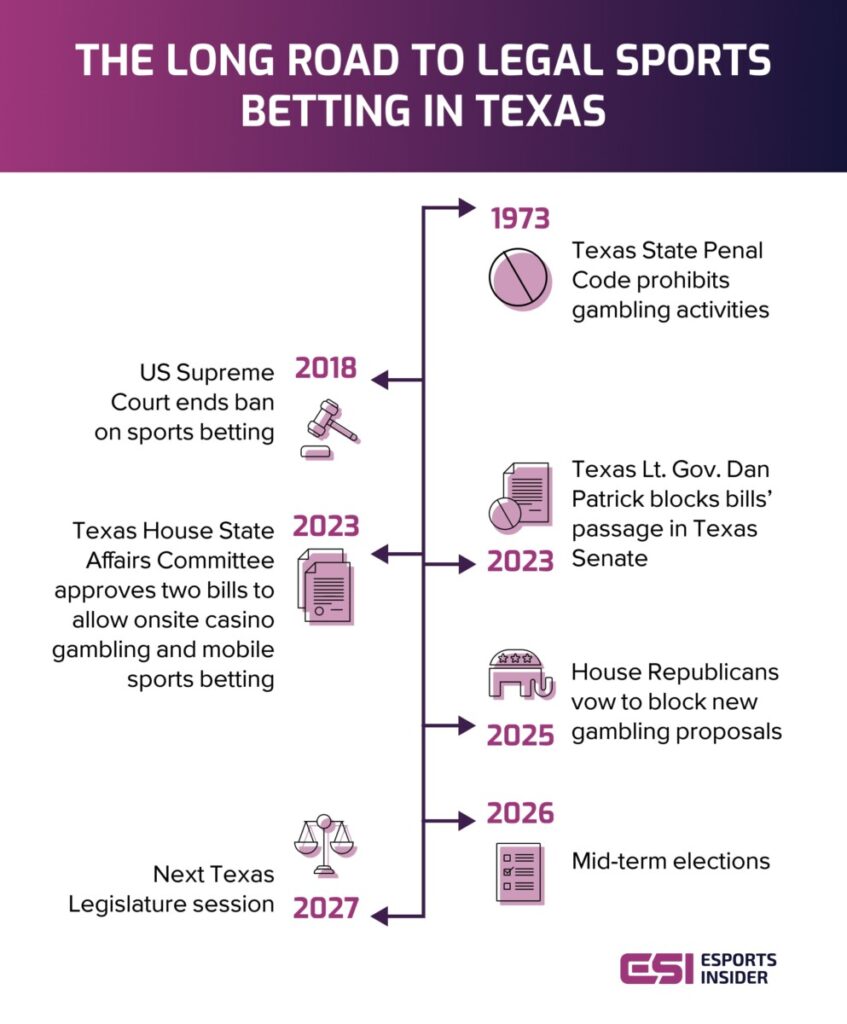
This reality shapes the tourism and lifestyle landscape for both residents and visitors alike. While other states have embraced the burgeoning industry of online sports wagering, Texas maintains a conservative stance. This article delves into the current legal status, explores the ongoing legislative debates, and considers how this situation impacts the travel and leisure experience in one of America’s most dynamic states. We’ll also examine the potential future implications for tourism, accommodation, and the overall lifestyle in Texas if legalization were to occur, drawing parallels with other destinations where sports betting is a key component of the entertainment offering. Understanding these nuances is crucial for any traveler planning a trip to Texas, ensuring they are fully informed about the local regulations and how they might navigate their leisure activities.
The Current Landscape of Sports Betting in the Lone Star State
Texas is known for its independent spirit and unique approach to many aspects of governance, and gambling laws are no exception. Unlike many other states that have moved to legalize and regulate sports betting in the wake of the 2018 Supreme Court decision that overturned the Professional and Amateur Sports Protection Act (PASPA), Texas has remained steadfast in its prohibition. This conservative stance stems from a long-standing cultural and political opposition to expanding gambling operations beyond very specific, limited forms. For visitors and residents, this means that the thrill of placing a wager on a favorite team through a convenient mobile app remains out of reach while physically within the state’s borders. This section will elaborate on the specific legal situation and the ongoing legislative discussions that could, one day, change this reality.
A Deep Dive into Texas’s Legal Stance
The legal framework in Texas explicitly prohibits most forms of commercial gambling. While the state does permit some forms of regulated gambling, such as the Texas Lottery and pari-mutuel betting on horse and greyhound racing, online sports betting falls squarely outside these allowed activities. Efforts to introduce legislation that would permit mobile sports betting have consistently faced significant hurdles within the Texas Legislature. The reasons are complex, rooted in a blend of moral opposition, concerns about potential social harms, and a desire to maintain the state’s traditional values. For many Texans, the idea of expanding gambling is seen as a slippery slope, potentially leading to widespread addiction and other societal issues. This cautious approach means that even for tourists who might be accustomed to placing bets on their phones in their home states or other travel destinations, the same convenience is not available here. Understanding this distinction is vital for anyone planning a visit, as attempting to use an out-of-state app while in Texas could lead to various complications, including the app detecting the user’s location and preventing access. The state’s strict enforcement ensures that the prohibition is not merely a legal formality but an actively observed reality, impacting the day-to-day experience of sports fans and travelers.
Legislative Efforts and Future Prospects
Despite the current prohibition, the conversation around legalizing sports betting in Texas is far from over. Each legislative session sees renewed efforts from proponents, often driven by the prospect of significant state revenue and the desire to provide a modern entertainment option that is increasingly popular across the nation. Professional sports teams owners in Texas have been vocal advocates, recognizing the potential for increased fan engagement and new revenue streams that could benefit their organizations and the broader economy. Similarly, various lobby groups representing potential operators and those interested in expanding tourism and hospitality within the state regularly push for change. However, these efforts continue to face strong opposition from conservative lawmakers and certain religious organizations. The political landscape in Texas requires a two-thirds majority vote in both the House and Senate to pass any constitutional amendment related to gambling, making it an exceptionally high bar to clear. While the prospect of legal sports betting remains uncertain, the dialogue is ongoing, influenced by the successes seen in neighboring states like Louisiana and Arkansas, which have embraced the industry. The future of sports betting in Texas is a topic that continues to evolve, reflecting broader national trends while grappling with deeply entrenched local viewpoints and traditions.
Sports Betting and the Texas Traveler: What Visitors Need to Know
For the intrepid traveler, whether on a business trip to Houston or a leisure getaway to the vibrant arts scene of Austin, understanding the local nuances of entertainment and lifestyle is key to a seamless experience. This holds particularly true for sports betting. While many visitors from states where online sportsbooks are legal might assume they can continue their wagering habits while in Texas, this is a common misconception that needs to be addressed. The state’s unique legal position means that travel plans for those who enjoy this form of entertainment might need slight adjustments, or at the very least, a clear understanding of what’s permissible and what isn’t. This section aims to equip travelers with essential knowledge, from navigating the current laws to exploring alternative destinations where legal sports betting can be enjoyed as part of a comprehensive travel itinerary.
Navigating Sports Betting Laws While Visiting Texas
When you cross into the geographical boundaries of Texas, even if you have a legal sports betting account registered in another state, that app will not function for real-money wagering. This is due to sophisticated geolocation technology employed by all licensed sports betting operators, which can pinpoint a user’s exact location. If you are detected within Texas state lines, the app will prevent you from placing bets, making deposits, or initiating withdrawals. This safeguard is a critical component of regulatory compliance designed to prevent illegal gambling. For visitors, this means that even if you’re attending a major sporting event in Dallas or San Antonio, the option to place a live bet via your phone is simply not available. It’s crucial not to try to circumvent these measures through VPNs or other technologies, as this can lead to account suspension or other penalties from the betting operator, and potentially legal issues, though the latter is less common for individuals merely attempting to bet. The primary takeaway for any tourist is simple: respect the local laws. Your Texas trip should focus on enjoying its rich culture, delicious cuisine, iconic landmarks, and world-class attractions, rather than attempting to engage in prohibited activities.
Exploring Alternatives: Where Travelers Can Find Legal Betting

For travelers whose lifestyle includes the excitement of sports betting and who are disappointed by the restrictions in Texas, there are numerous alternative destinations where this activity is legally embraced. Many popular travel destinations across the United States and globally have integrated sports betting into their tourism and entertainment offerings. For those in Texas looking for the closest legal options, neighboring states like Louisiana and New Mexico offer both retail sportsbooks and mobile betting apps. A road trip to these states could be an extension of a Texas vacation, combining the best of both worlds. Imagine exploring the vibrant culture of New Orleans and enjoying legal sports betting as part of the experience.
Further afield, iconic gambling destinations such as Las Vegas in Nevada are built around a comprehensive entertainment ecosystem that heavily features sportsbooks within luxury hotels and resorts. These establishments offer state-of-the-art betting facilities, often combined with premium dining, live entertainment, and exclusive amenities, creating a holistic lifestyle experience for guests. International destinations like Macau or parts of Europe also present opportunities for travelers to engage in legal sports wagering, often within grand casino complexes that are attractions in themselves. For those who prioritize this form of entertainment, selecting a travel destination where sports betting is legal and integrated into the local tourism infrastructure can significantly enhance their overall trip enjoyment. This strategy allows individuals to reconcile their desire for sports wagering with their travel plans, even if their primary destination, like Texas, does not currently offer it.
The Potential Impact of Legalized Sports Betting on Texas Tourism and Lifestyle
While sports betting remains illegal in Texas for now, contemplating its potential legalization offers a glimpse into how deeply it could transform the state’s tourism, hospitality, and overall lifestyle landscape. The economic and social ripple effects observed in other states provide a compelling blueprint for what Texas could experience. For a state that already boasts a robust tourism industry, driven by its unique culture, vast natural beauty, and bustling metropolitan centers, adding legal sports betting could unlock new avenues for growth and redefine the travel experience for millions. This section explores the projected economic benefits, how it could enhance the vibrant Texas experience, and the significant role it could play in positioning the state as an even more attractive destination for diverse travelers seeking both adventure and entertainment.
Economic Windfalls and Tourism Boost
The legalization of sports betting typically brings with it substantial economic benefits. For Texas, this could translate into billions of dollars in new tax revenue, which could be allocated to public services, infrastructure improvements, or education. Beyond direct tax income, there’s the significant potential for a tourism boost. Imagine sports enthusiasts from across the nation choosing Texas for major sporting events, not just for the game itself, but also for the opportunity to legally place wagers. This influx of visitors would directly benefit local businesses, from hotels and restaurants to transportation services and retail outlets. The development of dedicated sportsbooks, either standalone or integrated within existing hotels and resorts, would create new attractions. Cities like Dallas, Houston, Austin, and San Antonio, with their existing world-class stadiums and arenas, could become even more compelling destinations for sports tourism, drawing in both casual fans and serious bettors. The hospitality sector would see a surge in demand for accommodations, from luxury suites in urban centers to charming boutique hotels in tourist hotspots. Furthermore, the industry would create thousands of new jobs, ranging from technology specialists for app development to hospitality staff in new sports betting lounges, contributing significantly to the state’s employment figures. This economic injection aligns perfectly with Texas’s ambition to remain a national leader in economic growth and innovation.
Enhancing the Texas Experience for Residents and Visitors
Beyond the financial gains, legalized sports betting could profoundly enhance the overall lifestyle and entertainment offerings in Texas. The state already has a fervent sports culture, with deeply loyal fan bases for its NFL, NBA, MLB, and NCAA teams. Legal sports betting would allow fans to deepen their engagement with these events, adding another layer of excitement to game days. For residents, it would introduce a new, regulated form of entertainment, accessible and secure. For visitors, especially those on a lifestyle-focused trip, it could seamlessly integrate into their itinerary alongside exploring historic landmarks, enjoying vibrant music scenes, or indulging in authentic Texas BBQ. Imagine a traveler staying at a high-end resort in Houston, able to place a bet on the Houston Texans game before heading out to dinner, or a visitor to Austin enjoying the live music scene while monitoring scores on a legal betting app. This integration would position Texas as a more comprehensive leisure destination, catering to a broader range of interests. Crucially, any legalization framework would need to include robust responsible gambling measures, ensuring that this new form of entertainment is enjoyed safely and sustainably, protecting both residents and tourists.
What This Means for Future Travel and Accommodation in Texas
The discussion around sports betting in Texas is not merely about gambling; it’s intrinsically linked to the future evolution of travel, tourism, and accommodation within the state. As a destination, Texas is constantly striving to enhance its appeal, offering everything from luxury travel experiences to budget-friendly family trips. The potential introduction of legal sports betting apps and physical sportsbooks could significantly alter the competitive landscape for hotels, resorts, and various entertainment venues, making Texas an even more dynamic and sought-after location for visitors with diverse interests. This final section delves into how the hospitality sector might adapt and what a future Texas could look like as a premier sports and entertainment destination, solidifying its place on the global tourism map.
Anticipating Changes in Hospitality and Leisure
Should sports betting become legal in Texas, the hospitality industry would likely undergo a transformative period. Hotels and resorts, particularly those in major metropolitan areas or near sports venues, would be prime candidates for hosting retail sportsbooks. We could see the emergence of dedicated sports lounges, equipped with large screens, comfortable seating, and integrated betting terminals, offering a social and immersive experience for guests. This would not only provide a new amenity but also serve as a significant draw for visitors looking for a complete sports-centric travel package. Imagine a high-end Dallas hotel offering a bespoke game-day experience that includes luxury accommodation, gourmet dining, and direct access to a cutting-edge sportsbook. Accommodation providers would likely forge partnerships with major sports betting operators, offering seamless access to online platforms for their guests while on property. This could lead to innovative marketing strategies, attracting new segments of travelers who prioritize destinations with robust sports betting options. Furthermore, existing entertainment districts in cities like Houston’s Downtown or Austin’s Sixth Street could see new life, with venues integrating sports viewing and betting facilities, adding another layer to the vibrant nightlife and leisure offerings. The competition among hotels to provide the best amenities would intensify, ultimately benefiting the traveler with more choices and elevated experiences.

A Vision for Texas as a Premier Sports and Entertainment Destination
Ultimately, the legalization of sports betting could propel Texas into a new era as a truly premier sports and entertainment destination. With its existing infrastructure of world-class stadiums, major league teams, and passionate fan bases, the state is already a magnet for sports tourism. Adding legal betting would complete the ecosystem, allowing fans to engage with their favorite sports in a way that is modern, exciting, and integrated into their overall travel lifestyle. This vision sees Texas not just as a place to witness great sporting events, but as a destination where the entire sports experience, from the anticipation of the game to the thrill of a wager, is seamlessly available. It would attract travelers specifically seeking a destination that combines cultural richness, diverse attractions, and the dynamic energy of legal sports wagering. From the historic landmarks of San Antonio to the tech-forward vibe of Austin, every corner of the state could benefit from this expanded appeal, drawing a wider demographic of tourists. The state’s ability to offer a comprehensive array of activities, including modern entertainment options like sports betting, would further solidify its reputation as a forward-thinking and dynamic place to visit, ensuring that Texas remains a top choice for travelers around the globe seeking a memorable and multifaceted experience.
LifeOutOfTheBox is a participant in the Amazon Services LLC Associates Program, an affiliate advertising program designed to provide a means for sites to earn advertising fees by advertising and linking to Amazon.com. Amazon, the Amazon logo, AmazonSupply, and the AmazonSupply logo are trademarks of Amazon.com, Inc. or its affiliates. As an Amazon Associate we earn affiliate commissions from qualifying purchases.