
The saga of Texas joining the United States is a captivating tale of independence, political maneuvering, and westward expansion, deeply etched into the fabric of American history. Far from a simple administrative step, it was a complex process born out of revolution and fueled by ambition, ultimately shaping the destiny of an entire continent. For travelers and history enthusiasts exploring the diverse landscapes and vibrant cities of the Lone Star State today, understanding this pivotal moment provides invaluable context to its unique culture, iconic landmarks, and distinct Texan identity. This journey from an independent republic to the 28th U.S. state is not merely a historical footnote but a living narrative that continues to draw visitors eager to walk in the footsteps of pioneers and presidents.
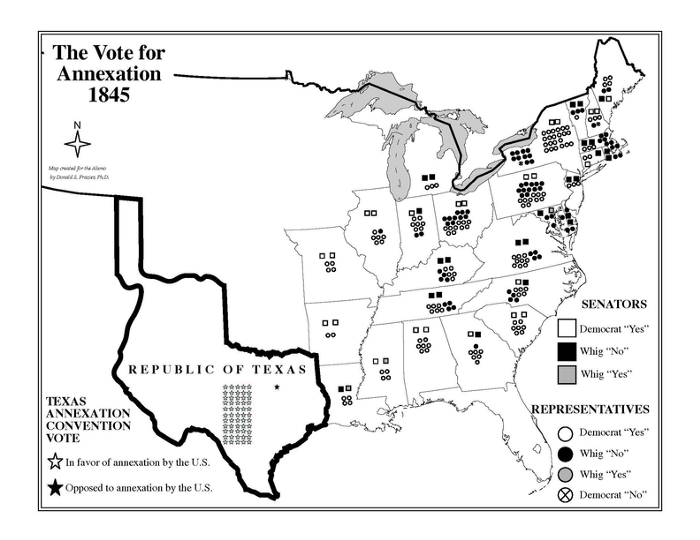
The Republic of Texas: A Brief Independence
Before its eventual integration into the United States, Texas carved out its own destiny as an independent nation, the Republic of Texas. This period, though relatively short-lived (1836-1845), was foundational, imbuing Texas with a fierce sense of autonomy and a distinct heritage that persists to this day. Visitors to Texas often encounter this spirit in its historical sites, museums, and even its local culinary traditions.
From Mexican Territory to Independent Nation
The story begins even earlier, with Texas as a vast, sparsely populated frontier within New Spain, eventually becoming part of Mexico following its independence from the Spanish Empire in 1821. Mexican authorities, seeking to develop the region, encouraged Anglo-American immigration. These settlers, primarily from the Southern United States, brought with them different cultural norms, legal traditions, and, crucially, the institution of slavery, which Mexico had abolished. Tensions mounted as the Mexican government tightened its control, leading to a series of escalating conflicts.
The spark ignited into the Texas Revolution in 1835. Iconic battles and sieges quickly followed, shaping the narrative of Texan heroism and sacrifice. The most famous of these is undoubtedly the Battle of the Alamo, where a small band of Texan defenders, including legendary figures like Davy Crockett and Jim Bowie, made a valiant last stand against overwhelming Mexican forces under General Antonio López de Santa Anna. Though a devastating defeat, the “Remember the Alamo!” cry became a powerful rallying call. Another tragic but significant event was the Goliad Massacre, where hundreds of Texan prisoners were executed, further fueling the desire for vengeance and independence.
The decisive moment came on April 21, 1836, at the Battle of San Jacinto. Led by General Sam Houston, the Texan army achieved a stunning victory, capturing Santa Anna and effectively securing Texas’s independence. This battlefield, now a prominent state park and monument near La Porte, remains a powerful attraction for visitors interested in American military history and is a must-see landmark for anyone exploring the Houston metropolitan area. The declaration of the Republic of Texas on March 2, 1836, solidified its status as a sovereign nation, complete with its own government, currency, and foreign policy. This period saw the establishment of early capital cities, including Columbia, Houston, and eventually, the planned city of Austin, each site now offering unique historical insights for tourists.
The Landscape of a Young Republic
The newly independent Republic of Texas was a vast and largely untamed land, stretching across diverse geographical regions. This natural splendor, which captivated early settlers, continues to be a major draw for tourists today. From the fertile coastal plains along the Gulf of Mexico, ideal for fishing and beach holidays, to the sprawling pine forests of East Texas, perfect for nature retreats, the landscape was as varied as it was immense. Central Texas featured rolling hills and abundant rivers, laying the groundwork for charming small towns and outdoor recreation. Further west, the rugged deserts and majestic mountains, including the Guadalupe Mountains and the Big Bend region, presented formidable challenges but also breathtaking beauty, now preserved in national and state parks that are prime destinations for hiking, camping, and stargazing.
The challenges of governing such a vast territory, with limited resources and ongoing skirmishes with Native American tribes and Mexican forces, were immense. The early leaders, particularly Sam Houston, recognized the strategic importance of securing the republic’s future, often looking towards annexation by the United States as the most viable path to stability and prosperity. This vastness also contributed to the self-reliant and resilient lifestyle that became synonymous with Texas, aspects still celebrated in its ranching culture, rodeo events, and outdoor adventure tours available across the state. Many luxury resorts and boutique hotels in regions like the Texas Hill Country now offer experiences that evoke this pioneering spirit, from equestrian activities to gourmet Texan cuisine.
The Road to Annexation: A Decade of Debate
The period between Texas’s independence in 1836 and its annexation in 1845 was a tumultuous decade marked by intense political debate, international intrigue, and shifting alliances. Both Texas and the United States grappled with complex considerations, making the path to statehood far from straightforward. This chapter of history is rich with the stories of statesmen and diplomats, whose decisions continue to influence the geopolitical landscape and cultural identity of the region.
Political Pressures and International Intrigue
In Texas, opinion was divided. President Sam Houston, a shrewd politician and military hero, strongly advocated for annexation, believing it was essential for the young republic’s security and economic viability. He understood that Texas, despite its victory at San Jacinto, remained vulnerable to renewed attacks from Mexico, which refused to acknowledge its independence. Joining the United States would provide military protection and access to a more robust economy. On the other hand, figures like Mirabeau B. Lamar, who served as the second president of the Republic, championed the idea of an independent, powerful Texas empire, expanding westward to the Pacific. This vision, while ambitious, proved to be financially unsustainable and politically precarious.
In the United States, the question of annexing Texas was even more contentious, largely due to the explosive issue of slavery. Southern states eagerly supported annexation, seeing Texas as a vast new territory that could expand slaveholding states’ power in Congress, thereby maintaining the delicate balance between free and slave states. Northern abolitionists and anti-slavery advocates vehemently opposed annexation, fearing it would ignite a war with Mexico and further entrench the institution of slavery.
Beyond internal U.S. politics, international powers also played a role. Great Britain, a leading global power, sought to prevent U.S. expansion and saw an independent Texas as a strategic partner. Britain, a major textile manufacturer, was interested in Texan cotton but also aimed to exert influence to abolish slavery in Texas, which would disrupt U.S. slave markets and potentially undermine the American South. Mexico, for its part, continually threatened war if the U.S. annexed Texas, viewing it as an act of aggression and an illegal seizure of its territory. These geopolitical currents made Texas a pawn in a larger game of international diplomacy, with its fate hanging in the balance.
Throughout this period, American presidents faced immense pressure. Andrew Jackson, while sympathetic to Texas, hesitated to push for annexation during his presidency due to the slavery issue and fears of war with Mexico. Later, John Tyler, who lacked a strong political base, saw annexation as a means to bolster his legacy. He negotiated a treaty of annexation in 1844, but it was rejected by the U.S. Senate, primarily due to the ongoing debate over slavery and concerns about war. The issue then became a central theme in the 1844 presidential election, with expansionist candidate James K. Polk campaigning on a platform of “Manifest Destiny,” which included the annexation of Texas and the Oregon Territory. His victory was widely interpreted as a mandate for expansion.
The Vote and the Formalities
Following Polk’s election, the political landscape shifted dramatically. President Tyler, seizing the opportunity before his term ended, pushed for annexation through a joint resolution of Congress, which required only a simple majority vote in both chambers, rather than the two-thirds Senate majority needed for a treaty. This clever political maneuver bypassed the strong opposition to the treaty.
On February 28, 1845, the U.S. Congress passed the joint resolution offering annexation to Texas. The terms were generous: Texas would enter the Union as a state, retaining its public lands (a crucial point for its financial stability), but also keeping its public debt. Furthermore, it would have the unique right to divide itself into up to four additional states in the future, a provision that has never been exercised but speaks to the vastness and potential of the territory.
Upon receiving the offer, the Texas Congress convened in Washington-on-the-Brazos (another significant historical site for travelers today) to consider the proposal. On July 4, 1845, a special convention of delegates unanimously approved the annexation ordinance. This was then put to a popular vote across the Republic. The citizens of Texas, weary of instability and eager for the security and economic benefits of joining the United States, overwhelmingly voted in favor of annexation in October 1845. The formal process of drafting a state constitution then began, ensuring Texas met all the requirements for U.S. statehood.
December 29, 1845: Texas Becomes the 28th State
The culmination of this tumultuous journey arrived on December 29, 1845, a date indelibly marked in both Texan and American history. On this day, President James K. Polk signed the act officially admitting Texas as the 28th state of the United States of America. The ceremony was a moment of profound significance, celebrating the successful conclusion of a decade-long quest for statehood and dramatically altering the geopolitical map of North America.
The Day of Accession and Its Immediate Impact
The official transfer of authority took place in Austin, then the capital of the Republic of Texas. The Lone Star flag was lowered for the last time as an emblem of a sovereign nation, and the Stars and Stripes were raised in its place, symbolizing Texas’s new identity within the Union. This momentous occasion, however, was not without its immediate and far-reaching consequences.
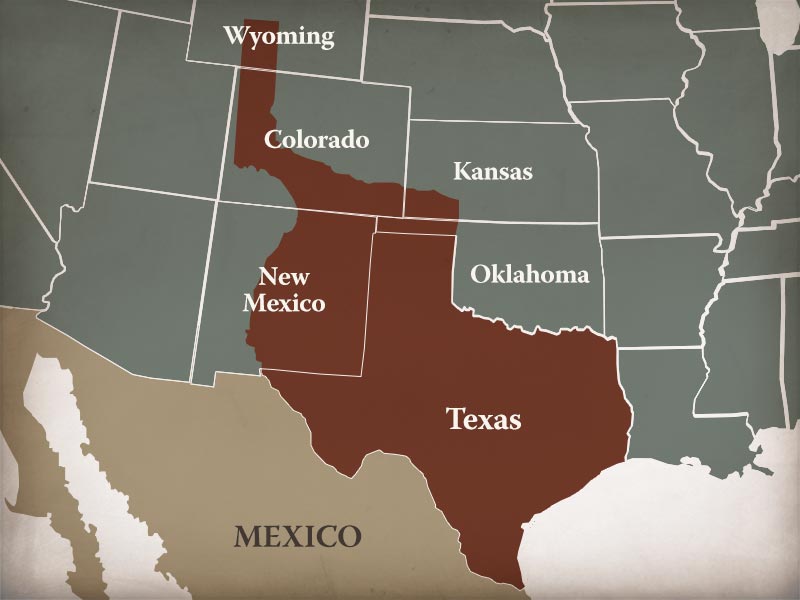
Foremost among these was the inevitable outbreak of the Mexican-American War. Mexico had consistently warned that it would consider U.S. annexation of Texas an act of war. The primary point of contention was the precise border between Texas and Mexico. While Texas claimed the Rio Grande as its southern and western boundary, Mexico maintained that the border was the more northerly Nueces River. This disputed territory, stretching between the two rivers, became the flashpoint for the conflict that began in 1846. The war, which lasted until 1848, resulted in a decisive American victory and, through the Treaty of Guadalupe Hidalgo, led to the United States acquiring vast new territories, including present-day California, Nevada, Utah, and parts of Arizona, New Mexico, Colorado, and Wyoming. This immense land acquisition, often referred to as the Mexican Cession, fundamentally reshaped the American West and fulfilled the vision of Manifest Destiny. For travelers interested in this history, exploring border towns and museums in South Texas offers a tangible connection to the cultural fusion and conflicts of this era. National Parks in the Southwest, too, preserve landscapes that were once part of this disputed territory.
Legacy and Modern-Day Texas
The legacy of December 29, 1845, is profoundly felt throughout modern-day Texas. The state’s unique journey from independence to statehood instilled in Texans a distinct sense of pride and a robust cultural identity that distinguishes it from other U.S. states. This “Texan exceptionalism” is celebrated in countless ways, from the ubiquitous Lone Star flag to popular phrases like “Don’t mess with Texas.” Visitors can immerse themselves in this rich heritage through numerous avenues.
Historical reenactments, particularly at sites like the Alamo and San Jacinto Battlefield, bring the past to life, offering engaging experiences for all ages. Museums across the state, such as the Bullock Texas State History Museum in Austin, provide comprehensive insights into Texas’s storied past, from its Native American roots to its modern achievements. These institutions often host interactive exhibits and educational programs, making them ideal family attractions.
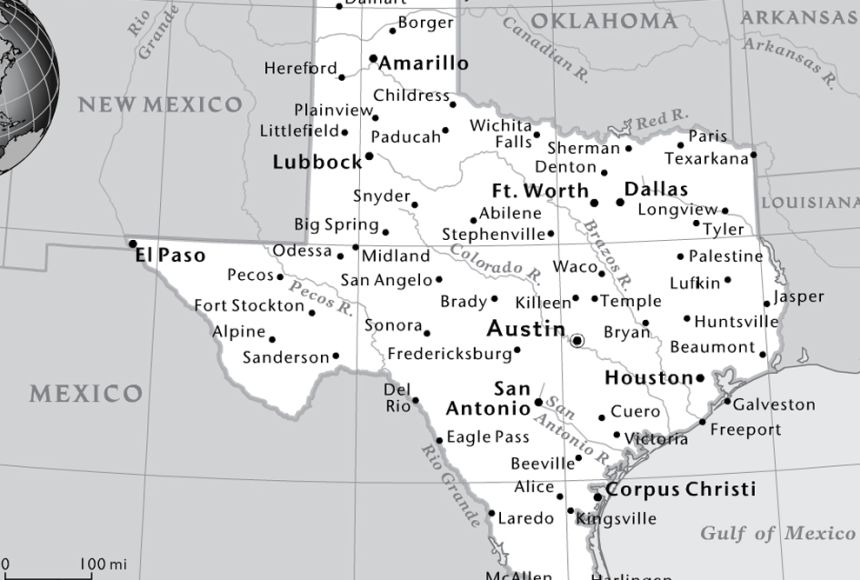
Modern Texas, while honoring its past, has evolved into a vibrant and diverse travel destination. Its major cities, including Dallas, Houston, Austin, and San Antonio, offer a cosmopolitan lifestyle with world-class dining, shopping, arts, and entertainment. San Antonio, with its historic River Walk and Spanish colonial missions (a UNESCO World Heritage Site), is a particular highlight for cultural tourism. Austin thrives as the “Live Music Capital of the World,” providing endless entertainment options, from intimate clubs to major festivals. Dallas and Houston boast impressive skylines, renowned museums, and a thriving culinary scene where visitors can indulge in everything from authentic Tex-Mex to gourmet BBQ.
Accommodation options abound, catering to every lifestyle and budget. From luxurious downtown hotels and sprawling resorts with championship golf courses and spas, to charming boutique hotels in historic districts, and unique ranch stays offering an authentic taste of cowboy life, Texas provides diverse choices. For those seeking long-term stays, apartment rentals and villas offer comfort and convenience. Budget-friendly options are also plentiful, ensuring that all types of travelers can experience the state’s offerings.
Beyond the cities, Texas’s natural beauty continues to call to adventurers. State parks offer opportunities for hiking, fishing, and birdwatching. The vastness of the state means road trips are a popular way to explore, linking historical sites with natural wonders. Whether it’s a luxury travel experience at a five-star resort in the Hill Country, a family trip exploring historical landmarks, or a business stay combining work with cultural exploration, Texas offers an unparalleled blend of history, culture, and modern amenities.
The annexation of Texas on December 29, 1845, was more than just a date on a calendar; it was a defining moment that solidified its place in the American Union and launched it on a path to becoming the dynamic, influential state it is today. For anyone traveling through its diverse regions, this historical context enriches every experience, making a visit to Texas not just a trip, but a journey through a living testament to independence and enduring legacy.
LifeOutOfTheBox is a participant in the Amazon Services LLC Associates Program, an affiliate advertising program designed to provide a means for sites to earn advertising fees by advertising and linking to Amazon.com. Amazon, the Amazon logo, AmazonSupply, and the AmazonSupply logo are trademarks of Amazon.com, Inc. or its affiliates. As an Amazon Associate we earn affiliate commissions from qualifying purchases.