
For enthusiasts of the outdoors and the distinct call of the Texas wild, the question “When does dove season end in Texas?” is more than just a query about hunting dates; it’s an invitation to experience the vibrant landscapes, rich culture, and warm hospitality that define the Lone Star State. While hunting is undeniably a major draw, the dove season, typically spanning from early September into the colder months, also signals a prime opportunity for broader travel and tourism, offering a unique blend of adventure, relaxation, and discovery across one of America’s most diverse states. From the sun-drenched plains of North Texas to the brush country of South Texas, the period around dove season is a fantastic time to explore the state’s natural beauty, indulge in local cuisine, and find accommodations that cater to every type of traveler. This comprehensive guide delves into the specifics of the dove hunting season and how it intertwines with the incredible travel experiences Texas has to offer, ensuring your trip is as fulfilling as it is memorable.
Understanding Texas Dove Season: A Hunter’s Guide
Texas is renowned as a premier destination for dove hunting, attracting thousands of hunters annually with its abundant populations of Mourning Dove, White-winged Dove, and, to a lesser extent, White-tipped Dove. The state’s vast agricultural lands, expansive ranchlands, and diverse ecosystems create ideal habitats for these migratory birds. However, understanding the intricate details of the season, particularly its end dates, requires familiarity with the state’s zonal system, which divides Texas into three distinct regions, each with its own set of regulations and timelines. For both seasoned hunters and those new to the sport, navigating these zones and adhering to the established rules is paramount for a successful and legal hunt.
The Zonal System: North, Central, and South Zones
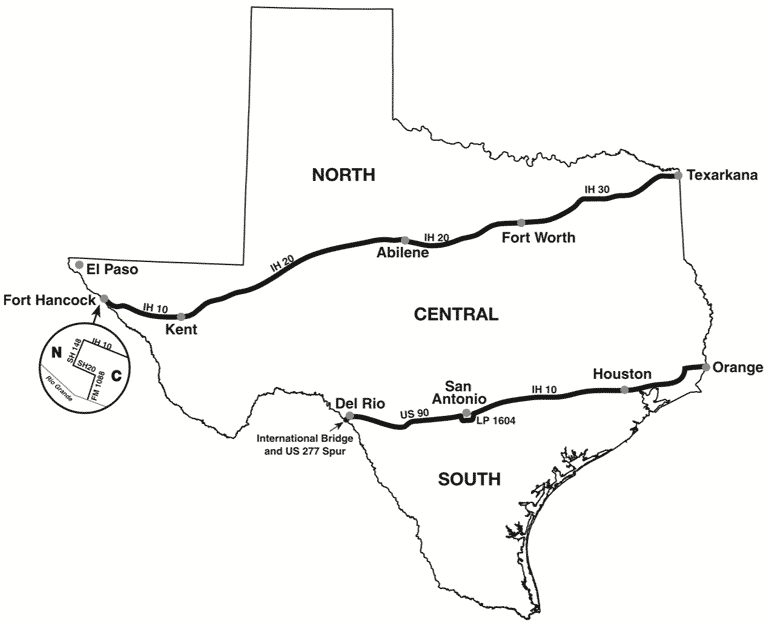
To manage dove populations effectively and provide varied hunting opportunities, Texas is segmented into the North Zone, Central Zone, and South Zone. Each zone features different opening and closing dates, often with a “split season” structure, meaning there’s an initial early season followed by a later, shorter season.
-
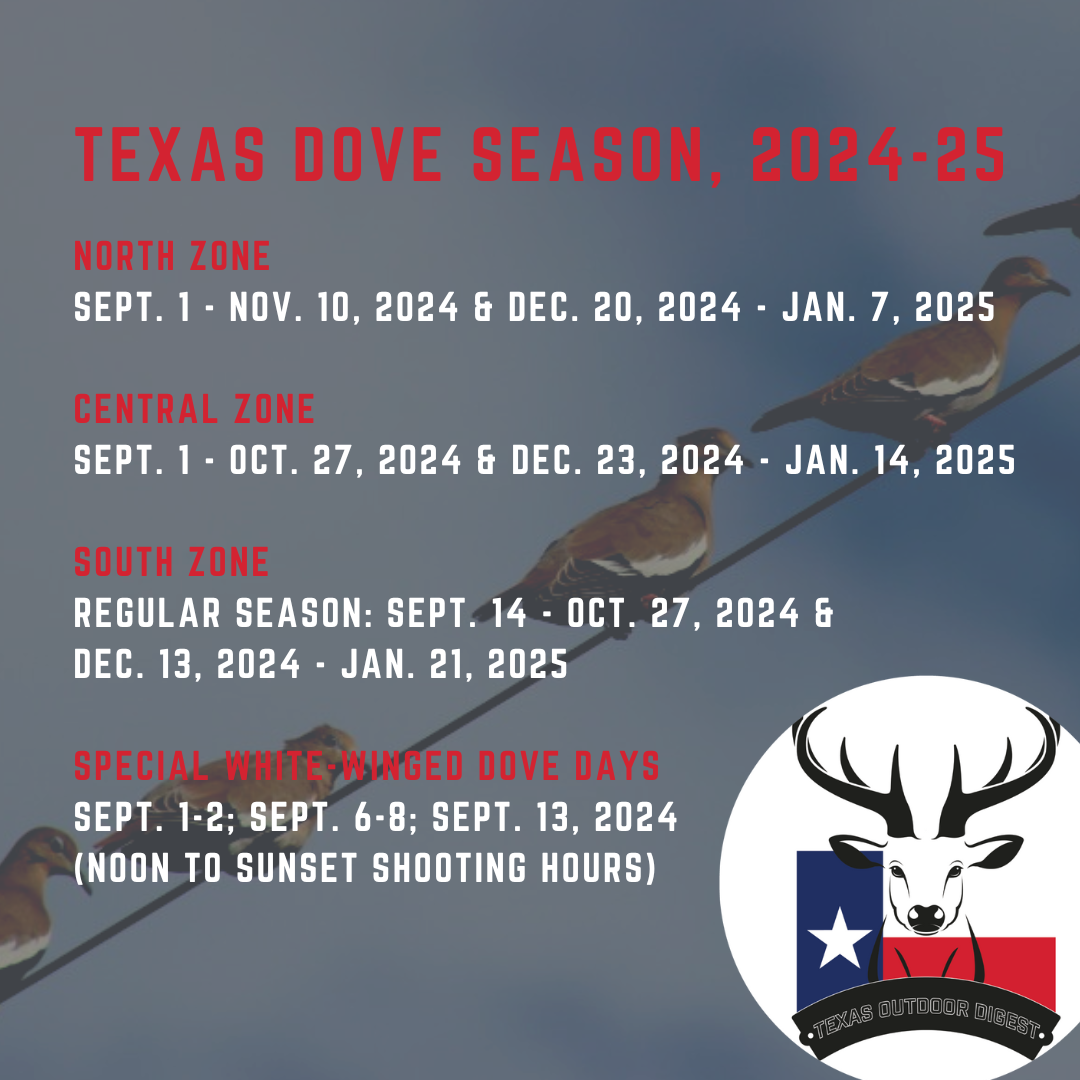
North Zone: Typically, the North Zone season kicks off in early September and runs for a period, usually concluding by late October or early November for its first segment. After a brief closure, a second, shorter segment often reopens in December, extending into early January. This zone encompasses the northernmost parts of Texas, including the Panhandle and areas north of the Dallas-Fort Worth metroplex. The exact end date for the later split can sometimes stretch into the first week or two of January, making it one of the longest-running opportunities.
-
Central Zone: Covering the vast middle section of the state, including the popular Hill Country and areas around San Antonio and Austin, the Central Zone usually mirrors the North Zone’s early September start. Its first split typically ends around late October, similar to the North Zone. The later split for the Central Zone also reopens in December and can often conclude around the same time as the North Zone, generally in early to mid-January.
-
South Zone: Known for its incredibly dense populations of White-winged Dove, the South Zone (which includes areas like Uvalde and Cotulla) often has a slightly delayed start to its regular season, usually around mid-September. Its first segment typically runs into late October or early November. Similar to the other zones, it then has a second split that reopens in December and traditionally boasts the longest season, often extending through most of January, sometimes even reaching the first few days of February. This extended season makes the South Texas region particularly appealing for hunters looking to prolong their experience.
It is crucial for any hunter to consult the official Texas Parks and Wildlife Department (TPWD) Outdoor Annual for the precise dates of the current year. These dates can shift slightly from year to year due to wildlife management decisions and legislative changes, so relying on the most up-to-date official publication is essential for accurate planning.
Licenses, Regulations, and Ethical Hunting Practices
Beyond knowing the season dates, responsible hunting in Texas requires adherence to specific licensing and regulatory frameworks. All hunters, regardless of age, must possess a valid Texas hunting license. Additionally, anyone hunting migratory game birds, including doves, must purchase a Migratory Game Bird Endorsement. Federal Duck Stamps are not required for dove hunting, but HIP (Harvest Information Program) certification is mandatory.
Key regulations to be aware of include:
- Bag Limits: The daily bag limit for doves is generally 15 birds, with a maximum of two White-tipped Dove within that limit. This limit applies to all three species combined.
- Possession Limit: The possession limit is typically three times the daily bag limit (45 doves).
- Shooting Hours: Hunting is generally allowed from one-half hour before sunrise to sunset.
- Ammunition: Only non-toxic shot is allowed on some public lands, so hunters should always check specific location rules. On private lands, lead shot is generally permissible for dove hunting.
- Legal Means and Methods: Hunters must use shotguns no larger than 10-gauge, and migratory birds cannot be hunted with a shotgun capable of holding more than three shells unless plugged with a one-piece filler.
Ethical hunting is a cornerstone of the Texas outdoor tradition. This includes respecting private property, always asking for permission before hunting on private land, practicing safe firearm handling, and making every effort to retrieve downed birds. Conservation efforts, supported by license fees, ensure that Texas’s dove populations remain healthy and provide sustainable hunting opportunities for future generations. Engaging in ethical practices not only upholds the integrity of the sport but also enhances the overall experience, fostering a deeper connection with nature.
Beyond the Hunt: Exploring Texas During Dove Season
While dove hunting is the central theme, the season provides a fantastic backdrop for a broader Texas travel experience. The autumn months, when much of the dove season unfolds, bring pleasant weather to many parts of the state, making it ideal for exploring, dining, and enjoying a variety of activities beyond the field. For accompanying family members or those who prefer non-hunting adventures, the possibilities are virtually endless. This period is perfect for road trips, visiting charming small towns, or enjoying the bustling life of Texas’s major cities.
Prime Dove Hunting Destinations and Their Charms
Certain regions in Texas are legendary for their dove hunting, but they also offer a wealth of other attractions, making them excellent travel destinations.
- South Texas (e.g., Uvalde, Cotulla, Corpus Christi area): This region is often dubbed the “dove hunting capital” due to its incredible numbers of White-winged Dove. Beyond the hunt, South Texas boasts a rich blend of Mexican-American culture, delicious Tex-Mex cuisine, and historic sites. Uvalde offers a quintessential small-town Texas experience, while Cotulla is known for its vast ranches offering guided hunts. For a coastal experience, the Corpus Christi area provides fishing, beach relaxation, and attractions like the USS Lexington Museum and the Texas State Aquarium.
-
Central Texas (e.g., Hill Country towns like Fredericksburg, areas around San Antonio and Austin): The rolling hills, spring-fed rivers, and quaint towns of the Hill Country offer beautiful landscapes and excellent dove hunting. Fredericksburg, with its German heritage, wineries, and peach orchards, is a popular destination. Nearby San Antonio is a treasure trove of history, home to the Alamo, the Riverwalk, and historic missions. Austin, the state capital, provides a vibrant music scene, eclectic dining, and numerous outdoor activities. Many ranches in this region offer hunting packages that combine guided hunts with comfortable lodging.
-
North Texas (e.g., Dallas-Fort Worth outskirts, Wichita Falls): While more densely populated, the agricultural areas just outside the major metropolitan centers still offer fantastic dove hunting. Towns like Wichita Falls provide a gateway to hunting opportunities in the prairie and lake country. Visitors can easily blend a hunting trip with urban exploration in Dallas, known for its world-class museums, shopping, and dining, or Fort Worth, with its Western heritage exemplified by the Stockyards National Historic District.
Accommodations for Every Hunter and Traveler
Finding the right accommodation is key to any successful trip, and Texas offers an impressive array of options to suit every preference and budget during dove season.
-
Hunting Lodges and Ranches: For the dedicated hunter, staying at a hunting lodge or ranch offers the ultimate convenience. Many operations, especially in South Texas and the Hill Country, provide all-inclusive packages that include lodging, meals, guided hunts, and even bird cleaning services. These often range from rustic, comfortable setups to luxurious estates, offering a full immersion into the hunting lifestyle. Places like the iconic King Ranch or numerous smaller, family-owned ranches can provide an authentic Texas experience, sometimes even with other activities like horseback riding or fishing.
-
Hotels and Resorts: If you prefer more traditional lodging or are traveling with non-hunting companions, nearby cities and towns offer a wide selection of hotels and resorts. From budget-friendly motels to upscale boutique hotels and full-service resorts, you’ll find options with amenities like swimming pools, restaurants, and business centers. Consider staying in cities like San Antonio, Austin, or even closer to your hunting grounds in smaller towns like Uvalde or Fredericksburg to combine hunting with sightseeing and cultural experiences. When booking, inquire about dog-friendly policies if you’re bringing hunting dogs, and ask if they have secure storage for firearms.
-
Vacation Rentals and RV Parks: For groups, families, or those seeking a more private, home-like experience, vacation rentals (such as cabins, houses, or apartments booked through platforms) are an excellent choice. They often come with kitchens, multiple bedrooms, and outdoor spaces, perfect for relaxing after a day in the field or enjoying a family meal. Additionally, Texas has numerous well-equipped RV parks, ideal for those who prefer to bring their own accommodation, especially if they plan to stay close to public hunting lands or wildlife management areas. Many RV parks offer full hookups and amenities like laundry facilities and community spaces.
When planning your accommodation, consider the proximity to your chosen hunting grounds, the type of amenities you desire, and whether you want to combine your hunting trip with other tourism activities. Booking in advance, especially for popular hunting areas during peak season, is highly recommended to secure the best options and rates.
The Texas Hunting Lifestyle: More Than Just a Season
Dove season in Texas is more than just an annual hunting event; it’s a cherished cultural experience that embodies a significant part of the Texas lifestyle. It’s a time for friends and family to gather, for traditions to be upheld, and for a deeper connection with the vast and beautiful Texas landscape to be forged. The pursuit of dove often leads to memorable evenings under starry skies, sharing stories around a campfire, and indulging in the state’s renowned culinary offerings. It’s an opportunity to slow down, appreciate the simple pleasures of the outdoors, and participate in a timeless tradition that resonates deeply within the fabric of Texas culture.
Culinary Delights and Local Culture
Any trip to Texas is incomplete without savoring its iconic food, and dove season offers a unique culinary dimension.
-
Texas BBQ and Tex-Mex: After a morning in the field, there’s nothing quite like a plate of authentic Texas BBQ, with its smoky brisket, ribs, and sausage. From legendary roadside stands to acclaimed urban eateries, BBQ joints are abundant across the state. Similarly, the vibrant flavors of Tex-Mex cuisine—tacos, enchiladas, fajitas, and fresh salsa—are a staple, especially in regions closer to the Mexican border. Exploring local diners and family-owned restaurants provides a true taste of the area’s culinary heritage.
-
Wild Game Cuisine: For many hunters, the ultimate reward of dove season is the opportunity to prepare and enjoy their harvest. Dove breasts, whether grilled, fried, or wrapped in bacon and jalapeños, are considered a delicacy. Sharing these meals with fellow hunters and family members becomes a highlight of the trip, celebrating the bounty of nature and the success of the hunt. Many local restaurants in hunting-heavy areas might even offer their own take on wild game, or you might find specialty butchers who can process your birds.
-
Local Festivals and Events: Depending on the exact timing of your trip within the extended dove season, you might coincide with various local festivals, county fairs, or community events. These offer fantastic insights into the unique culture of Texas towns, from live music performances to craft fairs and harvest celebrations. Checking local tourism boards for event calendars can add an unexpected and delightful layer to your dove season adventure.

Family Adventures and Outdoor Experiences
Dove season provides an excellent framework for family trips, blending the thrill of hunting with a wealth of other outdoor and recreational activities.
-
Making Hunting a Family Tradition: For many Texas families, dove hunting is a multi-generational tradition. It’s an opportunity to teach younger family members about wildlife conservation, ethical hunting practices, and the importance of respecting nature. Even if some family members don’t hunt, they can enjoy the camaraderie of the camp, prepare meals, or simply relax in the beautiful outdoor settings. Many ranches are set up to accommodate families, offering a safe and enjoyable environment for all.
-
Beyond the Shotgun: The landscapes conducive to dove hunting are often rich in other outdoor opportunities. During the pleasant autumn months, activities such as hiking, bird watching (for species other than doves!), fishing in lakes and rivers, or kayaking offer peaceful ways to experience Texas’s natural beauty. Exploring one of the many Texas State Parks can provide stunning vistas, well-maintained trails, and educational programs about local flora and fauna. Big Bend National Park or the Guadalupe Mountains National Park are iconic destinations for more ambitious outdoor adventures, although they are quite a distance from traditional dove hunting areas. However, closer-to-home parks like Mustang Island State Park or Garner State Park offer their own charms.
-
Connecting with Nature and Unplugging: In an increasingly digitized world, a dove hunting trip offers a rare chance to unplug from daily routines and reconnect with the natural world. The quiet anticipation of the birds, the rustling of leaves, and the vast open skies provide a serene escape. It’s an opportunity for introspection, bonding with loved ones, and creating lasting memories against the backdrop of Texas’s diverse and captivating wilderness.
In conclusion, while the specific end dates for dove season in Texas vary by zone and year, typically extending from late October or early November for the first split and then into January for the second, later split, the experience encompasses much more than just the hunt. It’s an invitation to immerse oneself in the heart of Texas culture, explore its breathtaking landscapes, indulge in its delicious cuisine, and forge unforgettable memories. Whether you’re a seasoned hunter, a curious traveler, or a family seeking an adventurous getaway, planning a trip during Texas dove season promises a rich, rewarding, and uniquely Texan experience that celebrates both sport and the spirit of exploration. Always remember to check the latest official TPWD Outdoor Annual for precise season dates and regulations to ensure a safe and enjoyable adventure.
LifeOutOfTheBox is a participant in the Amazon Services LLC Associates Program, an affiliate advertising program designed to provide a means for sites to earn advertising fees by advertising and linking to Amazon.com. Amazon, the Amazon logo, AmazonSupply, and the AmazonSupply logo are trademarks of Amazon.com, Inc. or its affiliates. As an Amazon Associate we earn affiliate commissions from qualifying purchases.