
Texas, the Lone Star State, is renowned for its vast landscapes, rich history, vibrant cities, and distinctive culture. From the historic streets of San Antonio and the bustling metropolis of Houston to the live music capital of Austin and the diverse offerings of Dallas, it offers an unparalleled array of experiences for every type of traveler. Whether you’re exploring Big Bend National Park, strolling along The Alamo and the Riverwalk, or relaxing on South Padre Island, you’re bound to immerse yourself in the local lifestyle. A key aspect of understanding any travel destination, especially for those looking to enjoy local cuisine, nightlife, or simply unwind with a drink, is knowing its alcohol regulations.
Texas has a fascinating and sometimes complex history with alcohol sales, leading to a unique set of laws that differ significantly from state to state and even from county to county within Texas. These rules impact everything from when you can purchase a six-pack at a grocery store to when you can order a cocktail at a high-end hotel bar. For visitors planning their itineraries, understanding these nuances is essential for a smooth and enjoyable trip, ensuring you can partake in the state’s vibrant social scene without unexpected interruptions. This comprehensive guide will navigate the intricacies of Texas alcohol laws, focusing on sale hours, types of establishments, and local variations, helping you plan your visit like a seasoned local.
Decoding Texas’s Alcohol Sales Calendar: A Visitor’s Guide
Navigating alcohol sales in Texas primarily revolves around understanding the distinction between “off-premise” sales (for consumption elsewhere, like a grocery store or liquor store) and “on-premise” sales (for consumption at the location, like a bar or restaurant). The rules also vary significantly based on the day of the week and the type of alcohol.
The Basics: Weekday Sales Hours
During the weekdays, Texas generally follows a structured schedule for alcohol sales, which is relatively consistent across most “wet” areas of the state.
-
Beer & Wine (Off-Premise): If you’re looking to purchase beer or wine from a grocery store, convenience store, or gas station for consumption back at your accommodation, these establishments typically begin sales at 7:00 AM and conclude at 12:00 AM (midnight) from Monday through Friday. This offers ample time to stock up for an evening at your hotel suite or a picnic at a scenic Texas park.
-
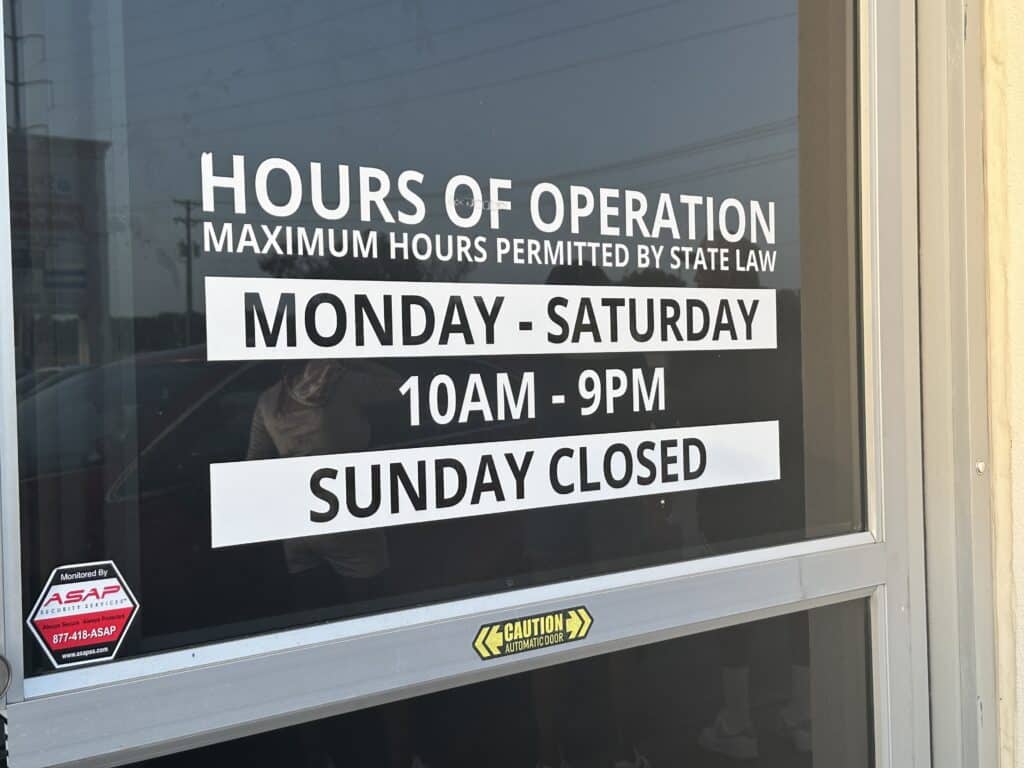
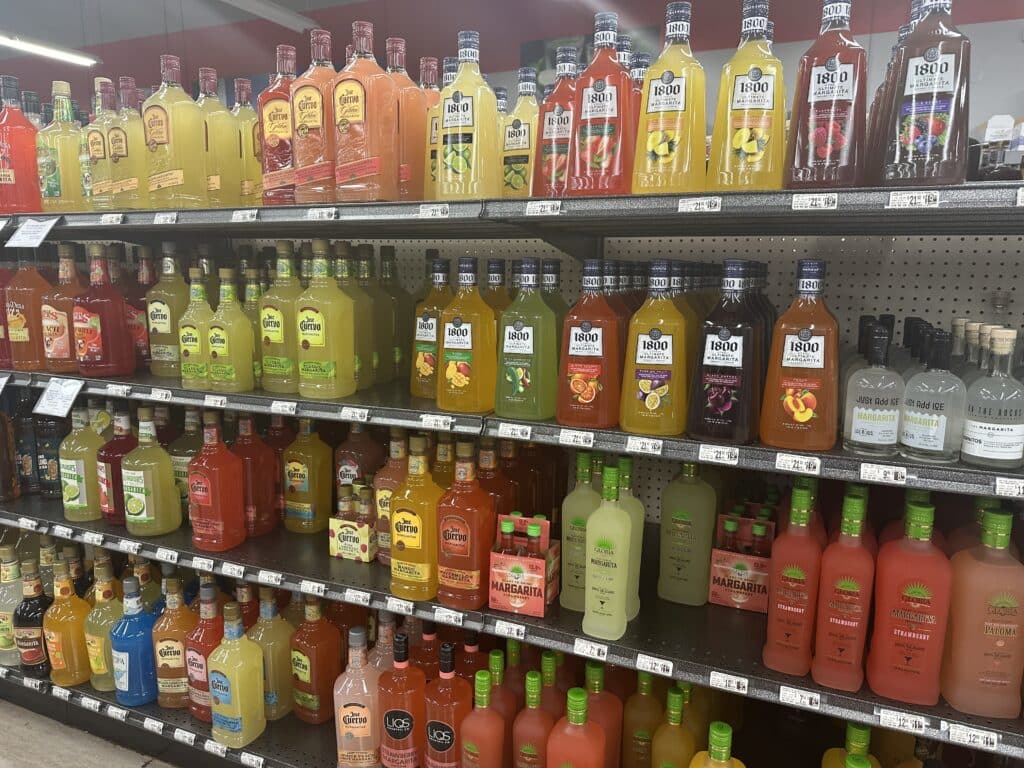
Liquor (Off-Premise): Liquor stores, often referred to as package stores, operate under much stricter hours. They are permitted to sell spirits only from 10:00 AM to 9:00 PM, Monday through Saturday. This is a crucial distinction, as you cannot buy hard liquor from grocery stores or convenience stores, nor can you purchase it outside of these specific hours, even if beer and wine are still available elsewhere. Planning ahead for any spirits you might want for your trip is advisable.
-
On-Premise (Bars, Restaurants, Hotels): For those seeking to enjoy a drink out, on-premise establishments like bars, restaurants, and hotel lounges have more generous hours. Alcohol can generally be served from 7:00 AM to 12:00 AM (midnight), Monday through Friday. However, many establishments with appropriate permits (such as a late-hours permit) can continue serving until 2:00 AM. This flexibility allows for a vibrant Texas nightlife and dining scene, whether you’re enjoying live music in Austin or a gourmet meal in Dallas. Guests at upscale resorts like the JW Marriott San Antonio Hill Country Resort & Spa or the Four Seasons Hotel Austin can often take advantage of these extended hours at their on-site bars and restaurants.
Sunday Sales: Navigating the Weekend Landscape
Sunday sales often present the most confusion for visitors, as they historically carried the most restrictions due to blue laws. While some of these have been relaxed, Sunday still operates under a slightly different set of rules.
-
Beer & Wine (Off-Premise): On Sunday, off-premise sales of beer and wine typically begin later, at 10:00 AM, and conclude at 12:00 AM (midnight). This means you won’t be able to pick up your morning mimosa supplies as early as you might during the week. This later start is a common “blue law” remnant in many states, reflecting a historical reverence for Sunday.
-
Liquor (Off-Premise): This is perhaps the most significant restriction for many travelers: liquor stores are closed all day on Sunday. There are no exceptions for spirits purchases from package stores on this day. If you need liquor for your Sunday plans, make sure to purchase it by 9:00 PM on Saturday.
-
On-Premise (Bars, Restaurants, Hotels): Sunday remains a popular day for brunch and social gatherings, and on-premise establishments accommodate this well. Alcohol can generally be served from 10:00 AM to 12:00 AM (midnight). Similar to weekdays, many establishments with late-hours permits can continue serving until 2:00 AM. This allows for extended enjoyment of Sunday Funday activities, whether you’re at a popular brunch spot in Houston or enjoying a live band at Gruene Hall in New Braunfels.
Holiday Exceptions and Election Day Rules
Texas alcohol laws also include specific provisions for certain holidays and election days, adding another layer of consideration for travelers.
-
Major Holidays: Liquor stores are generally closed on New Year’s Day, Thanksgiving Day, and Christmas Day. If any of these holidays fall on a Sunday, they are typically closed the following Monday as well. For example, if Christmas falls on a Sunday, liquor stores will be closed Christmas Day and the following Monday. Beer and wine sales at grocery/convenience stores and on-premise sales at bars/restaurants usually follow the regular Sunday or weekday schedule, though some businesses may have reduced hours due to the holiday itself. Always check local listings if you plan to celebrate during these times.
-
Election Day Rules: Historically, Texas had restrictions on alcohol sales during primary and general election days. However, these “dry” election day laws were repealed in 2005. So, you can purchase alcohol according to regular weekday or Sunday hours on election days without issue, ensuring that a visit to a Texas brewery or winery won’t be interrupted by civic duties.
Beyond the Clock: What Else Affects Alcohol Sales in the Lone Star State?
While understanding the clock is crucial, Texas’s alcohol landscape is also shaped by local governance, license types, and age restrictions, all of which contribute to the unique experience of enjoying a drink in the state.
Wet, Dry, and Damp: Local Control
One of the most distinctive aspects of Texas alcohol laws is the concept of local option elections. This means that individual counties, cities, or even specific precincts within them, can vote to allow or prohibit the sale of alcoholic beverages. This creates a patchwork of “wet,” “dry,” and “damp” areas across the state.
- Wet Areas: These are areas where the sale of alcohol is permitted according to state laws. Most major Texas cities like Austin, Dallas, Houston, and San Antonio are largely wet, offering a full range of alcohol sales. This makes them ideal destinations for culinary experiences and vibrant nightlife.
- Dry Areas: In dry counties or precincts, the sale of all alcoholic beverages is prohibited. This means no bars, no liquor stores, and no beer or wine in grocery stores. Travelers passing through or staying in such areas need to be aware that they will not be able to purchase alcohol locally.
- Damp Areas: These areas are a hybrid, often allowing the sale of some types of alcohol but not others, or only permitting sales at certain types of establishments. For example, a county might be dry for liquor sales but wet for beer and wine, or it might only allow on-premise consumption (restaurants) but not off-premise sales (stores). The famous Texas Hill Country wine region, including towns like Fredericksburg, has areas that have historically been damp, though many have transitioned to wetter designations to support the booming wine tourism industry.
It’s always a good idea for travelers, especially those venturing outside major urban centers into more rural areas or smaller towns like Lubbock, El Paso, Waco, or College Station, to quickly check the local alcohol laws of their specific destination. Online resources or a quick call to a local visitor center can save you from an unexpected dry spell.
Understanding License Types and Establishment Rules
The type of license an establishment holds dictates what it can sell and when, influencing your travel plans for dining and entertainment.
- Bars vs. Restaurants: The key differentiator is often the percentage of revenue derived from food versus alcohol. Restaurants (with a “mixed beverage permit”) primarily selling food can serve alcohol during specified hours. Bars (with a “private club registration permit” or other specific licenses) primarily selling alcohol can also serve during specific hours, often with the ability to secure late-hours permits allowing service until 2:00 AM. Many establishments blur these lines, offering extensive food menus alongside creative cocktails.
- Brewpubs, Wineries, and Distilleries: Texas has a thriving craft beverage scene. Brewpubs, wineries, and distilleries often have specific permits that allow them to sell their products for on-premise consumption (e.g., tasting rooms) and for off-premise sales directly from their facilities. Their hours of operation might differ slightly from standard liquor stores or bars, often aligning more with retail hours or specific event schedules. This is a fantastic aspect of Texas tourism, especially in regions like the Texas Hill Country for wine, or Houston and Austin for craft breweries.
- Hotels & Resorts: Hotels and resorts often operate with extensive permits that allow for on-premise sales in multiple venues – from lobby bars and restaurants to room service and mini-bars. Many larger luxury hotels in cities like the Omni Dallas Hotel, the JW Marriott Austin, or the Marriott Marquis Houston will have bars that serve until 2:00 AM, making them convenient choices for late-night refreshments without having to leave the property. Room service for alcohol typically adheres to the same on-premise hours as the hotel’s bars.
Age Restrictions and ID Requirements
Like all U.S. states, the minimum legal drinking age in Texas is 21 years old. This is strictly enforced, and businesses are required to check identification for anyone who appears to be under 30 (or even older, depending on the establishment’s policy).
- Strict ID Policies: Always carry a valid, government-issued photo ID (driver’s license, state ID card, passport) if you plan to purchase or consume alcohol in Texas. Do not expect exceptions, even if you are clearly over 21. Businesses face severe penalties for serving minors.
- Minor Presence: While minors cannot consume alcohol, they are generally allowed in restaurants and even many bars (especially those that serve food) until a certain late hour, typically 9:00 PM or 10:00 PM, depending on local ordinances and the establishment’s primary business. This is important for family trips where parents might want to enjoy a meal and a drink.
Planning Your Texas Trip Around Alcohol Regulations
Understanding Texas’s alcohol laws is not just about avoiding legal issues; it’s about enhancing your travel experience. By knowing the rules, you can better plan your itinerary, choose appropriate accommodations, and fully immerse yourself in the state’s vibrant tourism offerings.
Dining and Entertainment: Making the Most of Your Evenings
Texas offers an incredible array of dining and entertainment options, from authentic Tex-Mex and BBQ joints to upscale fine dining and world-class live music venues.
- Food Tours and Culinary Experiences: Many Texas cities offer fantastic food tours that often include beverage pairings. Knowing when and where you can enjoy an alcoholic beverage will help you appreciate these experiences fully. For instance, a barbecue joint might serve beer until midnight, while a trendy downtown Austin restaurant might offer wine pairings until 2:00 AM.
- Enjoying Texas Nightlife: If your travel plans include experiencing the energetic nightlife in Dallas or Houston, or catching a band on Sixth Street in Austin, understanding the 2:00 AM cutoff for many bars is key. Plan your evenings accordingly, perhaps starting with a delicious dinner and then moving to a live music venue or a sophisticated cocktail bar. Iconic landmarks like the Dallas Cowboys AT&T Stadium or Houston Astros Minute Maid Park will also have specific alcohol service hours during games and events, typically stopping sales well before the event concludes. Events like South by Southwest or Austin City Limits in Austin, or RodeoHouston, will also have their own on-premise rules that largely align with state law, but might have internal cutoff times.
Stocking Up: Tips for Off-Premise Purchases
For visitors staying in vacation rentals, apartments, or extended-stay hotels, knowing when to buy beer, wine, or liquor for your own consumption is invaluable for a stress-free lifestyle on the road.
- When to Buy Beer/Wine: If you’re arriving late on a Sunday or early in the morning, remember the 10:00 AM Sunday start time for beer and wine sales. On weekdays and Saturdays, the 7:00 AM start allows for convenient morning purchases.
- Planning Liquor Store Visits: The 9:00 PM cutoff for liquor stores (Monday-Saturday) and their complete closure on Sunday are the most critical rules to remember. If you’re planning a cocktail hour at your villa or suite, ensure your liquor purchases are made well in advance. Consider picking up your spirits on Friday or Saturday if you anticipate needing them for a Sunday gathering. Remember that many smaller towns, even those near popular destinations like Lake Travis or Canyon Lake, might have more restrictive local laws.
Accommodation Choices: Hotel Bars and Room Service Perks
Your choice of accommodation can significantly impact your access to alcohol, especially during off-hours or on Sunday.
- Luxury Hotels with Late-Night Amenities: Many high-end hotels and resorts in major Texas cities like the W Hotel Austin, The Driskill, or the Hyatt Regency Dallas offer well-stocked hotel bars that operate until 2:00 AM, providing a convenient option for a nightcap. Room service also often adheres to these extended on-premise hours, making it easy to enjoy a beverage in the comfort of your room or suite.
- Boutique Hotels and Their Unique Offerings: Boutique hotels or smaller inns might have more limited bar hours but often excel in creating a unique local experience. Be sure to check their specific amenities and operating hours if late-night drinks are a priority for your travel experience. Even family-friendly resorts like Moody Gardens in Galveston will have specific dining and beverage service times for their adult guests.
In conclusion, while Texas’s alcohol laws can seem intricate at first glance, they are manageable with a bit of planning and awareness. From the lively city centers to the tranquil Texas Hill Country vineyards, the Lone Star State offers a wealth of travel destinations and experiences. By understanding when and where alcohol sales stop, you can ensure your Texas adventure is as smooth, enjoyable, and well-hydrated as possible. Cheers to a memorable trip!
LifeOutOfTheBox is a participant in the Amazon Services LLC Associates Program, an affiliate advertising program designed to provide a means for sites to earn advertising fees by advertising and linking to Amazon.com. Amazon, the Amazon logo, AmazonSupply, and the AmazonSupply logo are trademarks of Amazon.com, Inc. or its affiliates. As an Amazon Associate we earn affiliate commissions from qualifying purchases.