
Planning a trip to the Lone Star State can be an incredible experience, offering everything from vibrant city life and historical landmarks to stunning natural beauty and diverse cultural encounters. However, like any travel destination, understanding the local climate and potential weather patterns is crucial for a smooth and enjoyable visit. For Texas, a significant consideration for travelers, particularly those venturing into the central and northern regions, is the phenomenon of tornadoes. While these powerful storms are a natural part of the state’s climate, being informed about when they are most likely to occur can help you plan your itinerary, choose the best time to visit, and ensure your safety.
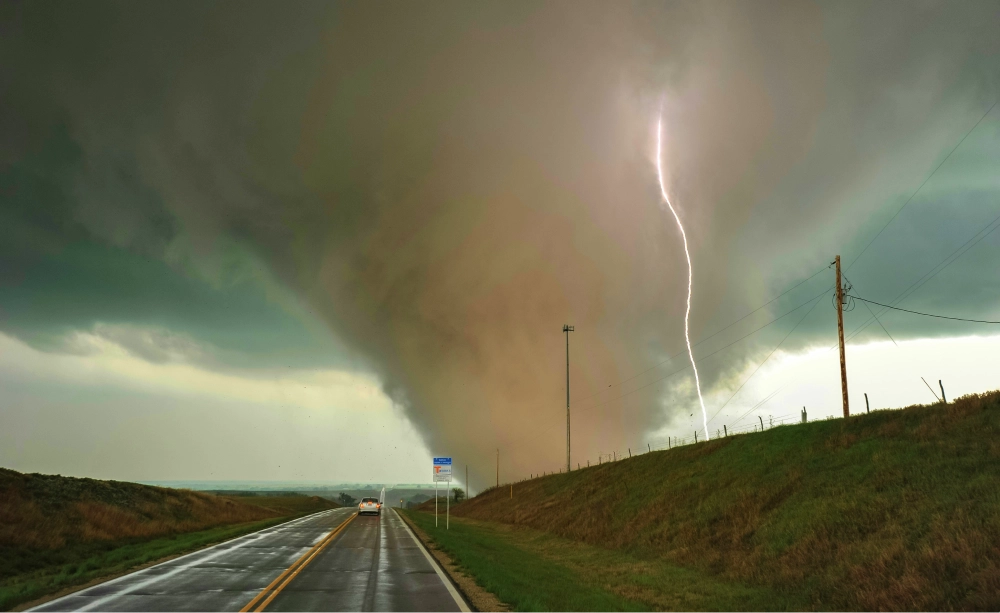
Understanding Texas’s Tornado Climate
Texas holds the unfortunate distinction of experiencing more tornadoes than any other state in the United States. This is largely due to its geographical location at the southern edge of what is famously known as Tornado Alley, a region stretching across the central United States where conditions are frequently ripe for tornado formation. The confluence of warm, moist air from the Gulf of Mexico meeting cool, dry air from the Rocky Mountains and dry air from the desert Southwest creates the atmospheric instability necessary for severe thunderstorms, which can often spawn tornadoes.
The Peak Tornado Months: April, May, and June
While tornadoes can theoretically occur at any time of year in Texas, there is a distinct peak season. The months of April, May, and June are historically the most active for tornado development across the state.
- April: As spring progresses, the atmospheric ingredients become increasingly favorable. Temperatures rise, bringing more humidity northward, and frontal systems frequently move across the state, providing the necessary lift for storms.
- May: This month is often considered the heart of tornado season in Texas, typically seeing the highest frequency of these destructive weather events. The clash of air masses is at its most pronounced, leading to numerous severe weather outbreaks.
- June: While still very active, the focus of tornado activity in Texas tends to shift slightly northward into Oklahoma and Kansas as the summer heat dome begins to build. However, southern and eastern Texas can still experience significant tornado activity, especially with tropical systems forming in the Gulf of Mexico later in the season.
During these months, travelers visiting popular destinations like Dallas, Fort Worth, Austin, and even parts of Houston should be particularly vigilant about weather forecasts. These areas, particularly the North Texas region and the Texas Panhandle, are statistically more prone to tornadoes.
Secondary Seasons and Regional Variations
Beyond the primary spring season, Texas can also experience a secondary, albeit less intense, tornado season in the fall, typically from October to November. During this period, cooler air masses begin to push south, creating renewed frontal activity and opportunities for severe weather, particularly in East Texas and along the Gulf Coast.
It’s also important to note that tornado activity varies significantly across the vast expanse of Texas.
- The Texas Panhandle, including cities like Amarillo and Lubbock, experiences an earlier peak in tornado activity, often in late April and early May, due to its proximity to the heart of Tornado Alley.
- North Texas (e.g., Dallas, Fort Worth) and Central Texas (e.g., Waco, College Station) see their peak in May.
- Towards the Gulf Coast and Southeast Texas (e.g., Houston, Galveston, Corpus Christi), tornadoes can also be associated with tropical storms and hurricanes, which typically occur from June through November. These “landfalling” tropical systems can produce multiple, often weaker, tornadoes.
- West Texas, characterized by its arid climate, generally sees fewer tornadoes than other parts of the state. Even in cities like El Paso, while not immune, the risk is significantly lower.
This regional and seasonal variation highlights the importance of checking localized forecasts for your specific destination within Texas.
Planning Your Texas Trip Around Tornado Season
While the idea of tornadoes might seem daunting, it shouldn’t deter you from experiencing the incredible offerings of Texas. With proper planning and awareness, you can still enjoy a fantastic trip.
Best Times to Visit for Milder Weather
If avoiding the peak tornado season is a top priority, consider visiting Texas during the spring (late March to early April) or the fall (late September to early November).
- Early Spring (March-Early April): This window offers delightful weather across much of the state, with blooming wildflowers like bluebonnets creating picturesque landscapes. Temperatures are generally comfortable, and the severe weather risk is lower than in May and June.
- Fall (Late September-Early November): Autumn in Texas brings crisp air, colorful foliage (especially in East Texas and the Hill Country), and a decrease in humidity. It’s an excellent time for outdoor activities, exploring cities, and enjoying festivals. The risk of tornadoes is also significantly reduced compared to the spring peak.
- Winter (December-February): While some northern parts of Texas can experience cold snaps and occasional ice storms, winter generally offers mild temperatures, especially in southern Texas. This is an ideal time to visit the Gulf Coast or enjoy city attractions without the summer heat or spring storm concerns.

Essential Travel Considerations During Peak Season
For those who must or choose to travel to Texas during the April-June window, here are some key recommendations:
- Stay Informed with Weather Alerts: This is paramount. Utilize reliable weather apps on your smartphone that provide real-time alerts for your specific location. Follow local news and weather broadcasts. The National Weather Service (NWS) provides official watches and warnings. A “tornado watch” means conditions are favorable for tornadoes, while a “tornado warning” means a tornado has been sighted or indicated by radar, requiring immediate action.
- Choose Flexible Bookings: Opt for accommodations and flight reservations that offer flexibility in case weather delays or itinerary changes become necessary. Check the cancellation policies of hotels and attractions.
- Consider Travel Insurance: Comprehensive travel insurance that covers weather-related disruptions, delays, or emergency evacuations can provide peace of mind. Review policies carefully to understand their coverage limits related to natural disasters.
- Research Hotel Safety Protocols: Before booking, especially in areas prone to severe weather, inquire about your hotel’s severe weather plan. Ask if they have designated storm shelters, safe areas (like interior hallways or lower-level rooms away from windows), and how they communicate warnings to guests. Resorts and larger hotels like the Omni Dallas Hotel or the Driskill Hotel in Austin typically have established procedures.
- Pack Appropriately: Beyond typical travel essentials, consider packing a small emergency kit with a flashlight, portable charger for your phone, and any essential medications. Comfortable, closed-toe shoes are also practical in case you need to move quickly.
Safety and Preparedness for Travelers
Being prepared is not about fear, but about empowerment. Knowing what to do in case of severe weather can greatly enhance your safety and reduce anxiety, allowing you to focus on enjoying your trip.
Before You Arrive
- Familiarize Yourself with Warning Systems: Understand the difference between a “tornado watch” and a “tornado warning.” Know that sirens are common in many Texas cities to alert residents to immediate danger, but not all areas have them, and they are not always audible indoors. Your phone’s weather alerts are often the most reliable for travelers.
- Identify Potential Shelters: If you’re staying in a hotel or apartment, ask staff about the designated safe area for tornado threats. If visiting an attraction like Space Center Houston or The Alamo, look for their safety information or ask guides upon arrival.
During Your Stay
- Monitor Local Forecasts Constantly: Use reputable weather sources like the National Weather Service (NOAA Weather Radio, NWS website, or reliable weather apps) for the most up-to-date information specific to your location.
- Heed All Warnings: If a tornado warning is issued for your area, take it seriously and immediately seek shelter.
- In a building: Go to the lowest interior room or hallway, away from windows. Basements, if available, are ideal. If there’s no basement, an interior bathroom or closet on the ground floor is best. Cover your head with your arms.
- In a vehicle: Do not try to outrun a tornado in a car. Seek sturdy shelter indoors or, as a last resort, abandon the vehicle and lie flat in a ditch or other low-lying area, covering your head.
- Outdoors: Seek a sturdy shelter. If none is available, lie flat in a ditch or depression and cover your head.
- Communicate: Keep your travel companions informed. Have a plan for how to contact each other if separated. Ensure your phone is charged.
- Hotel Protocols: In many Texas cities, especially in regions like North Texas, hotels are well-versed in severe weather procedures. Properties like Hotel ZaZa or the Hyatt Regency Dallas will have protocols in place to alert guests and guide them to safe areas. Pay attention to any instructions from hotel staff.
Remember, tornadoes are typically localized events. Even during peak season, the chances of directly encountering one are relatively low for any given traveler. The goal of preparedness is to understand the risk and know how to respond, allowing you to enjoy your Texas adventure with confidence.
Experiencing Texas Beyond the Storms
While understanding tornado season is vital, it’s equally important to remember the incredible depth of experiences Texas offers year-round. Don’t let the possibility of a storm overshadow the vast array of attractions, cultural gems, and natural wonders awaiting you.
Diverse Destinations and Attractions
Texas is a state of immense variety, catering to every type of traveler.
- City Explorers: Immerse yourself in the bustling metropolis of Houston, home to Space Center Houston and a thriving culinary scene. Explore the rich history of Dallas, from the Sixth Floor Museum at Dealey Plaza to the vibrant Dallas Arts District. Discover the unique charm of Austin, the “Live Music Capital of the World,” known for its eclectic vibe and outdoor activities. And, of course, no visit to Texas is complete without wandering the historic Riverwalk and visiting The Alamo in San Antonio.
- Nature Enthusiasts: Venture west to Big Bend National Park for breathtaking desert landscapes, challenging hikes, and incredible stargazing opportunities. Discover the towering peaks of Guadalupe Mountains National Park. Or, head to the coast to enjoy the pristine beaches of Padre Island National Seashore or the family-friendly attractions of Moody Gardens in Galveston.
- Cultural Immersion: Experience the unique German heritage in Fredericksburg, known for its wineries and charming Main Street. Catch a legendary country music show in Luckenbach. Or, explore the vibrant Tejano culture along the border in South Texas.
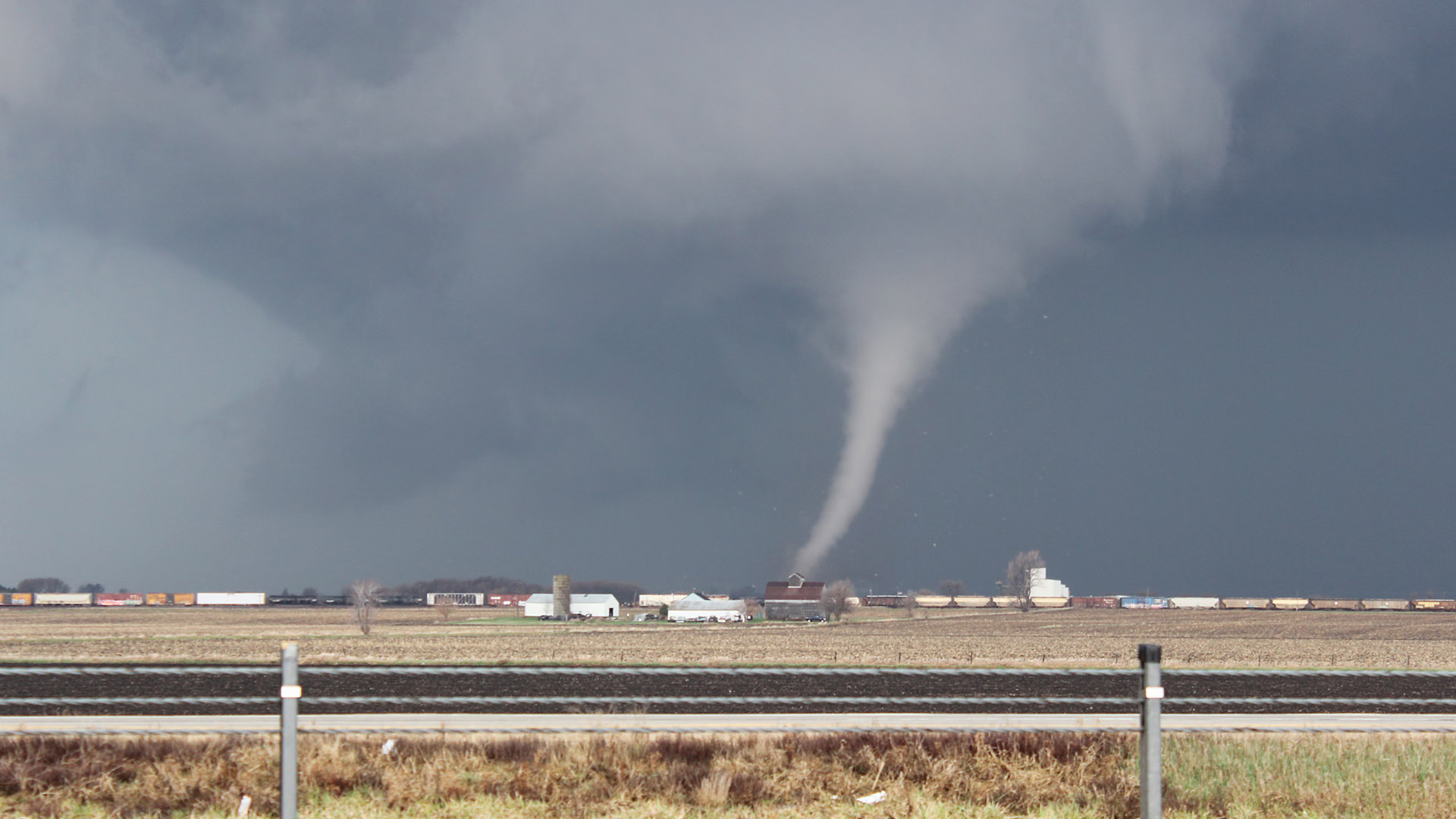
Making the Most of Your Accommodation
Texas offers an incredible range of accommodation options, from luxurious resorts and boutique hotels to cozy bed and breakfasts and convenient extended-stay apartments.
- Luxury Travel: Indulge in properties like the Four Seasons Resort and Club Dallas at Las Colinas for world-class amenities and service.
- Family Trips: Look for resorts in destinations like The Woodlands or Grapevine that offer extensive activities and kid-friendly pools.
- Budget-Friendly Options: Many cities provide a wide selection of affordable yet comfortable hotels and vacation rentals, allowing you to maximize your travel budget while still enjoying prime locations.
No matter when you choose to visit, Texas promises an adventure filled with discovery and unforgettable memories. By being mindful of the weather and taking simple precautions, you can ensure your trip is both exciting and safe. The spirit of the Lone Star State is grand and welcoming, ready to enchant every visitor with its unique brand of hospitality and endless possibilities. So pack your bags, prepare for any weather, and get ready to explore the vast and captivating landscapes of Texas.
LifeOutOfTheBox is a participant in the Amazon Services LLC Associates Program, an affiliate advertising program designed to provide a means for sites to earn advertising fees by advertising and linking to Amazon.com. Amazon, the Amazon logo, AmazonSupply, and the AmazonSupply logo are trademarks of Amazon.com, Inc. or its affiliates. As an Amazon Associate we earn affiliate commissions from qualifying purchases.