
The aroma of sizzling steaks, the crunch of complimentary peanuts, and the lively atmosphere of country music and line dancing have become synonymous with the name Texas Roadhouse. For millions of diners across the globe, this casual steakhouse chain represents an authentic, high-energy dining experience rooted in American hospitality. It’s a place where families gather, friends celebrate, and travelers find a comforting, consistent meal. While its name evokes images of the Lone Star State, many are surprised to learn that Texas Roadhouse’s origins lie far from the vast plains of Texas. Its story is a testament to an audacious vision, relentless dedication, and a commitment to simple, well-executed principles that have allowed it to become a beloved fixture in the culinary landscape, attracting both locals and tourists seeking memorable food experiences.
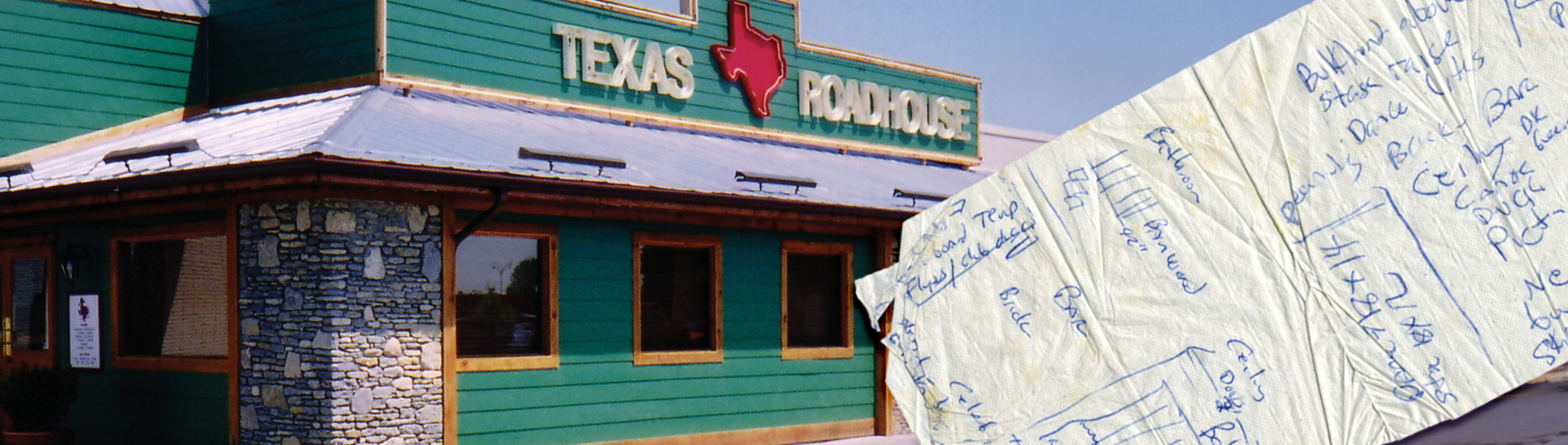
The Visionary Behind the Legendary Steakhouse
The journey of Texas Roadhouse began not with a grand corporate strategy, but with the personal dream of one man: W. Kent Taylor. A visionary in the restaurant industry, Taylor had a clear objective: to create a steakhouse that offered high-quality, hand-cut steaks at an affordable price, served in a fun, family-friendly environment. He envisioned a place where guests felt genuinely welcome, where the food was consistently excellent, and where the atmosphere was as much a part of the meal as the menu itself.
Before embarking on the Texas Roadhouse venture, W. Kent Taylor had already gained significant experience in the restaurant world, including a stint at KFC, where he worked under its legendary founder, Colonel Sanders. This background provided him with invaluable insights into the intricacies of scaling a successful food business and the importance of a strong, distinctive brand. However, despite his experience, securing funding for his ambitious concept proved challenging. Many investors doubted the viability of an affordable steakhouse model, believing that quality and price were inherently at odds. Undeterred, Taylor cobbled together capital from a variety of sources, including family and friends, and bravely pushed forward with his dream. His determination underscored the entrepreneurial spirit that would become a hallmark of the Texas Roadhouse brand. He was not just building a restaurant; he was crafting an experience, a destination for comfort food and genuine hospitality that he believed would resonate deeply with the American public.
From Concept to Reality: The Inaugural Location
The inaugural Texas Roadhouse restaurant opened its doors on February 17, 1993, not in Texas, but in Clarksville, Indiana. This choice of location, a bustling suburban area just across the Ohio River from Louisville, Kentucky, was strategic. Taylor saw an opportunity to serve a diverse demographic, combining elements of urban accessibility with a suburban community feel. The initial investment in the Clarksville location was modest, reflecting the challenges Taylor faced in raising capital. However, what it lacked in initial grandeur, it made up for in its commitment to quality and atmosphere. The first Texas Roadhouse immediately began to forge its identity, offering a simple yet compelling menu centered around hand-cut steaks, ribs, and fresh-baked bread, all prepared with an emphasis on scratch cooking.
The early days were marked by Taylor’s hands-on approach, demonstrating his commitment to every detail of the guest experience. He was often found greeting customers, clearing tables, or even working the grill, ensuring that his vision was executed flawlessly. This foundational period in Clarksville was crucial, allowing the team to perfect the operational model, refine the menu, and solidify the unique culture that would define the brand. It was here that the initial “legendary” experience was born, drawing in local residents and laying the groundwork for what would become a nationwide phenomenon. The success of this first location validated Taylor’s belief that there was a significant market for an unpretentious, high-quality steakhouse that prioritized both value and fun. This original Indiana outpost proved that good food, genuine hospitality, and a lively atmosphere could indeed go hand-in-hand, even when offered at an accessible price point, setting a new benchmark for casual dining and creating a blueprint for its subsequent expansion into an iconic culinary destination.
Cultivating a Culture of “Legendary Food, Legendary Service”
The rapid growth and enduring popularity of Texas Roadhouse can be attributed not just to its menu, but to the distinctive culture fostered from its very first day. W. Kent Taylor understood that dining out was about more than just food; it was about the entire experience. He sought to create a place where both employees and guests felt like family, contributing to an atmosphere that was genuinely warm, inviting, and memorable. This philosophy, encapsulated in the mantra “Legendary Food, Legendary Service,” became the guiding principle for every aspect of the restaurant’s operations, transforming it from a simple eatery into a celebrated destination for food, fun, and fellowship. The careful cultivation of this unique culture ensured consistency across all locations, allowing the Texas Roadhouse brand to thrive and become a recognizable beacon of American casual dining for travelers and locals alike.
The Signature Elements That Defined a Brand
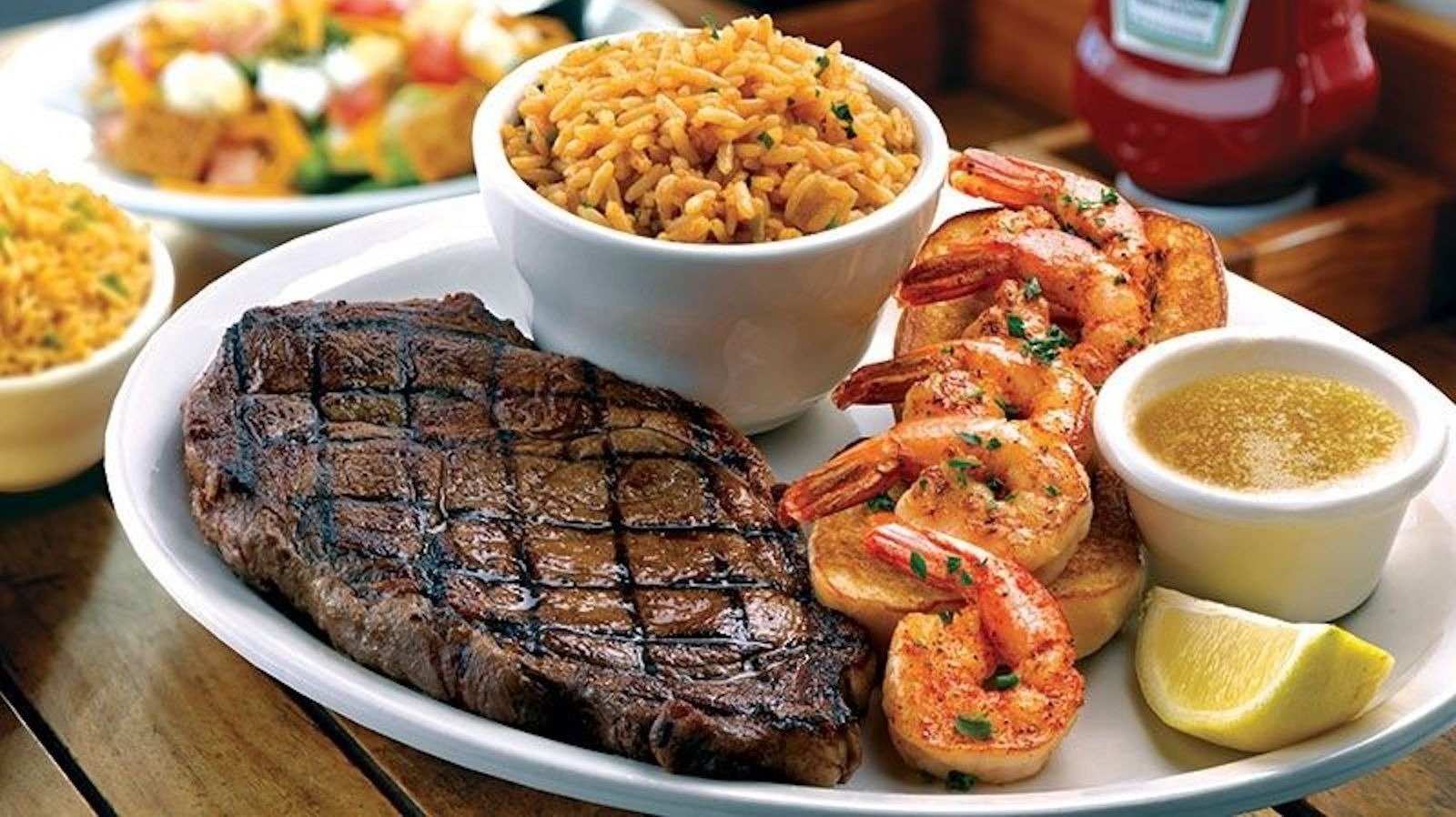
From its inception, Texas Roadhouse differentiated itself with several signature elements designed to enhance the dining experience. Central to its appeal were the hand-cut steaks, prepared in-house by trained meat cutters. This commitment to freshness and quality was visible to guests, as slabs of meat were often displayed in a butcher-shop style case near the entrance, emphasizing the restaurant’s dedication to premium ingredients. Alongside the steaks, the made-from-scratch sides—including generous portions of mashed potatoes, baked potatoes, and fresh vegetables—further underscored the restaurant’s promise of wholesome, homemade goodness.
Beyond the main courses, two complimentary items quickly became iconic: the bottomless buckets of roasted peanuts and the warm, fluffy yeast rolls served with honey cinnamon butter. These simple yet delightful touches immediately set the tone, encouraging guests to relax and enjoy a casual, interactive start to their meal. The playful act of tossing peanut shells on the floor became a quirky tradition, signaling an unpretentious, fun environment.
The atmosphere itself was meticulously crafted to be energetic and engaging. Country music, carefully curated to appeal to a broad audience, filled the air, contributing to the restaurant’s lively ambiance. Perhaps the most celebrated cultural element, however, was the line dancing. At various intervals throughout the evening, servers would break into choreographed line dances, injecting an extra dose of entertainment and creating an infectious sense of joy that often encouraged guests to clap along. This unique blend of quality food, interactive elements, and vibrant entertainment made Texas Roadhouse more than just a place to eat; it became a dining attraction, a destination for those seeking an immersive and enjoyable culinary experience that stood apart from typical restaurant offerings, making it a compelling spot for travelers exploring local culture and food.
Early Growth and Expansion Beyond Indiana
The success of the first Texas Roadhouse in Clarksville, Indiana, quickly demonstrated the widespread appeal of W. Kent Taylor’s concept. What began as a single ambitious venture soon blossomed into a burgeoning chain, propelled by enthusiastic customer reception and a consistent operational model. The immediate success spurred rapid expansion, starting with new locations in nearby Louisville, Kentucky. This initial geographical leap proved that the “legendary” experience could be replicated, maintaining its unique charm and quality across different communities.
By the mid-1990s, Texas Roadhouse began its broader expansion across the United States. The company carefully selected new markets, often focusing on suburban areas with strong family demographics and a hunger for value-driven, high-quality dining options. States like Ohio, Florida, Arizona, North Carolina, and South Carolina soon welcomed their own Texas Roadhouse establishments. This expansion was not just about opening new restaurants; it was about embedding the Texas Roadhouse culture into new communities, training local teams to uphold the high standards of food preparation and customer service that had become its hallmark. The consistent quality of its hand-cut steaks, the welcoming atmosphere, and the energetic service resonated deeply with diners regardless of their geographical location.
The company’s growth strategy was deliberate and focused, prioritizing sustainable expansion over aggressive, unfocused proliferation. This allowed for careful site selection, robust employee training, and the establishment of strong community ties in each new market. As the chain grew, it became increasingly evident that W. Kent Taylor’s vision tapped into a fundamental desire for approachable, enjoyable dining experiences. The consistent delivery of “Legendary Food, Legendary Service” across various regions ensured that Texas Roadhouse solidified its reputation as a reliable and beloved dining destination, evolving from a local Indiana gem into a nationally recognized brand that seamlessly integrated into the culinary tapestry of diverse American cities and towns, becoming a point of interest for both local residents and travelers exploring new destinations.
Texas Roadhouse as a Culinary Destination and Travel Experience
Over the past three decades, Texas Roadhouse has transcended its origins as a casual steakhouse to become a significant player in the broader hospitality and tourism landscape. Its consistent brand identity, vibrant atmosphere, and commitment to quality food have made it a reliable culinary destination for travelers and a beloved local spot for residents. In an era where culinary tourism is flourishing, Texas Roadhouse offers a distinct American dining experience that appeals to a wide range of tastes and preferences, making it an intriguing stop on any travel itinerary, whether for a family vacation or a business trip. Its widespread presence means that travelers can often find a familiar, comforting meal in various cities and countries, making their journey feel a little more like home.
A Taste of the Wild West Across the United States and Beyond
Despite its landlocked Indiana origins, Texas Roadhouse has successfully cultivated an image deeply rooted in the spirit of the American Wild West. From its rustic décor featuring saddles, cowboy boots, and license plates, to its country music soundtrack, every element is designed to evoke a sense of rugged individualism and friendly, down-home hospitality. This thematic consistency has allowed it to seamlessly integrate into the local food scenes of diverse cities and states across the United States. Whether you’re in Kansas, New Mexico, or Florida, the Texas Roadhouse experience remains remarkably consistent, providing a reassuring sense of familiarity for travelers exploring new destinations.
For tourists, especially those from international backgrounds, Texas Roadhouse offers an accessible entry point into American culinary culture. It’s a place where they can savor classic American comfort food – succulent steaks, hearty ribs, and generous sides – in an environment that is distinctly American, yet universally welcoming. This makes it a compelling choice for individuals and families seeking authentic food experiences that are both enjoyable and predictable, an important consideration when traveling.
Beyond the domestic market, Texas Roadhouse has also expanded its footprint internationally, bringing its unique brand of American hospitality to a global audience. The chain has successfully opened locations in countries such as Mexico, the Philippines, Taiwan, and even across the Middle East in places like Dubai (United Arab Emirates), Saudi Arabia, Kuwait, Qatar, and Bahrain. These international outposts not only cater to expatriates but also introduce local populations to a slice of American dining culture, often becoming popular landmarks for both residents and visitors seeking diverse food options. The ability of Texas Roadhouse to translate its core values and dining experience across different cultures speaks volumes about the universal appeal of good food, friendly service, and a lively atmosphere, firmly establishing its role in global culinary tourism. Its presence in vibrant cities like Abu Dhabi and Shanghai (China) underscores its ability to adapt and thrive in diverse hospitality landscapes, offering a familiar taste of home or an exciting new experience, depending on the traveler.
Why Texas Roadhouse Continues to Thrive in the Modern Hospitality Landscape
In an increasingly competitive restaurant industry, Texas Roadhouse’s enduring success is a testament to its consistent adherence to its foundational principles. Its focus on value—providing high-quality food in generous portions at an affordable price point—has always resonated with consumers, especially in economic climates where diners are more conscious of their spending. This value proposition, combined with the unparalleled consistency of its food and service across all locations, builds strong trust and loyalty among its customer base. Whether a guest visits a Texas Roadhouse in Indiana or Taiwan, they can expect the same legendary experience, a crucial factor for a brand that appeals to travelers.
The restaurant’s lively and welcoming atmosphere also plays a significant role in its sustained popularity. In an age dominated by fast-casual and digital dining, the human element of enthusiastic servers, spontaneous line dancing, and the interactive fun of peanuts contributes to a unique dining experience that cannot be easily replicated. This vibrant environment makes it an ideal spot for family outings, celebrations, and casual gatherings, fitting perfectly into the “lifestyle” aspect of dining experiences.
Furthermore, Texas Roadhouse’s strategic presence often positions it as a convenient dining option near popular travel destinations and various forms of accommodation, from budget-friendly hotels to upscale resorts. For travelers, finding a reliable, family-friendly restaurant close to their lodging is a significant advantage, simplifying their search for dining experiences after a day of sightseeing. The brand has demonstrated a remarkable ability to adapt and innovate while staying true to its core identity. It has successfully navigated shifts in consumer preferences, maintained high employee morale, and fostered a deep sense of community, both within its walls and in the neighborhoods it serves.
Ultimately, Texas Roadhouse continues to thrive because it offers more than just a meal; it offers an experience. It’s a place where “Legendary Food, Legendary Service” translates into a memorable occasion, embodying a slice of American culture and hospitality that resonates far beyond its humble origins in Clarksville, Indiana. Its journey from a single restaurant to an international chain is a compelling story of how a clear vision, unwavering commitment to quality, and an exceptional customer experience can create an enduring legacy in the global hospitality industry, making it a true landmark in the world of casual dining.
LifeOutOfTheBox is a participant in the Amazon Services LLC Associates Program, an affiliate advertising program designed to provide a means for sites to earn advertising fees by advertising and linking to Amazon.com. Amazon, the Amazon logo, AmazonSupply, and the AmazonSupply logo are trademarks of Amazon.com, Inc. or its affiliates. As an Amazon Associate we earn affiliate commissions from qualifying purchases.