
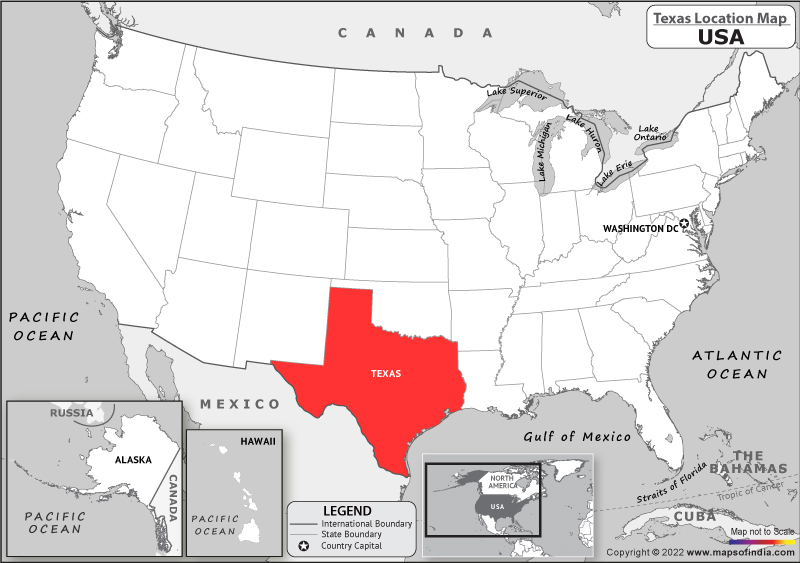
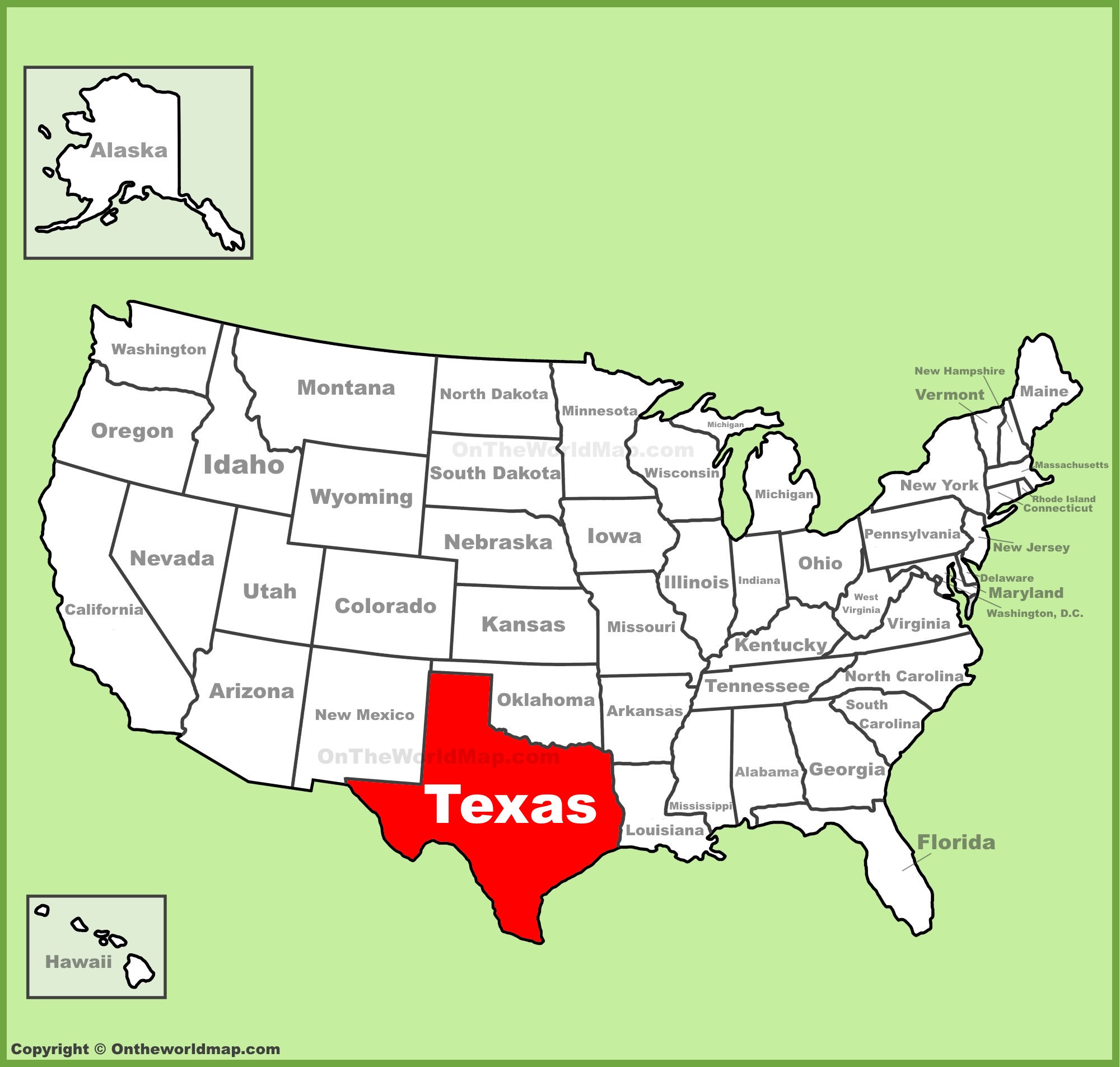
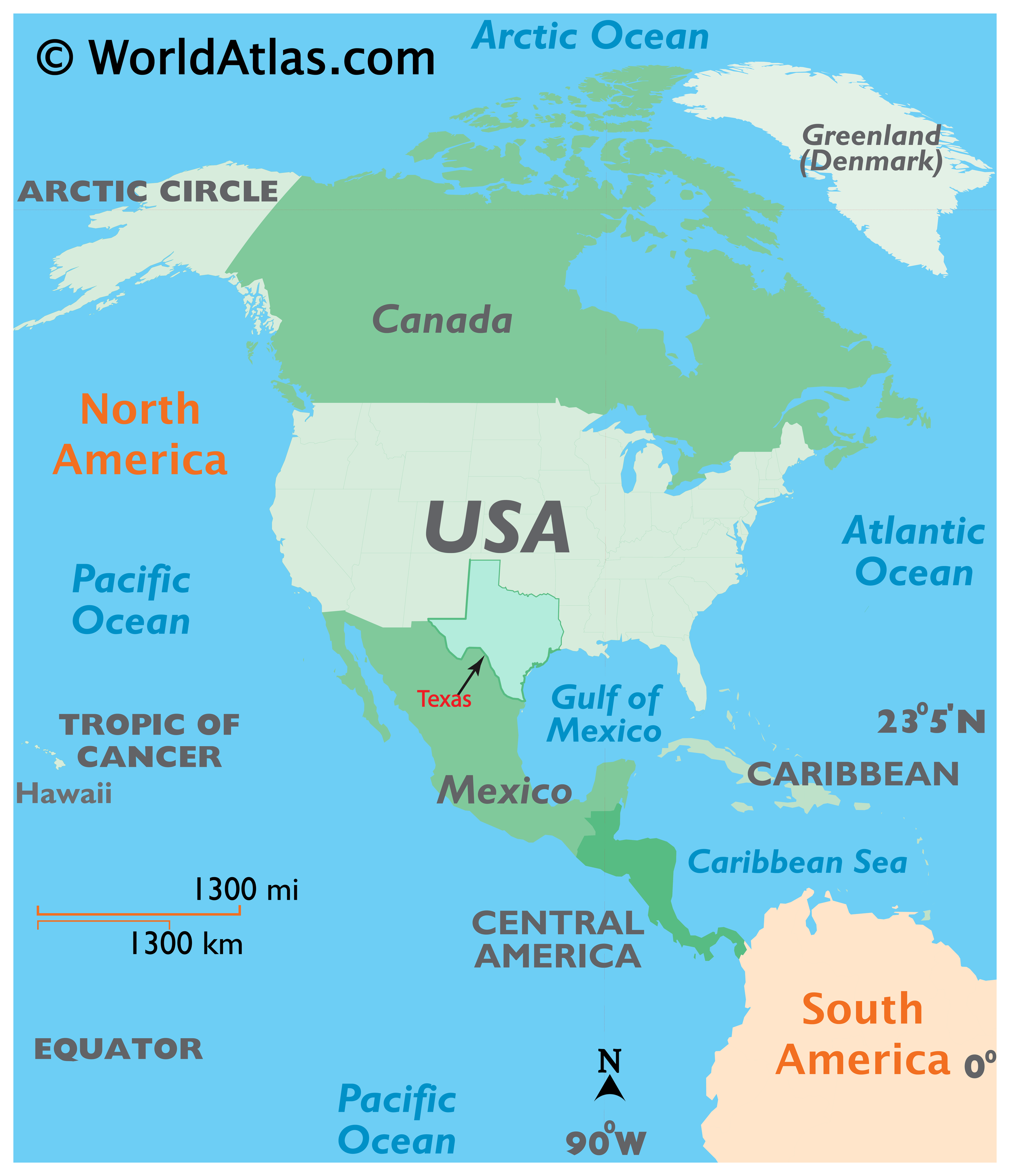
Texas, often known as the Lone Star State, holds a prominent and geographically significant position within the United States of America (USA). Nestled in the south-central part of the nation, it is the second-largest state by both area and population, a vast expanse that bridges the cultural and ecological landscapes of the American South and the American Southwest. Its unique location not only defines its diverse geography but also profoundly influences its rich history, vibrant culture, and unparalleled appeal as a travel and tourism destination. For anyone planning to explore the vastness of the USA, understanding exactly where Texas lies is the first step in unlocking an adventure filled with everything from arid deserts and rolling hills to bustling metropolises and serene coastlines.
The Geographical Heart of the American South and Southwest
Texas’s precise location is what grants it such a distinct identity and makes it a gateway to numerous distinct regions. It occupies a prime spot, extending from the semi-arid Chihuahuan Desert in the west to the pine forests of the east, and from the Red River valley in the north down to the subtropical Gulf Coast in the south. This south-central positioning means it shares characteristics with both the deep South and the rugged Southwest, offering visitors an eclectic mix of experiences that are hard to find in a single state elsewhere.
A State of Immense Scale and Diverse Landscapes
To truly grasp the location of Texas, one must appreciate its sheer size. Spanning approximately 268,596 square miles (695,662 square kilometers), it is almost three times the size of the entire United Kingdom and larger than most European countries. This immense scale means that traveling within Texas often feels like crossing multiple states, each with its own distinct flavor.
Geographically, Texas is often divided into several major regions, each influenced by its specific sub-location:
- Gulf Coastal Plains: Located along the southeastern edge, bordering the Gulf of Mexico. This region is characterized by flat plains, marshes, barrier islands, and vital port cities like Houston and Corpus Christi.
- Interior Lowlands: Moving inland from the Gulf Coastal Plains, this area covers much of north-central Texas, featuring rolling prairies and fertile farmlands. Dallas and Fort Worth are major hubs here.
- Great Plains: Extending across the panhandle and into west-central Texas, this high, flat plateau is known for its agricultural prowess, rugged canyons, and the iconic “Big Sky” country. Cities such as Amarillo and Lubbock are found in this region.
- Basin and Range Province: Tucked away in far West Texas, this mountainous desert region shares geological features with New Mexico and Arizona. It’s home to the state’s highest peaks and the breathtaking wilderness of Big Bend National Park.
This geographical diversity ensures that whether you’re seeking a beach vacation, a mountain retreat, an urban exploration, or a dive into cowboy culture, Texas has a destination to match.
Bordering Neighbors and Key Access Points
Texas shares extensive borders with several other USA states and an international neighbor, further solidifying its pivotal location:
- North: Oklahoma
- Northeast: Arkansas
- East: Louisiana
- West: New Mexico
- South: The Rio Grande River forms its international border with Mexico.
- Southeast: The Gulf of Mexico provides a vital maritime boundary.
These borders make Texas easily accessible by road from surrounding states and by air through its numerous international airports, including George Bush Intercontinental Airport in Houston (IAH) and Dallas/Fort Worth International Airport (DFW), which serve as major global travel hubs.
Why Texas’s Location Makes It a Premier Travel Destination
The sheer scale and strategic location of Texas are not just geographical facts; they are foundational to its appeal as a premier travel destination. Its position allows for an unparalleled array of experiences, drawing on influences from Native American, Spanish, Mexican, and Anglo-American cultures, all woven into the fabric of the Lone Star State.
Unpacking Diverse Travel Experiences
Because of its extensive borders and varied topography, travel in Texas caters to every kind of traveler and every style of lifestyle.
- Nature Enthusiasts: The West Texas desert offers stargazing, hiking, and stunning geological formations in Big Bend National Park and Guadalupe Mountains National Park. The Gulf Coast provides opportunities for birdwatching, fishing, and relaxing on sandy beaches, with destinations like Galveston Island and Padre Island National Seashore. The Texas Hill Country, with its rolling hills, spring-fed rivers, and abundant wildflowers (especially bluebonnets in spring), is perfect for scenic drives, winery tours, and water activities.
- History Buffs: The state is rich in history, from the battle cry of “Remember the Alamo” in San Antonio to the historic missions and cattle trails. Early colonial settlements, frontier forts, and battlefields scatter across the landscape, telling tales of independence and cultural clashes.
- Culture Seekers: Texas boasts a vibrant arts and music scene, particularly in Austin, the “Live Music Capital of the World.” Its cuisine reflects its diverse heritage, from authentic Tex-Mex and barbecue to upscale international dining, offering a true culinary journey.
- Adventure Travelers: Horseback riding, kayaking, rock climbing, and even surfing are all readily available thanks to Texas’s varied terrain and coastline.
Iconic Cities and Their Unique Appeals
Each major city in Texas acts as a micro-destination, offering a distinct cultural and lifestyle experience:
- Houston: Located in the southeastern part of the state, close to the Gulf of Mexico, Houston is a global city known for its energy industry, space exploration (NASA Johnson Space Center), world-class medical facilities, and incredibly diverse culinary scene. It’s a hub for business travelers and families alike, offering extensive museum districts and vibrant neighborhoods.
- Dallas: Situated in North Texas, Dallas is a sophisticated metropolis famous for its upscale shopping, dynamic arts district, and significant historical sites, including the Sixth Floor Museum at Dealey Plaza. It’s an economic powerhouse with a vibrant urban lifestyle.
- Fort Worth: Just west of Dallas, Fort Worth retains much of its Western heritage, epitomized by the historic Stockyards National Historic District, complete with cattle drives and rodeo shows. It offers a more relaxed, authentic cowboy experience contrasted with Dallas’s modernity.
- Austin: The state capital, located in the heart of the Texas Hill Country, Austin is renowned for its “Keep Austin Weird” motto, live music scene, burgeoning tech industry, and outdoor activities along Lady Bird Lake. It’s a magnet for young professionals and creatives.
- San Antonio: Southeast of Austin, San Antonio is arguably the most historically rich city in Texas, home to The Alamo and the picturesque Riverwalk. Its strong Hispanic influence is evident in its architecture, cuisine, and festivals, offering a unique blend of cultures.
Accommodation and Hospitality in the Lone Star State
Given its vastness and popularity as a tourist destination, Texas offers an extensive range of accommodation options to suit every budget, preference, and travel style. From luxurious city hotels to charming countryside villas, finding the perfect place to stay is an integral part of the Texas experience.
From Luxury Resorts to Budget-Friendly Stays
The hospitality sector in Texas is as diverse as its landscapes. In major cities like Houston, Dallas, and Austin, travelers can find an abundance of high-end hotels and resorts offering premium amenities, fine dining, and unparalleled service. Brands like Four Seasons Hotels and Resorts, Ritz-Carlton, and JW Marriott have strong presences, catering to luxury travel and business stays. These often feature lavish suites, expansive pool decks, and concierge services, ideal for those seeking an indulgent experience.
For those on a budget, Texas also provides a wealth of affordable hotels, motels, and extended-stay apartments. Many well-known chains offer comfortable and clean options across the state, ensuring that budget travel doesn’t mean compromising on quality. Websites and apps dedicated to accommodation booking make it easy to compare prices and find deals, especially for long-term stays or family trips.
Unique Lodging Experiences Across Texas
Beyond traditional hotels, Texas excels in offering unique and memorable lodging:
- Boutique Hotels: In areas like the Texas Hill Country and historic city districts, boutique hotels provide character, personalized service, and a distinct local flavor. Many are housed in beautifully restored historic buildings, offering a blend of modern comfort and old-world charm.
- Ranch Stays and Guest Ranches: For an authentic Texas experience, consider a stay at a working ranch or a dedicated guest ranch. These accommodations often include activities like horseback riding, cattle drives, and cowboy cookouts, immersing visitors in the local culture and lifestyle.
- Vacation Rentals (Apartments, Villas): Platforms offering vacation rentals are popular throughout Texas, providing options for private homes, apartments, and villas. These are particularly appealing for families or groups, offering more space, privacy, and the convenience of self-catering. Coastal towns like Port Aransas and lake destinations are rich with such options.
- Glamping and Camping: For nature lovers, Texas’s state parks and national parks offer abundant camping sites, from primitive tent camping to RV parks with full hookups. Glamping, or glamorous camping, is also gaining popularity, with luxury tents and cabins providing comfort amidst natural beauty, particularly around areas like Big Bend or the Hill Country.
When choosing accommodation, reviews and comparisons are invaluable. Many travelers prioritize amenities like pools, fitness centers, pet-friendly policies, or proximity to specific attractions, all of which are readily available across the state.
Exploring Texas’s Rich Tapestry of Landmarks and Culture
The strategic location of Texas has not only shaped its geography but also its profound historical narrative and vibrant cultural identity, leaving behind an incredible array of landmarks and traditions waiting to be discovered. Tourism in Texas is a deep dive into American heritage.
Historical Significance and Natural Wonders
Texas is replete with famous places that tell stories of its past and showcase its natural splendor:
- The Alamo (San Antonio): An enduring symbol of Texas independence, this 18th-century Spanish mission and fortress is a must-visit landmark. It stands as a testament to courage and sacrifice, deeply embedded in the state’s historical narrative.
- San Antonio Riverwalk: Beyond The Alamo, San Antonio’s Riverwalk is a charming network of walkways along the San Antonio River, bordered by shops, restaurants, and hotels. It’s a prime example of urban planning that embraces local culture and natural beauty.
- NASA Johnson Space Center (Houston): For those fascinated by science and space, the Johnson Space Center offers an inspiring look into America’s space exploration efforts. It’s a landmark of human ingenuity and a significant contributor to Houston’s identity.
- Big Bend National Park (West Texas): This vast national park along the Rio Grande border with Mexico offers stunning desert landscapes, diverse wildlife, and opportunities for hiking, rafting, and backcountry exploration. It’s a testament to Texas’s incredible natural diversity and conservation efforts.
- State Capitol Building (Austin): As the seat of state government, the magnificent Texas State Capitol in Austin is a landmark of impressive architecture and historical significance, offering tours that delve into Texas’s political past.
Culinary Journeys and Local Lifestyle
The local culture in Texas is undeniably vibrant, heavily influenced by its geographical position at a crossroads of different traditions. Food is a massive part of this. Tex-Mex cuisine, a fusion of Texas and Mexican flavors, is a culinary pillar, exemplified by dishes like fajitas, chili con queso, and enchiladas. Barbecue is another iconic food, with regional variations that range from East Texas’s pulled pork to Central Texas’s legendary brisket. Food trucks, fine dining, and rustic diners all contribute to a rich and varied food scene.
Beyond food, the Texas lifestyle embraces everything from two-stepping in dance halls and attending rodeos to enjoying live music concerts and exploring art galleries. The hospitality of its people, often described as “Southern charm with a Western twist,” adds another layer to the enriching experience of traveling through the state. Tips for visitors often include embracing the slower pace of the countryside, the energetic pulse of the cities, and the friendly demeanor of the locals.
Planning Your Texas Adventure: Tips and Practicalities
Planning a trip to Texas requires consideration of its immense size and diverse offerings. From the best time to visit to navigating its vast distances, a few practical tips can enhance your travel experience.
Best Time to Visit and Transportation
- Climate Considerations: Due to its vastness, the best time to visit Texas varies by region. Spring (March-May) and Fall (September-November) generally offer the most pleasant weather statewide, with milder temperatures ideal for outdoor activities and city exploration. Summers can be intensely hot, especially inland and in the desert, while winters are mild in the south but can bring cold snaps and even snow to the Panhandle.
- Getting Around: Given the large distances between major cities and attractions, a rental car is highly recommended for exploring Texas. This provides the flexibility to explore at your own pace. Major airports in Houston, Dallas, Austin, and San Antonio offer numerous car rental options. For inter-city travel, domestic flights are also available, and bus services connect major towns, though they can be time-consuming.
Budgeting and Lifestyle Choices for Your Trip
- Budget Travel: Texas can cater to all budgets. For budget travel, consider staying in motels or hostels, utilizing public transportation where available (mostly within cities), and enjoying free attractions like parks, historic walking tours, or free museum days. Eating at local diners or food trucks can also be more economical and offer authentic culinary experiences.
- Luxury Travel: For those seeking luxury travel, Texas delivers with five-star hotels, exclusive resorts (especially in the Hill Country wine region), private tours, and high-end shopping districts in Dallas and Houston. Concierge services at luxury accommodations can arrange bespoke experiences, from private ranch visits to gourmet dining.
- Family Trips: Texas is exceptionally family-friendly, with attractions ranging from amusement parks (Six Flags Over Texas) and zoos to historical sites and natural wonders. Many hotels offer family suites and kid-friendly amenities.
- Business Stays: Major cities like Houston, Dallas, and Austin are significant business hubs, offering extensive convention centers, business-friendly hotels, and corporate travel services.
In conclusion, the answer to “Where is Texas located in USA?” is far more than a simple geographical coordinate. It’s about a state strategically placed to offer an entire continent’s worth of experiences within its borders. Its position at the crossroads of the American South and Southwest creates a vibrant tapestry of landscapes, cultures, and opportunities for every kind of traveler, solidifying its status as one of the most dynamic and rewarding travel destinations in the United States.
LifeOutOfTheBox is a participant in the Amazon Services LLC Associates Program, an affiliate advertising program designed to provide a means for sites to earn advertising fees by advertising and linking to Amazon.com. Amazon, the Amazon logo, AmazonSupply, and the AmazonSupply logo are trademarks of Amazon.com, Inc. or its affiliates. As an Amazon Associate we earn affiliate commissions from qualifying purchases.