
The iconic State Fair of Texas, a beacon of autumn in the United States and a quintessential Texas tradition, holds a special place in the hearts of millions. For those eager to experience its unique blend of culture, cuisine, and exhilarating entertainment, the first question is always: “Where exactly does this grand spectacle take place?” The answer lies firmly in the heart of Dallas, within the sprawling and historic grounds of Fair Park.
Nestled just southeast of downtown Dallas, Fair Park is more than just a venue; it’s a National Historic Landmark renowned for its stunning Art Deco architecture and its profound cultural significance. Each fall, typically from late September through mid-October, this vibrant site transforms into the epicenter of the Lone Star State’s largest and longest-running annual fair. Visitors from across the globe descend upon Dallas to witness a tradition that dates back to 1886, making it not only a premier travel destination but also a rich cultural experience.
Discovering the Heart of the Lone Star State: Fair Park, Dallas
Fair Park is a 277-acre recreational and educational complex, making it an attraction in itself, even outside of fair season. Its designation as a National Historic Landmark in 1986 underscores its importance not just to Dallas but to the entire nation. The park is a remarkable example of Art Deco design, featuring numerous buildings, sculptures, and murals from the 1930s, many of which were constructed for the Texas Centennial Exposition in 1936. During the State Fair of Texas, these historic structures house various exhibits, from creative arts and agricultural displays to cultural performances and educational programs, blending history with contemporary entertainment.
The fair’s location in Dallas also places it within easy reach of a major metropolitan area, offering an abundance of accommodation options, diverse culinary experiences, and numerous other attractions for fair-goers to explore. This strategic positioning makes planning a trip to the State Fair of Texas an exciting endeavor, promising a comprehensive travel experience that extends far beyond the fairgrounds themselves.
A Legacy of Celebration: The Fair’s Rich History
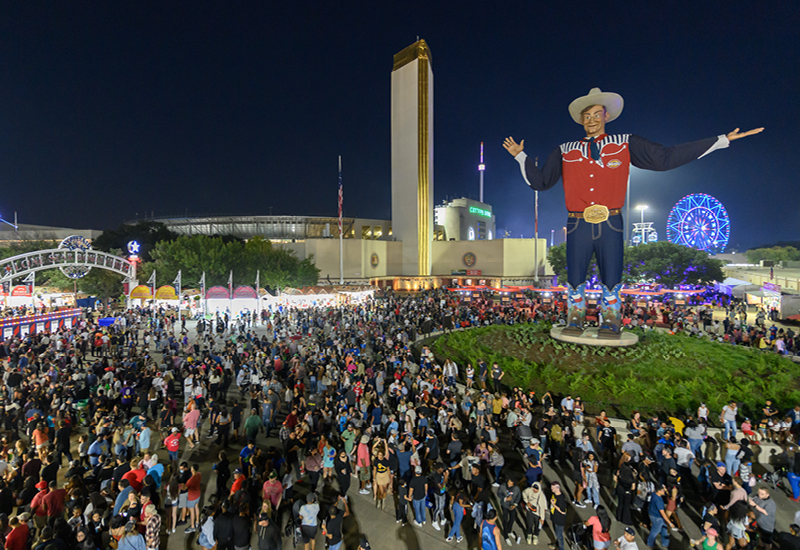
The State Fair of Texas boasts a storied past, originating as a modest agricultural exhibition designed to showcase the state’s bountiful produce and livestock. Over its more than 135-year history, it has evolved into an extraordinary event, maintaining its agricultural roots while embracing innovation and entertainment. Its iconic mascot, Big Tex, a 55-foot-tall talking cowboy statue, has been a beloved symbol since 1952, welcoming millions of visitors with his booming “Howdy, folks!” Big Tex not only serves as a meeting point for families and friends but also embodies the fair’s larger-than-life spirit.
The fair’s history is intertwined with that of Fair Park itself. The development of the park’s Art Deco architecture for the Texas Centennial Exposition transformed it into a permanent showcase of Texan heritage and progress. Each year, the fair continues this tradition, offering a unique window into Texas culture, from traditional rodeo events and livestock shows to cutting-edge auto exhibits and thrilling midway rides. This blend of tradition and modernity is a testament to the fair’s enduring appeal and its ability to captivate successive generations.
What to Expect: Attractions and Experiences
A visit to the State Fair of Texas is an assault on the senses in the best possible way. The sheer scale and variety of attractions can be overwhelming, yet incredibly exhilarating. Culinary enthusiasts flock to sample the famous fried foods, from the legendary Fletcher’s Original Corny Dogs to an ever-evolving array of innovative, deep-fried concoctions that challenge the imagination. Food is a central pillar of the fair experience, making it a must-visit for anyone interested in local food and unique culinary adventures.
Beyond the gastronomic delights, the fair offers a kaleidoscope of entertainment. The Midway features classic carnival rides and state-of-the-art thrill rides, while the daily Starlight Parade dazzles with illuminated floats and performers. Live music concerts, educational exhibits on science and technology, and the popular Auto Show (one of the largest in the Southwest) provide diverse appeal. For those interested in agriculture, the livestock barns showcase prize-winning animals, reflecting the fair’s deep connection to Texas’s farming heritage. The Cotton Bowl Stadium, a historic landmark within Fair Park, hosts the annual Red River Showdown college football game during the fair, adding another layer of excitement for sports fans. This diverse array of activities ensures that every visitor, regardless of age or interest, finds something to marvel at and enjoy.
Planning Your Trip: Getting There and Around
Given the immense popularity of the State Fair of Texas, meticulous planning is key to a smooth and enjoyable visit. Dallas is a major transportation hub, making it easily accessible for domestic and international travelers. The city is served by two primary airports: Dallas Fort Worth International Airport (DFW), one of the busiest airports in the world, and Dallas Love Field Airport (DAL), a hub for Southwest Airlines. Both offer numerous flight options, ensuring convenient arrivals for visitors.
Once in Dallas, navigating to Fair Park is straightforward, thanks to the city’s comprehensive public transportation system. Considering the large crowds and limited parking during fair season, utilizing public transit is often the most stress-free option.
Navigating Dallas: Public Transport and Driving
The Dallas Area Rapid Transit (DART) light rail system provides direct access to Fair Park with two dedicated stations: Fair Park Station and MLK, Jr. Station. Both stations are conveniently located within walking distance of the fairground entrances. Visitors can catch a DART train from various points across Dallas, including downtown, the hotel districts, and even directly from Dallas Love Field Airport via a short bus connection. A day pass for DART is an economical and efficient way to travel, allowing unlimited rides throughout the day.
For those who prefer to drive, Fair Park is accessible via major highways, including I-30 and US-75. However, parking can be challenging and expensive, especially on weekends. Several official parking lots are available around Fair Park, but they fill up quickly. Many visitors opt for ride-sharing services, taxis, or park-and-ride options from DART stations located further afield. Planning your route and transportation method in advance will save valuable time and alleviate potential stress, allowing you to focus on the fun.
Your Stay in Dallas: Hotels and Accommodation
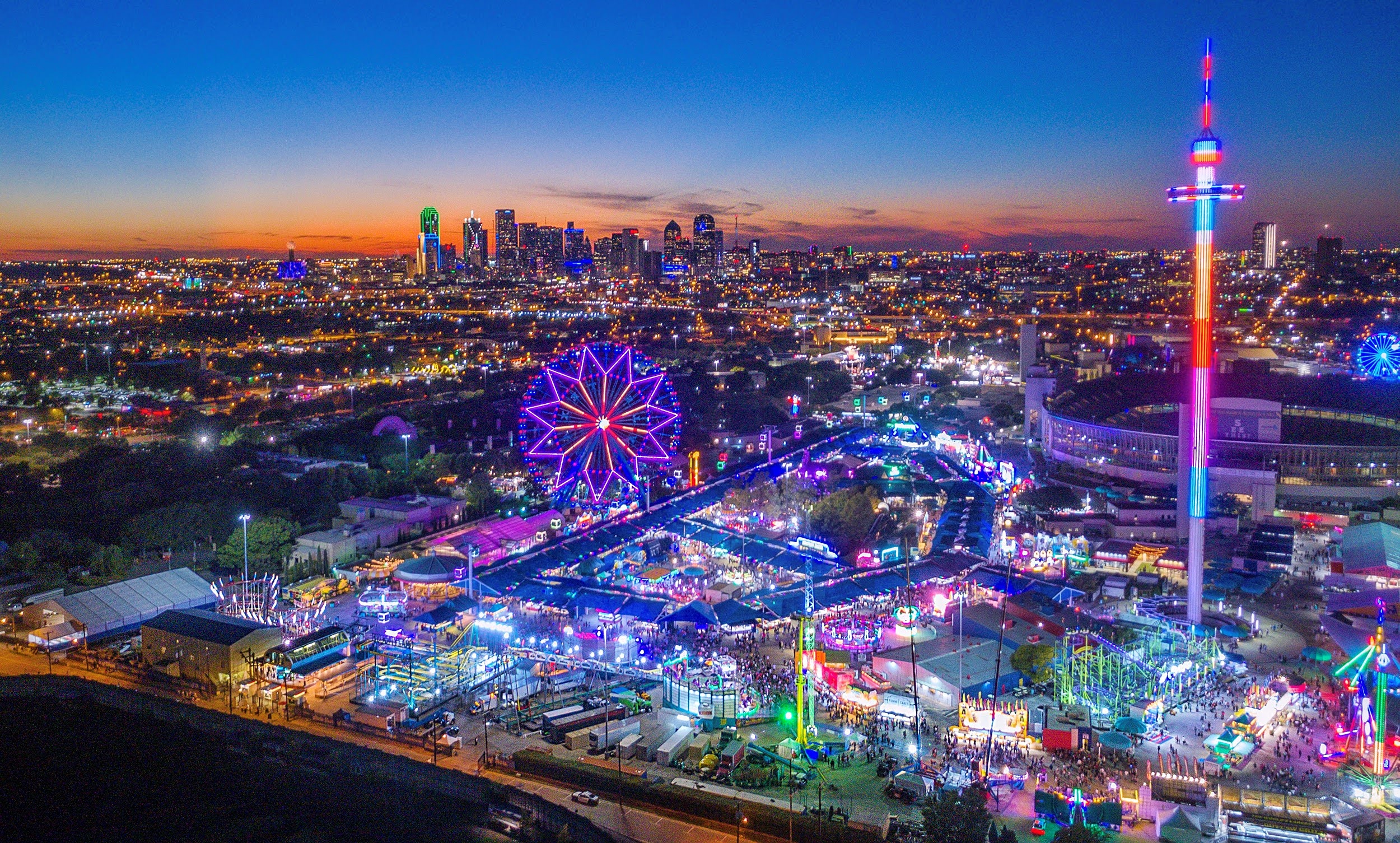
As a major metropolitan hub and a popular tourist destination, Dallas offers an extensive range of accommodation options to suit every preference and budget. From luxurious hotels to family-friendly suites and unique boutique stays, visitors to the State Fair of Texas will find no shortage of comfortable places to rest after a day of exploration. When considering where to stay, proximity to Fair Park and access to public transportation are often key factors.
Luxury Stays Near Fair Park
For travelers seeking a premium experience, Dallas boasts several upscale hotels that combine lavish amenities with impeccable service. The Omni Dallas Hotel, located downtown, offers stunning city views, fine dining, and direct access to the Dallas Convention Center. Its proximity to a DART station makes it an excellent choice for fair-goers. Another opulent option is The Joule Dallas, a magnificent hotel housed in a renovated neo-Gothic bank building, known for its art collection, rooftop pool, and exceptional service. The Hyatt Regency Dallas, connected to the iconic Reunion Tower, also offers luxury accommodations with easy DART access, providing a perfect base for exploring both the fair and downtown Dallas landmarks. These hotels typically feature gourmet restaurants, spas, and concierge services, ensuring a truly indulgent stay.
Budget-Friendly Options and Family Accommodations
Traveling to the State Fair of Texas doesn’t have to break the bank. Dallas provides numerous affordable hotels and motel chains that offer comfortable stays without compromising on convenience. Areas around Fair Park and along DART lines often have options like Holiday Inn Express or La Quinta Inn & Suites, which provide essential amenities like free breakfast and Wi-Fi.
For families, suites and hotels with kitchenettes are a popular choice. Brands like Embassy Suites, Residence Inn, and Homewood Suites offer spacious rooms, separate living areas, and often complimentary breakfasts or evening receptions, making them ideal for longer stays or those traveling with children. These family-friendly accommodations prioritize comfort and convenience, allowing guests to relax and recharge after an eventful day at the fair.
Beyond Hotels: Apartments and Unique Stays
For visitors seeking a more localized or extended experience, vacation rentals and serviced apartments have become increasingly popular. Websites like Airbnb or VRBO offer a diverse selection of apartments, townhouses, and even unique homes in various Dallas neighborhoods. This option can be particularly appealing for groups or families who desire more space, a kitchen for preparing meals, and a feel for local living. Neighborhoods like Deep Ellum, Bishop Arts District, or Uptown offer vibrant environments with a plethora of dining and entertainment options, often with good access to Fair Park via DART or ride-sharing services. These alternative accommodations provide flexibility and a chance to immerse oneself in the distinct culture of Dallas.
Maximizing Your Texas Fair Experience
Attending the State Fair of Texas is an unparalleled experience, but with so much to see and do, a little planning can go a long way in ensuring you make the most of your visit.
Essential Tips for First-Timers
- Arrive Early: Gates open typically at 10 AM. Arriving shortly after opening helps you beat the heaviest crowds, especially on weekends, and allows for easier navigation of the fairgrounds.
- Wear Comfortable Shoes: You will be doing a lot of walking across 277 acres of Fair Park. Comfortable footwear is non-negotiable.
- Stay Hydrated: Texas weather can still be warm in early fall. Drink plenty of water throughout the day.
- Download the Fair App: The official State Fair of Texas app often provides maps, schedules, and special offers, making it an invaluable tool for planning your day.
- Set a Meeting Point: If you’re with a group, designate a clear meeting point, such as at the base of Big Tex, in case you get separated. Cell service can be spotty with so many people.
- Budget for Food and Rides: The fair uses a coupon system for food and rides. While admission is paid upfront, plan to purchase plenty of coupons for all the delicious eats and exciting attractions.
- Check the Daily Schedule: Parades, concerts, and special events have specific times. Review the schedule in advance to prioritize what you want to see.
Exploring Dallas: Beyond the Fairgrounds
While the State Fair of Texas could easily fill several days, Dallas itself offers a wealth of attractions and activities that complement a fair visit, turning it into a comprehensive travel experience.
- Arts and Culture: Explore the Dallas Arts District, home to world-class institutions like the Dallas Museum of Art, the Nasher Sculpture Center, and the AT&T Performing Arts Center.
- Museums and History: Visit the Sixth Floor Museum at Dealey Plaza to learn about the assassination of President John F. Kennedy, or explore the Perot Museum of Nature and Science for interactive exhibits.
- Family Fun: The Dallas World Aquarium offers an immersive journey through rainforests and oceans, while the Dallas Zoo is a popular choice for animal lovers.
- Dining and Nightlife: Dallas boasts a vibrant culinary scene, from authentic Tex-Mex to upscale steakhouses. Explore neighborhoods like Deep Ellum for live music and eclectic eateries, or Uptown for trendy bars and fine dining.
Integrating these Dallas attractions into your itinerary allows for a richer and more diverse travel experience, making your trip to the State Fair of Texas truly unforgettable.

The Economic and Cultural Impact
The State Fair of Texas is not merely an annual event; it is a significant economic engine and a profound cultural institution for Dallas and the entire state. Each year, the fair generates hundreds of millions of dollars in economic impact, supporting thousands of jobs and driving tourism. Local businesses, from hotels and restaurants to transportation services, experience a substantial boost during the fair’s month-long run. This economic activity underscores the fair’s role as a vital component of the regional economy.
Culturally, the fair serves as a proud showcase of Texas identity. It celebrates the state’s agricultural heritage, artistic talent, and diverse communities. It’s a place where urban and rural Texans converge, where traditions are passed down through generations, and where new memories are forged. The fair’s commitment to education, particularly through its youth livestock programs and scholarship initiatives, ensures that its positive impact extends well beyond the fairgrounds, fostering future leaders and preserving invaluable traditions. For over a century, the State Fair of Texas has been more than just an event; it’s a cherished annual pilgrimage, a vibrant cultural touchstone, and an essential part of the fabric of Texas life.
LifeOutOfTheBox is a participant in the Amazon Services LLC Associates Program, an affiliate advertising program designed to provide a means for sites to earn advertising fees by advertising and linking to Amazon.com. Amazon, the Amazon logo, AmazonSupply, and the AmazonSupply logo are trademarks of Amazon.com, Inc. or its affiliates. As an Amazon Associate we earn affiliate commissions from qualifying purchases.