
Embarking on a journey to the Lone Star State, whether for a fleeting travel adventure or a more permanent relocation, often brings with it a checklist of preparations. While exciting plans for visiting iconic landmarks, exploring vibrant destinations, and indulging in local cuisine might dominate your thoughts, one crucial administrative step can significantly smooth your path: obtaining a Texas Identification Card. Far more than just a piece of plastic, this card serves as your official key to seamless navigation within the state, impacting everything from checking into hotels and resorts to fully embracing the local lifestyle and accessing essential services.
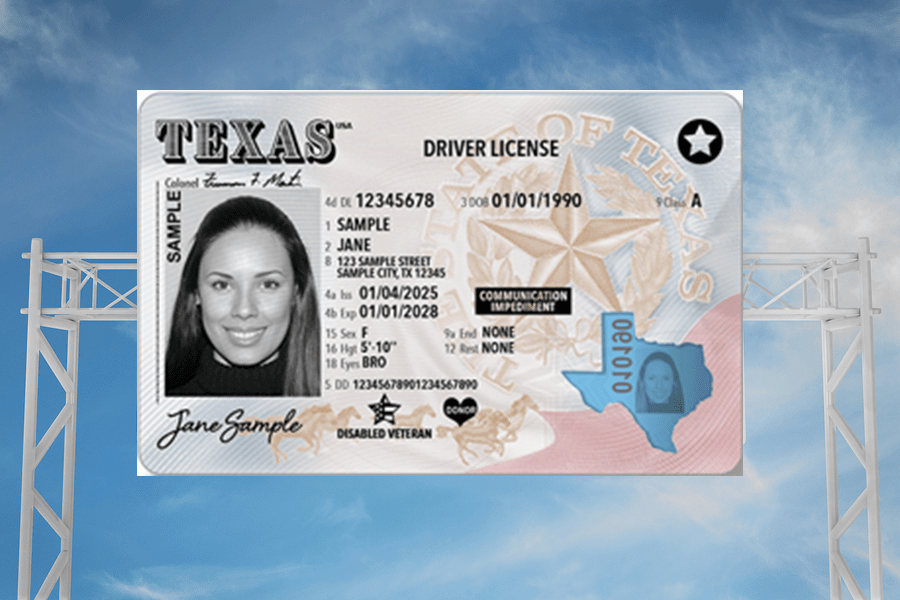
For globe-trotters, digital nomads considering a long-term stay, or families planning extensive family trips, understanding the process of acquiring a Texas ID is paramount. It’s about ensuring your experiences are unhindered and that your identification needs are met with ease, allowing you to focus on the myriad attractions Texas has to offer. This comprehensive guide will walk you through the “where” and “how” of securing your Texas ID card, framed through the lens of enhancing your overall tourism and residential journey in this expansive and diverse state.
Navigating the Lone Star State: Why a Texas ID Matters for Your Journey
The convenience and necessity of a valid form of identification cannot be overstated, particularly when you’re away from your home state or establishing new roots. A Texas ID card acts as a universally recognized document within the state, simplifying countless interactions and ensuring you can fully engage with everything from local culture to crucial administrative tasks.
Beyond Borders: Identification for Travelers and Explorers
Even for those just passing through, a Texas ID can be a game-changer. While a driver’s license from another United States state or a passport is generally accepted, having a local ID can streamline many aspects of your visit, particularly for longer trips or when facing specific state-level requirements.
- Seamless Air and Ground Travel: Although a Texas ID is not a substitute for a REAL ID-compliant document for air travel after the May 7, 2025, deadline (when a passport or REAL ID-compliant state driver’s license/ID will be required by the Transportation Security Administration for domestic flights), it serves as a robust secondary form of identification. For ground travel, renting a car, or using various transportation services, it adds an extra layer of verifiable identity. If you’re utilizing public transport or rideshares, having a local ID can expedite the verification process and even qualify you for certain local discounts that might be available to Texas residents.
- Proof of Age for Activities and Experiences: From enjoying Austin’s live music scene to exploring the vibrant nightlife in Houston or Dallas, proving your age is a constant requirement. A Texas ID is the most straightforward and universally accepted way to do this, saving you the hassle of carrying your passport everywhere and minimizing the risk of losing such a vital document during your outings. Whether you’re purchasing alcoholic beverages, attending age-restricted events, or even just signing up for a gym membership during a long-term stay, your ID card is essential.
- Smooth Accommodation Check-ins: Whether you’ve booked a charming boutique hotel in San Antonio, a luxurious resort along the Gulf Coast, or a quaint apartment for an extended visit, hoteliers and property managers will require a valid photo ID. A Texas ID simplifies this process, making your check-in swift and hassle-free. It provides immediate proof of identity and residence for billing and security purposes, enhancing trust and efficiency in your booking and check-in experiences.
Establishing Your Presence: For New Residents and Long-Term Visitors
For those intending to make Texas their home, even temporarily, a Texas ID is more than a convenience—it’s a foundational step towards integrating into the community and unlocking various state-specific services.
- Financial and Administrative Necessities: Opening a bank account, setting up utilities (electricity, water, internet), registering a vehicle, or applying for employment all typically require a valid form of state-issued identification. A Texas ID facilitates these processes significantly, providing the necessary proof of residency and identity that many institutions demand. Without it, you might find yourself navigating a maze of alternative documentation, which can be time-consuming and frustrating.
- Accessing Local Services and Benefits: From registering children for school to accessing local libraries, community centers, or specific state-run programs, a Texas ID confirms your status as a resident. This can also include eligibility for certain local discounts or memberships that are exclusively available to Texas residents, enriching your lifestyle and connection to your new surroundings.
- Voting and Civic Participation: For eligible United States citizens who have established residency, a Texas ID is a primary form of identification required to vote in state and local elections, empowering you to participate in the civic life of your new community.
The Road to Your Texas ID: A Step-by-Step Guide
Obtaining a Texas ID card, while requiring some preparation, is a straightforward process handled by the Texas Department of Public Safety (DPS). Being organized and informed will ensure a smooth application experience.
Who is Eligible? Understanding the Requirements
Before gathering documents, it’s important to confirm your eligibility for a Texas ID card. Unlike a driver’s license, an ID card does not grant driving privileges but serves purely as a form of identification.
- Age Requirement: Applicants must be at least 16 years of age. However, there are provisions for individuals under 16 to apply for an ID card if they meet specific criteria, often involving parental consent and proof of need.
- Proof of United States Citizenship or Lawful Presence: All applicants must demonstrate their legal status in the United States. This typically involves presenting a birth certificate, U.S. passport, permanent resident card (Green Card), or appropriate visa documentation for non-immigrant visitors who are authorized for a long-term stay in the U.S.
- Texas Residency: You must prove that Texas is your current bona fide residence. This is a critical requirement and usually involves presenting two different documents that show your name and current Texas address.
- No Current Driver’s License: You cannot hold a valid driver’s license from another state or country if applying for a Texas ID card. If you have a driver’s license from another state and wish to switch to a Texas ID, you would typically surrender the out-of-state license.
Gathering Your Documents: The Essential Checklist
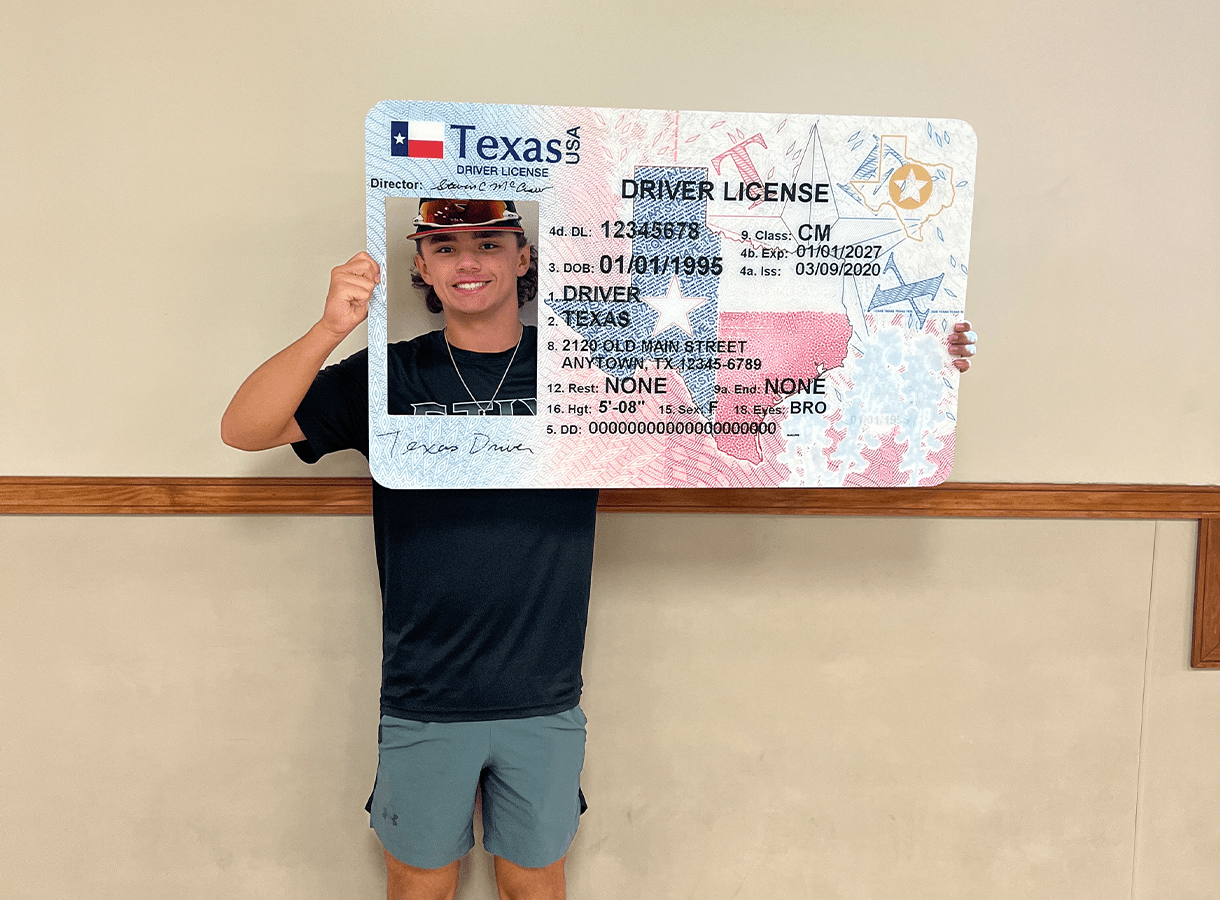
This is perhaps the most crucial step. A single missing document can lead to rescheduling your appointment. The DPS adheres strictly to its document requirements to verify identity, residency, and legal status.
-
Proof of Identity:
- Primary Identity Document: This could be an unexpired U.S. passport book or card, a U.S. Certificate of Birth (original or certified copy), or a U.S. Certificate of Citizenship. For non-U.S. citizens, an unexpired foreign passport with a valid U.S. visa and I-94, or a Permanent Resident Card, would serve.
- Secondary Identity Document: Examples include an original or certified copy of a marriage certificate, a divorce decree, or a valid state-issued driver’s license from another state.
- Supporting Identity Document: This can be an employer ID card, a school ID card, or a health insurance card. You may need a combination of documents if your primary document isn’t sufficient on its own.
-
Proof of United States Citizenship or Lawful Presence:
- This often overlaps with your primary identity document. Ensure your birth certificate or passport is current and unexpired. For non-citizens, your current U.S. visa, I-94 record, and permanent resident card are key.
-
Proof of Texas Residency (Two Documents Required): These must display your name and current Texas address.
- Current utility bill (electric, water, gas, cable, internet).
- Current Texas vehicle registration or title.
- Current homeowner’s or renter’s insurance policy or statement.
- Current mortgage statement or residential lease.
- Mail from a federal, state, or local government agency.
- Valid, unexpired Texas voter registration card.
- A student report card or transcript from an accredited Texas school.
-
Proof of Social Security Number (SSN):
- Your Social Security card.
- A W-2 form or 1099 form with your name and SSN.
- A pay stub with your name and SSN.
- For applicants without an SSN (e.g., certain non-immigrant visa holders), specific declarations or alternative documentation may be required.
-
Application for Texas ID Card (Form DL-14A): You can download and fill this out beforehand from the DPS website to save time, or request it at the office.
Always check the official Texas Department of Public Safety website for the most current and detailed list of acceptable documents, as requirements can change.
Locating Your Nearest DPS Office and Scheduling Your Visit
With all your documents meticulously gathered, the next step is to visit a DPS Driver License Office.
- Find a DPS Location: The DPS has offices conveniently located across the state. Major cities like Austin, Houston, Dallas, San Antonio, Fort Worth, and El Paso have multiple branches. You can use the “Find a DPS Office” tool on their official website to locate the nearest facility to your accommodation or home address.
- Schedule an Appointment: To avoid potentially long wait times, it is highly recommended to schedule an appointment online via the DPS website. This system allows you to pick a specific date and time, significantly streamlining your visit. Walk-ins are often accommodated but may involve extended waits.
- What to Expect at the Office:
- Check-in: Upon arrival, you’ll check in, either by confirming your appointment or by taking a ticket for walk-in service.
- Document Review: A DPS representative will review all your submitted documents to ensure they meet the requirements.
- Application Processing: Your application will be processed, including verification of your information.
- Photo: A photograph will be taken for your ID card. It’s wise to present yourself neatly, as this image will be on your official identification.
- Fingerprints: Your fingerprints will be digitally captured.
- Vision Test: While typically associated with driver’s licenses, a basic vision screening may also be required for an ID card in some cases.
- Fee Payment: You will pay the required fee for the ID card. The fee varies, so check the current rates on the DPS website. Payment options usually include cash, check, money order, or credit/debit card.
Beyond the Application: What to Expect Post-Visit
Your visit to the DPS office doesn’t conclude the process, but it marks the end of the in-person steps.
- Temporary ID: Once your application is processed and approved, you will typically receive a temporary ID card or a receipt. This temporary document serves as valid proof of identification until your permanent card arrives. It’s essential to keep this safe, especially if you anticipate needing ID for immediate travel or services.
- Mailing of Permanent ID: Your permanent Texas ID card will be mailed to the Texas address you provided, usually within 2-3 weeks. It’s crucial that your mailing address is accurate and secure. If you’re staying in temporary accommodation, ensure you have a reliable way to receive mail.
- Card Validity and Renewal: A Texas ID card is typically valid for six years. You will receive renewal notices as your card approaches its expiration date, prompting you to renew it online or in person. Staying on top of renewals ensures uninterrupted access to all the benefits your ID provides.
Enhancing Your Texas Experience with Your New ID
With your Texas ID in hand, you are now fully equipped to immerse yourself in the rich tapestry of Texas experiences.
- Effortless Access to Attractions and Landmarks: Your ID simplifies entry to numerous Texas attractions, from the historic Alamo in San Antonio to the awe-inspiring Space Center Houston or the vibrant Sixth Street in Austin. It streamlines purchases for tickets, tours, and access to age-restricted exhibits, ensuring your travel itinerary flows smoothly.
- Full Participation in Local Culture and Activities: Whether you’re attending a rodeo, a music festival, or a local sporting event, your ID confirms your identity without question. It opens doors to renting equipment for outdoor activities, joining local clubs, or signing up for classes that deepen your understanding of Texas culture.
- Simplified Accommodation and Business Stays: Beyond initial check-ins, a local ID can be useful for extending stays, accessing hotel amenities like business centers or fitness facilities, or confirming your identity for packages delivered to your temporary address. For those on business stays, it adds a professional and local touch to your identification.
- Embracing the Texas Lifestyle: Ultimately, having a Texas ID card symbolizes your connection to the state. It makes navigating daily life more efficient, secure, and enjoyable, whether you’re seeking luxury travel experiences or exploring budget travel options. It’s a small but significant step in making Texas feel more like home.
In conclusion, securing a Texas ID card is a pragmatic decision for anyone planning to spend a significant amount of time in the Lone Star State. It’s an investment in convenience, security, and the freedom to fully engage with all the incredible travel, tourism, and lifestyle experiences Texas has to offer. By following these steps and preparing diligently, you’ll be well on your way to enjoying a seamless and unforgettable journey through this remarkable state.
LifeOutOfTheBox is a participant in the Amazon Services LLC Associates Program, an affiliate advertising program designed to provide a means for sites to earn advertising fees by advertising and linking to Amazon.com. Amazon, the Amazon logo, AmazonSupply, and the AmazonSupply logo are trademarks of Amazon.com, Inc. or its affiliates. As an Amazon Associate we earn affiliate commissions from qualifying purchases.