
Teaching is a profession that shapes future generations, influencing everything from local communities to global innovation. In Alabama, educators play a pivotal role in the state’s development, nurturing young minds and contributing significantly to the fabric of society. For those considering a career in education within the Heart of Dixie, or for residents interested in the economic landscape of their state, understanding teacher salaries is a crucial piece of information. This article delves into the financial aspects of being a teacher in Alabama, exploring average salaries, factors influencing compensation, and how these figures relate to the cost of living and the broader lifestyle possibilities within the state, including travel and accommodation.
Understanding the Landscape of Teacher Salaries in Alabama
The compensation structure for teachers in Alabama is multifaceted, influenced by various factors that range from experience and education to geographical location and specific teaching roles. A clear understanding of these elements provides a comprehensive picture of what educators can expect to earn.
Average Salaries and Key Influencers
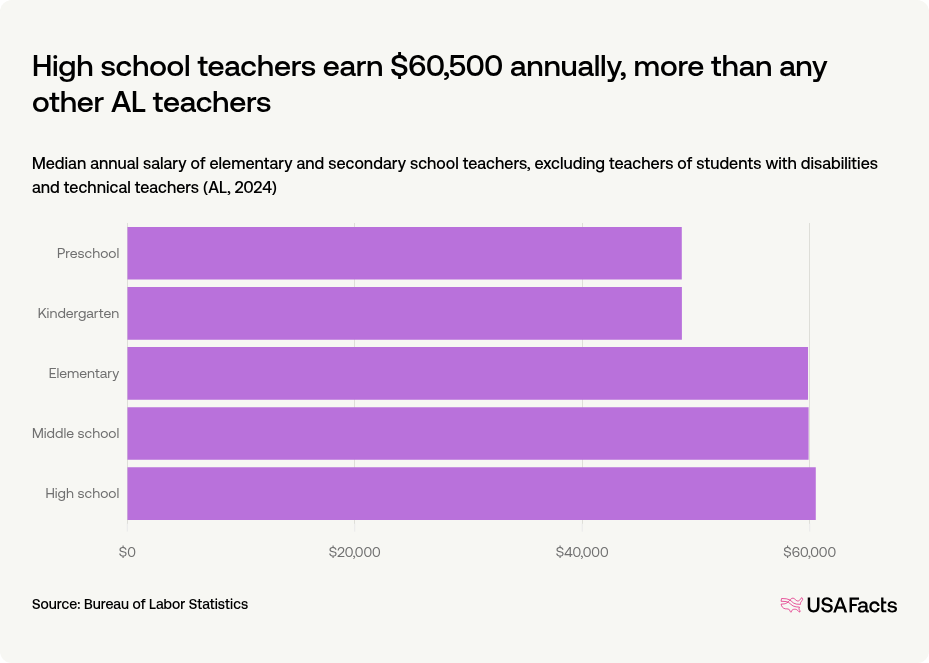
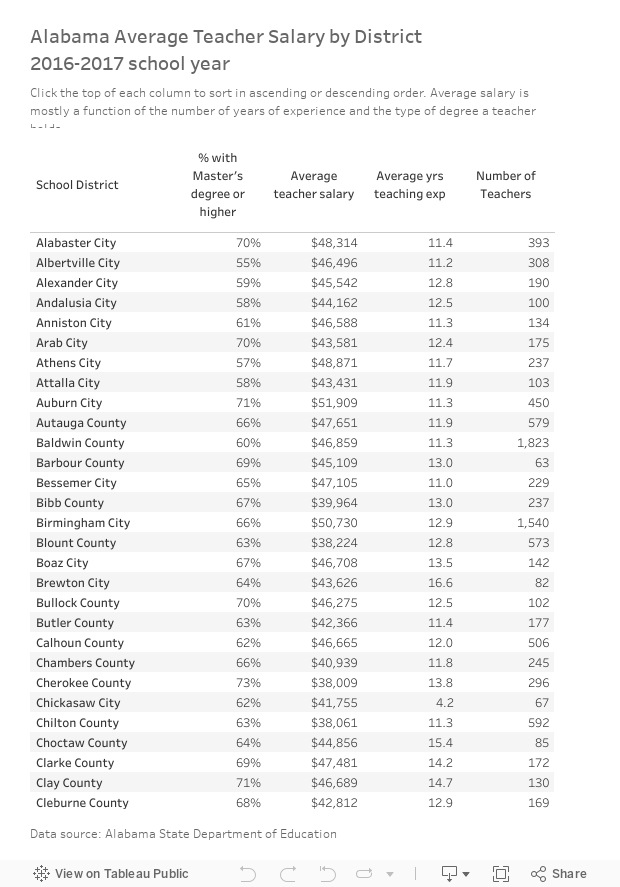
While exact figures fluctuate annually based on state budgets and legislative decisions, the average teacher salary in Alabama generally hovers in the mid-$50,000s to low-$60,000s. For the most recent academic year, reports indicate an average closer to $56,000 to $58,000. However, this is merely an average, and individual salaries can vary significantly.
Several key factors determine a teacher’s take-home pay:
- Years of Experience: Like many professions, teaching in Alabama rewards longevity. A teacher fresh out of college will start at a lower salary compared to a seasoned educator with two decades of experience. The state’s salary schedule (discussed below) clearly outlines these increments.
- Education Level: Holding an advanced degree significantly boosts earning potential. Teachers with a Master’s degree typically earn more than those with only a Bachelor’s, and those with a Ph.D. or an Education Specialist degree can command even higher salaries. This incentivizes continuous professional development and academic achievement.
- Geographical Location: While Alabama operates under a state-mandated salary schedule, individual school districts can supplement this with local pay scales or bonuses. Teachers in larger metropolitan areas such as Birmingham, Montgomery, or Huntsville might find their total compensation package slightly higher due to local supplements, though this often correlates with a higher cost of living in these areas. Conversely, rural districts might offer additional incentives to attract educators to less populated regions.
- Subject Matter: In some instances, teachers in high-demand fields like STEM (Science, Technology, Engineering, and Mathematics) or special education may qualify for additional stipends or bonuses, reflecting the critical need for qualified professionals in these areas.
- Additional Responsibilities: Coaching sports, leading extracurricular clubs, or taking on administrative duties can also lead to supplemental pay, enhancing a teacher’s overall annual income.
The Alabama Salary Schedule
The backbone of teacher compensation in Alabama is its state-mandated salary schedule. This structured system uses a matrix with ‘steps’ representing years of experience and ‘columns’ representing education levels. For example, a teacher with a Bachelor’s degree and zero years of experience would be at “Step 0, Class B,” while a teacher with a Master’s degree and 10 years of experience would be at “Step 10, Class A.” Each step and class corresponds to a specific base salary. This transparent system ensures a degree of fairness and predictability in earning potential throughout a teacher’s career. It also serves as a critical incentive for teachers to pursue advanced degrees and remain in the profession.
Benefits and Compensation Packages
Beyond the base salary, teachers in Alabama also receive a comprehensive benefits package, which significantly adds to their overall compensation. These benefits are vital for financial security and quality of life.
- Health Insurance: Access to affordable health, dental, and vision insurance is a major draw for educators. The state’s plans often include a substantial employer contribution, reducing out-of-pocket costs for teachers and their families.
- Retirement Plan: Alabama teachers are part of the Teachers’ Retirement System of Alabama (TRS), a defined-benefit plan. This means that upon retirement, teachers receive a guaranteed monthly income, calculated based on their years of service and final average salary. This provides long-term financial stability that is increasingly rare in the private sector.
- Paid Time Off: Teachers typically receive paid sick leave and personal days, in addition to significant breaks throughout the academic year, including summer vacation, winter break, and spring break. While these breaks are often unpaid unless the teacher is on a 12-month contract, they offer valuable time for rest, personal development, or travel.
Cost of Living in Alabama: A Teacher’s Perspective on Lifestyle
Understanding teacher salaries in Alabama is incomplete without considering the state’s cost of living. Alabama consistently ranks among the most affordable states to live in the United States, a factor that can significantly impact a teacher’s quality of life and disposable income.
Housing and Accommodation
Housing is often the largest expense for individuals and families, and Alabama offers a distinct advantage in this regard. The median home price in Alabama is significantly lower than the national average, making homeownership more attainable for teachers, especially compared to coastal or major metropolitan areas in other states.
- Urban vs. Rural: While still affordable, housing costs are higher in population centers like Birmingham, Huntsville, and Mobile. In Birmingham, a teacher might find a comfortable apartment or a starter home in a desirable neighborhood, though perhaps further from the downtown core. In contrast, rural areas offer even more affordable housing options, sometimes allowing teachers to purchase larger properties with more land.
- Rental Market: For teachers preferring to rent, Alabama’s rental market is also favorable. Apartments, suites, and even single-family homes are generally available at prices below the national average, leaving more room in the budget for other expenses or savings. For new teachers, or those relocating, finding suitable accommodation, whether a cozy apartment or a family-friendly house, is generally manageable on an Alabama teacher’s salary.
- Vacation Accommodation: When it comes to personal travel, a teacher’s salary in Alabama provides reasonable flexibility. Exploring local resorts or vacation rentals in popular destinations like Gulf Shores or Orange Beach for a family trip is certainly within reach, especially when considering budget-friendly options and off-peak travel.
Daily Expenses and Quality of Life
Beyond housing, the overall cost of daily living in Alabama is also relatively low. Groceries, utilities, transportation, and healthcare expenses tend to be more affordable than in many other parts of the United States.
- Transportation: While public transportation options are limited outside major cities, the cost of gasoline and vehicle insurance is competitive. Many teachers commute short distances, further reducing costs.
- Food and Recreation: Alabama’s rich agricultural heritage means fresh, local produce can often be found at reasonable prices. The state also offers numerous free or low-cost recreational activities, from state parks to local festivals, contributing to a high quality of life without breaking the bank.
- Disposable Income: The combination of competitive salaries (relative to the local cost of living) and lower daily expenses means that teachers in Alabama often have a respectable amount of disposable income. This income can be allocated towards savings, further education, family activities, or, as often desired by professionals in any field, travel and leisure. This directly ties into lifestyle choices, allowing for budget travel, family trips, or even more luxurious experiences when planned strategically.
Exploring Alabama: Travel and Tourism for Educators
The opportunity to explore one’s home state is a significant perk, especially for those whose profession might not always allow for extravagant international trips. For teachers in Alabama, the state offers a treasure trove of destinations, attractions, and experiences that are both enriching and accessible.
Budget-Friendly Escapes and Local Culture
Alabama’s diverse landscape and rich history provide countless opportunities for weekend getaways and educational excursions that align well with a teacher’s salary and passion for learning.
- Natural Wonders: The state boasts stunning natural landmarks. Cheaha State Park, Alabama’s highest point, offers breathtaking views, hiking trails, and cabins for an affordable escape. DeSoto State Park in the Appalachian Mountains features waterfalls and picturesque overlooks. These natural attractions provide perfect settings for family trips, offering opportunities for camping, hiking, and reconnecting with nature.
- Historical and Cultural Immersion: Alabama is a pivotal state in American history, particularly concerning the Civil Rights Movement. Teachers and their families can visit the Birmingham Civil Rights Institute in Birmingham, walk across the Edmund Pettus Bridge in Selma, or explore the powerful exhibits at The Legacy Museum and National Memorial for Peace and Justice in Montgomery. These experiences are not only educational but deeply moving, offering insights into local culture and critical moments in history.
- Educational Attractions: Huntsville, known as “Rocket City,” is home to the U.S. Space & Rocket Center, a world-class museum and visitor attraction dedicated to space exploration. In Mobile, the historic Battleship USS Alabama offers a glimpse into naval history. These landmarks provide fantastic learning opportunities for children and adults alike, fitting perfectly with a teacher’s natural curiosity and desire for knowledge.
Weekend Getaways and Family Adventures
With careful planning, teachers can enjoy various weekend getaways and family adventures across the state, leveraging their disposable income and understanding of budget-friendly travel tips.
- Coastal Retreats: Alabama’s Gulf Coast, with its sugar-white sands of Gulf Shores and Orange Beach, is a popular destination. Teachers can find excellent value in booking apartments or smaller resorts during the shoulder seasons (spring or fall) when prices are lower and crowds are smaller. Many accommodations offer suites with kitchenettes, allowing families to save on dining out.
- City Breaks: A weekend in Birmingham can involve exploring its vibrant food scene, visiting the Birmingham Museum of Art, or catching a show. Huntsville offers not just space exploration but also a burgeoning craft beer scene and beautiful botanical gardens. Montgomery, the state capital, provides a blend of history and modern amenities. Teachers can utilize hotel comparison websites to find the best deals on hotels, from boutique stays to family-friendly resorts.
- Small Town Charms: Exploring towns like Fairhope on Mobile Bay or Florence in North Alabama offers a taste of local culture, unique shops, and often more intimate dining experiences. These destinations provide a break from the routine without the high costs associated with larger tourist hubs.
By strategically planning their travel, utilizing local guides, and embracing experiences that highlight local culture and food, teachers in Alabama can fully enjoy the tourism opportunities their state offers, creating lasting memories for themselves and their families.
The Broader Impact: Attracting and Retaining Educators
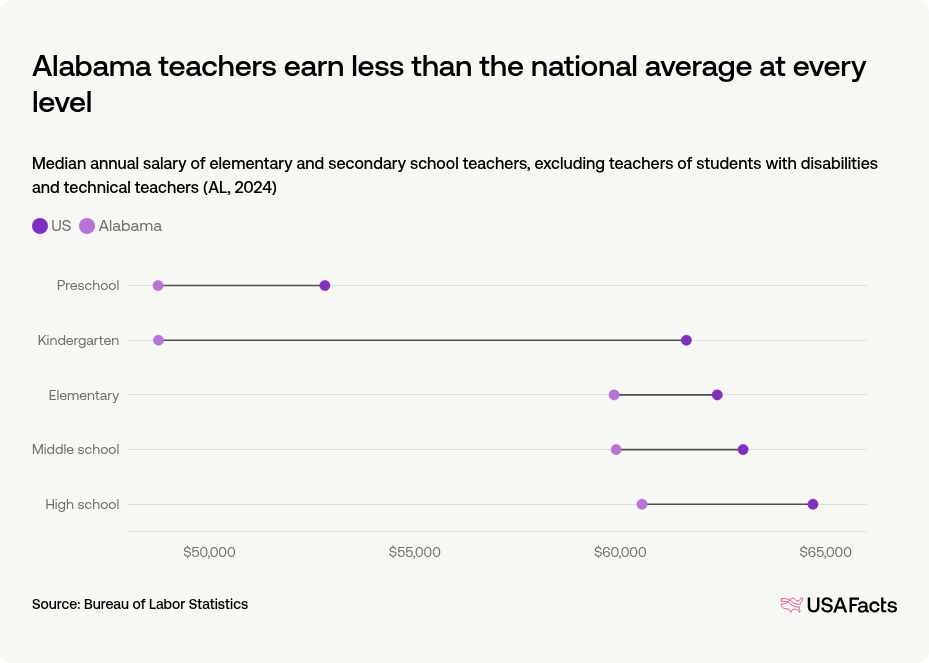
The conversation about how much teachers make in Alabama extends beyond individual finances; it touches upon the crucial issue of attracting and retaining highly qualified educators for the state’s schools. Competitive salaries and robust benefits packages are essential tools in ensuring that Alabama can compete with neighboring states and national averages to staff its classrooms with the best talent.
When salaries are competitive relative to the cost of living, teachers are more likely to view their profession as a sustainable and rewarding career path, reducing turnover and fostering greater continuity in student learning. Furthermore, an attractive compensation structure can draw teachers from other states or encourage Alabama natives studying education to remain within the state.
Policy discussions in Alabama frequently address teacher pay, recognizing the long-term investment in education translates directly into economic development and an improved quality of life for all residents. Ongoing efforts to adjust salary schedules, increase state funding for education, and offer additional incentives demonstrate a commitment to supporting educators.
In conclusion, while teacher salaries in Alabama may not always rival those in states with exceptionally high costs of living, they offer a stable and respectable income, especially when considered in conjunction with the state’s notably low cost of living and comprehensive benefits. This financial foundation allows educators in Alabama to build comfortable lives, pursue personal interests including varied travel experiences, and contribute profoundly to the future of the Heart of Dixie.
LifeOutOfTheBox is a participant in the Amazon Services LLC Associates Program, an affiliate advertising program designed to provide a means for sites to earn advertising fees by advertising and linking to Amazon.com. Amazon, the Amazon logo, AmazonSupply, and the AmazonSupply logo are trademarks of Amazon.com, Inc. or its affiliates. As an Amazon Associate we earn affiliate commissions from qualifying purchases.