
Planning a trip, considering a long-term stay, or perhaps even a move to the Heart of Dixie, Alabama? When you’re thinking about exploring Alabama’s stunning Gulf Coast beaches, vibrant cities like Birmingham and Huntsville, or its rich historical sites, you’re likely focused on attractions, accommodation, and local experiences. However, an often-overlooked aspect that can significantly impact your journey, especially if you plan to drive, is understanding the state’s auto insurance laws. The question “Is Alabama a no-fault state?” is crucial for any driver, whether you’re a local resident, a tourist renting a car for a scenic drive, or a business traveler navigating the urban sprawl. This guide will demystify Alabama’s auto insurance system, clarify its status, and provide essential insights for ensuring a smooth and worry-free experience in this beautiful southern state, aligning perfectly with our mission to enhance your travel and lifestyle adventures.
Understanding No-Fault vs. At-Fault Insurance Systems
Before delving into Alabama’s specific policies, it’s vital to grasp the fundamental differences between “no-fault” and “at-fault” auto insurance systems. These systems dictate how claims are processed and who pays for damages and injuries following a car accident. Knowing which system a state employs is paramount for anyone hitting the road, offering a foundational understanding that can save travelers and residents considerable stress and financial burden.
What is a No-Fault System?
In a no-fault insurance system, each driver involved in an accident typically files a claim with their own insurance company to cover their medical expenses and lost wages, regardless of who caused the accident. This system aims to streamline the claims process, reduce litigation, and ensure prompt payment for injuries. In states with no-fault laws, drivers are usually required to carry Personal Injury Protection (PIP) coverage, which pays for these expenses up to a certain limit. The ability to sue the at-fault driver for further damages, such as pain and suffering, is often restricted to cases where injuries meet specific thresholds of severity or cost. The primary benefit of a no-fault system is theoretically faster resolution of claims and reduced court congestion, as minor injury claims are handled directly by one’s own insurer without determining fault. However, critics sometimes argue it can lead to higher premiums due to the direct payment of claims by one’s own insurer regardless of fault.
What is an At-Fault System?
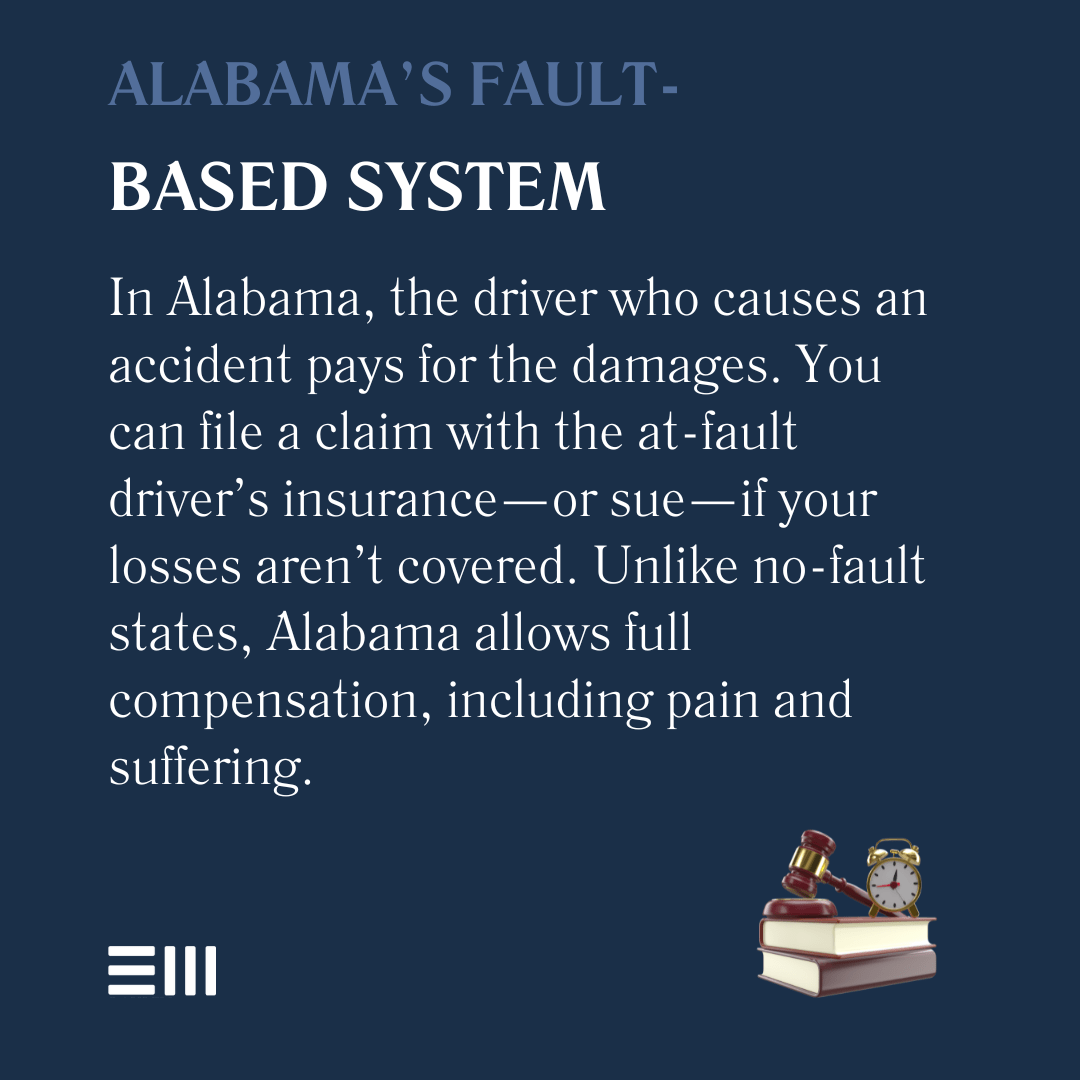
Conversely, an at-fault insurance system, also known as a “tort” system, places responsibility for damages and injuries squarely on the driver who caused the accident. In an at-fault state, the “at-fault” driver’s insurance company is responsible for covering the damages and injuries of the other parties involved. This means that if you are injured in an accident caused by another driver, you would typically file a claim against their insurance policy to recover medical expenses, lost wages, vehicle repair costs, and often, compensation for pain and suffering. This system often involves a more extensive investigation to determine fault, which can sometimes lead to longer claim processing times and a higher likelihood of legal disputes. Drivers in at-fault states are typically required to carry liability insurance, which covers these costs for others if they are found to be at fault. For travelers, understanding this distinction is particularly important, as it influences how an accident might be handled should the unforeseen occur during their exploration of a new destination.
Alabama’s Stance: An At-Fault State
The answer to our central question is clear: Alabama is not a no-fault state. Instead, it operates under an at-fault (or tort) insurance system. This critical distinction has significant implications for anyone driving within the state’s borders, from long-term residents commuting daily between Birmingham and Montgomery to tourists enjoying a scenic drive along the coast to Gulf Shores or visiting historical sites in Mobile. Understanding this framework is key to responsible driving and travel planning in the state.
Implications for Drivers in Alabama
Since Alabama is an at-fault state, if you are involved in a car accident, the driver deemed responsible for causing the collision will have their insurance company pay for the damages and injuries sustained by the other parties. This includes property damage, medical bills, lost wages, and often, non-economic damages like pain and suffering. For drivers in Alabama, this means that if you are injured by another driver’s negligence, you would typically pursue compensation from their liability insurance. Conversely, if you are found to be at fault, your liability insurance will cover the costs incurred by the other driver(s).
A crucial aspect of Alabama’s at-fault system is its adherence to a legal principle known as “contributory negligence.” This is a strict rule: if you are found to be even 1% at fault for an accident, you may be barred from recovering any damages from the other party. This makes proving fault incredibly important and can significantly impact the outcome of a claim. For this reason, gathering thorough evidence at the scene of an accident – photographs, witness statements, police reports – is even more critical in Alabama than in many other states. This strict interpretation of fault underscores the importance of defensive driving and comprehensive insurance coverage for anyone operating a vehicle in the state.
Mandatory Insurance Requirements
To ensure that drivers can cover potential damages, Alabama law mandates specific minimum liability insurance coverage for all registered vehicles. These requirements are in place to protect individuals who may be harmed by an at-fault driver. As of the latest regulations, the minimum liability coverage amounts are:
- $25,000 for bodily injury or death of one person in an accident.
- $50,000 for bodily injury or death of two or more persons in an accident.
- $25,000 for property damage in an accident.
This is often expressed as 25/50/25 liability coverage. While these are the minimums, it is often advisable for both residents and visitors (especially those renting cars) to consider carrying higher limits, given the potential for significant costs associated with accidents, particularly when factoring in Alabama’s contributory negligence rule. Beyond liability coverage, drivers may also choose to add other types of insurance such as collision, comprehensive, uninsured/underinsured motorist, and medical payments coverage for additional protection. For travelers, ensuring that their personal policy or rental car insurance meets or exceeds these minimums is a fundamental step in preparing for any road trip through Alabama’s diverse landscapes, from the mountains of Cheaha State Park to the shores of Orange Beach.
Navigating Accidents in Alabama for Travelers
Even the most meticulous travel plans can encounter unexpected detours. For those exploring Alabama’s rich tapestry of attractions – from the historic USS Alabama Battleship Memorial Park in Mobile Bay to the innovative Space and Rocket Center in Huntsville – being prepared for a potential car accident is a wise precaution, especially given the state’s at-fault and contributory negligence laws. Understanding the necessary steps and resources available can transform a stressful incident into a manageable situation, ensuring your trip continues with minimal disruption.
What to Do if You’re in an Accident While Visiting
Should you find yourself involved in an accident while traveling through Alabama, a calm and methodical approach is best. Your first priority should always be safety and checking for injuries. Here’s a general guide:
- Ensure Safety: Move your vehicle to the side of the road if possible and safe to do so. Turn on your hazard lights.
- Check for Injuries: Assess yourself and others involved for any injuries. Call 911 immediately if anyone is injured or if there is significant property damage.
- Contact Law Enforcement: Even for minor accidents, it’s advisable to call the local police or highway patrol. A police report is invaluable, especially in an at-fault state with contributory negligence rules, as it helps document the scene and preliminary determination of fault.
- Exchange Information: Get the names, contact information, insurance details, and driver’s license numbers of all drivers involved. Also, gather contact information for any witnesses.
- Document the Scene: Take photographs or videos of the accident scene from various angles, including vehicle damage, road conditions, traffic signs, and any visible injuries. The more documentation, the better.
- Do Not Admit Fault: Even if you think you might be responsible, do not admit fault at the scene. This can be used against you later. Stick to factual statements.
- Contact Your Insurance Provider: Report the accident to your own insurance company as soon as possible, regardless of who you believe is at fault. They can guide you through the claims process.
- Seek Medical Attention: Even if you feel fine, it’s wise to be checked by a medical professional, as some injuries may not manifest immediately.
Following these steps diligently can significantly streamline the claims process and protect your interests in Alabama’s specific legal environment.
Rental Cars and Insurance Considerations
For many visitors, exploring Alabama means renting a car. This introduces additional layers of insurance considerations. When renting a vehicle, you’ll typically be offered various insurance options by the rental company. These often include:
- Collision Damage Waiver (CDW) or Loss Damage Waiver (LDW): This waives your financial responsibility for damage to the rental car. While not technically insurance, it’s a popular add-on.
- Liability Insurance: Often referred to as Supplemental Liability Protection (SLP), this increases the liability coverage beyond the state minimums that the rental car company might provide.
- Personal Accident Insurance (PAI): Covers medical costs for you and your passengers.
- Personal Effects Coverage (PEC): Insures personal belongings in the rental car.
Before accepting these, check your existing personal auto insurance policy. Many personal policies extend coverage to rental cars, both for liability and for damage to the rental vehicle itself. Additionally, many credit cards offer secondary (and sometimes primary) rental car insurance benefits if you use their card to pay for the rental. Understanding what coverage you already have can help you avoid purchasing unnecessary duplicate insurance from the rental company, allowing you to allocate your travel budget towards experiencing Alabama’s charming accommodations or indulging in local cuisine. However, ensure that any existing coverage is adequate for Alabama’s at-fault system and its potentially strict contributory negligence rules. Higher liability limits are often a wise choice.
Legal Assistance and Resources for Tourists
In the unfortunate event of a significant accident or dispute while in Alabama, particularly one involving injuries or complex fault determination, seeking legal counsel is highly recommended. Alabama’s contributory negligence law makes legal expertise particularly valuable. A local personal injury attorney can help navigate the complexities of state law, gather evidence, negotiate with insurance companies, and represent your interests if a lawsuit becomes necessary. Many firms offer free initial consultations, which can be a valuable resource for understanding your rights and options.
Beyond legal help, tourists can also rely on general travel assistance services offered by their insurance providers or credit card companies. These services often include emergency roadside assistance, help with finding local medical facilities, and even rebooking travel arrangements. Familiarizing yourself with these resources before your trip can provide an extra layer of security, ensuring that help is just a phone call away, whether you’re admiring the historic architecture of Montgomery or relaxing on the pristine beaches near Tuscaloosa.
Planning Your Alabama Journey with Peace of Mind
Understanding Alabama’s at-fault insurance system is an integral part of responsible travel and lifestyle planning in the state. While it might not be as exciting as mapping out your itinerary to visit the Civil Rights Institute in Birmingham or climbing to the top of Vulcan Park and Museum, this knowledge provides a crucial foundation for a stress-free experience. Whether you’re embarking on a short vacation, considering a long-term stay, or even contemplating making Alabama your new home, preparation is key to protecting yourself and your finances.
Ensuring a Smooth Trip to Alabama’s Attractions
To truly enjoy the diverse attractions and unique experiences Alabama has to offer, from the vibrant culinary scene of its cities to the tranquility of its natural parks, ensuring your driving preparedness is paramount. Here are some tips for a smooth road trip:
- Review Your Insurance Policy: Before you depart, review your personal auto insurance policy to understand its coverage limits and whether it extends to rental cars or out-of-state driving. Consider increasing your liability limits, especially given Alabama’s at-fault system and contributory negligence rule, which can expose you to greater financial risk.
- Understand Rental Car Insurance: If renting, know what your personal insurance or credit card covers before purchasing additional policies from the rental agency. Make an informed decision that provides adequate protection.
- Defensive Driving: Always practice defensive driving. Being extra cautious on Alabama roads can not only prevent accidents but also protect you under the strict contributory negligence laws.
- Emergency Kit: Keep an emergency kit in your car, including a first-aid kit, flashlight, charging cables for your phone, and a camera or smartphone for documentation.
- Local Driving Laws: Familiarize yourself with basic Alabama driving laws, such as speed limits and right-of-way rules, which can vary slightly from other states.
By taking these proactive steps, you can focus on creating unforgettable memories, whether you’re exploring the historic depths of Montgomery or enjoying the sun-drenched beaches of Orange Beach.

Long-Term Stays and Relocation Tips
For those considering a more extended stay, perhaps relocating for work or enjoying a seasonal lifestyle in Alabama, understanding the state’s insurance laws becomes even more significant. Establishing residency typically means you’ll need to register your vehicle and obtain an Alabama driver’s license, which in turn necessitates compliance with the state’s mandatory insurance requirements.
- Update Your Insurance: If you’re relocating, you’ll need to switch your auto insurance policy to an Alabama-specific provider or update your current policy to reflect your new address and state regulations. Shopping around for quotes from different insurers is advisable to find competitive rates and comprehensive coverage that meets the state’s minimums and your personal needs.
- Register Your Vehicle: Understand the process for registering your vehicle in Alabama, which usually involves proof of ownership, previous registration, and current Alabama insurance.
- Driver’s License Requirements: Research the requirements for obtaining an Alabama driver’s license.
- Local Resources: Connect with local communities and resources, which can offer valuable insights into local driving habits, preferred routes, and reliable services. This can include information on booking long-term accommodations, finding suitable apartments or villas, or understanding the nuances of daily life.
In conclusion, while Alabama is an at-fault state, this knowledge doesn’t have to be a deterrent to experiencing its Southern charm and hospitality. Instead, it empowers you to make informed decisions about your auto insurance, ensuring that your journey, whether short or long, is as smooth and secure as possible. By being prepared, you can fully immerse yourself in the rich culture, beautiful landscapes, and welcoming communities that define the unforgettable Alabama experience.
LifeOutOfTheBox is a participant in the Amazon Services LLC Associates Program, an affiliate advertising program designed to provide a means for sites to earn advertising fees by advertising and linking to Amazon.com. Amazon, the Amazon logo, AmazonSupply, and the AmazonSupply logo are trademarks of Amazon.com, Inc. or its affiliates. As an Amazon Associate we earn affiliate commissions from qualifying purchases.