
Understanding the economic landscape of any destination is crucial, whether you’re planning a vacation, considering a move, or simply curious about local conditions. For visitors eyeing the picturesque beaches of Gulf Shores, the historic streets of Montgomery, or the vibrant city life of Birmingham, knowing about the cost of living and the prevailing wage standards can offer valuable insights. This becomes particularly relevant for those working within the tourism and hospitality sectors, or even for travelers seeking to understand the local economy that underpins their travel experiences. In Alabama, the topic of minimum wage holds a unique position, one that significantly impacts everything from accommodation bookings to the lifestyle choices available to residents and workers.
Understanding Alabama’s Wage Landscape
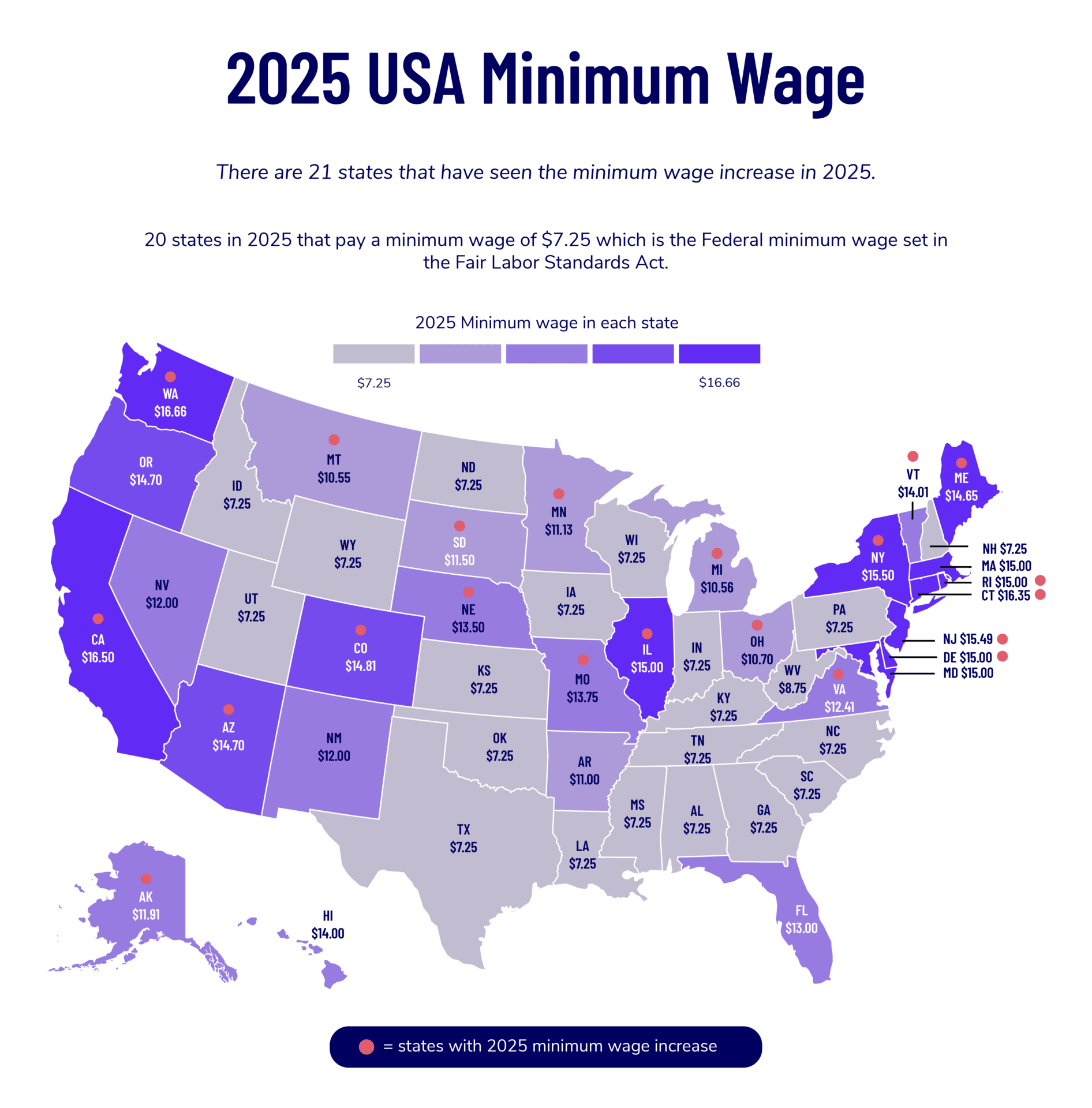
Unlike many other states that have enacted their own minimum wage laws, Alabama stands as one of the few that does not have a state-specific minimum wage. This means that employers in Alabama are generally required to adhere to the federal minimum wage, which currently stands at $7.25 per hour. This federal standard has been in place since July 24, 2009, making Alabama one of several states where workers’ wages are solely governed by federal legislation. This legislative silence at the state level has profound implications for a variety of sectors, especially those heavily reliant on hourly workers, such as hotels, restaurants, and numerous tourist attractions across the state.
The Federal Standard and State Silence
The decision by Alabama to not establish its own minimum wage often sparks debate among economists, policymakers, and workers alike. Proponents of adhering strictly to the federal minimum wage often argue that it provides flexibility for businesses, particularly small enterprises, to manage labor costs without additional state-mandated burdens. They suggest that a lower wage floor can help foster job creation and maintain competitive pricing, which in turn can make the state an attractive location for both businesses and budget travelers. For instance, a family planning a trip to Mobile might find that the overall cost of their accommodation, dining, and activities is slightly more favorable compared to states with higher minimum wages.
However, critics argue that relying solely on the federal minimum wage, which has not increased in over a decade, does not account for the rising cost of living. They contend that it can make it challenging for individuals and families to meet basic needs, potentially trapping workers in cycles of poverty. This becomes a significant consideration for the workforce in Alabama’s bustling tourism hubs like Orange Beach, where service industry jobs are plentiful but wages might struggle to keep pace with housing costs, especially near popular beachfront resorts. The lack of a higher state minimum wage means that the onus often falls on individual employers to offer wages above the federal minimum to attract and retain skilled staff, creating a varied wage landscape across different businesses and regions within the state.
Implications for Workers in Key Sectors
For those working in Alabama’s vital tourism and hospitality industries, the minimum wage situation directly impacts their daily lives and economic stability. Consider a frontline worker at a luxury hotel in Fairhope, like The Grand Hotel Golf Resort & Spa, or a server at a popular restaurant in Dauphin Island. While some establishments, particularly those focused on luxury travel, may offer wages significantly above the federal minimum to maintain high service standards and attract top talent, many smaller businesses or entry-level positions often adhere closely to the $7.25 mark.
This disparity means that two individuals performing similar tasks in different parts of the state, or even for different employers in the same city, could experience vastly different economic realities. For example, an employee at the USS Alabama Battleship Memorial Park might earn a wage that, while compliant with federal law, makes it difficult to afford housing and other necessities in a tourist-heavy area. This economic pressure can sometimes lead to higher turnover rates in these sectors, affecting the consistency of service that visitors experience. Furthermore, the reliance on tips for many service positions, particularly in dining, becomes even more critical when base wages are at the federal minimum, placing a greater emphasis on visitor generosity to ensure workers earn a living wage.
The Impact on Alabama’s Tourism and Hospitality Industry
The tourism and hospitality industry is a cornerstone of Alabama’s economy, drawing millions of visitors each year to its diverse attractions, from the historical significance of the Civil Rights Institute in Birmingham to the aerospace marvels at the US Space & Rocket Center in Huntsville. The prevailing wage structure, or lack thereof, for a state-specific minimum wage, profoundly influences how this industry operates, impacting everything from pricing strategies to the overall visitor experience.
Wages and the Visitor Experience
For travelers, the minimum wage situation in Alabama might not be immediately apparent, but its effects can be subtle yet pervasive. On one hand, the general perception is that Alabama offers a more affordable travel destination compared to states with higher labor costs. This affordability can manifest in lower prices for hotel stays, dining, and entrance fees to various landmarks. For instance, a stay at a mid-range hotel like the Southern Comfort Inn in Tuscaloosa might be notably less expensive than a comparable option in a state like California or New York, making Alabama an attractive choice for family trips or those on a tighter budget.
However, the flip side relates to the quality and consistency of service. When wages are low, businesses can struggle to attract and retain highly skilled or motivated staff. This can potentially lead to higher staff turnover, less experienced employees, and a reduced level of service in some establishments. While many businesses in the state pride themselves on their Southern hospitality and strive to provide excellent service regardless of wage policies, economic pressures can sometimes impact the overall guest experience. A traveler expecting five-star service at a resort on the Robert Trent Jones Golf Trail might encounter a highly dedicated team, but understanding the underlying wage structure can provide context for the operational challenges faced by the industry.

Attracting Talent to Service Roles
Alabama’s tourism sector relies heavily on a dedicated workforce that includes hotel staff, restaurant servers, tour guides, event coordinators, and more. Attracting and retaining talent in these crucial service roles is a constant challenge, especially when competing with other industries or states that offer higher compensation. Many businesses in popular destinations like Florence, known for its vibrant music and arts scene, or Auburn, a bustling college town, have found that they must offer wages significantly above the federal minimum to remain competitive. This often includes offering benefits, opportunities for advancement, and a positive work environment to entice skilled workers.
This competitive pressure means that while the official minimum wage is low, the practical wages offered by many reputable businesses in the tourism sector are often higher. For example, a resort like the Beachfront Paradise Resort in Gulf Shores would likely offer competitive wages to its staff to ensure top-notch service and guest satisfaction, which are vital for repeat business and positive reviews. This approach is a testament to the industry’s understanding that investing in its human capital is key to delivering memorable experiences for visitors, irrespective of state wage laws.
Cost of Living and Lifestyle in the Heart of the South
The discussion around minimum wage is inextricably linked to the broader cost of living and the quality of lifestyle available in a region. For anyone considering a temporary stay, a long-term relocation, or even just calculating their travel budget for a vacation in Alabama, understanding this dynamic is essential. Alabama is often cited as one of the states with a lower cost of living compared to the national average, a factor that is undoubtedly influenced by its wage policies.
Affordability for Residents and Travelers
The lower cost of living in Alabama can be a significant draw. Housing, in particular, tends to be more affordable across the state, from metropolitan areas to quaint rural towns. This affordability can translate into greater disposable income for residents who earn above the minimum wage, or it can help minimum wage earners stretch their income further than they might in more expensive states. For travelers, this often means that their dollar goes further in Alabama. From affordable apartment rentals for extended stays to reasonably priced meals at local eateries, the state offers considerable value.
For example, exploring the natural beauty of Cheaha State Park or driving a scenic section of the Natchez Trace Parkway can be done without breaking the bank. The overall cost of tourism in Alabama, including transportation, activities, and dining, often allows for more extensive or longer trips than might be feasible in other parts of the country. This positions Alabama as an appealing destination for a wide range of travelers, from those seeking a budget-friendly adventure to those enjoying a luxury getaway where their money provides even more value.
Navigating Budget Travel in Alabama
For those specifically focused on budget travel, Alabama presents numerous opportunities. The relatively lower cost of labor, alongside other economic factors, can contribute to lower prices across various services. This means that travelers can often find fantastic deals on accommodations, from charming bed and breakfasts in historic districts to modern suites in city centers like those found at Space City Suites in Huntsville. Dining out, exploring local culture, and participating in activities such as visiting museums or attending events at venues like Talladega Superspeedway can also be more economical.
Travelers looking to maximize their budget should always do their research, as prices can vary by season and location. However, the general economic environment in Alabama makes it an excellent choice for those who wish to experience the rich history, vibrant culture, and stunning natural landscapes of the South without a prohibitive price tag. This also means that local businesses, particularly those catering to tourists, must constantly balance keeping prices attractive to visitors with offering competitive wages to their staff, showcasing the intricate relationship between state wage policies, local economies, and the overall tourism experience.

Looking Ahead: The Future of Wages in Alabama
The conversation around minimum wage is dynamic and constantly evolving, even in states like Alabama where the federal standard has remained constant for over a decade. There are ongoing discussions at both state and federal levels regarding potential increases to the minimum wage. Any future changes, whether through federal legislation or a shift in state policy, would undoubtedly have significant ripple effects across Alabama’s economy, particularly for its vibrant tourism and hospitality sectors.
An increase in the minimum wage could lead to higher labor costs for businesses, potentially impacting pricing for hotel rooms, restaurant meals, and various attractions. While this might slightly increase the cost for travelers, it could also lead to a more stable and experienced workforce, potentially enhancing the quality of service across the state. Furthermore, an increased wage could boost local economies by providing workers with more disposable income, some of which would likely be spent within the state, further supporting local businesses and tourism initiatives.
For now, Alabama remains a state where the federal minimum wage sets the baseline. This unique position shapes its economic character, influencing both the cost of living for its residents and the overall affordability and value proposition for the millions of visitors who flock to its diverse destinations each year. Understanding this fundamental aspect of Alabama’s economy provides a richer context for appreciating its culture, its people, and the unforgettable travel experiences it offers.
LifeOutOfTheBox is a participant in the Amazon Services LLC Associates Program, an affiliate advertising program designed to provide a means for sites to earn advertising fees by advertising and linking to Amazon.com. Amazon, the Amazon logo, AmazonSupply, and the AmazonSupply logo are trademarks of Amazon.com, Inc. or its affiliates. As an Amazon Associate we earn affiliate commissions from qualifying purchases.