
Alabama, often referred to as the Heart of Dixie, is a state steeped in rich history, vibrant culture, and breathtaking natural beauty, attracting countless visitors for leisure, business, and exploration. From the bustling streets of Birmingham to the serene shores of Gulf Shores, understanding the local time is crucial for seamless travel, effective communication, and enjoying all that this remarkable part of the USA has to offer. The straightforward answer to “What time zone is Alabama USA?” is that the entire state primarily observes the Central Time Zone (CT). This consistency across the state simplifies planning for both residents and visitors, though the nuance of Daylight Saving Time (DST) and a minor geographical exception near its eastern border are important considerations for anyone looking to fully grasp the temporal rhythm of Alabama.
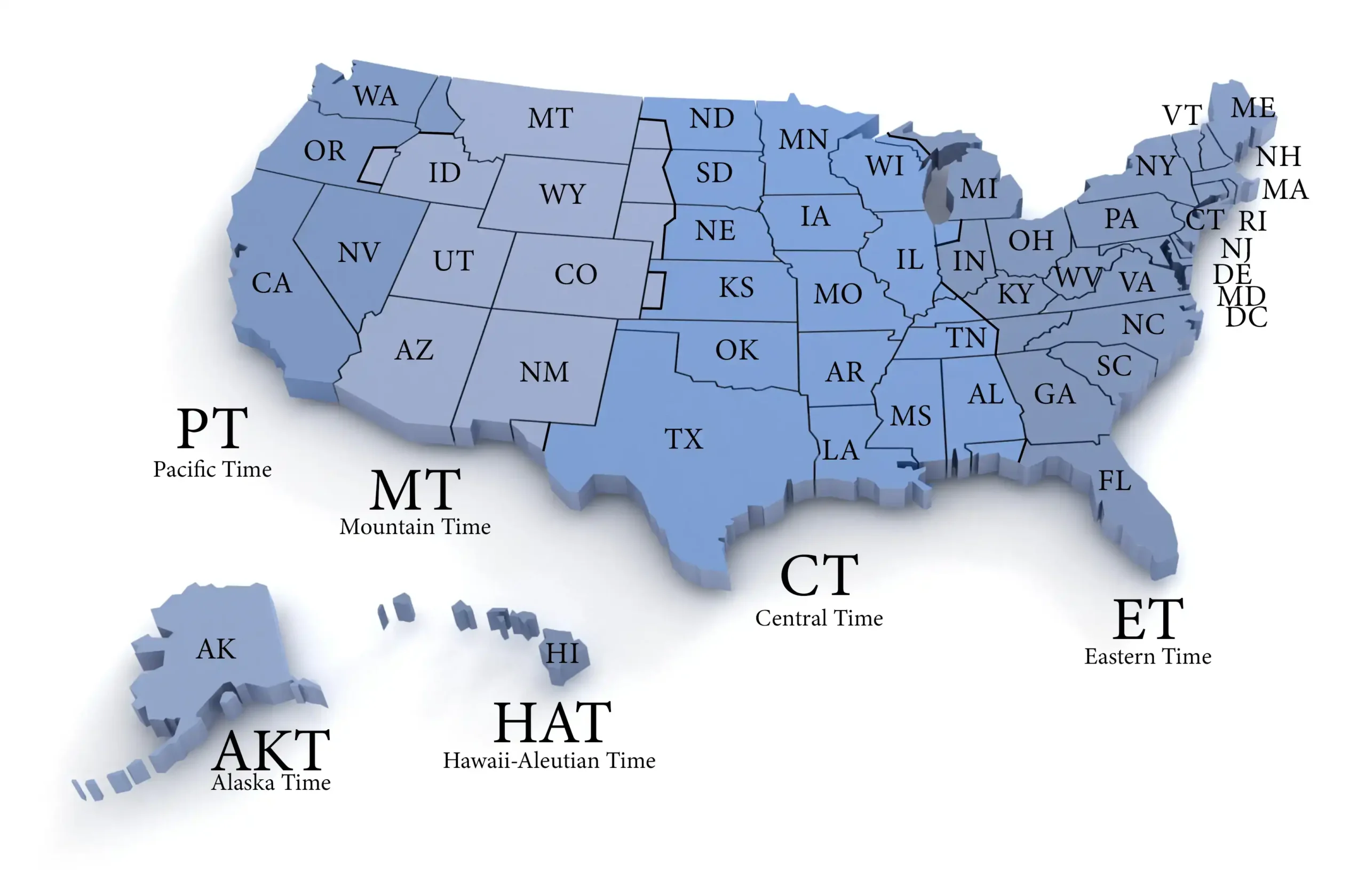
Whether you’re planning a trip to explore historical landmarks, attend a business conference, or simply relax by the coast, knowing the time zone is fundamental. It impacts everything from flight schedules and hotel bookings to coordinating meetings and making dinner reservations. For those delving into Alabama’s tourism, accommodations, and lifestyle, a clear understanding of CT is the first step towards a well-organized and stress-free experience.
Understanding Alabama’s Time Zone: Central Time (CT)
The vast majority of Alabama falls squarely within the geographical boundaries designated for the Central Time Zone. This means that during standard time, Alabama operates on Central Standard Time (CST), which is UTC-6 (Coordinated Universal Time minus six hours). When Daylight Saving Time is in effect, the state switches to Central Daylight Time (CDT), which is UTC-5. This consistent application across nearly all 52,419 square miles of the state makes time zone management relatively simple compared to states that are split between multiple primary time zones.
The adoption of a single time zone for almost the entire state has significant advantages for internal consistency, commerce, and daily life. It ensures that business hours, school schedules, and government operations are synchronized from Mobile in the south to Huntsville in the north, and from Tuscaloosa in the west to Auburn in the east. This uniformity is particularly beneficial for inter-city travel and communication within Alabama, removing a layer of complexity that travelers and businesses often face in other regions.
Standard Time vs. Daylight Saving Time in Alabama
Like most of the USA, Alabama observes Daylight Saving Time. This means that on the second Sunday in March, clocks “spring forward” one hour from CST to CDT, providing an extra hour of daylight in the evenings. On the first Sunday in November, clocks “fall back” one hour, returning to CST. This annual shift impacts daily routines, travel itineraries, and business schedules. For tourists, it’s particularly important to be aware of these changes, especially if arriving during a transition period, as it can affect everything from tour start times to restaurant reservations. Accommodations, from luxury resorts to budget hotels, are always synchronized with the local time, but personal devices may require manual adjustment if not set to automatically update.
The transition to DST significantly influences lifestyle activities. Longer daylight hours in summer are perfect for exploring Alabama’s natural landmarks, enjoying outdoor attractions like Cheaha State Park, or extending evenings at coastal destinations like Orange Beach and Dauphin Island. Conversely, the return to CST means earlier sunsets, which might require adjusting plans for outdoor activities during the fall and winter months.
The Geographical Line: Where Central Time Dominates
While Alabama predominantly adheres to the Central Time Zone, it shares borders with states that operate on different time zones, creating a few notable points of interest. To its west, Mississippi and Tennessee also observe CT, maintaining seamless time continuity along these borders. However, Alabama’s eastern borders with Florida and Georgia present a different scenario, as these states primarily observe the Eastern Time Zone (ET).
Specifically, the small city of Phenix City, Alabama, located directly across the Chattahoochee River from Columbus, Georgia, presents a unique situation. Although officially in CT, Phenix City essentially operates on Eastern Time (ET) in practice, due to its strong economic and social ties with its larger Georgia neighbor. Many businesses and residents in Phenix City informally observe ET (either EST or EDT) to align with Columbus, which is an hour ahead. This “de facto” time zone adoption is a pragmatic adjustment for local commerce and daily commuting. Similar informal adjustments might be seen in other border towns, such as Lanett and Valley which border West Point, Georgia, or around Lake Harding, where communities may adjust their schedules to align with their Georgia counterparts. While not officially changing the time zone, this practical alignment is a key piece of information for anyone traveling or doing business in these specific border areas.
Navigating Time Zones for Travelers to Alabama
For visitors planning a trip to Alabama, understanding the Central Time Zone is fundamental to a smooth and enjoyable experience. From the moment you book your flights to the minute you check out of your accommodation, time synchronization plays a critical role. Alabama’s consistent time zone, combined with awareness of Daylight Saving Time, helps ensure that your travel plans unfold without a hitch. This is especially true for those arriving from Eastern Time Zone or even further afield international locations, who will need to adjust their internal clocks.
Planning Flights and Itineraries
Air travel to Alabama typically involves flying into major hubs like Birmingham-Shuttlesworth International Airport (BHM), Mobile Regional Airport (MOB), or Huntsville International Airport (HSV). All flight times for arrivals and departures from these airports will be listed in local Central Time (CT). If you’re connecting through a major Eastern Time Zone hub like Atlanta’s Hartsfield-Jackson Atlanta International Airport (ATL), remember there will be a one-hour time difference when you cross into Alabama. A flight departing Atlanta at 10:00 AM ET might arrive in Birmingham at 10:30 AM CT, effectively being a 1.5-hour flight due to the time zone shift.

When constructing your travel itinerary, always confirm appointment times, tour bookings, and transportation schedules with the local CT in mind. This is particularly crucial for tightly scheduled trips or for business travelers who need to adhere to strict deadlines. Double-checking all confirmations against the local time will prevent missed connections or appointments and contribute to a much smoother journey.
Hotel Check-ins and Check-outs
Accommodation planning is another area where time zones play a role. Whether you’re staying in a luxurious suite in Montgomery, a family-friendly resort in Gulf Shores, or a boutique hotel in Birmingham, standard check-in and check-out times will always be based on the local Central Time. Most hotels specify a check-in time around 3:00 PM or 4:00 PM CT and a check-out time around 11:00 AM or 12:00 PM CT.
For travelers arriving from an Eastern Time Zone or further west, adjusting to Alabama’s CT is important. An early morning arrival from the east might mean an extra hour to wait until check-in, or alternatively, an extra hour to sleep in before a late morning check-out. If you have specific needs for early check-in or late check-out, it’s always best to communicate directly with your chosen accommodation in advance, confirming their policies and any potential fees, always referring to local CT. Understanding these timings ensures a comfortable and hassle-free stay, maximizing your time to enjoy the amenities and experiences offered by your hotel or resort.
Maximizing Your Visit: Tourism and Activities
Alabama’s diverse attractions, from historical landmarks to natural wonders, are best enjoyed with careful time management. Whether you’re planning to visit the USS Alabama Battleship Memorial Park in Mobile, explore the U.S. Space & Rocket Center in Huntsville, or delve into the Birmingham Civil Rights Institute, all opening hours and scheduled tours will adhere to Central Time.
When booking guided tours, making dinner reservations, or securing tickets for events like those at the Talladega Superspeedway or the Birmingham Museum of Art, always specify or confirm the time in CT. This attention to detail is crucial for enjoying the local culture, cuisine, and activities without unexpected delays or missed opportunities. For example, a dinner reservation at 7:00 PM local time will be 8:00 PM for someone still mentally operating on Eastern Time. Being mindful of the one-hour shift (if coming from the east) can help you avoid jet lag effects and truly immerse yourself in the local rhythm, whether it’s an early morning fishing trip on the coast or a late evening jazz performance in the city.
Living and Working in Alabama’s Time Zone
For residents and those considering a longer-term stay in Alabama, the Central Time Zone dictates the fundamental rhythm of daily life and business. Its consistency across the state streamlines various aspects, but interacting with regions outside of CT requires careful consideration. The time zone impacts not only personal schedules but also professional operations, communication strategies, and the overall lifestyle experience within the state.
Business Operations and Communication
Businesses operating within Alabama largely benefit from the state’s unified time zone, simplifying internal coordination, supply chain logistics, and client appointments. However, many Alabama-based companies engage in commerce with partners and clients across the USA and internationally. This necessitates a keen awareness of time differences, especially when communicating with the more populous Eastern Time Zone or global markets.
For remote workers or those involved in virtual teams, understanding the one-hour difference with the East Coast and the two-hour difference with the West Coast is paramount. Scheduling video conferences, submitting reports, or making calls often requires a mental calculation to ensure all participants are aligned. Alabama’s position in CT often allows for a good overlap with both eastern and western business hours, providing a flexible window for collaboration. For international business stays, thorough planning around global time differences is crucial for seamless operations and effective communication, avoiding potential missteps that can arise from time zone confusion.

Daily Life and Local Culture
The Central Time Zone naturally shapes the daily routines and rhythms of life in Alabama. School days, work hours, community events, and even prime-time television schedules are all structured around CT and its Daylight Saving Time adjustments. The local culture often reflects this timing, with social gatherings, outdoor leisure, and meal times organically fitting into the established clock. For instance, during CDT in the summer, evenings are long and bright, encouraging outdoor activities and later dinners. In contrast, CST in winter means earlier sunsets, which might shift the focus to indoor entertainment or earlier family meals.
Being in CT means that sunrise and sunset times differ from neighboring time zones. For instance, during summer, the sun will typically rise and set an hour later than locations in the Eastern Time Zone, offering a pleasant extension of evening light for outdoor enthusiasts. This subtle difference contributes to the unique lifestyle and pace of life in Alabama, allowing residents and long-term visitors to fully immerse themselves in the local customs and routines shaped by the state’s temporal alignment.
In conclusion, Alabama unequivocally operates within the Central Time Zone (CT), observing both Central Standard Time (CST) and Central Daylight Time (CDT). This consistency across the state significantly simplifies planning for travelers exploring its destinations, booking accommodations, or engaging in local tourism. While the unique situation in Phenix City on the Georgia border serves as a minor exception in practice, the general rule holds firm. Whether you’re visiting for a quick getaway or planning an extended stay, a clear understanding of Alabama’s time zone ensures that your schedule aligns perfectly with the Heart of Dixie’s welcoming rhythm.
LifeOutOfTheBox is a participant in the Amazon Services LLC Associates Program, an affiliate advertising program designed to provide a means for sites to earn advertising fees by advertising and linking to Amazon.com. Amazon, the Amazon logo, AmazonSupply, and the AmazonSupply logo are trademarks of Amazon.com, Inc. or its affiliates. As an Amazon Associate we earn affiliate commissions from qualifying purchases.