
For many outdoor enthusiasts, the question, “When does gun season start in Alabama?” isn’t just about a date on a calendar; it’s a call to adventure, a tradition, and a deeply ingrained part of the Southern lifestyle. Alabama, with its rich natural landscapes, abundant wildlife, and welcoming hospitality, stands out as a premier destination for hunters. However, understanding the intricacies of hunting seasons in the Yellowhammer State is crucial for both seasoned hunters and those new to the pursuit. This comprehensive guide delves into the specifics of Alabama’s gun seasons, while also exploring the broader travel, tourism, and lifestyle experiences that make a trip to this vibrant state unforgettable.
Beyond merely knowing the start date, planning a hunting trip to Alabama involves considering everything from licensing and regulations to the perfect accommodation and complementary activities for the whole family. Whether you’re drawn by the thrill of tracking a white-tailed deer, the challenge of a wild turkey hunt, or the camaraderie of a small game outing, Alabama offers a diverse range of opportunities. Our focus here is to provide an in-depth look at the hunting calendar, alongside practical advice for turning your hunting expedition into a remarkable travel experience, complete with insights into local culture, excellent dining, and comfortable stays.
Navigating Alabama’s Diverse Hunting Seasons
Alabama’s wildlife management is meticulously structured to ensure sustainable populations and quality hunting experiences. The state is renowned particularly for its white-tailed deer and wild turkey, but it also offers seasons for a variety of other game, including waterfowl, small game, and feral hogs, which can be hunted year-round in many areas. Understanding the staggered start dates and specific regulations for each game species is paramount for a successful and legal hunt.
Key Dates for Deer and Other Popular Game
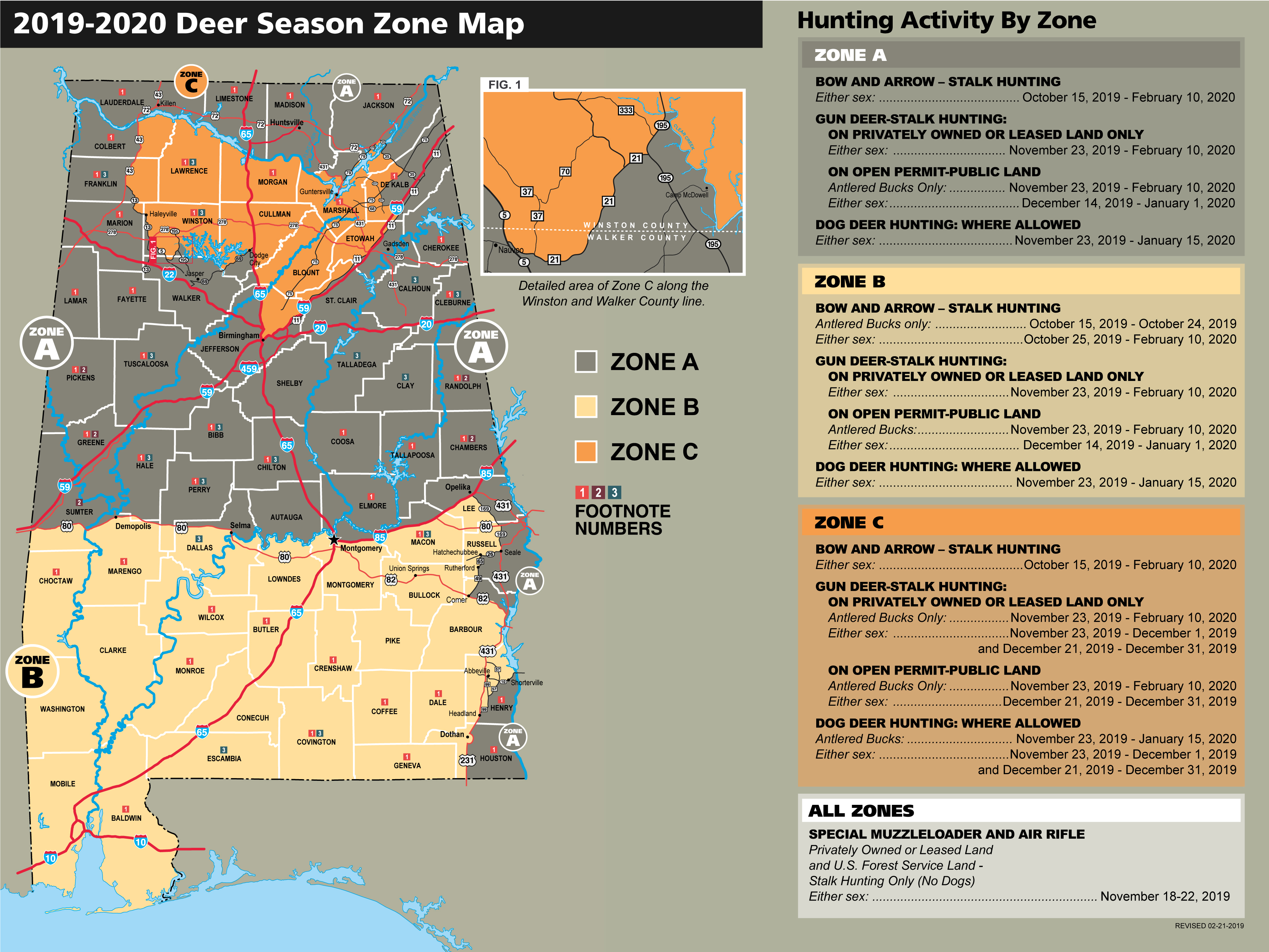
When it comes to the question of “When does gun season start in Alabama?” for white-tailed deer, it’s important to note that the state utilizes a zonal system. While specific dates can vary slightly year to year based on official declarations by the Alabama Department of Conservation and Natural Resources (ADCNR), a general framework provides a reliable guide.
For white-tailed deer, the seasons typically unfold in phases:
- Archery Season: This usually kicks off in mid-October across all zones, offering hunters an early opportunity to pursue deer with bow and arrow. This extended period allows for diverse hunting strategies and experiences, often leading into the firearm seasons.
- Muzzleloader/Special Primitive Weapons Season: Following archery season, a dedicated primitive weapons season generally begins in late October or early November. This period is a bridge between archery and the full gun season, providing a unique challenge for hunters using traditional firearms.
- Gun Season (White-tailed Deer): The highly anticipated gun season for white-tailed deer typically begins in mid-November for most zones. This is when the majority of hunters head to the woods with modern firearms. The season usually runs through late January or even into early February, offering a generous window for hunters to fill their tags. It’s crucial to check the specific zone you plan to hunt in, as some variations may apply. For instance, parts of the state might have slightly different start or end dates, or specific rules regarding antlered versus unantlered deer.
Beyond deer, Alabama also offers fantastic opportunities for other game:
- Wild Turkey: Spring turkey season is a celebrated event, typically running from mid-March through late April or early May, depending on the zone. This hunt requires different skills and strategies, often involving calling birds.
- Waterfowl: Duck and goose seasons generally align with federal migratory bird regulations, usually opening in late November and continuing in split segments through late January.
- Small Game: Seasons for squirrel and rabbit often start in early October and extend through February or March, providing ample opportunities for less intensive hunts and an excellent introduction for new or young hunters.
- Feral Hogs & Coyotes: These species are considered nuisance animals in Alabama and can often be hunted year-round without a closed season, especially on private lands with landowner permission. This provides a continuous opportunity for hunters, often serving as a thrilling bonus during other game seasons.
Always consult the current year’s hunting regulations and season dates published by the Alabama Department of Conservation and Natural Resources (ADCNR) prior to planning your trip, as dates and rules are subject to annual adjustments.
Licensing, Regulations, and Hunter Education: What You Need to Know
Engaging in a hunting trip in Alabama requires adherence to strict licensing and regulatory frameworks designed to promote safety, conservation, and ethical hunting practices. Understanding these requirements is as important as knowing the season dates.
Hunting Licenses:
Every hunter in Alabama must possess a valid hunting license. The type of license depends on residency status and the duration of the hunt:
- Resident Licenses: Available to individuals who have lived in Alabama for at least 90 days. Options include annual licenses, all-game licenses, and specific deer or turkey tags.
- Non-Resident Licenses: Alabama is a popular destination for out-of-state hunters, and suitable non-resident licenses are available. These often include annual, 10-day, or 3-day options, providing flexibility for visitors. A trip to hunt in Alabama can be a fantastic way to experience its unique outdoor culture, and securing the correct non-resident license is your first step.
- Conservation ID: All licensed hunters and anglers in Alabama are required to have a Conservation ID number.
- Harvest Record: Hunters pursuing deer and turkey must possess a no-cost Game Check harvest record and report their harvest using the Game Check system.
Hunter Education:
Anyone born on or after August 1, 1977, must complete an approved hunter education course before purchasing an Alabama hunting license. This requirement ensures that hunters understand firearm safety, wildlife conservation, and ethical hunting practices. Non-residents who have completed a hunter education course in another state or country that is approved by the International Hunter Education Association will typically have their certification recognized in Alabama.
Bag Limits and Zones:
Alabama employs specific bag limits for different game species to maintain healthy populations. For white-tailed deer, these limits often include restrictions on the number of antlered and unantlered deer that can be harvested per hunter per season, and sometimes per day. The state is divided into multiple zones, each with potentially distinct season dates, bag limits, or antler restrictions. These zonal regulations are crucial and require careful review. For example, some zones might have a more conservative approach to antlered deer harvest, focusing on quality deer management.
Public vs. Private Land:
Understanding where you can hunt is also vital. Alabama offers numerous opportunities on public lands, including National Forests like William B. Bankhead National Forest and Conecuh National Forest, as well as Wildlife Management Areas (WMAs). Hunting on these lands often requires additional permits or a WMA license. The majority of hunting in Alabama, however, occurs on private land, necessitating landowner permission. Many hunters opt for guided hunts or leases on private property for exclusive access and often higher success rates.
Always carry your license, relevant permits, and photo identification while hunting. Familiarize yourself with all local and statewide regulations, which can be found in the ADCNR’s annual hunting guide, available online and at license vendors.
Alabama: A Premier Destination for Outdoor Enthusiasts
Beyond the thrill of the hunt, Alabama offers a rich tapestry of natural beauty and outdoor activities, making it an ideal travel destination for individuals and families alike. The state’s diverse geography, from the foothills of the Appalachian Mountains to the white-sand beaches of the Gulf Shores, provides a stunning backdrop for any adventure.
Diverse Landscapes and Rich Wildlife
Alabama’s geography is surprisingly varied, contributing to its rich biodiversity and offering different hunting experiences across the state.
- Northern Alabama: Dominated by the southern extensions of the Appalachian Mountains, this region features rugged terrain, dense forests, and numerous rivers and lakes. Hunters here can expect challenging hunts in mountainous environments, alongside opportunities for small game and waterfowl around bodies of water like Lake Guntersville State Park. Destinations like Huntsville offer a blend of outdoor access and urban amenities.
- The Black Belt Region: This central part of the state, named for its dark, fertile soil, is an agricultural powerhouse. The mix of farmlands, timber tracts, and creek bottoms creates prime habitat for white-tailed deer and wild turkey. This region is often considered the heartland of deer hunting in Alabama and areas around Selma or Montgomery are prime hunting grounds.
- Southern Alabama and Coastal Plain: Characterized by pine forests, swamps, and flatlands, this area provides excellent habitat for deer, wild hogs, and waterfowl. Proximity to the Gulf of Mexico also opens up opportunities for fantastic fishing and coastal tourism in cities like Mobile and resort towns like Gulf Shores and Orange Beach.
This geographic diversity means that whether you prefer a rugged mountain hunt or a more open field experience, Alabama has a landscape to suit your preference. The commitment to wildlife conservation across these varied habitats ensures thriving populations and memorable encounters with nature.
Beyond the Hunt: Exploring Alabama’s Natural Beauty and Attractions
While hunting might be the primary draw, Alabama offers a wealth of other outdoor activities and cultural attractions that can enrich any travel itinerary, particularly for family members who may not be participating in the hunt.
State Parks and National Forests:
Alabama boasts a remarkable system of state parks and national forests, providing opportunities for hiking, camping, fishing, kayaking, and birdwatching.
- William B. Bankhead National Forest, located in northwest Alabama, is known as “The Land of 1000 Waterfalls” and offers stunning scenery, hiking trails, and the Sipsey Wilderness Area.
- Conecuh National Forest, in the state’s southern region, provides a tranquil setting for camping and exploring longleaf pine ecosystems.
- Cheaha State Park, the highest point in Alabama, offers breathtaking panoramic views, challenging trails, and rustic cabins, making it an excellent spot for nature lovers.
- Lake Guntersville State Park is a haven for fishing, boating, and eagle watching, providing a different kind of wilderness experience.
Coastal Charms:
The Alabama Gulf Coast, encompassing Gulf Shores, Orange Beach, and Dauphin Island, offers pristine beaches, world-class fishing charters, and family-friendly attractions. Visitors can enjoy fresh seafood, explore historic forts, or simply relax by the ocean.
Historical and Cultural Sites:
Alabama played a pivotal role in American history, particularly during the Civil Rights Movement.
- In Montgomery, the state capital, you can visit the National Memorial for Peace and Justice and The Legacy Museum, powerful sites that document racial injustice.
- Birmingham is home to the Birmingham Civil Rights Institute and the historic 16th Street Baptist Church.
- Mobile, Alabama’s oldest city, boasts a rich French colonial history, antebellum architecture, and is known for originating Mardi Gras in the United States.
These attractions provide ample opportunities to delve into Alabama’s past and present, offering a well-rounded travel experience that extends far beyond the hunting grounds.
Planning Your Alabama Hunting Trip: Travel and Accommodation
A successful and enjoyable hunting trip to Alabama requires careful planning, especially when it comes to travel logistics and securing comfortable accommodation. Whether you’re seeking a rustic cabin experience or a luxurious resort stay, Alabama offers a range of options to suit every preference and budget.
Choosing Your Base Camp: Hotels, Resorts, and Lodges
Your choice of accommodation can significantly impact your overall trip experience. When planning for gun season, consider proximity to your hunting grounds, the amenities offered, and whether you’re traveling solo, with a hunting party, or with family.
- Hunting Lodges and Outfitters: For a fully immersive hunting experience, many outfitters and private hunting clubs offer all-inclusive packages that include lodging, meals, guides, and access to prime hunting land. These often range from comfortable, rustic cabins to more luxurious lodges, such as the Black Belt Hunt Club or The Grand Southern Lodge, providing a hassle-free experience focused entirely on the hunt.
- Hotels and Motels: Larger cities and towns near popular hunting areas, such as Montgomery, Birmingham, Mobile, Huntsville, Dothan, or Auburn, offer a wide array of hotels, from budget-friendly chains to upscale boutique options. These provide a convenient base for day hunts and access to local amenities. Consider a stay at the Pine Ridge Inn for comfort and easy access, or perhaps the Southern Charm Suites for a more extended stay with family.
- Resorts and Vacation Rentals: If you’re traveling with family or prefer more amenities, consider resorts that blend outdoor access with creature comforts. For example, resorts near Lake Guntersville or the Cahaba River Resort offer scenic beauty and additional recreational opportunities. Along the coast, properties in Gulf Shores or Orange Beach, such as the Mobile Bayview Hotel, cater to those seeking a blend of beach relaxation and potential access to specific hunting zones. Vacation rentals, like cabins or private homes, also offer flexibility, privacy, and the ability to cook your own meals, which can be ideal for hunting groups.
When booking, especially during peak gun season, it’s advisable to make reservations well in advance, as popular accommodations can fill up quickly. Look for places that offer amenities suitable for hunters, such as ample parking for trucks and trailers, or areas for cleaning gear.
Essential Travel Tips and Local Culture
To make your Alabama hunting trip smooth and enjoyable, keep these travel tips in mind, and embrace the local culture.
- Transportation: Alabama is largely a driving state. While regional airports like Birmingham-Shuttlesworth International Airport (BHM), Montgomery Regional Airport (MGM), and Mobile Regional Airport (MOB) offer convenient access, a rental car is almost always necessary to reach hunting grounds and explore the surrounding areas. Ensure your vehicle is suitable for potentially rough terrain if you plan to access remote hunting spots.
- Local Cuisine: Alabama is a culinary delight, especially for those who appreciate Southern comfort food. Don’t miss out on authentic BBQ, fried chicken, fresh Gulf seafood (if you’re near the coast), and classic Southern vegetables. Many local diners and restaurants will offer hearty meals perfect for refueling after a day in the woods. Try local establishments in towns like Selma or Auburn for an authentic taste.
- Weather Considerations: Alabama’s fall and winter can bring a range of temperatures. While days can be mild and sunny, mornings can be quite chilly, and rain is always a possibility. Pack layers of clothing, including waterproof outerwear, to stay comfortable in changing conditions.
- Respecting Local Customs: Alabama is known for its Southern charm and hospitality. Be respectful of local customs, engage with the community, and always ask for permission before entering private property. The hunting community is tight-knit and values responsible outdoor ethics.
- Safety First: Always prioritize safety. Inform someone of your hunting plans, carry a first-aid kit, and be aware of your surroundings. If hunting on public land, be conscious of other users.
By combining practical planning with an open mind to local experiences, your Alabama hunting trip will be more than just a hunt; it will be a memorable journey into the heart of the South.
The Lifestyle of an Alabama Hunter: Traditions and Broader Experiences
Hunting in Alabama is often more than just a seasonal activity; for many, it’s a cherished lifestyle, steeped in tradition and community. It’s a chance to connect with nature, practice self-sufficiency, and pass down valuable skills through generations. For visitors, it’s an opportunity to immerse oneself in a distinctive aspect of Southern culture.
Family Traditions and Guided Hunts
The tradition of hunting runs deep in Alabama, often serving as a generational bond within families. Fathers, mothers, and grandparents introduce children to the outdoors, teaching them about wildlife, conservation, and the ethics of hunting. This familial aspect is a cornerstone of the hunting lifestyle in the South, creating lasting memories and reinforcing a connection to the land. Many properties, especially in the Black Belt region, are family-owned and have been hunted for decades, if not centuries, with specific traditions and stories tied to them.
For those without established family ties or extensive experience, guided hunts offer an accessible and often luxurious pathway into Alabama’s hunting scene. Professional guides and outfitters provide expertise on local terrain, game patterns, and hunting strategies, significantly increasing the chances of a successful harvest. These services often include transportation within the hunting area, field dressing, and sometimes even taxidermy preparation. Choosing a reputable outfitter, such as one associated with the Black Belt Hunt Club or a dedicated lodge like The Grand Southern Lodge, can transform a challenging endeavor into a comfortable and highly rewarding experience, making it a viable option for those seeking a luxury travel hunting experience. They cater to various skill levels, from beginners to seasoned hunters, ensuring everyone can partake in the adventure.
Maximizing Your Visit: Tourism and Attractions for Non-Hunters
While hunters are out in the field, Alabama provides a plethora of activities and attractions for companions or family members not participating in the hunt, ensuring a fulfilling trip for everyone. This blend of activities makes Alabama an ideal destination for family trips or group travel where not everyone shares the same interest in hunting.
- Culinary Tours: Beyond the traditional Southern fare, many cities like Birmingham and Mobile boast vibrant culinary scenes with award-winning restaurants, craft breweries, and distilleries. Food enthusiasts can explore farmers’ markets, attend cooking classes, or simply indulge in diverse dining experiences.
- Shopping and Arts: From quaint antique shops in small towns to modern boutiques in urban centers like Huntsville or Auburn, there are plenty of shopping opportunities. Alabama also has a thriving arts scene, with galleries, theaters, and live music venues, particularly in Birmingham and Montgomery.
- Educational and Scientific Exploration: The US Space & Rocket Center in Huntsville is a world-class attraction offering interactive exhibits, astronaut training simulators, and a look at America’s space exploration history. It’s an excellent destination for families with children or anyone interested in science and technology.
- Relaxation and Wellness: For those seeking relaxation, the coastal areas of Gulf Shores and Orange Beach offer spas, yoga on the beach, and simply the tranquility of the ocean. Inland, many resorts and lodges provide amenities like swimming pools, golf courses, and spa services, such as those found at the Cahaba River Resort.
- Local Festivals and Events: Depending on the time of year, visitors might encounter local festivals celebrating everything from pecans and peanuts to music and arts. These events offer a fantastic way to experience Alabama’s community spirit and unique cultural expressions.
By integrating these diverse attractions and experiences, an Alabama hunting trip transforms into a holistic travel adventure, catering to a wide range of interests and ensuring that every member of the party has a memorable and enriching visit. It underscores Alabama’s appeal not just as a hunting ground, but as a full-fledged travel destination.

Conclusion
Understanding “When does gun season start in Alabama?” is merely the first step in unlocking a deeply enriching outdoor and travel experience. From the crisp mid-November mornings signaling the start of deer gun season to the vibrant spring turkey hunts, Alabama’s diverse ecosystems and meticulously managed wildlife offer unparalleled opportunities for hunters. However, the true appeal of the Yellowhammer State extends far beyond the pursuit of game.
Alabama presents itself as a comprehensive travel destination, seamlessly blending the rugged beauty of its hunting grounds with rich historical narratives, vibrant cultural scenes, and genuine Southern hospitality. Whether you’re planning a trip focused solely on the thrill of the hunt, or a family vacation that balances outdoor adventure with cultural exploration, Alabama caters to every desire. With accommodations ranging from rustic hunting lodges to luxurious resorts and boutique hotels like The Grand Southern Lodge or Southern Charm Suites, visitors can tailor their stay to their exact preferences.
As you prepare for your Alabama adventure, remember the importance of responsible hunting, adherence to regulations, and a deep respect for the natural environment. By doing so, you contribute to the conservation efforts that ensure future generations can also enjoy the bountiful wildlife and stunning landscapes that make Alabama a truly special place. Embrace the lifestyle, savor the local flavors, and explore the myriad attractions that await. Your journey into Alabama’s heartland promises an unforgettable experience, blending the thrill of the hunt with the warmth of Southern charm and the beauty of its natural wonders.
LifeOutOfTheBox is a participant in the Amazon Services LLC Associates Program, an affiliate advertising program designed to provide a means for sites to earn advertising fees by advertising and linking to Amazon.com. Amazon, the Amazon logo, AmazonSupply, and the AmazonSupply logo are trademarks of Amazon.com, Inc. or its affiliates. As an Amazon Associate we earn affiliate commissions from qualifying purchases.