
Alabama, with its diverse landscapes ranging from the rolling Appalachian Foothills to the fertile Black Belt and the marshy Gulf Coast, stands as a prime destination for outdoor enthusiasts. While many travelers are drawn to its pristine beaches, historical landmarks, or vibrant city life, a significant number seek the thrill of its renowned hunting seasons. Understanding when hunting season ends in Alabama is crucial for both avid hunters planning their next expedition and general tourists looking to experience the state’s natural beauty outside of peak hunting activity. Beyond the specific dates, the allure of Alabama’s outdoor lifestyle offers a rich tapestry of experiences, from rustic lodge stays to gourmet dining and family-friendly adventures. This comprehensive guide will not only delineate the typical hunting season end dates but also weave them into the broader context of Alabama’s tourism, accommodation options, and unique lifestyle offerings, ensuring a memorable visit for every type of traveler.
Navigating Alabama’s Diverse Hunting Landscape
Alabama’s commitment to wildlife conservation ensures a robust and well-managed hunting environment, attracting hunters from across the nation. The state’s varied ecosystems support a wide array of game, each with its own specific season. While exact dates can shift slightly year-to-year based on wildlife management decisions, general patterns provide a clear picture of when the hunting seasons typically conclude. It is always advisable to consult the Alabama Department of Conservation and Natural Resources (ADCNR) for the most current regulations and dates.
White-Tailed Deer: The Crown Jewel
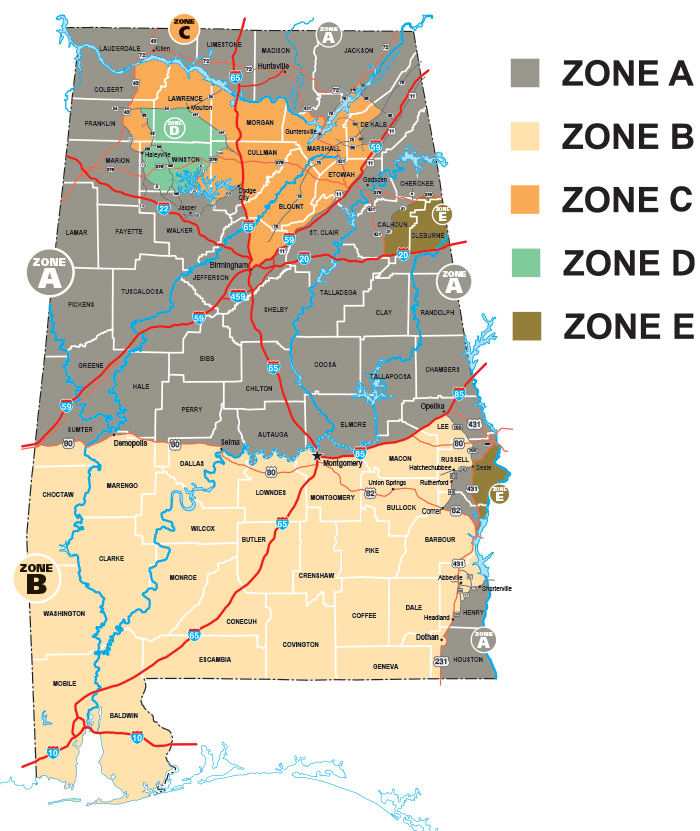
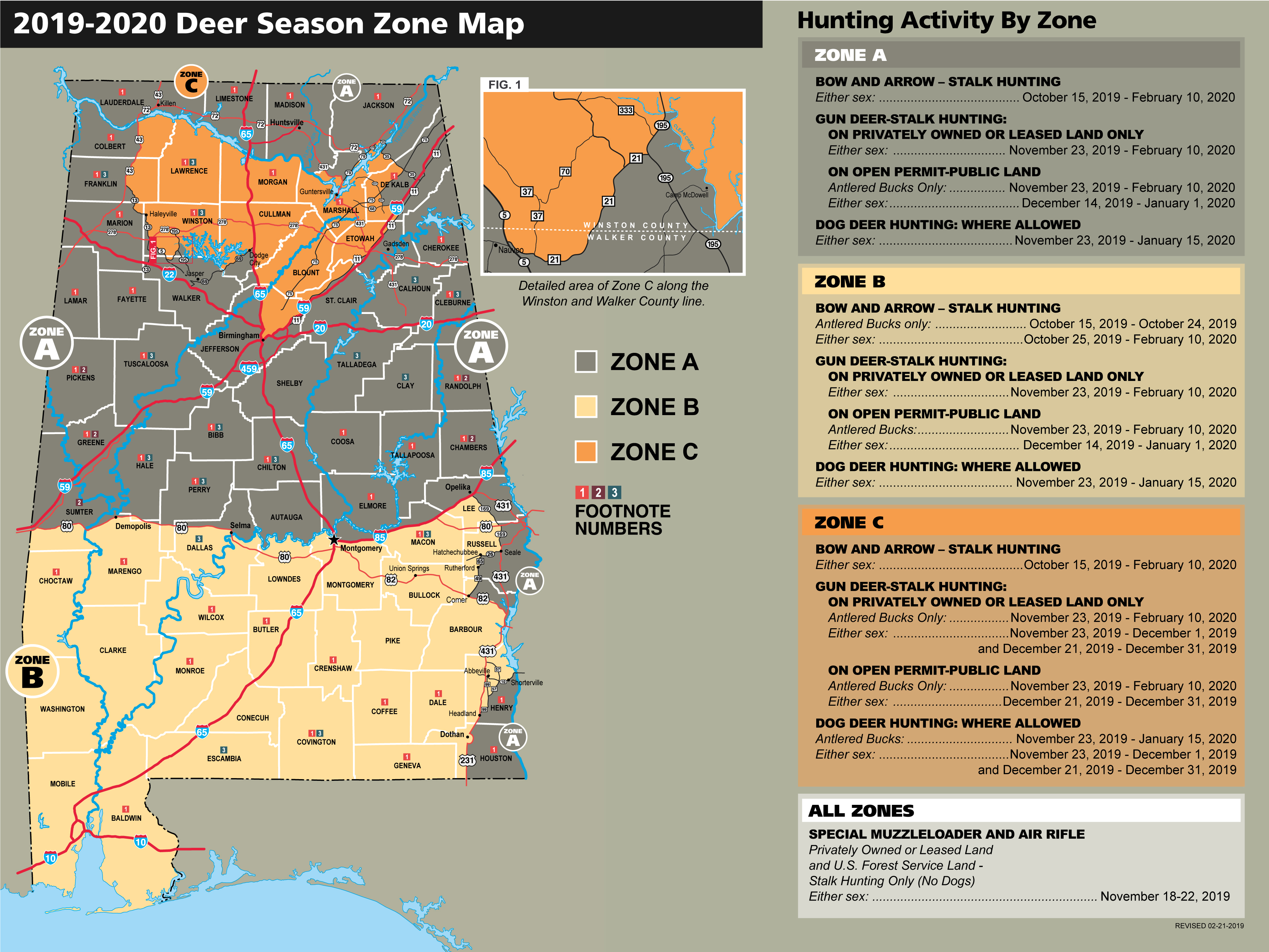
The White-Tailed Deer is arguably the most sought-after game animal in Alabama. The deer season is divided into various zones and methods (archery, muzzleloader, gun), each with slightly different start and end dates. Generally, the main gun season for White-Tailed Deer typically runs from mid-November and extends into late January or early February. For instance, in recent years, the end date for gun season in most zones has fallen around January 31st or the first few days of February. Archery season, however, begins much earlier, often in mid-October, and can extend through the end of the gun season, sometimes even a bit beyond for certain antlerless deer opportunities.
Hunters venturing into the dense forests and sprawling tracts of the Black Belt region, famous for its trophy bucks, will find the late season offers unique challenges and rewards. The crisp winter air and post-rut behavior of deer provide a different hunting experience compared to the early fall. The conclusion of deer season marks a significant shift in the outdoor calendar, as many private lands and hunting lodges transition their focus or prepare for spring activities.
Wild Turkey: A Spring Tradition
Following the deer season, the Wild Turkey steps into the spotlight, offering an exhilarating spring hunting experience. Alabama’s turkey season typically commences in mid-March and concludes in mid to late April, sometimes extending into early May in certain zones. This vibrant period sees hunters attempting to call in wary gobblers amidst the blooming dogwoods and redbuds, making for a truly picturesque and challenging hunt.
The conclusion of turkey season signals the waning of major game hunting until the fall. For travelers, this means that from May onwards, the focus shifts more distinctly towards fishing, water sports, hiking, and other non-hunting outdoor recreation. Areas popular for turkey hunting, such as the northern Appalachian Foothills or timberlands across the state, become prime spots for birdwatching, trail walking, and camping as the forests come alive with spring flora and fauna.
Waterfowl and Upland Game: Seasonal Delights
Beyond deer and turkey, Alabama offers excellent opportunities for waterfowl and various upland game species. Waterfowl seasons, primarily for ducks and geese, are typically structured with several segments, often starting in late November and concluding in late January, sometimes with brief intermissions. The Gulf Coast region, particularly around Mobile Bay and its delta, is a hotspot for migratory birds, offering fantastic hunting experiences. The conclusion of waterfowl season often aligns with the end of deer season, bringing an end to the primary winter hunting pursuits.
For Upland Game like quail, rabbit, and squirrel, seasons generally open in early November and can extend well into February or even early March. Squirrel hunting, in particular, often has one of the longest seasons, allowing for prolonged enjoyment. These smaller game species provide accessible hunting opportunities and are often a gateway for new hunters or a relaxed outing for seasoned veterans. Their seasons typically close before the full onset of spring, making way for the turkey season.
Essential Regulations and Licensing
Before embarking on any hunting trip in Alabama, it is imperative to secure the appropriate hunting licenses and permits. All hunters, resident and non-resident alike, are required to purchase an annual hunting license, along with specific endorsements for certain game, such as a Harvest Information Program (HIP) certification for migratory birds or an Alabama Game Bird stamp for quail and turkey. Understanding bag limits, legal hunting hours, and permitted weapons is also critical for a safe and legal hunt. Information on these regulations is readily available on the ADCNR website and from local licensed outfitters. Ignoring these rules can lead to significant penalties and detract from an otherwise enjoyable trip.
Beyond the Blind: Integrating Hunting with an Alabama Travel Experience
For many, hunting is not just about the pursuit of game; it’s a profound connection to nature, a test of skill, and an opportunity for camaraderie. When planning a hunting trip to Alabama, it’s easy to extend the experience into a holistic travel adventure, leveraging the state’s diverse offerings in accommodation, culinary delights, and family activities.
Accommodations Tailored for the Outdoor Enthusiast
Alabama understands the needs of its hunting visitors, offering a range of accommodation options from rustic charm to luxurious comfort. For those seeking an immersive experience, dedicated hunting lodges and cabins are abundant, especially in prime hunting areas. Establishments like the fictional Magnolia Ridge Lodge or Forest Haven Cabins offer amenities specifically catering to hunters, such as game processing facilities, dog kennels, and experienced guides. These often provide an all-inclusive package, handling everything from meals to transportation to and from hunting blinds.
For hunters traveling with family or those who prefer more creature comforts, numerous hotels and resorts are strategically located near popular hunting zones or major outdoor attractions. For instance, a stay at the Hyatt Regency Birmingham – The Wynfrey Hotel in Birmingham or the Renaissance Montgomery Hotel & Spa at the Convention Center in Montgomery offers the convenience of city amenities, gourmet dining, and spa services, while still being within a reasonable drive of excellent hunting grounds. Alternatively, a beautiful resort like The Grand Hotel Golf Resort & Spa on Mobile Bay provides an opulent base for waterfowl hunters and their families, with golf, tennis, and seaside recreation available. Many properties are accustomed to hosting outdoor enthusiasts, offering secure storage for gear and early breakfast options. Vacation rentals through platforms like Airbnb or VRBO also present excellent opportunities for secluded stays, often closer to prime hunting lands, allowing for a more personalized and flexible experience.
Family Adventures and Companion Activities
A hunting trip doesn’t have to be a solo endeavor. Alabama provides a wealth of activities for non-hunting family members or for hunters looking to diversify their leisure time. While one member of the party is in a deer stand, others can explore local attractions. If you’re hunting near Huntsville, a visit to the U.S. Space & Rocket Center is a must. Those near Montgomery can delve into American history at the Civil Rights Memorial and related sites. In Birmingham, the Birmingham Botanical Gardens offer a tranquil escape, while the McWane Science Center provides interactive fun for kids.
For outdoor enthusiasts who aren’t hunting, Alabama’s state parks—such as Oak Mountain State Park near Birmingham or Cheaha State Park in the Appalachian Foothills—offer miles of hiking and biking trails, scenic overlooks, fishing, and even ziplining. The beautiful beaches of Gulf Shores and Orange Beach provide a perfect coastal getaway, even in the cooler months, with opportunities for dolphin cruises, deep-sea fishing, and fresh seafood dining. Many Alabama towns also boast charming downtown areas with unique boutiques, antique shops, and local art galleries, perfect for a leisurely afternoon.
Savoring Alabama: Culinary Journeys
No trip to Alabama is complete without indulging in its rich culinary heritage. For hunters, the opportunity to cook their own wild game is a significant draw. Many lodges and rental cabins come equipped with full kitchens, allowing for the preparation of venison chili, turkey breast, or roasted duck. Even if you’re not cooking your own catch, Alabama’s food scene is vibrant.
From award-winning BBQ joints to upscale farm-to-table restaurants, the state offers diverse flavors. In cities like Mobile or Fairhope, fresh seafood is a staple, with oysters, shrimp, and Gulf fish taking center stage. In Birmingham, a dynamic culinary hub, you can find everything from classic Southern comfort food to innovative fine dining. Seek out local establishments that embrace regional ingredients, like The Southern Table in Auburn or Riverfront Grille in Decatur, for an authentic taste of Alabama. Many restaurants also celebrate the seasons, offering dishes that reflect the bounty of the state, including local produce and, occasionally, even responsibly sourced wild game.
Iconic Destinations and Natural Wonders in Alabama
Alabama’s landscape is a mosaic of natural beauty and historical significance, making it a captivating destination year-round. Understanding the end of hunting seasons allows travelers to plan visits that align with their preferred activities, whether it’s full-throttle outdoor adventure or serene cultural exploration.
From the Black Belt to the Gulf Coast: Prime Outdoor Regions
The Black Belt, a crescent-shaped region running across central Alabama, is historically and ecologically significant. Its rich, dark soil is not only fertile for agriculture but also supports dense forests and abundant wildlife, making it legendary for white-tailed deer hunting. Outside of hunting season, the Black Belt offers a glimpse into Alabama’s rural charm and civil rights history, with small towns preserving a bygone era.
Moving north, the Appalachian Foothills provide a dramatic change in scenery, with mountains, valleys, and rivers. This region is ideal for turkey hunting and offers fantastic opportunities for hiking, kayaking, and rock climbing at spots like Little River Canyon National Preserve or within the Talladega National Forest. The scenic drives here, especially during fall foliage, are breathtaking.
To the south, the Gulf Coast is famed for its sugar-white sand beaches, particularly in Gulf Shores and Orange Beach. While it’s a critical area for waterfowl hunting in winter, it transforms into a bustling hub for beach vacations, fishing charters, and vibrant nightlife once the hunting seasons conclude. Dauphin Island, a barrier island, offers excellent birdwatching, a public aquarium, and a historic fort, providing a diverse coastal experience.
Exploring Alabama’s State Parks and Natural Attractions
Alabama’s state parks system is a treasure trove for nature lovers. Guntersville State Park, nestled in the mountains overlooking Lake Guntersville, is perfect for fishing, boating, and eagle watching. Monte Sano State Park near Huntsville offers stunning views and Japanese gardens. These parks, while not primary hunting grounds themselves (hunting is often restricted within park boundaries), are often surrounded by or adjacent to public hunting lands and wildlife management areas. They also offer excellent lodging options, from cozy cabins to full-service hotels, making them ideal bases for combining hunting with family recreation.
Beyond the state parks, unique natural wonders like Dismals Canyon, a privately owned natural conservatory known for its “dismalites” (bioluminescent insects), or Noccalula Falls Park with its majestic waterfall, provide unforgettable experiences. These sites allow visitors to immerse themselves in Alabama’s pristine wilderness, highlighting the importance of conservation that also benefits wildlife populations for hunting.
Urban Charms: Cities as Gateway to Adventure
Alabama’s major cities serve as excellent gateways for both hunting expeditions and broader tourism. Birmingham, the state’s largest city, offers sophisticated dining, a vibrant arts scene, and historical depth, making it a perfect hub for travelers seeking urban comforts after days in the field. Its convenient location also provides access to hunting lands in central and northern Alabama.
Montgomery, the state capital, is steeped in history, particularly related to the Civil Rights Movement. It offers a blend of historical exploration and cultural immersion, with proximity to hunting areas in the Black Belt. Mobile, with its historic downtown, vibrant Mardi Gras traditions, and coastal charm, is an ideal base for waterfowl hunters and those exploring the delta. The Historic Battle House Renaissance Mobile Hotel & Spa offers luxurious accommodation in the heart of the city, combining history with modern amenities.
For those interested in education and sports, cities like Auburn and Tuscaloosa offer dynamic college town atmospheres with thriving food scenes and local attractions. Even smaller cities like Dothan in the Wiregrass region offer access to hunting and local cultural events, proving that Alabama truly has something for everyone.
Planning Your Unforgettable Alabama Expedition
Successfully planning an Alabama trip, whether centered around hunting or general tourism, requires thoughtful consideration of timing, resources, and responsible practices.
Choosing the Right Time and Resources
For hunters, aligning your visit with the specific end dates of desired game seasons is paramount. Researching these dates well in advance, and purchasing licenses online, will ensure a smooth start to your trip. Consider hiring a reputable guide or outfitter, such as Alabama Wilderness Guides or Southern Star Outfitters, especially if you are unfamiliar with the local terrain or regulations. They can provide invaluable expertise, access to private lands, and ensure a higher chance of a successful hunt.
For non-hunting tourists, understanding when hunting season ends can help avoid peak hunter traffic in rural areas if a quieter, nature-focused trip is desired. Alternatively, visiting during hunting season provides a unique insight into a cherished aspect of Alabama’s lifestyle. Off-season travel, from late spring through early fall, opens up the full spectrum of water activities, beach vacations, and longer hiking opportunities without the chill of winter.
For all visitors, utilize online resources for booking accommodation, comparing hotel rates, and discovering local attractions. Websites like Life Out of The Box offer comprehensive guides and booking tools, helping travelers find everything from luxury resorts to budget-friendly apartments. Explore options for long-term stays if you plan an extended hunting trip or a multi-week exploration of the state.
Embracing Sustainable Practices
Whether you’re hunting or simply enjoying Alabama’s natural wonders, practicing responsible tourism and conservation is essential. For hunters, this means adhering strictly to bag limits, ethical hunting practices, and respecting private land boundaries. Supporting local businesses, from small-town diners to independent outfitters, contributes directly to the well-being of the communities you visit. For all travelers, leaving no trace, respecting wildlife, and supporting conservation efforts help preserve Alabama’s beauty for future generations.
In conclusion, understanding when hunting season ends in Alabama is more than just knowing a few dates; it’s about appreciating the state’s rich tapestry of outdoor opportunities, welcoming accommodations, vibrant culture, and stunning natural landscapes. Whether you are tracking a trophy buck, calling in a spring gobbler, or simply soaking in the Southern charm, Alabama promises an unforgettable experience tailored to your adventure.
LifeOutOfTheBox is a participant in the Amazon Services LLC Associates Program, an affiliate advertising program designed to provide a means for sites to earn advertising fees by advertising and linking to Amazon.com. Amazon, the Amazon logo, AmazonSupply, and the AmazonSupply logo are trademarks of Amazon.com, Inc. or its affiliates. As an Amazon Associate we earn affiliate commissions from qualifying purchases.