
For anyone planning a trip, conducting business, or simply curious about the rhythm of life on the West Coast of the United States, knowing the current time in California is more than just a trivial fact; it’s a gateway to seamless experiences. While the exact moment you read this can be found with a quick search, understanding California’s time zone – its nuances, its impact on travel, and how it shapes local life – is paramount for truly unlocking the Golden State’s potential. From coordinating flights and hotel check-ins to maximizing your sightseeing at iconic landmarks and immersing yourself in the vibrant local culture, time zone awareness is an indispensable tool for every traveler.
This article delves into the specifics of California’s time, exploring its practical implications for travel, accommodation, tourism, and lifestyle. We’ll guide you through managing time differences, optimizing your itinerary, and embracing the Californian pace, ensuring your journey is as smooth and enriching as possible.
Unlocking California’s Time Zone: PST and PDT
California operates under the Pacific Time Zone, which observes two distinct settings throughout the year: Pacific Standard Time (PST) and Pacific Daylight Time (PDT). Understanding this fundamental distinction is the first step in mastering the temporal landscape of the state.
Understanding Pacific Standard Time (PST) and Pacific Daylight Time (PDT)
Pacific Standard Time (PST) is the base time zone for the region, which is 8 hours behind Coordinated Universal Time (UTC) (often referred to interchangeably with Greenwich Mean Time (GMT), especially in informal contexts). This means when it’s noon UTC, it’s 4:00 AM PST.
However, like most of the United States, California observes Daylight Saving Time. This means that from the second Sunday in March until the first Sunday in November, the clocks “spring forward” one hour, shifting to Pacific Daylight Time (PDT). During this period, California is 7 hours behind UTC. For example, when it’s noon UTC, it’s 5:00 AM PDT. When the first Sunday in November arrives, clocks “fall back” one hour, returning to PST. This shift impacts everything from airline schedules to museum opening hours, making it vital to confirm which time is in effect during your visit. Always double-check your arrival and departure times, as well as any scheduled activities, against the correct time zone for your specific dates of travel.
Key California Cities and Their Time Status
Crucially, the entire state of California operates within the same time zone. This simplifies planning considerably, as you won’t need to adjust your watch when traveling between major cities like Los Angeles, San Francisco, San Diego, or the state capital, Sacramento. Whether you’re basking in the sun in Palm Springs, exploring the vineyards of Napa Valley, or hiking in Yosemite National Park, the time will remain consistent across all these diverse locales. This uniformity is a blessing for travelers, eliminating any confusion that might arise from crossing multiple time zones within the same state.
Why Time Zone Awareness is Crucial for Your California Journey
Beyond simply knowing what time it is, understanding the practical implications of California’s time zone can significantly enhance your travel experience. From booking logistics to daily activities, time is a silent coordinator of your entire trip.
Seamless Travel Planning and Flight Coordination
Booking flights across time zones requires careful attention. A seemingly short flight could involve a significant time difference upon arrival, impacting your energy levels and immediate plans. When flying into major hubs like Los Angeles International Airport (LAX) or San Francisco International Airport (SFO), always confirm your arrival time in local California time to avoid any miscalculations for transfers, car rentals, or hotel pickups.
For international travelers, coordinating with home for business or family calls becomes a strategic exercise. Planning these communications during optimal windows for both parties, respecting the significant time difference, can prevent frustration and ensure smooth interactions. Missing an early morning flight connection due to a misread time, or showing up for a pre-booked tour an hour late because of Daylight Saving shifts, are easily avoidable pitfalls with a little foresight.
Maximizing Accommodation Experiences
Your accommodation experience starts and ends with time. Standard check-in times for most hotels, resorts, and vacation rentals are typically in the mid-afternoon (e.g., 3:00 PM or 4:00 PM PST/PDT), with check-out times often around late morning (e.g., 11:00 AM or 12:00 PM PST/PDT). Arriving too early or departing too late without prior arrangement can lead to waiting or additional fees.
For luxury travelers staying at exquisite properties like The Beverly Hills Hotel in Los Angeles or the Fairmont San Francisco, communicating your estimated arrival time (ETA) is crucial. Early check-in might be accommodated if available, and informing the concierge of your adjusted internal clock can help them arrange services like spa treatments or restaurant reservations at times that align with your body’s new rhythm. Similarly, if you’ve booked an apartment or villa, coordinating your arrival with the host or property manager strictly by California local time will ensure a smooth handover and access to your temporary home.
Engaging with Local Tourism and Activities
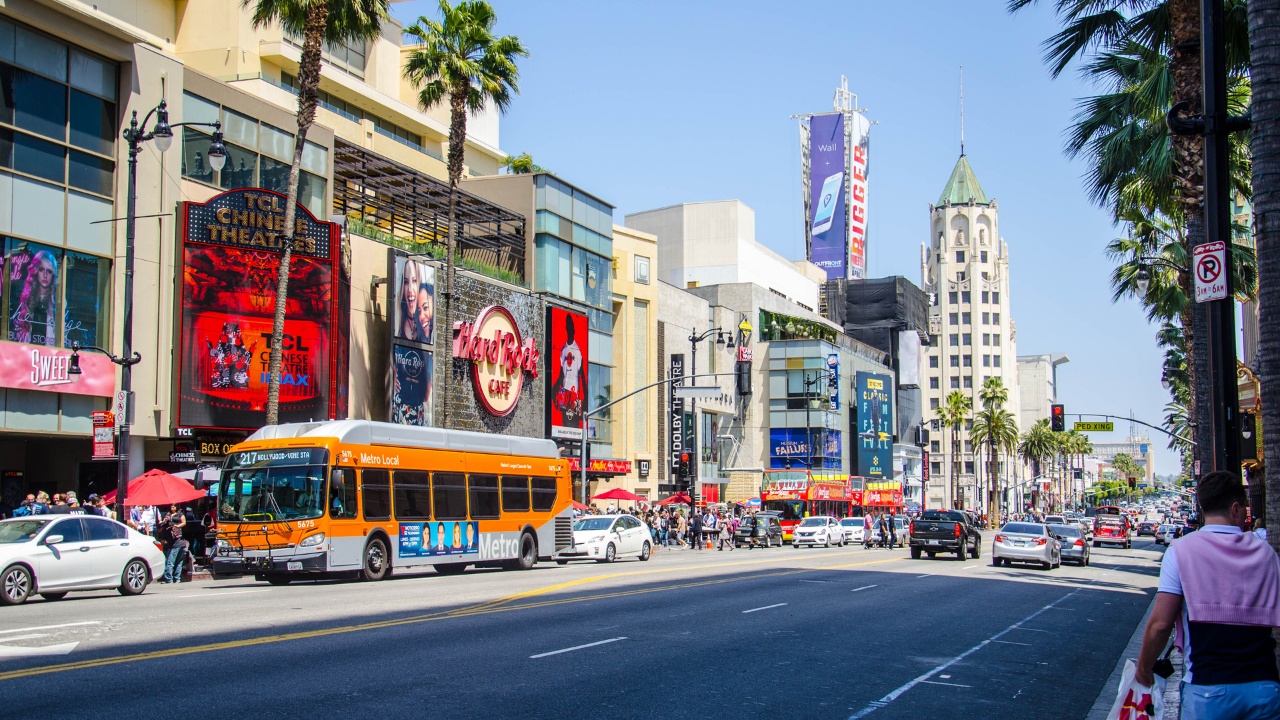
California’s vast array of attractions, from theme parks to national parks, operates on strict schedules. Knowing the local time is essential for planning visits to iconic spots like Disneyland Park, the Golden Gate Bridge, or the historical Alcatraz Island. Theme park gates often open early and close late, while guided tours for natural wonders like Yosemite National Park or wine tastings in Napa Valley adhere to precise departure times.
Making dinner reservations at trendy restaurants in Los Angeles or San Francisco, catching a live performance in Hollywood, or planning a surfing lesson in Malibu all depend on understanding the local clock. Events such as the Coachella Valley Music and Arts Festival or a professional sports game will have specific start times that require timely arrival, especially given traffic conditions in metropolitan areas. Always confirm opening hours, showtimes, and reservation details in California’s current time to avoid disappointment and make the most of your tourism activities.
Navigating Jet Lag: A Traveler’s Guide to California Time
For many, especially those traveling long distances, the most significant impact of a time zone change is jet lag. California’s allure is best experienced when you’re feeling refreshed and vibrant, not sluggish and disoriented. Proactive strategies can significantly mitigate the effects of crossing multiple time zones.
Pre-Trip Preparation and Adjustment Strategies
Beginning to adjust your sleep schedule a few days before your flight can make a substantial difference. If you’re traveling east to California, try going to bed and waking up an hour or two earlier each day. If you’re coming from the east (e.g., Europe or Asia), gradually shift your sleep later. This gentle transition helps your body begin to align with the new time zone before you even depart. Hydration is also key; begin increasing your water intake a few days before your flight and continue throughout your journey. Avoid excessive caffeine and alcohol, as they can disrupt sleep patterns and worsen dehydration, exacerbating jet lag symptoms.
On-Arrival Techniques for Quick Adaptation
Upon arrival in California, immediately adopt the local time for all activities. This means eating meals at local meal times, even if you’re not hungry, and trying to stay awake until a reasonable bedtime in the new time zone. Exposure to natural sunlight is one of the most effective ways to reset your circadian rhythm. Spend time outdoors, especially in the morning, exploring local attractions like the Santa Monica Pier or taking a stroll along Laguna Beach. Resist the urge to nap for extended periods during the day, as this can confuse your body further. If you must nap, keep it short, around 20-30 minutes, to avoid falling into deep sleep.
Optimizing Your Internal Clock for California Lifestyle
Embracing the local rhythm extends beyond just sleep. Align your meal times with those in California as quickly as possible. Enjoy a traditional Californian breakfast, savor a late lunch, and plan your dinners to match local customs. If you’re visiting Silicon Valley for business, scheduling important meetings in the mid-morning or afternoon, once you’ve had time to fully wake up and adjust, will lead to better performance. For leisure travelers, this means you’ll be more energized to enjoy early morning hikes in Big Sur, vibrant afternoon shopping on Rodeo Drive, or late-night entertainment in Downtown Los Angeles. The faster you can synchronize your internal clock with the Golden State’s pace, the more enjoyable and authentic your experience will be.
Crafting Your California Itinerary: A Timely Approach to Exploration
Designing an itinerary that flows seamlessly with California’s local time is key to an unforgettable trip. By strategically planning your activities around the clock, you can optimize your time, avoid crowds, and fully immerse yourself in the unique offerings of each hour.
Morning Adventures and Early Bird Excursions
The early hours in California offer some of the most serene and rewarding experiences, especially if you’ve successfully combated jet lag. Beat the crowds by arriving at popular attractions right when they open. Imagine being among the first to enter Universal Studios Hollywood or the Disneyland Resort, maximizing your ride time before the queues lengthen. Early morning is also ideal for visiting iconic landmarks like the Griffith Observatory for breathtaking sunrise views over Los Angeles and the Hollywood Sign, or for a peaceful walk along the Golden Gate Bridge as the fog lifts over San Francisco Bay. Nature lovers can take advantage of cooler temperatures for hiking in Yosemite National Park or enjoying the tranquility of Lake Tahoe before the midday bustle.
Afternoon Delights and Cultural Immersions
As the morning transitions to afternoon, California offers a plethora of options for cultural exploration, leisurely activities, and culinary indulgence. This is an excellent time to visit world-class museums such as The Getty Center in Los Angeles or the California Academy of Sciences in San Francisco, where indoor settings provide a reprieve from the midday sun. Explore the diverse neighborhoods of San Diego, like the Gaslamp Quarter or La Jolla, discovering unique boutiques and art galleries. An afternoon in Napa Valley is perfectly suited for vineyard tours and wine-tasting sessions, often culminating in a picturesque sunset view over rolling hills. For those seeking retail therapy, an afternoon dedicated to shopping along Rodeo Drive in Beverly Hills or in the fashionable boutiques of San Francisco is ideal. Lunch reservations become critical during this peak period, especially in popular tourist areas, making advance booking a smart move.
Evening Entertainment and Culinary Experiences
As the sun sets over the Pacific, California transforms into a hub of vibrant evening entertainment and exquisite dining. This is the prime time to savor fine dining experiences, from Michelin-starred restaurants in Los Angeles and San Francisco to casual beachfront eateries along the coast. Catch a dazzling show at a Hollywood theater, enjoy live music at Universal CityWalk, or witness the glitz and glamour of an event at the Dolby Theatre, home of the Academy Awards. Sunset cruises from San Francisco Bay or along the Santa Monica coastline offer spectacular views as the city lights begin to twinkle. Planning your evening activities, especially dinner reservations, well in advance is highly recommended, as popular spots fill up quickly. Embracing the late-night culture means you can enjoy extended hours at various entertainment venues and truly feel the pulse of Californian nightlife.
In essence, while “What is the time in California right now?” might seem like a straightforward question, its answer holds a wealth of implications for any traveler. By understanding the nuances of PST and PDT, proactively managing jet lag, and meticulously planning your itinerary with the clock in mind, you’re not just observing time; you’re orchestrating a journey that maximizes every moment. From the instant you land until your departure, aligning with California’s rhythm ensures a richer, more relaxed, and utterly unforgettable exploration of the Golden State. Embrace the time, and you’ll unlock the true magic of California living.
LifeOutOfTheBox is a participant in the Amazon Services LLC Associates Program, an affiliate advertising program designed to provide a means for sites to earn advertising fees by advertising and linking to Amazon.com. Amazon, the Amazon logo, AmazonSupply, and the AmazonSupply logo are trademarks of Amazon.com, Inc. or its affiliates. As an Amazon Associate we earn affiliate commissions from qualifying purchases.