
Alaska, the Last Frontier, conjures images of majestic mountains, glistening glaciers, abundant wildlife, and endless wilderness. It’s a land of unparalleled natural beauty, drawing adventurers, nature enthusiasts, and curious travelers from across the globe. As visitors plan their dream Alaskan adventure, they meticulously research everything from the best time to see the northern lights to optimal routes for glacier cruises and prime spots for wildlife viewing. However, one question, often asked with a mix of trepidation and curiosity, frequently surfaces: “Are there mosquitoes in Alaska?”
The straightforward answer is yes, absolutely. Mosquitoes are an integral, albeit often unwelcome, part of the Alaskan ecosystem, especially during the warmer summer months. While they are a nuisance, they are by no means a reason to forgo the extraordinary travel experiences that await in this incredible state. Understanding when and where they are most prevalent, and crucially, how to prepare for them, can transform a potentially bug-ridden trip into an unforgettable journey filled with awe and wonder. This comprehensive guide aims to equip you with all the knowledge needed to navigate the mosquito situation in Alaska, ensuring your focus remains firmly on the breathtaking landscapes and unique culture, rather than on swatting. We’ll delve into the reasons behind their abundance, the best times to visit to minimize encounters, and essential strategies for effective defense, all while seamlessly weaving in tips for maximizing your travel, accommodation, and tourism experiences.
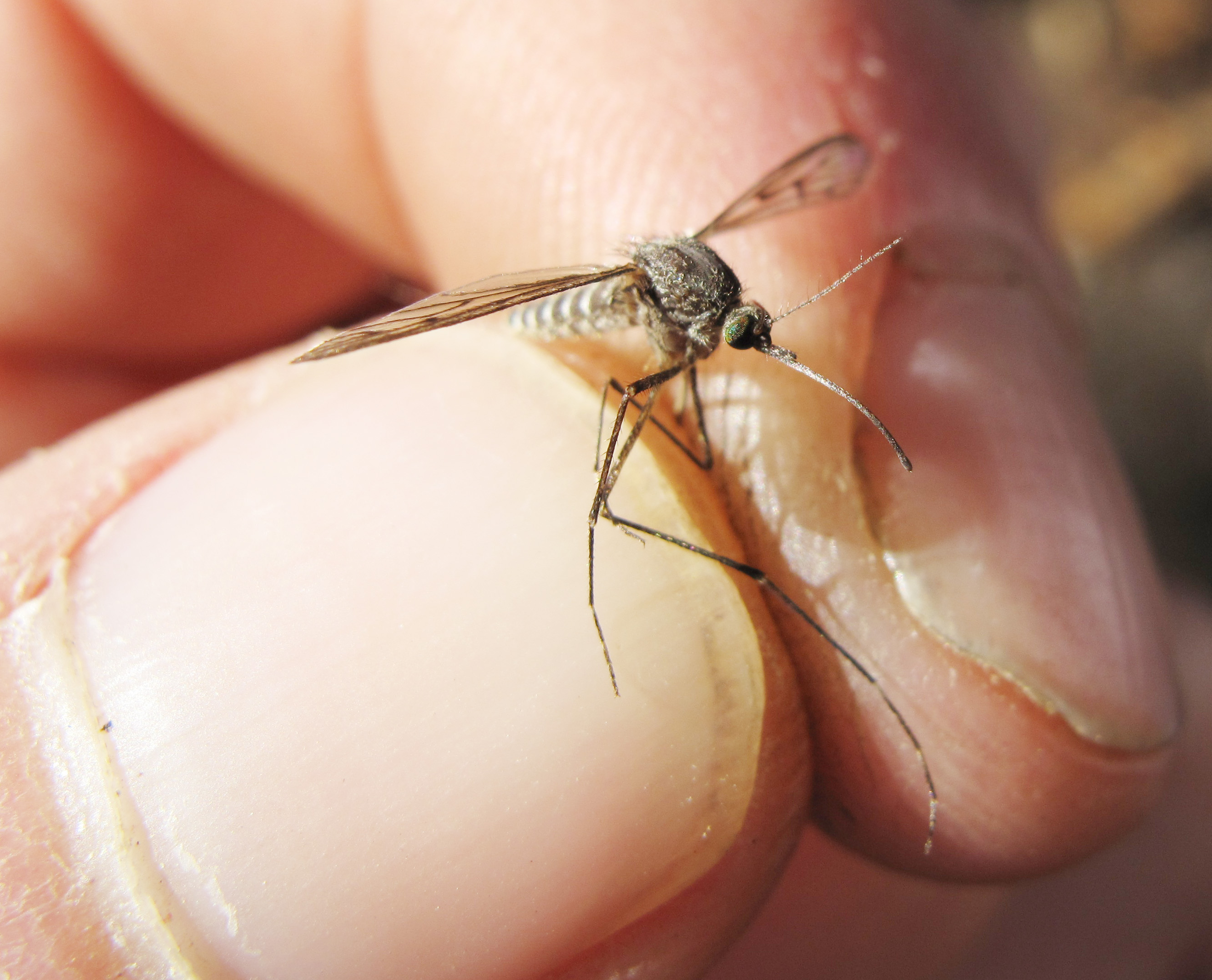
The Mosquito Phenomenon in Alaska’s Wilderness
The sheer scale of Alaska’s mosquito population can be surprising to first-time visitors, often leading to colorful local anecdotes about them being “Alaska’s state bird.” While an exaggeration, it highlights the ubiquitous presence of these tiny insects, especially in certain regions and during specific times of the year. Their existence is deeply intertwined with the unique geography and climate of the Last Frontier, making them a natural, albeit challenging, element of its pristine wilderness.
Why Alaska Has So Many Mosquitoes
The abundance of mosquitoes in Alaska is not a random occurrence but a direct consequence of its distinctive environment. The state is characterized by vast expanses of tundra, wetlands, and an intricate network of lakes, ponds, and slow-moving rivers. Much of the land is underlaid by permafrost, which prevents water from draining away efficiently. As the short, intense Alaskan summer arrives, the snow and ice melt rapidly, creating countless shallow pools of standing water – the perfect breeding grounds for mosquito larvae. These larvae thrive in the nutrient-rich, stagnant water, maturing quickly due to the nearly constant daylight and warmer temperatures. The lack of natural predators in sufficient numbers to control the population, combined with the ideal hydrological conditions, allows mosquito populations to explode rapidly once temperatures rise. From the interior plains around Fairbanks to the remote Yukon-Kuskokwim Delta, these conditions create a veritable mosquito paradise, fueling a life cycle that plays out at an astonishing pace.
When Are Mosquitoes Most Prevalent?
Understanding the mosquito season is crucial for planning your Alaskan adventure. The peak season for mosquitoes generally runs from late June through July and into early August. This period coincides with the warmest temperatures and maximum snowmelt, creating optimal conditions for their activity. During these months, especially on warm, still days and during dawn and dusk, mosquitoes can be particularly aggressive.
However, their prevalence can vary significantly by region. Inland areas, particularly the vast swampy stretches of the interior and around large national parks like Denali National Park, tend to experience the heaviest concentrations. Here, the mosquitoes can be truly relentless, especially when hiking or camping near water sources. Coastal areas, such as Seward, Homer, and the southeastern cities of Juneau and Ketchikan, often benefit from stronger winds, which naturally deter mosquitoes. While not entirely absent, the coastal breeze typically keeps their numbers more manageable, making activities like whale watching or exploring city landmarks considerably more comfortable. Early June might see fewer mosquitoes as the ground is still drying out, and by late August into September, cooler temperatures cause their numbers to significantly decline, giving way to the brilliant fall foliage.
Planning Your Alaskan Adventure: Mosquitoes in Mind
Successfully navigating the mosquito situation in Alaska is all about proactive planning and intelligent preparation. Instead of letting the buzz overshadow your journey, consider incorporating mosquito defense into your packing list and itinerary as essential components of your travel strategy. With the right gear and knowledge, you can mitigate their impact and fully immerse yourself in the wonders of the Last Frontier.
Essential Gear for Mosquito Defense
Your first line of defense against mosquitoes should be your gear. Insect repellents are non-negotiable. Repellents containing DEET (diethyltoluamide) are widely regarded as the most effective, with concentrations between 20-30% typically recommended for adult travelers in Alaska. For those seeking alternatives, Picaridin is another effective chemical repellent, offering similar protection without the strong odor or plastic-damaging properties of DEET. Natural alternatives, such as oil of lemon eucalyptus, can offer some protection but generally need to be applied more frequently. Always choose a repellent that suits your comfort level and test it beforehand if you have sensitive skin.
Beyond repellents, clothing plays a pivotal role. Opt for long-sleeved shirts and long pants, even on warm days. Lightweight, breathable fabrics are ideal for comfort. Light-colored clothing is often recommended, as mosquitoes are believed to be more attracted to darker hues. For serious outdoor enthusiasts, consider clothing pre-treated with permethrin, an insecticide that binds to fabric and repels insects. This is particularly useful for hiking attire, tents, and sleeping bags. Finally, a head net can be an absolute lifesaver, especially during peak mosquito activity or when engaged in activities that require stillness, such as fishing or photography in swampy areas. These simple nets provide instant relief by keeping the bugs away from your face and neck, allowing you to enjoy the scenery without constant swatting.
Best Times to Visit to Minimize Encounters
Timing your visit can significantly impact your mosquito experience. If minimizing mosquito encounters is a top priority, consider visiting during the shoulder seasons. Early June often sees fewer mosquitoes as the snowmelt is still progressing and temperatures are not yet at their peak. This period offers lush green landscapes, active wildlife, and fewer crowds, making it an excellent choice for a serene Alaskan experience. Similarly, late August and September are superb for a visit. Cooler temperatures cause mosquito populations to dwindle rapidly, and the added bonus of stunning fall foliage transforms the landscape into a canvas of gold and crimson. This is also a fantastic time for aurora borealis viewing, as the nights grow longer.
Focusing on specific regions can also help. Coastal towns and islands, such as Sitka or Kodiak Island, generally experience fewer mosquitoes due to consistent winds and often less standing water compared to the interior. Activities like flightseeing, deep-sea fishing charters, or multi-day boat tours keep you largely away from terrestrial mosquito habitats. For those planning to visit iconic landmarks or engage in specific activities, aligning your trip with these timings can greatly enhance comfort. For example, if you dream of kayaking through Kenai Fjords National Park, early June or late August might offer a more pleasant experience regarding insect activity.

Choosing Your Accommodation Wisely
Your choice of accommodation can also play a vital role in your defense strategy against mosquitoes. When booking hotels, resorts, or apartments in Alaska, especially in interior or more remote locations, prioritize properties that offer good window screens and, ideally, air conditioning. Well-sealed rooms provide a sanctuary from the outside buzz. Many established hotels in major cities like Anchorage or Fairbanks are equipped to handle insects, offering comfortable, bug-free environments. When considering cabins or wilderness lodges, check recent reviews for any mentions of mosquito issues. Some remote lodges specifically cater to outdoor enthusiasts and may offer screened porches or communal bug shelters, which are fantastic amenities.
For those venturing into the wilderness for camping, investing in a high-quality tent with fine mesh screens is non-negotiable. Many campers also bring along a separate screen house or bug shelter for meal preparation and relaxation, offering a bug-free zone during peak activity. Even luxury villas or high-end glamping experiences can be affected if situated directly near stagnant water, so a little research into the specific location and amenities provided is always a good idea. Consider the type of lifestyle you want for your trip – a luxury travel experience in a city center hotel will likely have fewer mosquito concerns than a budget travel camping trip in Denali National Park.
Embracing the Alaskan Experience Despite the Buzz
While mosquitoes are a reality in Alaska, they should never be a deterrent to experiencing the awe-inspiring beauty and unique culture of this incredible state. With the right mindset and preparation, their presence becomes a minor inconvenience rather than a trip-ruining ordeal. Focusing on activities and destinations that inherently offer less exposure, combined with smart strategies, allows you to fully immerse yourself in the Alaskan experience.
Activities and Destinations Where Mosquitoes Are Less of an Issue
Not all Alaskan destinations are created equal when it comes to mosquito density. Many popular areas, particularly those influenced by coastal breezes or located in urban environments, tend to offer a more comfortable experience. Exploring the charming coastal towns of Sitka, Skagway, or Valdez often involves less mosquito hassle due to the prevailing winds. Activities like flightseeing tours over glaciers, multi-day boat tours through the Inside Passage, or leisurely strolls through city centers like Anchorage or Juneau will keep you away from the densest concentrations.
Focus on visiting iconic landmarks and cultural attractions. The Alaska Native Heritage Center in Anchorage offers fascinating insights into indigenous cultures, largely within well-maintained indoor and outdoor spaces. The Anchorage Museum and Alaska Wildlife Conservation Center also provide excellent opportunities for indoor or controlled outdoor viewing. Even popular hiking trails with good air circulation, such as those near exposed mountain ridges, can be less prone to swarms than trails deep within forests or wetlands. Consider activities where you’ll be in motion, as movement can help deter mosquitoes.
Expert Tips for a Smooth Trip
To ensure your Alaskan trip is as smooth and enjoyable as possible, keep these expert tips in mind:
- Stay Informed: Check local tourism boards or park ranger stations for current conditions. They can provide up-to-date information on mosquito activity in specific areas.
- Be Prepared: Always carry your chosen repellent, even if you don’t think you’ll need it. It’s better to have it and not need it than vice versa. A small travel-sized bottle can be a lifesaver.
- Layer Up: Beyond mosquito protection, Alaska’s weather can be unpredictable. Layers are always a good idea for warmth and sun protection, and they double as bug defense.
- Embrace the Adventure: Understand that mosquitoes are a part of the natural landscape. While you can mitigate their impact, a completely bug-free Alaskan wilderness experience is unrealistic. Focus on the unparalleled beauty, the unique wildlife, and the sense of adventure.
- Enjoy Local Cuisine: Regardless of the mosquito situation, don’t miss out on Alaska’s incredible food scene. Indulge in fresh Alaskan seafood, particularly the world-famous salmon served in various preparations, from salmon bakes to delectable sushi. Many restaurants, especially in cities like Anchorage or Juneau, offer cozy indoor dining experiences, providing a perfect escape.
Mosquitoes and the Alaskan Lifestyle
For those who call Alaska home, mosquitoes are not just a seasonal nuisance but a predictable part of life. Alaskans have developed a pragmatic approach, embracing effective strategies and adopting certain routines to live alongside these buzzing inhabitants. This local perspective offers valuable insights into managing expectations and truly appreciating the state’s unique character.
Local Perspectives and Adaptations
Ask any Alaskan about mosquitoes, and you’ll likely get a knowing smile, perhaps an eye-roll, and definitely a few seasoned tips. Locals don’t let mosquitoes deter them from their beloved outdoor activities such as fishing, hiking, or gardening. Instead, they adapt. Many homes are meticulously screened, and cabins in more remote areas often feature screened-in porches, affectionately known as “Alaska rooms,” where residents can enjoy the summer air without the bugs. It’s common to see Alaskans donning head nets or permethrin-treated clothing when spending extended time outdoors during peak season.
There’s even a certain cultural acceptance; the mosquito is sometimes jokingly referred to as Alaska’s unofficial “state bird” due to its pervasive presence. This humor underscores a deep understanding and resilience. Alaskans know that the same wetlands and wild spaces that breed mosquitoes also support the incredible salmon runs, the moose, caribou, and bears that make Alaska so special. The temporary annoyance of mosquitoes is seen as a small price to pay for living in such an extraordinary wilderness. Their daily lifestyle often revolves around maximizing outdoor time when the bugs are fewer, and having indoor or protected alternatives when they are at their worst.

Debunking Myths and Setting Expectations
It’s important to differentiate between the reality of Alaskan mosquitoes and common misconceptions. While they can be numerous and persistent, they are generally a nuisance rather than a serious health threat. Unlike some tropical regions, Alaskan mosquitoes are not typically carriers of diseases like malaria or dengue fever that are prevalent in other parts of the world. Cases of West Nile virus are extremely rare, primarily due to the colder climate not being conducive to its transmission cycle. The primary concern is the discomfort of bites and the potential for allergic reactions in sensitive individuals, which can be managed with over-the-counter creams.
Therefore, travelers should set realistic expectations. You will likely encounter mosquitoes during an Alaskan summer trip, especially if you venture into the wilderness. However, with proper preparation, including effective repellents, appropriate clothing, and mindful activity planning, their impact can be significantly minimized. The extraordinary beauty of Alaska’s landscapes, the thrill of spotting a grizzly bear, the tranquility of a fjord, or the vibrant local culture far outweigh the minor inconvenience posed by these tiny insects. Don’t let the buzz deter you from experiencing one of the world’s most breathtaking destinations.
In conclusion, yes, there are mosquitoes in Alaska, and at times, they can be quite abundant. However, with the right knowledge, preparedness, and a positive attitude, they are merely a minor footnote in what promises to be an epic journey. By understanding their seasonal patterns, equipping yourself with effective deterrents, choosing appropriate accommodations, and focusing on the myriad of incredible attractions and experiences Alaska has to offer, you can ensure that your memories are filled with majestic vistas and unforgettable encounters, rather than itchy bites. So, pack your bags, grab your repellent, and get ready to discover the unparalleled magic of the Last Frontier. Your Alaskan adventure awaits!
LifeOutOfTheBox is a participant in the Amazon Services LLC Associates Program, an affiliate advertising program designed to provide a means for sites to earn advertising fees by advertising and linking to Amazon.com. Amazon, the Amazon logo, AmazonSupply, and the AmazonSupply logo are trademarks of Amazon.com, Inc. or its affiliates. As an Amazon Associate we earn affiliate commissions from qualifying purchases.