
The mention of sharks often conjures images of tropical waters, sun-drenched beaches, and thrilling deep-sea adventures. Yet, the question, “Are there sharks in Alaska?” frequently piques the curiosity of travelers planning an expedition to the Last Frontier. The answer, perhaps surprisingly to some, is a resounding yes. Alaska’s vast and often frigid waters, extending from the Inside Passage to the Bering Sea, are home to a diverse array of marine life, including several species of sharks. However, the nature of these sharks and the likelihood of encountering them are vastly different from what one might expect in warmer climes.
For anyone contemplating a journey to this majestic state, whether for its breathtaking natural landmarks, its unique local culture, or its unparalleled opportunities for outdoor activities, understanding the full scope of its marine ecosystem is part of the adventure. This guide will dive deep into the world of Alaskan sharks, demystifying their presence and offering insights into the broader marine tourism experience that makes Alaska an unforgettable travel destination. From exploring prime wildlife viewing locations to navigating accommodation choices and embracing responsible tourism, we’ll uncover what truly awaits beneath the surface of Alaska’s iconic waters.
The Truth About Sharks in Alaskan Waters
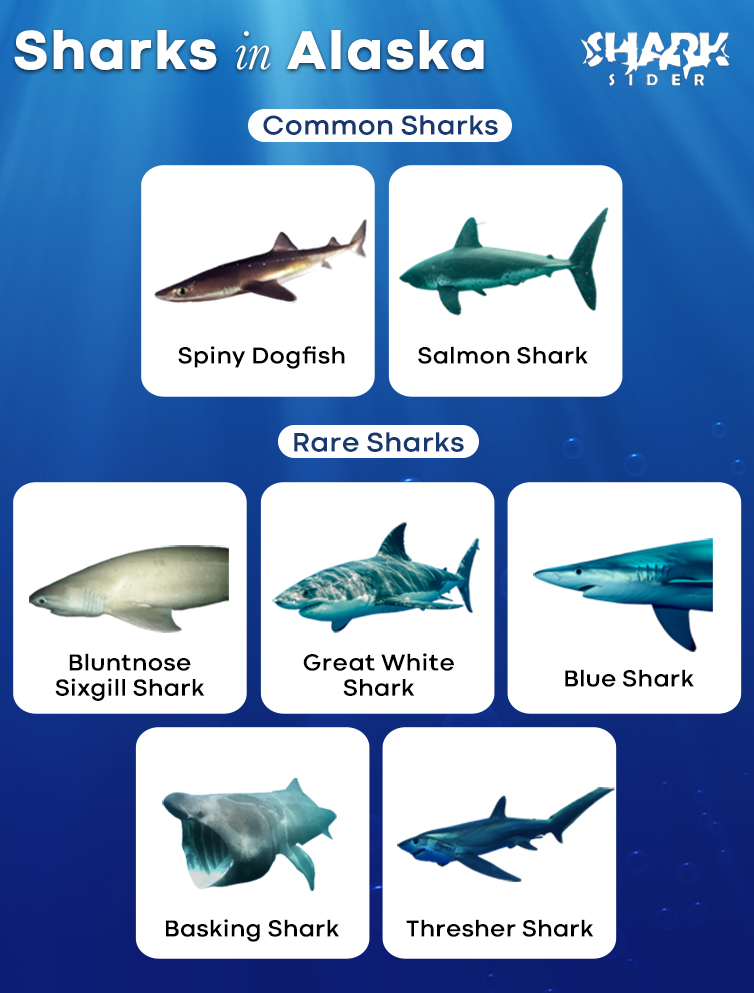
While Alaska might not be on anyone’s list for shark cage diving, the region’s marine environment is indeed a thriving habitat for several intriguing shark species. These creatures are integral to the health of the ecosystem, playing crucial roles as apex predators. Their presence speaks to the rich biodiversity found in these cold, nutrient-rich waters.
Common Shark Species You Might Encounter
The sharks found in Alaska are generally deep-water dwellers, perfectly adapted to the colder temperatures and often remote, expansive ocean. The most prominent species include:
- Pacific Sleeper Shark: This is perhaps the most common and largest shark found in Alaskan waters. Reaching impressive lengths, sometimes over 20 feet, the Pacific Sleeper Shark is a slow-moving, deep-sea predator. It’s often found on the continental shelf and slope, preying on bottom-dwelling fish, invertebrates, and even marine mammals like seals. Due to their deep-water habitat, encounters with humans are exceedingly rare and typically occur only during scientific research or deep-sea fishing expeditions.
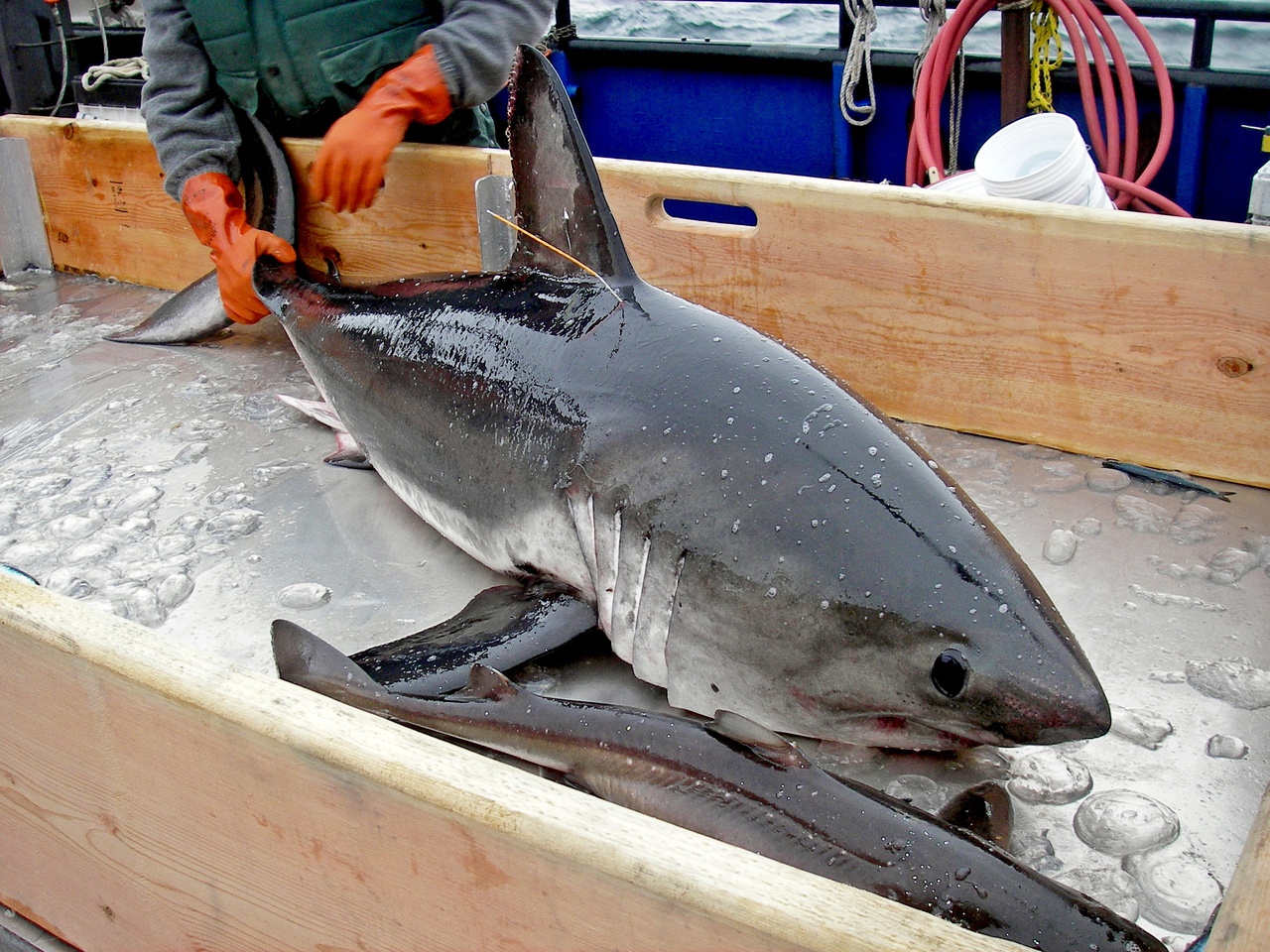
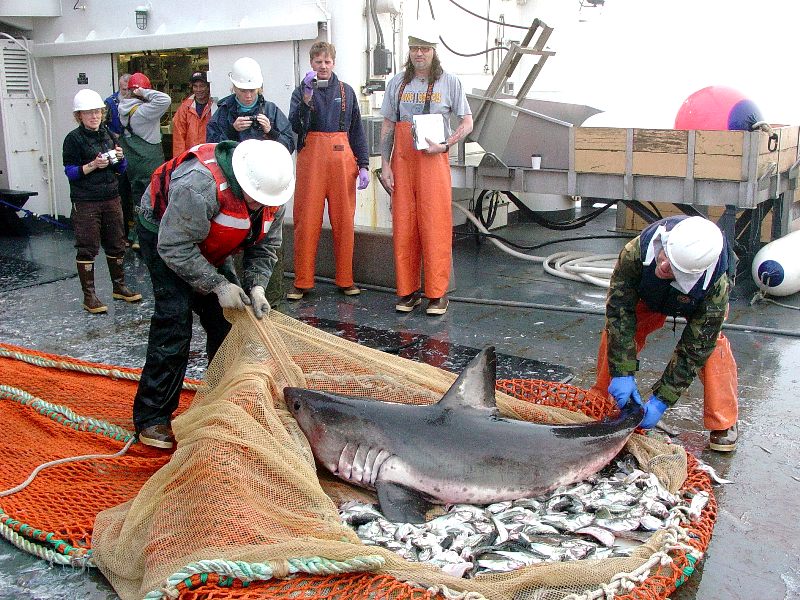
- Salmon Shark: Bearing a striking resemblance to the great white shark, the Salmon Shark is a powerful, fast-swimming predator, and a true inhabitant of the open ocean. They are endothermic, meaning they can regulate their body temperature, allowing them to thrive in cold waters while actively hunting fast-moving prey like salmon, squid, and herring. While they are found in Alaskan coastal waters, particularly during salmon runs, their interactions with humans are minimal. Recreational anglers occasionally encounter them, but they are not considered a threat to swimmers or kayakers.
- Spiny Dogfish: These smaller, more numerous sharks are found throughout the North Pacific. They are characterized by the sharp spines in front of their dorsal fins, which can deliver a mild venom. Spiny Dogfish typically inhabit shallower coastal waters and are often caught incidentally by commercial and recreational fishermen. While they are common, their size and behavior mean they pose no threat to humans.
- Greenland Shark: Though primarily associated with the North Atlantic, sightings of the enigmatic Greenland Shark have been documented in the Bering Sea and Arctic waters bordering Alaska. These are truly ancient creatures, capable of living for hundreds of years, making them the longest-living vertebrates on Earth. They are deep-sea specialists, residing in extremely cold, dark environments, making any human encounter incredibly unlikely.
- Great White Shark: While rare, there have been occasional, verified sightings of Great White Sharks in Alaskan waters, particularly in the warmer summer months as they extend their range northward. These are typically transient individuals, not a resident population. Given the immense size of Alaska’s coastline and the vastness of the Pacific, such sightings remain highly unusual and should not be a concern for travelers.
Dispelling Myths: The Reality of Shark Encounters
When planning a trip to Alaska, concerns about shark attacks should be virtually non-existent. The reality is that human-shark interactions in Alaska are extraordinarily rare, and documented unprovoked attacks are almost unheard of. The primary reasons for this include:
- Deep-Water Habitats: Most Alaskan sharks prefer deep, cold waters, far from the shallow coastal areas where humans typically recreate.
- Abundant Natural Prey: Alaskan waters teem with fish, seals, and other marine life, providing sharks with ample food sources that they are naturally adapted to hunt.
- Limited Human Presence in Shark Habitats: Compared to popular beach destinations, there are far fewer people swimming or surfing in the open ocean in Alaska’s remote and chilly waters.
- Species Behavior: The resident shark species are not inherently aggressive towards humans and typically pose no threat.
Travelers should focus their attention on the incredible array of other wildlife, the stunning landscapes, and the unique cultural experiences Alaska offers, rather than unfounded fears of shark encounters.
Exploring Alaska’s Marine Ecosystems: Beyond Sharks
While sharks are a fascinating part of Alaska’s marine environment, the true draw for tourism and travel lies in the sheer abundance and diversity of other marine mammals and birds. A trip to Alaska is an unparalleled opportunity to witness wildlife in its natural habitat, offering unforgettable experiences that cater to every type of lifestyle, from luxury cruises to adventurous budget trips.
Prime Locations for Wildlife Viewing
Alaska’s vast coastline and numerous protected areas provide spectacular settings for marine wildlife viewing:
- Glacier Bay National Park: A UNESCO World Heritage site, Glacier Bay is renowned for its tidewater glaciers, temperate rainforests, and diverse marine life. Visitors often spot humpback whales, orcas, sea lions, sea otters, and puffins. Access is primarily by cruise ship or tour boat, offering a comfortable way to explore this natural landmark.
- Kenai Fjords National Park: Located near Seward, this park is a dramatic landscape of glaciers, fjords, and a rich marine ecosystem. Boat tours from Seward offer excellent opportunities to see humpback and fin whales, orcas, porpoises, seals, and countless seabirds. The marine life here is exceptionally vibrant due to the nutrient-rich waters fed by glacial melt.
- Prince William Sound: Accessible from Valdez or Whittier, Prince William Sound is a labyrinth of islands, fjords, and glaciers. It’s a prime location for kayaking among sea otters, observing harbor seals, and whale watching. The calm waters and stunning scenery make it a favorite for multi-day expeditions.
- Kodiak Island: While famous for its bears, the waters surrounding Kodiak Island are also teeming with marine life. Commercial and recreational fishing is a major activity, and visitors can enjoy fishing charters for halibut and salmon, often encountering seals and sea lions along the way.
- Juneau and the Inside Passage: As the state capital, Juneau is a hub for whale watching tours, particularly for humpbacks and orcas. The entire Inside Passage is a famous cruise ship route, providing continuous opportunities for spotting marine mammals from the deck, alongside spectacular coastal scenery and charming port towns like Sitka and Ketchikan.
Engaging with Marine Life: Tours and Activities
Alaska offers a plethora of activities designed to immerse travelers in its marine world:
- Whale Watching Tours: These are among the most popular attractions. Specialized boats with experienced guides depart from towns like Seward, Juneau, Homer, and Valdez, taking visitors to prime feeding grounds for humpback whales, orcas, and other cetaceans.
- Sea Kayaking and Canoeing: For a more intimate experience, paddling through the calm coves of Prince William Sound or the protected waters near Seward allows you to get close to sea otters, harbor seals, and myriad seabirds. Guided tours are available for all skill levels.
- Fishing Charters: Alaska is a world-renowned fishing destination, particularly for salmon and halibut. Deep-sea fishing charters provide not only the thrill of the catch but also a chance to see other marine life, including various seabirds, seals, and sometimes even porpoises. While catching a shark is rare, it can happen, offering a unique story.
- Wildlife Cruises: Beyond dedicated whale watching, many cruises through the Inside Passage, Glacier Bay, or Kenai Fjords offer comprehensive wildlife viewing opportunities, often with naturalists on board to provide educational commentary. These range from luxurious multi-day cruises to shorter, more focused excursions.
- Coastal Hiking and Bear Viewing: While not directly marine activities, many coastal hiking trails offer stunning views of the ocean and opportunities to spot marine mammals from vantage points. In places like Kodiak Island or Katmai National Park, you might even see bears fishing for salmon in coastal rivers, an incredible interface between land and sea wildlife.
Planning Your Alaskan Adventure: Travel & Accommodation Insights
Embarking on an Alaskan journey requires thoughtful planning, especially concerning travel logistics and accommodation. The state’s vastness and unique geography mean that choices around where to stay and how to get around significantly impact the overall experience. Whether you’re seeking a luxurious resort stay or a more rugged, budget-friendly adventure, Alaska has options to suit diverse preferences.
Choosing the Right Base for Exploration
Your choice of accommodation will largely depend on the activities you prioritize and the regions you wish to explore.
- Major Cities (e.g., Anchorage, Fairbanks, Juneau): These serve as primary travel hubs and offer the widest range of hotels, suites, and resorts. Anchorage, the largest city, provides excellent access to the southcentral region, including Kenai Fjords National Park and Denali National Park. Juneau, the capital, is a popular stop for cruise ships and a launching point for whale watching and glacier tours. These cities offer everything from renowned international hotel chains to charming local guesthouses.
- Coastal Towns (e.g., Seward, Valdez, Homer, Kodiak, Sitka): For those focused on marine activities, staying in these smaller coastal communities provides direct access to boat tours, fishing charters, and kayaking expeditions. Accommodation options here often include boutique hotels, fishing lodges, cabins, and apartment rentals. Booking in advance is highly recommended, especially during the peak summer season, as options can be limited.
- Remote Lodges and Wilderness Camps: For a truly immersive experience, consider a stay at a wilderness lodge, often accessible only by floatplane or boat. These typically offer all-inclusive packages focused on wildlife viewing, fishing, or outdoor adventure, providing a unique blend of accommodation and guided experiences in pristine natural settings. These cater more to a luxury travel or specialized adventure lifestyle.
- RV Parks and Campgrounds: For budget travelers or those seeking flexibility, Alaska boasts numerous RV parks and campgrounds, many with stunning natural backdrops. This allows travelers to create their own itinerary and stay close to nature.
When selecting accommodation, always read reviews, compare prices, and consider amenities that align with your travel style – whether it’s gourmet dining at a resort, self-catering facilities in an apartment, or basic comforts in a wilderness cabin.
Essential Travel Tips for an Alaskan Journey
Navigating Alaska requires some specific considerations to ensure a smooth and enjoyable trip:
- Best Time to Visit: The peak tourist season is generally from May to September, offering the warmest weather, longest daylight hours, and best opportunities for wildlife viewing and outdoor activities. Shoulder seasons (late April, early October) can offer fewer crowds and lower prices but with potentially more unpredictable weather.
- Transportation: Renting a car is ideal for exploring the road system, offering flexibility to visit national parks and small towns. However, many iconic destinations, like Glacier Bay or parts of the Inside Passage, are only accessible by plane or boat. Consider internal flights with regional airlines or utilizing the Alaska Marine Highway System (ferries) for a unique travel experience.
- Packing Essentials: Layers are key! Alaskan weather can change rapidly. Pack waterproof outerwear, warm base layers, sturdy hiking boots, and insect repellent. Binoculars are essential for wildlife viewing, and a good camera is a must for capturing the incredible landscapes.
- Booking in Advance: Especially for popular tours, cruises, and accommodation during peak season, it’s crucial to book well in advance. This ensures availability and often secures better rates.
- Embrace the Outdoors: Alaska is an outdoor enthusiast’s paradise. Be prepared for hiking, boating, and potentially variable weather conditions. Even if you’re leaning towards luxury travel, much of the Alaskan experience involves engaging directly with nature.
- Respect Local Culture: Alaska has a rich indigenous history and vibrant local communities. Take time to learn about and respect the local cultures, traditions, and ways of life. Visit cultural centers, support local artisans, and engage with community members.
Safety and Respect in the Alaskan Wild
An Alaskan adventure is synonymous with immersing oneself in wild, untamed nature. While the likelihood of dangerous encounters with marine life (including sharks) is minimal, practicing safety and respecting the environment is paramount for a fulfilling and responsible trip.
Best Practices for Wildlife Observation
- Maintain a Safe Distance: Whether viewing bears on land or whales from a boat, always maintain a respectful and safe distance. This minimizes disturbance to the animals and ensures your safety. Official guidelines usually recommend specific distances (e.g., 100 yards from bears, 25-100 yards from marine mammals).
- Never Feed Wildlife: Feeding animals can alter their natural behaviors, make them dependent on humans, and can be harmful to their health. It’s illegal and detrimental to the ecosystem.
- Quiet Observation: When observing animals, keep noise levels down and avoid sudden movements. This allows you to witness more natural behaviors and reduces stress on the wildlife.
- Use Binoculars or Telephoto Lenses: For close-up views, rely on optical equipment rather than attempting to approach animals.
- Choose Reputable Tour Operators: Opt for tour companies that prioritize responsible tourism, have knowledgeable guides, and adhere to wildlife viewing regulations. They often have permits and expertise in ethical wildlife interactions.
Understanding Environmental Impact and Conservation Efforts
Alaska’s pristine environment is a delicate balance, and responsible tourism plays a critical role in its preservation.
- Leave No Trace: Follow “Leave No Trace” principles by packing out everything you pack in, staying on marked trails, and minimizing your impact on the natural environment.
- Support Conservation: Consider supporting local conservation organizations or choosing tour operators who contribute to environmental protection. Many parks and attractions have educational programs highlighting ongoing conservation efforts.
- Be Mindful of Waste: Dispose of trash properly, recycle when possible, and avoid single-use plastics to minimize pollution, especially in marine environments.
- Respect Fishing Regulations: If you plan to fish, ensure you have the necessary licenses and permits, and adhere strictly to size limits, catch limits, and seasonal closures. These regulations are in place to ensure sustainable fish populations for future generations.
In conclusion, the presence of sharks in Alaska is a fascinating but largely background detail in the grand tapestry of what makes this state a world-class travel destination. While species like the Pacific Sleeper Shark and Salmon Shark roam its cold, deep waters, the true wonders for most travelers lie in the breathtaking landscapes, the majestic whales, playful otters, and abundant birdlife. By planning your trip with a focus on responsible tourism, embracing the diverse accommodation options, and preparing for the unique challenges and rewards of the Alaskan wilderness, you are set for an adventure of a lifetime, rich in natural beauty and unforgettable experiences, far removed from any concerns about lurking leviathans.
LifeOutOfTheBox is a participant in the Amazon Services LLC Associates Program, an affiliate advertising program designed to provide a means for sites to earn advertising fees by advertising and linking to Amazon.com. Amazon, the Amazon logo, AmazonSupply, and the AmazonSupply logo are trademarks of Amazon.com, Inc. or its affiliates. As an Amazon Associate we earn affiliate commissions from qualifying purchases.