
The question of “How many square miles are in Alaska?” often elicits a response that barely scratches the surface of this state’s immense grandeur. While a simple numerical answer can be provided, it fails to capture the true scale and profound impact this vastness has on everything from its geography and climate to its unique travel experiences and accommodation opportunities. Alaska, often referred to as “The Last Frontier,” is a destination unlike any other in the United States, where the sheer magnitude of its wilderness defines the very essence of exploration and adventure. Its size dictates the pace of travel, the type of experiences available, and the strategies required for planning an unforgettable journey. From the bustling streets of Anchorage to the serene, untouched landscapes of its national parks, every aspect of an Alaskan visit is influenced by its unparalleled dimensions, offering a mosaic of experiences for every type of traveler.
The Staggering Scale of Alaska: More Than Just a Number
The landmass of Alaska is a geographic marvel that consistently astonishes those who delve into its statistics. It’s not merely the largest state in the United States by area; it’s a colossal entity that dwarfs many nations and profoundly shapes the global perception of wild, untamed nature. Understanding its dimensions is the first step in appreciating the monumental undertaking of exploring this extraordinary destination.
Unpacking Alaska’s True Dimensions
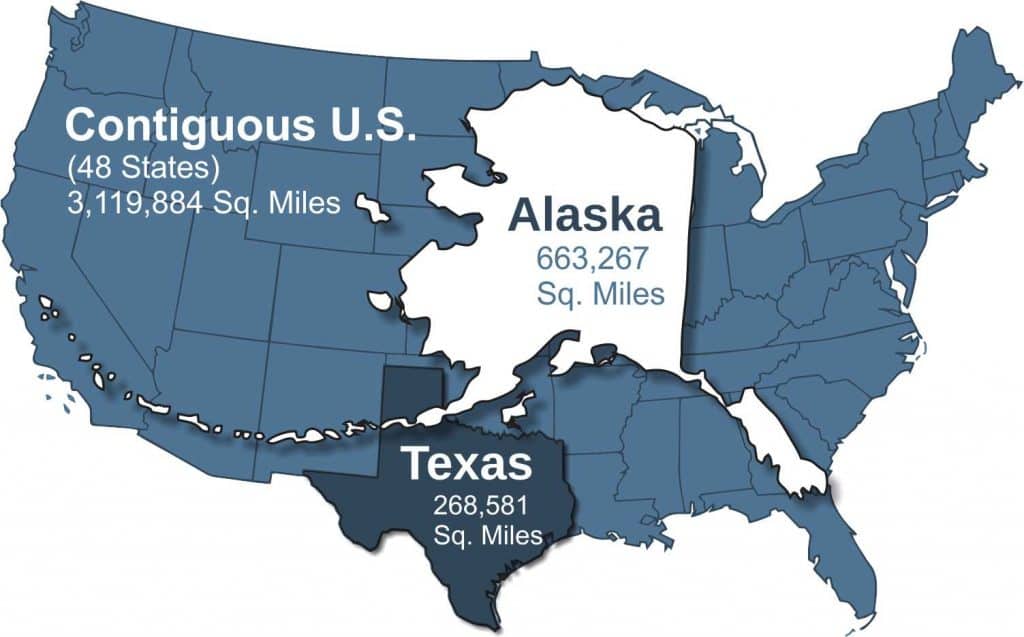
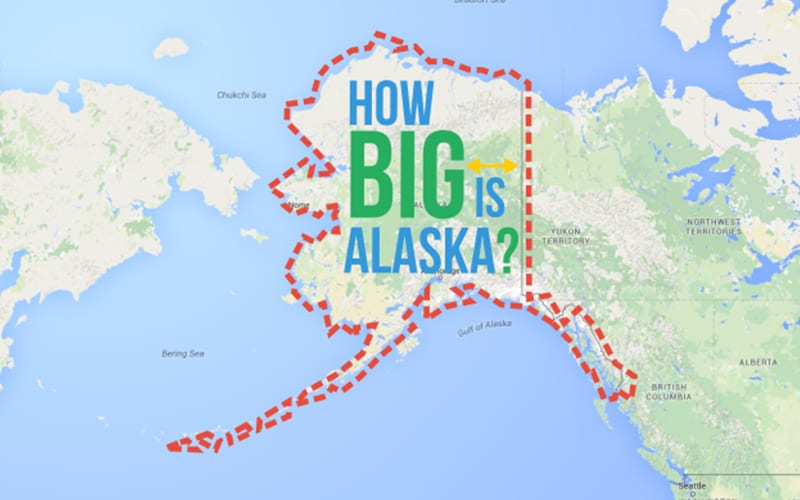
So, to answer the initial question: Alaska encompasses a breathtaking 665,384 square miles (1,723,337 square kilometers) in total area. This includes both land and water. Specifically, its land area alone is approximately 570,641 square miles (1,477,953 square kilometers), making it an undisputed giant. To put this into perspective, Alaska is more than twice the size of Texas, the second-largest state, which measures about 268,596 square miles. It’s larger than Texas, California, and Montana combined. In fact, if you were to overlay Alaska on a map of the continental United States, it would stretch from the Atlantic coast of Georgia to the Pacific coast of California.
Its coastline alone stretches for approximately 6,640 miles, but when accounting for all islands, inlets, and bays, the shoreline extends to an astonishing 33,904 miles – longer than all other U.S. states combined. This expansive coastline contributes significantly to its marine ecosystems and provides countless opportunities for coastal exploration and adventure. The sheer volume of water within its borders, from vast rivers and countless lakes to intricate fjords and glaciers, is an integral part of its identity and plays a crucial role in its biodiversity and climate. This immense scale means that any trip to Alaska is not just a vacation; it’s an expedition into a truly expansive wilderness.
Geographic Diversity Spawned by Immense Size
The immense size of Alaska is the primary driver of its unparalleled geographic diversity. Within its borders, one can find virtually every type of landscape imaginable. Soaring mountain ranges dominate much of the interior, including the iconic Alaska Range, home to Mount Denali, North America’s highest peak at 20,310 feet. These mountains give way to vast glaciers, like the accessible Matanuska Glacier or the more remote ice fields of Glacier Bay National Park and Preserve, a UNESCO World Heritage site known for its tidewater glaciers. The state also boasts expansive boreal forests, often called taiga, which blanket much of the interior, and vast stretches of tundra in the north, particularly beyond the Arctic Circle.
The southern and southeastern regions are characterized by a temperate rainforest climate, with lush greenery and abundant wildlife, exemplified by the famous Inside Passage and its thousands of islands. The western and southwestern areas feature expansive deltas and wetlands, critical habitats for migratory birds and marine life. This incredible variety of ecosystems, all contained within one state, means that a journey through Alaska can feel like traveling through several different countries, each with its own distinct climate, flora, and fauna. This geographical richness presents a compelling case for travelers seeking diverse experiences, from glacial treks and mountain climbing to coastal cruises and wildlife safaris.
Navigating the Vastness: Travel and Exploration in Alaska
The sheer scale of Alaska profoundly impacts how one travels and explores its many wonders. Unlike smaller destinations where a rental car might suffice for comprehensive exploration, Alaska’s vastness necessitates strategic planning and often requires a combination of transportation methods to truly appreciate its diverse offerings. This makes travel planning in Alaska an adventure in itself, opening doors to unique modes of transport and unforgettable itineraries.
Planning Your Alaskan Itinerary: The Logistics of Scale
Due to the immense distances, traditional road trips, while popular, often cover only a fraction of the state. Many of Alaska’s most iconic destinations, such as Juneau (the state capital), are not accessible by road from the rest of North America. This necessitates relying on air travel, ferry services, or cruises for reaching certain areas. Major hubs like Anchorage and Fairbanks serve as critical entry points, with extensive flight networks connecting to smaller towns and remote wilderness lodges. For those venturing into the Inside Passage, cruise ships are a popular and efficient way to explore coastal towns such as Ketchikan, Sitka, and Skagway, offering stunning views of glaciers and wildlife from the comfort of the vessel.
The Alaska Railroad provides another scenic and practical option, connecting Seward, Anchorage, Talkeetna, and Fairbanks, with direct access to Denali National Park and Preserve. For true wilderness immersion, bush planes and floatplanes are indispensable, providing access to remote fishing lodges, bear viewing sites, and national parks like Gates of the Arctic National Park, where roads are non-existent. Planning an Alaskan itinerary requires careful consideration of these logistics, often combining different modes of transport to maximize exploration while minimizing travel time. It’s advisable to allocate ample time for transit between regions and to book flights, ferries, and train tickets well in advance, especially during the peak summer season.
Iconic Alaskan Destinations and Experiences
Alaska’s immense size means it hosts an incredible array of iconic destinations and experiences, catering to every interest. Denali National Park and Preserve stands as a crown jewel, offering unparalleled opportunities for wildlife viewing, hiking, and breathtaking views of Mount Denali. Visitors can spot grizzly bears, moose, caribou, and Dall sheep in their natural habitats. Further south, Kenai Fjords National Park, accessible from Seward, offers incredible marine wildlife tours where you can witness calving glaciers, sea otters, puffins, and various whale species.
The Inside Passage, a labyrinthine network of waterways in Southeast Alaska, is best experienced via cruise, offering access to charming towns like Juneau, where you can visit the magnificent Mendenhall Glacier, or Homer on the Kenai Peninsula, known as the “Halibut Fishing Capital of the World.” For those seeking the ethereal glow of the Northern Lights, Fairbanks is a prime viewing location, especially during the colder months. Adventure seekers can try dog sledding, glacier trekking, kayaking in Prince William Sound from Valdez, or explore the vast Wrangell-St. Elias National Park and Preserve, the largest national park in the United States. Each region presents a distinct flavor of Alaskan wilderness, making repeat visits a common desire for many travelers.
Accommodating Your Alaskan Adventure: From Wilderness to Luxury
Given its vastness and diverse landscapes, Alaska offers a remarkable spectrum of accommodation options, designed to cater to every traveler’s preference, budget, and desired level of immersion in the wilderness. From urban hotels to remote lodges accessible only by air, the state’s lodging scene reflects its unique character and commitment to hospitality in challenging environments.
Diverse Lodging Options Across the Last Frontier
In major cities like Anchorage and Fairbanks, you’ll find a range of familiar hotel chains alongside charming boutique properties. For instance, the historic Hotel Captain Cook in Anchorage offers luxurious amenities and stunning views of the city, the Cook Inlet, and the majestic Chugach Mountains. In resort towns like Girdwood, the Alyeska Resort provides a world-class experience, combining skiing in winter with hiking and scenic tram rides in summer, complete with spa facilities and fine dining.
However, the true essence of Alaskan accommodation often lies beyond the urban centers. Wilderness lodges, many of which are eco-friendly and sustainably operated, offer unparalleled access to nature. Imagine staying at a remote fishing lodge on a pristine river, or a bear-viewing lodge where wildlife roams just outside your window. Properties like the Talkeetna Alaskan Lodge provide luxurious comforts with breathtaking views of Mount Denali, serving as an ideal base for Denali adventures. For a more rustic experience, cozy cabins, bed & breakfasts, and even glamping sites are available, often run by local families, offering a taste of authentic Alaskan life. Due to the seasonal nature of travel and the limited number of rooms in remote areas, booking accommodations well in advance is crucial, especially for peak summer months.
Experiencing Alaskan Hospitality and Lifestyle
Alaskan hospitality is deeply intertwined with the state’s rugged landscape and the independent spirit of its residents. Many accommodations, particularly in smaller towns and wilderness areas, offer more than just a place to sleep; they provide immersive experiences. Staying in a family-run lodge means enjoying home-cooked meals featuring local ingredients like fresh salmon and wild berries, and hearing captivating stories from long-time residents. Guides often reside on-site, sharing their expert knowledge of the local wildlife, flora, and history.
For those seeking luxury, Alaska delivers with high-end resorts and specialized tours that include exclusive access to private wilderness areas, gourmet dining, and personalized adventure itineraries. Conversely, budget travelers can find comfortable hostels, campgrounds, and more affordable guesthouses, particularly near popular tourist routes and national parks. Whether it’s a multi-day stay at an all-inclusive wilderness resort, a cozy cabin for a family trip, or a convenient hotel for a business stopover, the accommodation landscape in Alaska is as varied as its geography. The unique challenges of building and maintaining infrastructure in such a vast and often extreme environment mean that every establishment offers a glimpse into the resilient and welcoming spirit that defines the Last Frontier.
Beyond the Miles: The Enduring Allure of Alaska
While the statistics of Alaska’s size are undeniably impressive, they only lay the groundwork for understanding its profound appeal. The true allure of this vast state lies in its ability to offer transformative experiences, connecting visitors with a pristine natural world and a vibrant culture that is shaped by its formidable scale. It’s a destination that leaves an indelible mark, inviting introspection and a deeper appreciation for the planet’s untouched beauty.
The Call of the Wild: Nature, Wildlife, and Conservation
The enduring draw of Alaska is undeniably its unparalleled wilderness. Its immense size has allowed vast tracts of land to remain undeveloped, creating immense, intact ecosystems where wildlife thrives as it has for millennia. This makes Alaska one of the best places in the world for wildlife viewing. Here, you can witness grizzly bears fishing for salmon, majestic moose grazing in wetlands, herds of caribou migrating across the tundra, and bald eagles soaring overhead. The coastal waters teem with marine life, including humpback whales, orcas, sea lions, and puffins, particularly in areas like the Inside Passage and Prince William Sound.
The sheer scale of Alaska is also fundamental to its role as a global conservation leader. Its numerous national parks, wildlife refuges, and state parks protect millions of acres, ensuring that these vital habitats are preserved for future generations. This commitment to conservation allows travelers to experience nature in its purest form, offering a rare opportunity to disconnect from the modern world and immerse oneself in the rhythms of the wild. From the smallest wildflower in the alpine tundra to the largest glacier calving into a fjord, Alaska’s natural grandeur is a testament to the power and beauty of untouched landscapes.
Making the Most of Your Alaskan Journey
To truly appreciate the magnitude and diversity of Alaska, careful planning and an adventurous spirit are essential. For first-time visitors, it’s often recommended to focus on one or two regions to avoid feeling rushed and to allow for deeper exploration. Whether you opt for a cruise through the Inside Passage, a road trip along the Parks Highway to Denali, or a fly-in adventure to a remote lodge, each approach offers a distinct perspective on the state’s vastness.
Packing in layers, preparing for unpredictable weather, and booking tours and accommodations in advance are critical tips for a smooth trip. Embrace the opportunities for experiential travel, whether it’s flightseeing over active volcanoes, kayaking among icebergs, or learning about indigenous cultures in places like Sitka. Alaska is more than just a destination; it’s an immersive journey into a land where nature reigns supreme, offering an unparalleled sense of freedom and discovery. The staggering number of square miles in Alaska is not just a statistic; it’s an invitation to embark on an adventure of a lifetime, where every mile unveils a new marvel and every experience deepens your connection to the planet’s wildest corners.
In conclusion, Alaska’s immense size, a staggering 665,384 square miles, is not merely a number but the defining characteristic that shapes every aspect of a visit to this extraordinary state. It dictates the diverse landscapes, the challenging yet rewarding travel logistics, the unique accommodation options, and the profound, unforgettable experiences that await every traveler. From its towering peaks and expansive glaciers to its thriving wildlife and rich cultural heritage, Alaska stands as a testament to the untamed beauty of the natural world, beckoning adventurers from across the globe to explore its boundless frontiers and discover the true meaning of scale and serenity.
LifeOutOfTheBox is a participant in the Amazon Services LLC Associates Program, an affiliate advertising program designed to provide a means for sites to earn advertising fees by advertising and linking to Amazon.com. Amazon, the Amazon logo, AmazonSupply, and the AmazonSupply logo are trademarks of Amazon.com, Inc. or its affiliates. As an Amazon Associate we earn affiliate commissions from qualifying purchases.