
The allure of Alaska, the United States’ Last Frontier, is undeniable. For many, it evokes images of vast wilderness, majestic wildlife, and unparalleled adventure. But beyond the breathtaking landscapes and unique cultural experiences that draw tourists from around the globe, there’s a practical question that often surfaces for those considering a longer stay or even a permanent move: “How much do you actually get paid living in Alaska?” This isn’t just a simple query about wages; it’s a deep dive into the economic realities, lifestyle adjustments, and unique benefits that define life in America’s largest state. For travelers and potential residents alike, understanding the financial landscape is crucial to appreciating the full picture of this extraordinary destination.
Our journey into Alaska’s economic heart will explore everything from dominant industries and average salaries to the notoriously high cost of living and the unique benefits that can offset it. We’ll touch upon how the tourism sector, a cornerstone of the Alaskan economy, plays a significant role in employment, offering insights relevant to those interested in seasonal work or long-term careers in hospitality and travel. Whether you’re dreaming of a remote cabin, a bustling city life in Anchorage, or a seasonal adventure amidst stunning natural landmarks, knowing the financial implications is the first step towards turning that dream into a tangible reality.
Navigating Alaska’s Economic Landscape: Key Industries and Job Prospects
Alaska’s economy is as rugged and diverse as its topography. Unlike many states in the Lower 48 with broad-based economies, Alaska’s financial engine is driven by a few dominant sectors, each offering distinct employment opportunities and varying pay scales. Understanding these foundational industries is key to grasping the overall earning potential for residents.
The Pillars of Alaskan Employment: From Oil Rigs to Tourism Hotspots
The undisputed economic powerhouse of Alaska for decades has been the Oil and Gas Industry. Located primarily on the North Slope, this sector provides high-paying jobs in engineering, drilling, logistics, and maintenance. Companies operating the Trans-Alaska Pipeline System and associated facilities offer some of the most competitive wages in the state, often including generous benefits and remote work schedules (e.g., “two weeks on, two weeks off”). While demanding, these positions are crucial for the state’s budget and offer significant personal income.
Another vital industry is Fishing and Seafood Processing. Alaska boasts some of the world’s most productive fisheries, particularly for salmon, pollock, halibut, and crab. This industry provides thousands of seasonal jobs, from deckhands on fishing vessels to processing plant workers in coastal towns like Ketchikan, Sitka, and Dutch Harbor. While wages can fluctuate based on the season’s catch and individual skill, experienced fishermen and specialized roles can earn substantial amounts in a short period. The arduous work often comes with room and board provided, offsetting some living costs.
Tourism has rapidly grown into a cornerstone of the Alaskan economy, especially for those interested in travel and unique experiences. This sector encompasses a vast array of jobs, from tour guides leading excursions through Denali National Park to hotel staff in Juneau and Anchorage, cruise ship employees navigating the Inside Passage, and transportation specialists. With millions of visitors annually, particularly during the summer months, the demand for hospitality services, adventure tourism, and related support roles is consistently high. While many positions are seasonal, they often offer competitive hourly wages, tips, and the unique perk of living and working in some of the most stunning destinations on Earth. For those passionate about local culture, food, and activities, these roles provide an immersive lifestyle.
Beyond these major industries, Healthcare, Government (federal, state, and local), and Transportation also provide significant employment. Healthcare professionals, from doctors and nurses to technicians, are in high demand across the state, particularly in remote areas, and are often compensated with attractive salaries and incentives. Government jobs, especially in cities like Juneau (the state capital) and Anchorage, offer stable employment and comprehensive benefits. Logistics and transportation are vital in a state with vast distances and challenging terrain, leading to demand for truck drivers, pilots, and port workers.
Earning Potential: Average Salaries Across Key Sectors
While individual salaries vary widely based on experience, location, and specific role, it’s possible to outline general earning potential in Alaska. Often, wages in Alaska are higher than the national average in the United States, particularly for skilled positions, to compensate for the higher cost of living and the unique working conditions.
- Oil and Gas: Entry-level positions might start around $60,000 – $80,000 annually, but experienced engineers, rig workers, and specialized technicians can easily earn upwards of $100,000 to $200,000 or more per year.
- Fishing and Seafood Processing: Seasonal workers might earn between $1,500 – $4,000 per week during peak season, with highly skilled roles potentially earning $50,000 – $100,000+ for a few months of intense work.
- Healthcare: Registered nurses typically earn $90,000 – $120,000+, while specialized doctors can command salaries well over $200,000.
- Government: Salaries are competitive, often aligning with federal pay scales, ranging from $50,000 for administrative roles to $100,000+ for managerial and professional positions.
- Tourism/Hospitality: While often seasonal, roles like tour guides, hotel managers, and specialized adventure guides can earn between $30,000 – $60,000+ over a 4-6 month season, often supplemented by tips and sometimes including accommodation, which significantly impacts take-home pay. Hourly wages for entry-level positions might be $15-$25+, which is higher than many other states.
It’s important to remember that these figures are averages. The key takeaway is that Alaska does offer opportunities for substantial earnings, especially for those with in-demand skills or a willingness to work in challenging environments.
The Alaskan Equation: Wages Versus the Cost of Living
While the higher wages in Alaska can be appealing, it’s crucial to understand them in the context of the state’s notoriously high cost of living. What you get paid needs to be carefully balanced against what you spend. This is particularly relevant for those planning long-term stays or considering relocation, as accommodation, groceries, and utilities can significantly impact one’s financial outlook.
Understanding Alaska’s Elevated Living Expenses
The primary driver of Alaska’s high cost of living is its remote location and reliance on imported goods. Most consumer products, building materials, and food items must be shipped or flown in, adding substantial transportation costs.
- Housing: This is often the largest expense. In major cities like Anchorage and Juneau, housing costs can be 30-60% higher than the national average. A modest two-bedroom apartment in Anchorage might rent for $1,500 – $2,500, while a similar property in Juneau, where land is scarce, could be even higher. Remote communities, despite their isolation, can also have surprisingly high housing costs due to limited supply. For those planning a visit or seasonal work, understanding various accommodation options, from hotels and resorts to long-term apartment rentals, is vital for budgeting.
- Groceries: Expect to pay 20-50% more for groceries than in the Lower 48. Fresh produce, dairy, and specialty items are particularly expensive. A gallon of milk or a loaf of bread can easily cost several dollars more than in other states.
- Utilities: Heating costs can be exorbitant, especially during the long winter months. Electricity, natural gas, heating oil, and internet services are generally more expensive due to infrastructure challenges and extreme weather. A monthly utility bill for a modest home can easily exceed $300-$500, particularly outside urban centers.
- Transportation: Gasoline prices are often higher, and vehicle maintenance can be more frequent due to harsh conditions. For those residing in remote areas, owning a reliable 4×4 vehicle is often a necessity, adding to upfront costs. Air travel, which is often the only way to reach many communities, is also expensive.
These elevated costs mean that a seemingly high salary in Alaska might not go as far as an equivalent salary in a lower-cost region of the United States. Careful budgeting and awareness of these expenses are crucial for financial stability.
Strategies for Budgeting and Maximizing Your Income
Despite the high cost of living, Alaskans employ various strategies to manage their finances and maximize their earnings. One of the most significant financial benefits of living in Alaska is the no state income tax. This means that a larger portion of your gross income remains in your pocket compared to states with high income taxes.
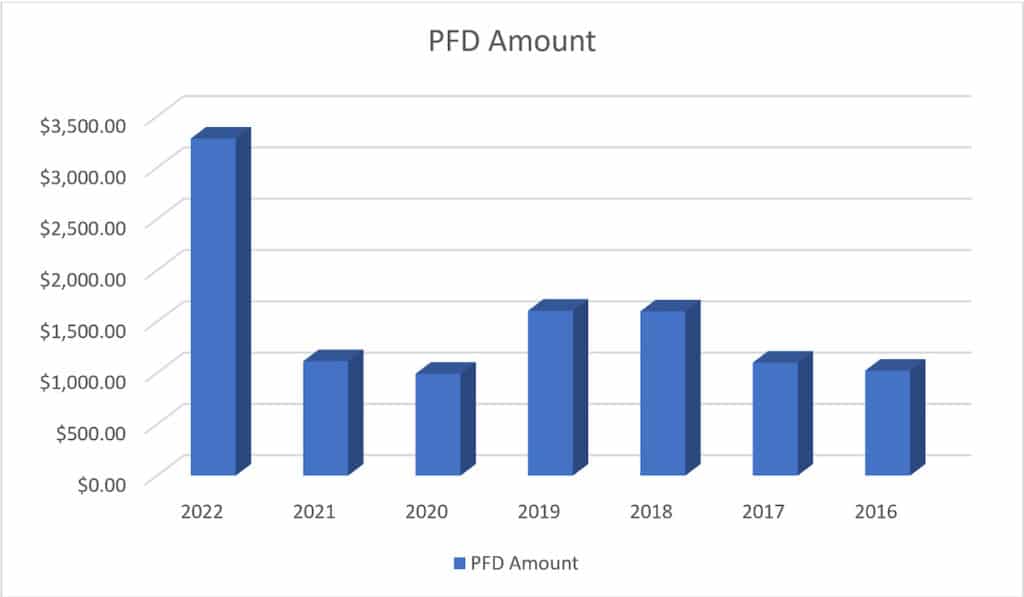
Furthermore, eligible residents who have lived in the state for a full calendar year and meet specific criteria receive the Alaska Permanent Fund Dividend (PFD) annually. This dividend, derived from Alaska’s oil wealth, varies each year but typically ranges from $1,000 to over $3,000 per person. For a family, this can amount to a substantial annual bonus that significantly helps offset living expenses.
Many Alaskans also embrace a frugal, self-sufficient lifestyle. Hunting, fishing, and gardening for subsistence are common, providing a source of food and reducing grocery bills. Learning to embrace the local culture, which often involves shared resources and community support, can also indirectly save money. For tourists or those considering a temporary move, opting for budget travel options, choosing self-catering accommodation over luxury hotels, and utilizing local guides can make a significant difference in overall expenses. Researching and comparing accommodation options, from suites and resorts to apartments and villas, becomes critical for both short-term visits and long-term stays.
Beyond the Paycheck: The Unique Lifestyle and Hidden Benefits
While the monetary aspects are important, living in Alaska offers a lifestyle that transcends financial figures. For many, the true “payment” comes in the form of unparalleled experiences, a strong sense of community, and an intimate connection with nature. These non-monetary benefits are often the primary motivators for people to make Alaska their home, despite the economic challenges.
The Allure of the Alaskan Outdoors: A Lifestyle Investment
The most prominent “benefit” of living in Alaska is undoubtedly access to its vast, pristine wilderness. This offers an outdoor lifestyle that is unmatched anywhere else in the United States. From the majestic peaks of Denali (North America’s highest peak) to the sprawling Yukon River and countless glaciers, the state is a natural playground for adventurers.
Residents have immediate access to world-class hiking, fishing, hunting, kayaking, skiing, and wildlife viewing. Imagine ending your workday with a short drive to a scenic trailhead, or spending weekends exploring national parks and forests. This rich natural environment fosters a healthy, active lifestyle that many find incredibly rewarding. For those whose “lifestyle” includes budget travel or luxury travel centered around unique destinations and experiences, Alaska delivers year-round. The sheer beauty and opportunities for recreation often become a key factor in one’s overall quality of life and sense of well-being, arguably a form of payment in itself.
Community, Culture, and the Alaskan Spirit
Beyond the wild, Alaska offers a unique social fabric. Communities, particularly in smaller towns, are often tight-knit and resilient. There’s a strong sense of self-reliance and mutual support, fostered by the challenges of living in a remote environment. Newcomers often find a welcoming atmosphere and quickly integrate into local life.
The state is also rich in indigenous cultures, with a vibrant presence of Native Alaskan traditions, art, and history. Exploring local culture, attending traditional ceremonies, and learning about the history of towns like Nome or Barrow (now Utqiaġvik) provides a depth of experience unavailable elsewhere. For those seeking a deeper connection than just typical tourist attractions, Alaska offers a profound cultural immersion. This sense of belonging and the rich cultural tapestry contribute significantly to the Alaskan lifestyle.
Furthermore, the experience of living through Alaska’s extreme seasons – the long, dark winters and the endless daylight of summer – shapes a unique perspective and resilience among its residents. This shared experience fosters a camaraderie that is deeply valued.
Making the Move: Practical Considerations for Aspiring Alaskans
For those captivated by the idea of living and working in Alaska, whether for a seasonal job in the tourism sector or a permanent relocation, practical planning is paramount. Understanding the logistics, particularly regarding accommodation and financial preparedness, can make all the difference.
Researching Accommodation and Long-Term Stays
Given the high cost of living, securing appropriate accommodation is one of the first and most critical steps. For seasonal workers in tourism, many employers in popular destinations like Seward, Valdez, or Homer offer employee housing, which can be a significant benefit, as it reduces rental costs and often includes utilities. These might range from dorm-style rooms to shared apartments. It’s crucial to inquire about these options during the job application process.
For those planning a longer stay or a permanent move, thorough research into rental markets in cities like Anchorage, Fairbanks, or Juneau is essential. Websites for booking apartments, reviewing available properties, and comparing long-term stay options are invaluable resources. Considering options beyond traditional apartments, such as small cabins or homes slightly outside city centers, can sometimes offer more affordable choices, though they may come with increased commuting times or fewer amenities. Understanding the local housing market is key to ensuring that your salary can comfortably cover your living expenses. Some might even explore options for remote work that allows them to live in more affordable, perhaps rural, areas of the state while earning competitive wages.

Weighing the Pros and Cons: Is Alaska Right for Your Financial Future?
Ultimately, the question of “How much do you get paid living in Alaska?” is not just about a numerical figure; it’s about the entire economic ecosystem and lifestyle proposition. Alaska offers competitive wages, particularly in specialized industries, and unique financial benefits like the Alaska Permanent Fund Dividend and no state income tax. However, these are counterbalanced by significantly higher costs for housing, groceries, and utilities.
For individuals seeking a high-paying career in oil and gas, fishing, or healthcare, where the demand for skilled labor often translates to exceptional compensation, Alaska can be a financially rewarding move. For those drawn to the tourism industry, the seasonal nature of work combined with employer-provided accommodation can offer an excellent opportunity to save money while experiencing a truly unique environment.
The decision to move to Alaska must factor in personal priorities. If access to unparalleled wilderness, a strong community spirit, and the chance to live a life of adventure are paramount, then the financial trade-offs might be well worth it. If metropolitan conveniences, mild weather, and lower living costs are higher on your list, then the Alaskan dream might require more careful financial planning or perhaps remain a cherished travel destination.
The Alaskan Dream: A Balancing Act of Adventure and Earnings
Living in Alaska is an experience unlike any other, a blend of raw nature and robust opportunity. The answer to “How much do you get paid living in Alaska?” is complex, extending far beyond a simple salary number. It involves a calculation of income against high living expenses, mitigated by unique state benefits and, perhaps most importantly, enriched by an extraordinary quality of life. For those willing to embrace its challenges and immerse themselves in its beauty, Alaska offers a lifestyle payment that few places on Earth can match – a life of adventure, resilience, and profound connection to the wild. Whether as a tourist enjoying its famous landmarks and local culture, or as a resident building a life amidst its grandeur, Alaska always promises a truly unforgettable experience.
LifeOutOfTheBox is a participant in the Amazon Services LLC Associates Program, an affiliate advertising program designed to provide a means for sites to earn advertising fees by advertising and linking to Amazon.com. Amazon, the Amazon logo, AmazonSupply, and the AmazonSupply logo are trademarks of Amazon.com, Inc. or its affiliates. As an Amazon Associate we earn affiliate commissions from qualifying purchases.