
The question “How much is Alaska worth?” transcends a simple monetary figure. While the historical price paid for this vast and majestic land offers a starting point, its true value unfolds across layers of economic potential, geopolitical significance, unparalleled natural beauty, and unique lifestyle opportunities. For travelers seeking adventure, culture, and breathtaking landscapes, Alaska represents an ultimate destination, a place where the wild still reigns supreme and human experiences are amplified by its grandeur. This exploration delves into the multifaceted worth of the United States’ largest state, examining its past, present, and future through the lens of travel, tourism, accommodation, landmarks, and lifestyle.

The Monetary Cost: A Historical Perspective
To understand Alaska’s worth, one must first look back at its acquisition – a transaction that, at the time, was met with skepticism but is now celebrated as one of history’s greatest bargains.
The Alaska Purchase: A Bargain of the Century
On March 30, 1867, the United States purchased Alaska from Russia for $7.2 million. This translates to roughly two cents an acre for a territory encompassing over 586,412 square miles (1,518,800 square kilometers) of land. Critics at the time derided it as “Seward’s Folly” or “Seward’s Icebox,” after then-Secretary of State William H. Seward, who orchestrated the deal. They questioned the wisdom of acquiring a frozen, distant wasteland.
However, from a modern perspective, this sum is almost comically small. Adjusting for inflation, $7.2 million in 1867 would be roughly equivalent to $148 million in today’s dollars. While still a substantial amount for an individual, it’s a paltry sum for an entire state, especially one so rich in resources and strategic importance. To put it in perspective, a luxury hotel suite in a major city, or even a modest home in some urban markets, can cost more than the per-acre price of Alaska at the time of purchase. This initial investment, though seemingly small, unlocked untold wealth and opportunity for the burgeoning United States.
Early Resource Exploitation and Economic Development
The initial “worth” of Alaska was primarily seen through its natural resources. The fur trade, particularly for sea otters, was a significant draw for Russian explorers and traders long before the American purchase. Post-acquisition, this shifted, and new forms of wealth extraction began to surface.
The late 19th century saw the famous Klondike Gold Rush (though primarily in Canada’s Yukon Territory, it heavily impacted Alaskan supply routes and ports like Skagway and Nome), followed by smaller gold rushes within Alaska itself, drawing thousands of prospectors and adventurers to remote regions. This influx of people led to the establishment of nascent towns and the beginnings of a more structured economy. Fishing, especially salmon, quickly emerged as another major industry, laying the foundation for what remains a critical part of the state’s economy today. Timber resources, particularly in the southeastern rainforests of the Tongass National Forest, also contributed to early economic growth. These early exploitations, while sometimes environmentally impactful, undeniably demonstrated that Alaska was far from a barren wasteland, but rather a treasure trove of valuable commodities.
Beyond the Price Tag: Alaska’s Intrinsic and Strategic Value
The true measure of Alaska’s worth extends far beyond the historical purchase price or even the sum of its extracted resources. Its value is deeply embedded in its strategic location, vast untapped resources, unparalleled biodiversity, and its role as a global ecological sanctuary.
Untapped Natural Resources and Economic Potential
Today, Alaska is synonymous with oil and natural gas. The discovery of oil at Prudhoe Bay in 1968 and the subsequent construction of the Trans-Alaska Pipeline System transformed the state’s economy, generating billions of dollars in revenue and providing a unique Permanent Fund dividend to residents. Key areas like the North Slope continue to hold immense reserves, fueling debates over energy independence and environmental protection. Valdez, located at the terminus of the pipeline on Prince William Sound, became a critical port for oil exports.
Beyond hydrocarbons, Alaska is rich in a diverse array of minerals, including zinc, lead, gold, and silver. There are also significant reserves of rare earth elements, crucial for modern technology. The fishing industry, especially for salmon, halibut, and crab in bountiful waters like Bristol Bay, remains a cornerstone of the economy, supplying a significant portion of the United States’ seafood. Forestry, while less prominent than in previous decades, still contributes, particularly in regions like the Chugach National Forest and the Tongass National Forest.
The burgeoning sector of renewable energy also points to future potential. Alaska’s vast landscapes offer opportunities for hydroelectric, geothermal, and wind power. Furthermore, the role of Alaskan Native Corporations is vital; these organizations manage significant landholdings and businesses, contributing substantially to the state’s economy while striving to preserve cultural heritage. From raw materials to sustainable energy, the economic potential of Alaska is staggering and continues to evolve, influencing everything from job markets to accommodation demands in towns like Anchorage and Fairbanks.
Geopolitical Significance and Strategic Location
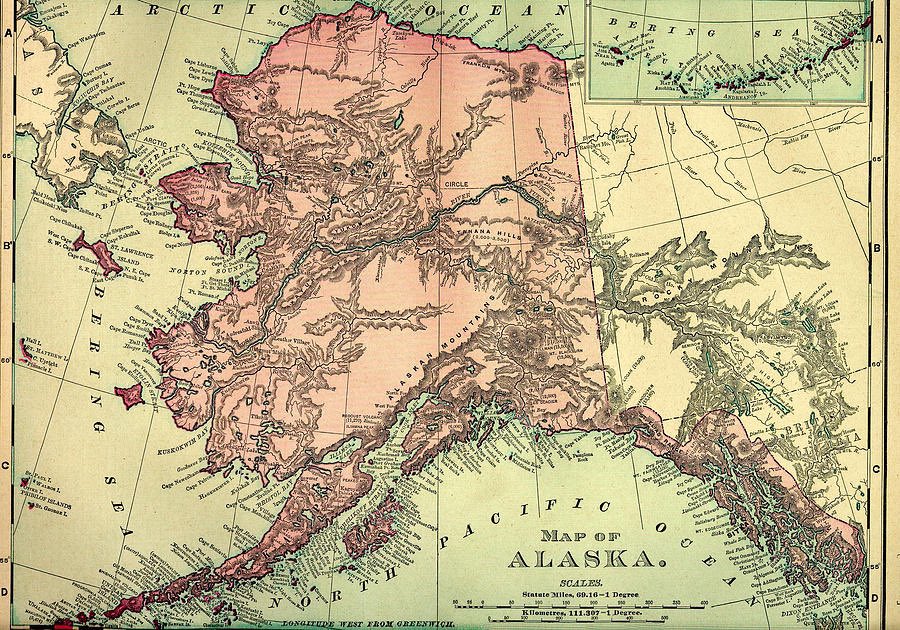
Alaska’s geographical position makes it a geopolitical linchpin. Bridging the gap between North America and Asia, it serves as a critical strategic asset for the United States. Its proximity to Russia across the Bering Strait (just 55 miles at its narrowest point) and its extensive coastline along the Pacific Ocean, Bering Sea, and Arctic Ocean provide unparalleled military and defense advantages. Military bases scattered across the state are crucial for national security, projection of power, and monitoring global activities.
With the increasing navigability of Arctic Ocean shipping lanes due to climate change, Alaska’s role as a gateway to the Arctic is growing. This presents both economic opportunities, such as shorter shipping routes, and environmental challenges. Towns like Barrow (also known as Utqiagvik), the northernmost city in the United States, become increasingly relevant in this evolving geopolitical landscape. The state’s strategic worth is immeasurable, providing a critical vantage point for global security and commerce.
Biodiversity and Ecosystem Services
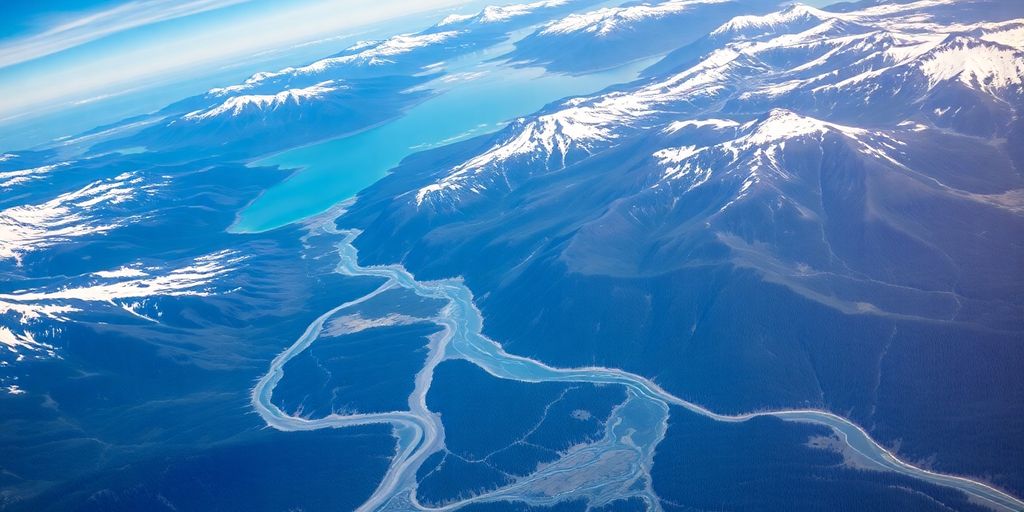
Perhaps the most profound and immeasurable worth of Alaska lies in its natural environment. It is a vast, largely untouched wilderness, home to an incredible array of wildlife and diverse ecosystems that provide invaluable ecosystem services to the planet.
Alaska boasts eight national parks, 16 national wildlife refuges, and numerous state parks and wilderness areas. Iconic landmarks and natural wonders include:
- Denali National Park, home to Mount Denali, North America’s highest peak.
- Glacier Bay National Park, a UNESCO World Heritage Site renowned for its tidewater glaciers.
- Kenai Fjords National Park, where mountains, ice, and ocean meet.
- Katmai National Park, famous for its brown bears fishing for salmon at Brooks Falls.
- Wrangell-St. Elias National Park and Preserve, the largest national park in the United States, covering an area larger than Switzerland.
- Gates of the Arctic National Park, entirely north of the Arctic Circle and largely without roads or trails.
- Kobuk Valley National Park, known for its sand dunes and caribou migration.
- Lake Clark National Park and Preserve, a mosaic of volcanoes, glaciers, and salmon-rich rivers.
- Aniakchak National Monument and Preserve, a remote volcanic caldera.
- Noatak National Preserve, protecting a pristine Arctic river basin.
These protected areas harbor iconic wildlife such as grizzly bears, black bears, polar bears, moose, caribou, wolves, and a diverse array of marine life including whales, seals, and sea lions. The Arctic National Wildlife Refuge (ANWR) is particularly crucial as a calving ground for the Porcupine caribou herd and a critical habitat for polar bears along its coastal plain. The Yukon-Kuskokwim Delta is one of the largest river deltas in the world, serving as a vital breeding ground for millions of migratory birds.
These vast wildernesses also play a critical role in global climate regulation, acting as massive carbon sinks. The immense glaciers and icefields of Alaska, while receding, are a testament to the planet’s changing climate and a source of freshwater. The value of this biodiversity and the ecosystem services it provides is truly priceless, impacting global climate, weather patterns, and the health of the planet.
The Experience: Alaska’s Value to Visitors and Residents
Beyond its strategic and natural resource value, Alaska’s worth is profoundly shaped by the experiences it offers – to those who visit and those who choose to call it home. It’s a land of adventure, cultural richness, and unparalleled natural beauty, making it a prime destination for travel and a unique place to build a lifestyle.
A Premier Travel Destination
For travelers, Alaska is an absolute bucket-list destination. The sheer scale and diversity of experiences cater to every type of adventurer, from the luxury cruise enthusiast to the rugged backcountry explorer.
Iconic Experiences and Attractions:
- Cruises along the Inside Passage: These voyages offer breathtaking views of glaciers, fjords, and abundant wildlife, stopping at charming port towns like Juneau (the state capital accessible only by air or sea), Sitka, and Ketchikan. Accommodation aboard these cruise ships ranges from opulent suites to comfortable cabins, providing a unique blend of luxury travel and immersive tourism.
- Wilderness Adventures: Hiking, kayaking, fishing, and bear viewing are popular activities. Denali National Park offers opportunities for mountaineering and wildlife photography. Areas like Kodiak Island are renowned for their giant Kodiak bears.
- Northern Lights Viewing: From late August to April, Fairbanks, being close to the Arctic Circle, is one of the best places in the world to witness the mesmerizing Aurora Borealis. Many tours offer specialized viewing experiences, often including cozy accommodation or heated viewing areas.
- Cultural Tourism: The rich heritage of Alaskan Native cultures is explored at centers like the Alaska Native Heritage Center in Anchorage or through local festivals and art. Historic sites like Sitka National Historical Park provide insights into Russian colonial history and Native culture.
- Unique Transportation Experiences: The Alaska Railroad offers scenic journeys between major cities, while the Alaska Marine Highway System allows for ferry travel through the stunning coastal regions, a unique form of long-term stay travel for some.
- Iconic Events: The Iditarod Trail Sled Dog Race, a grueling 1,000-mile race from Anchorage to Nome, captures the spirit of the Last Frontier.
- City Exploration: Anchorage, the largest city, offers museums like the Anchorage Museum and easy access to outdoor activities. Fairbanks serves as a gateway to the Arctic, with the Gateway to the Arctic Visitor Center and the start of the Dalton Highway. Seward offers access to Kenai Fjords National Park and excellent marine wildlife viewing.
For travelers, Alaska offers a spectrum of accommodation from rustic cabins and wilderness lodges to modern hotels, resorts, and charming bed and breakfasts in cities. Whether it’s a budget travel adventure camping under the northern lights or a luxury travel resort experience near a glacier, Alaska delivers unforgettable experiences that make its worth immeasurable in memories.
Quality of Life and Unique Lifestyle
For those who choose to live in Alaska, the value lies in a unique lifestyle defined by resilience, community, and an unparalleled connection to nature. Living in Alaska comes with its challenges – long, dark winters, remote locations, and higher costs for some goods. However, these are often outweighed by the rewards:
- Stunning Natural Beauty: Daily access to some of the world’s most spectacular landscapes, from the coastal rainforests of Prince of Wales Island to the vast tundra north of the Brooks Range.
- Outdoor Activities: Unrestricted opportunities for fishing, hunting, hiking, skiing, and wildlife viewing right outside one’s door.
- Strong Community Bonds: The challenges of living in the Last Frontier often foster tight-knit communities where people rely on and support each other.
- A Sense of Freedom and Independence: There’s a tangible feeling of self-reliance and the ability to carve one’s own path.
- Unique Culture: A blend of Native Alaskan traditions, pioneer spirit, and a distinct character shaped by the environment.
Whether for family trips, business stays, or permanent relocation, Alaska offers a lifestyle unlike anywhere else, promising adventure and a profound connection to the wild. The psychological and spiritual value derived from living amidst such grandeur is, for many, priceless.
In conclusion, “how much is Alaska worth?” is a question that cannot be answered with a single number. From the historical bargain of $7.2 million to its estimated trillion-dollar resource reserves, Alaska’s economic contributions are undeniable. However, its true value lies in its irreplaceable ecological significance, its pivotal geopolitical role, and the transformative experiences it offers to every visitor and resident. Alaska is more than just a state; it’s a legacy, a frontier, and a global treasure whose worth continues to grow with every passing year.
LifeOutOfTheBox is a participant in the Amazon Services LLC Associates Program, an affiliate advertising program designed to provide a means for sites to earn advertising fees by advertising and linking to Amazon.com. Amazon, the Amazon logo, AmazonSupply, and the AmazonSupply logo are trademarks of Amazon.com, Inc. or its affiliates. As an Amazon Associate we earn affiliate commissions from qualifying purchases.