
When contemplating the sheer scale of the United States, the vastness of its individual states often sparks curiosity, particularly concerning two of its most iconic and geographically disparate regions: Alaska and Texas. While Texas proudly holds the moniker “The Lone Star State” and is often associated with grand, expansive landscapes, it’s Alaska that truly dwarfs all other states in terms of landmass. The question of “How much larger is Alaska than Texas?” isn’t just a geographical query; it’s an invitation to explore the profound differences in landscape, climate, culture, and the very essence of travel experiences these two states offer. From rugged wilderness adventures to bustling urban escapes, understanding their comparative sizes is the first step in appreciating the unique lifestyle and tourism opportunities each presents.
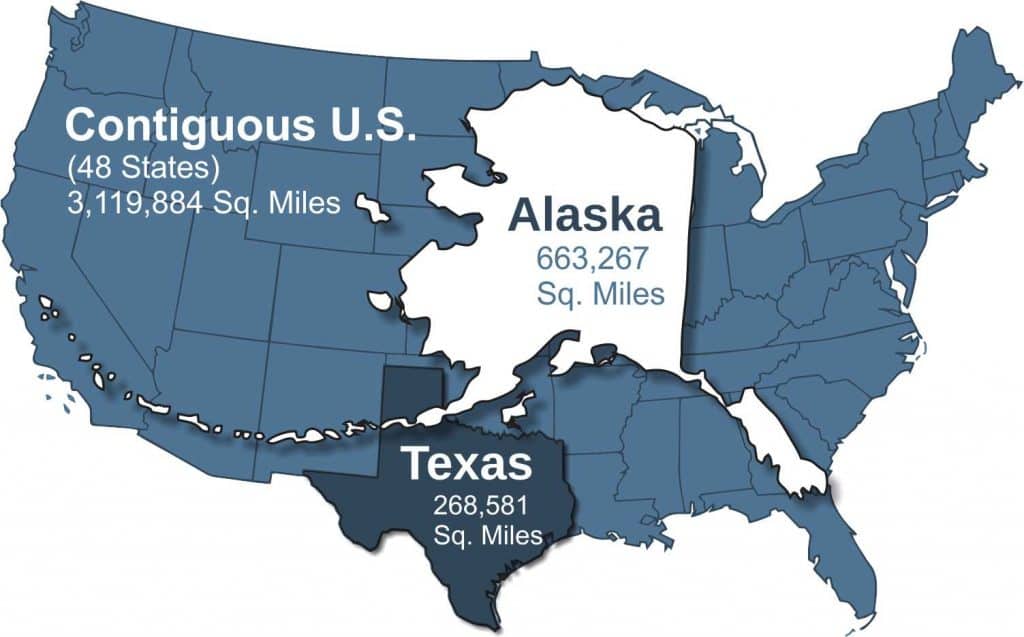
In simple terms, Alaska is colossal, sprawling across an immense 663,300 square miles. To put this into perspective, Texas, itself a large state, measures 268,596 square miles. This means that Alaska is approximately 2.5 times larger than Texas. Imagine fitting two and a half Texas-sized pieces of land into one state — that’s the scale we’re talking about with Alaska. This staggering difference dictates everything from population density and economic drivers to the types of landmarks you’ll encounter and the adventurous experiences awaiting intrepid travelers.
The Sheer Scale: A Geographical Marvel
The disparity in size between Alaska and Texas is more than just a statistic; it fundamentally shapes their identities and the experiences they offer. For travelers, this translates into vastly different itineraries, accommodation choices, and expectations for an unforgettable journey.
A Tale of Two Sizes: Alaska’s Dominance
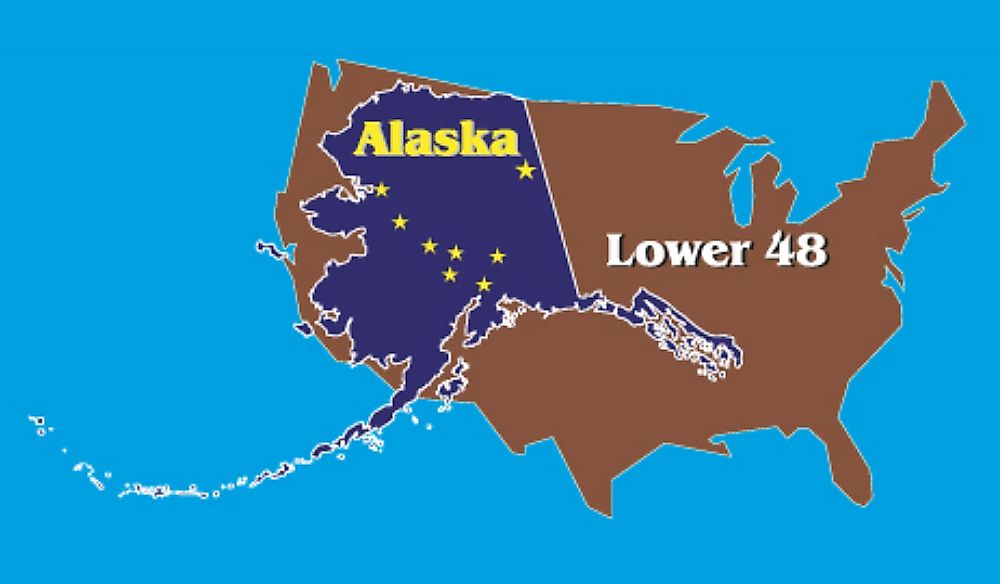
At a formidable 663,300 square miles, Alaska isn’t just the largest state in the United States; it’s an entire region unto itself. Its immense footprint encompasses a geographical diversity that is unparalleled, from the frigid Arctic coastline to vast interior forests and towering mountain ranges. This sheer scale means that even after multiple visits, travelers will only have scratched the surface of what Alaska has to offer. The feeling of remoteness and untamed wilderness is a core part of its appeal, attracting those who seek profound solitude and direct engagement with nature.
By contrast, Texas, while still a significant landmass at 268,596 square miles, feels more contained and interconnected. Its vast ranches and expansive plains are iconic, yet the distances between major cities, while considerable, don’t evoke the same sense of frontier isolation found in Alaska. The size difference impacts travel logistics profoundly; exploring Alaska often involves bush planes, ferries, and long drives, while Texas offers a more conventional road-trip experience between its vibrant urban centers.
Diverse Landscapes and Climates: Contrasting Ecosystems
The gargantuan size of Alaska contributes directly to its incredible topographical variety. From the southcentral region, home to major cities like Anchorage and vast mountain ranges, to the interior with its extreme seasonal temperatures and boreal forests around Fairbanks, and the panhandle’s misty fjords near Juneau, Alaska’s landscapes are a mosaic of natural wonders. Glaciers carve their way through mountains, expansive national parks protect pristine ecosystems, and endless coastlines teem with marine life. The climate, predominantly arctic and subarctic, defines a travel season focused on the milder summer months, when daylight is nearly perpetual, creating unique opportunities for exploration and sightseeing like no other.
Texas, too, boasts remarkable ecological diversity, though on a different scale. Its humid subtropical climate along the Gulf Coast gives way to arid deserts in the west, rolling plains in the north, and pine forests in the east. This variety allows for a wide range of outdoor activities, from beach holidays in Galveston to hiking in Big Bend National Park. Unlike Alaska’s short, intense summer season, Texas offers more year-round travel flexibility, with different regions shining in different seasons. For instance, cooler winters are ideal for exploring its southern cities, while spring brings wildflowers to the Hill Country.
Population, Economy, and Cultural Fabric
Beyond mere size, the human element — population, economy, and culture — paints a vivid picture of the differences between these two states, shaping the tourism and lifestyle experiences each provides.
Sparsity vs. Density: Human Footprints
The most striking human-related contrast lies in population density. Alaska, despite its monumental size, is home to a sparse population of just over 733,000 residents. This means vast stretches of the state remain untouched by human development, offering unparalleled opportunities for wilderness exploration and an authentic frontier lifestyle. Travelers to Alaska often seek this solitude, whether it’s for wildlife viewing, fishing, or simply immersing themselves in raw nature. Accommodation options range from rustic wilderness lodges to cozy bed-and-breakfasts in small towns, all designed to complement the natural surroundings.
Conversely, Texas is a demographic powerhouse, boasting a population of over 30 million people. This translates into bustling metropolitan areas like Houston, San Antonio, Dallas, and Austin, each a vibrant hub of commerce, culture, and entertainment. For tourists, this means a wealth of choices: world-class hotels, diverse culinary scenes, thriving arts districts, and extensive transportation networks. The energy in Texas’ cities is palpable, offering a completely different rhythm of travel compared to Alaska’s’ serene wilderness.
Economic Engines and Cultural Melting Pots
Alaska’s economy is significantly shaped by its natural resources, primarily oil and natural gas, fishing, and, increasingly, tourism. These industries not only provide livelihoods but also influence the state’s rugged, self-reliant culture. The cultural fabric is deeply interwoven with Native Alaskan traditions, reflected in art, storytelling, and community practices. The frontier spirit is strong, emphasizing resilience and a close connection to the land. For visitors, this means opportunities to experience unique local cultures, learn about indigenous heritage, and witness industries like commercial fishing firsthand. Tourism in Alaska often focuses on ecotourism, adventure travel, and cultural immersion, catering to those who appreciate authenticity and natural beauty.
Texas’ economy is incredibly diverse, mirroring its vast population and varied landscapes. While oil and gas remain significant, technology, agriculture, and manufacturing contribute substantially to its economic might. This economic dynamism fosters a vibrant, multicultural society. Texas’ culture is a rich tapestry of Southern hospitality, Western cowboy heritage, and a profound influence from its Mexican border, evident in its cuisine, music, and art. Cities like Austin, known as the “Live Music Capital of the World,” and Houston, a global hub for space exploration and medicine, offer diverse cultural experiences. This blend makes Texas a fascinating destination for exploring American history, enjoying world-class entertainment, and indulging in diverse gastronomic adventures.
Unforgettable Journeys: Attractions and Experiences
The distinct characteristics of Alaska and Texas naturally lead to entirely different types of tourism, each offering unique attractions and memorable experiences tailored to different traveler preferences.
Exploring Alaska’s Wild Frontiers
For those drawn to the call of the wild, Alaska is an unparalleled destination. Its vast protected areas are home to iconic wildlife and breathtaking scenery. A must-visit is Denali National Park, where the continent’s tallest peak, Mount Denali, dominates the skyline. Here, visitors can spot grizzlies, caribou, moose, and wolves in their natural habitat, often from guided bus tours that delve deep into the park’s interior. Another jewel is Glacier Bay National Park, a UNESCO World Heritage site best experienced by boat, offering dramatic views of tidewater glaciers calving massive icebergs into the sea.
The Inside Passage, a network of waterways and islands along the southeastern coast, is a popular cruise route, providing stunning vistas of fjords, temperate rainforests, and charming coastal towns like the state capital, Juneau. Beyond these iconic sites, Alaska is the premier place in the United States to witness the celestial dance of the Northern Lights, especially in the clearer, darker skies around Fairbanks during the winter months.
Accommodation in Alaska often emphasizes integration with nature. You can find luxury wilderness lodges offering guided excursions, cozy cabins perfect for a secluded escape, or comfortable hotels in larger cities like Anchorage that serve as excellent bases for day trips. Cruise ships are also a popular way to explore the coastal regions, combining sightseeing with comfortable lodging and amenities.
The Diverse Allure of Texas
Texas offers a kaleidoscope of attractions that appeal to history buffs, space enthusiasts, nature lovers, and urban explorers alike. In San Antonio, the historic Alamo stands as a monument to Texan independence, while the picturesque San Antonio Riverwalk provides a charming setting for dining, shopping, and leisurely strolls along the riverbanks.
For those fascinated by space exploration, Houston is home to the NASA Johnson Space Center, where visitors can experience astronaut training simulations, see actual spacecraft, and learn about pivotal moments in human spaceflight. Nature lovers can head west to Big Bend National Park, an expansive wilderness of mountains, desert, and the Rio Grande river, offering spectacular hiking, stargazing, and rafting opportunities.
Texas’ cities are destinations in themselves. Austin pulses with live music venues, quirky boutiques, and a renowned food truck scene. Dallas boasts world-class museums, upscale shopping, and a vibrant arts district. Accommodation in Texas is as varied as its landscapes, ranging from luxurious high-rise hotels in Houston and Dallas to boutique hotels in Austin, historic inns in San Antonio, and authentic dude ranch experiences in the Hill Country, catering to every lifestyle and budget.

Planning Your Adventure: A Lifestyle Choice
Choosing between a trip to Alaska and Texas or even planning to visit both, depends heavily on the kind of lifestyle experience you seek. If your ideal vacation involves rugged adventure, breathtaking natural beauty, and a sense of profound solitude, Alaska offers unparalleled opportunities. Travel planning here often requires careful consideration of the short summer season, specialized gear, and transportation options like cruises or small aircraft.
Conversely, if you prefer a blend of vibrant city life, rich cultural experiences, diverse cuisine, and a historical journey through the American South and West, Texas is your destination. With its extensive road networks and numerous domestic flights, planning a trip to Texas can be more flexible, allowing for spontaneous road trips or structured city breaks. Whether you’re a luxury traveler looking for five-star resorts, a budget-conscious adventurer seeking affordable stays, or a family planning a memorable trip, both states offer a spectrum of accommodation and activities. From business stays in Texas’ thriving tech hubs to unique family trips exploring Alaska’s wildlife, each state promises a distinct and enriching travel experience.
In conclusion, while the simple answer to “How much larger is Alaska than Texas?” is “about 2.5 times,” the true value of this comparison lies in understanding the profound implications of that size difference. It shapes not just maps but entire ecosystems, cultures, economies, and, most importantly, the myriad ways we can experience these two magnificent states. Whether you dream of tracking wildlife in Alaska’s vast wilderness or exploring the historic missions and bustling cities of Texas, both destinations promise journeys filled with discovery, adventure, and unforgettable memories.
LifeOutOfTheBox is a participant in the Amazon Services LLC Associates Program, an affiliate advertising program designed to provide a means for sites to earn advertising fees by advertising and linking to Amazon.com. Amazon, the Amazon logo, AmazonSupply, and the AmazonSupply logo are trademarks of Amazon.com, Inc. or its affiliates. As an Amazon Associate we earn affiliate commissions from qualifying purchases.