
The question “Is it dark in Alaska right now?” is far more complex than a simple yes or no. It’s a query that delves into the very heart of what makes the Last Frontier one of the world’s most captivating and geographically unique travel destinations. Positioned at high latitudes, Alaska experiences extreme variations in daylight throughout the year, a phenomenon that profoundly shapes its landscapes, wildlife, culture, and the very rhythm of life for its residents and visitors alike. From the ethereal glow of the Midnight Sun in summer to the prolonged twilight of the Polar Night in winter, Alaska’s relationship with light is a central theme in any Alaskan adventure. Understanding these dynamics is crucial for planning your journey, whether you’re seeking endless summer exploration, the magical dance of the Northern Lights, or simply a comfortable stay in a hotel designed to cater to these unique conditions. This article will guide you through the fascinating world of Alaskan daylight, offering insights for travel, accommodation, and experiencing the authentic Alaskan lifestyle.
Unveiling Alaska’s Unique Relationship with Daylight
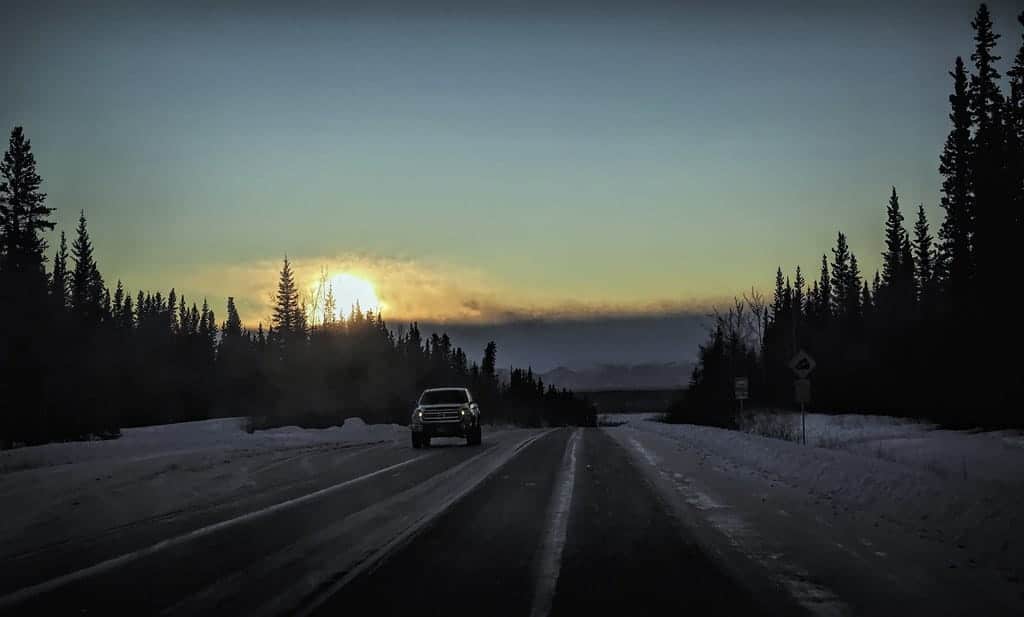
Alaska’s position as the largest state in the United States and its high latitude are the primary drivers of its dramatic seasonal light changes. These aren’t just minor shifts; they are fundamental alterations to the very perception of time and daily routine, captivating seasoned travelers and first-time visitors alike.
The Science Behind the Midnight Sun and Polar Night
The Earth’s axial tilt of approximately 23.5 degrees relative to its orbit around the sun is the scientific bedrock for Alaska’s extreme daylight cycles. As the Earth revolves, different parts of the planet are tilted towards or away from the sun. During the summer solstice (around June 21st), the Northern Hemisphere is tilted most directly towards the sun. For regions above the Arctic Circle — which slices through the northern part of Alaska — this means the sun never fully sets for days, or even months, creating the phenomenon known as the Midnight Sun. The sun merely skims the horizon before rising again, casting long, golden light that blurs the lines between day and night.
Conversely, during the winter solstice (around December 21st), the Northern Hemisphere tilts away from the sun. Above the Arctic Circle, this results in the Polar Night, a period where the sun does not rise above the horizon for an extended duration. Instead of absolute darkness, these regions experience prolonged periods of civil twilight, where the sky can glow with soft hues for a few hours around midday, often providing a perfect backdrop for the spectacular Aurora Borealis. Even below the Arctic Circle, cities like Anchorage and Fairbanks still experience dramatically long summer days and very short winter days, albeit without 24 hours of continuous daylight or darkness. This fundamental astronomical reality dictates everything from wildlife migration patterns to human activity schedules, offering truly unique travel experiences depending on the time of year.
Geographic Variations: From Juneau to Utqiagvik
While the general principle of extreme light variations holds true across Alaska, the intensity and duration of these phenomena vary significantly depending on latitude. A journey from the state’s panhandle to its northernmost reaches reveals a fascinating spectrum of daylight experiences.
-
Juneau (Southeast Alaska): As the state capital, Juneau is situated at a lower latitude compared to much of Alaska. Here, the daylight extremes are noticeable but less pronounced. In mid-summer, Juneau enjoys around 18 hours of effective daylight, with long twilight hours extending the perceived day. In winter, days shorten to about 6-7 hours of daylight, still allowing for some daytime outdoor activities. Visitors to Juneau can experience the beauty of Mendenhall Glacier and the lush Tongass National Forest, with light conditions more akin to those found in the northern contiguous United States.
-
Anchorage (Southcentral Alaska): Alaska’s largest city, Anchorage, located near the Gulf of Alaska, offers a more significant taste of the extremes. During the summer solstice, Anchorage basks in approximately 19-20 hours of daylight, with lingering twilight making it seem like dusk never truly arrives. This allows for late-night hikes, fishing excursions, and an incredibly vibrant summer tourism scene. By contrast, the winter solstice brings only about 5.5 hours of daylight, with long stretches of darkness that are ideal for cozy indoor experiences or hunting for the Aurora Borealis just outside the city.
-
Fairbanks (Interior Alaska): Often considered the heart of interior Alaska, Fairbanks is located further north than Anchorage and closer to the Arctic Circle. Consequently, its light variations are more dramatic. Summer in Fairbanks features nearly 24 hours of effective daylight, with the sun dipping below the horizon for only a few hours of twilight around midnight. This ‘land of the Midnight Sun’ reputation makes it a prime summer destination for explorers. In winter, Fairbanks experiences extremely short days, with only 3-4 hours of direct sunlight. However, these long, dark nights, combined with its position under the auroral oval, make Fairbanks one of the best places on Earth to witness the spectacular Northern Lights.
-
Utqiagvik (Northernmost Alaska): Formerly known as Barrow, Utqiagvik is the northernmost city in the United States, situated well above the Arctic Circle. Here, the concepts of Midnight Sun and Polar Night are experienced in their purest forms. For roughly 80 days in summer (mid-May to early August), the sun never sets, providing continuous daylight. Conversely, for about 65 days in winter (mid-November to late January), the sun never rises, plunging the community into perpetual twilight or darkness. Life in Utqiagvik is a testament to human resilience and adaptation in extreme conditions, offering a truly unique perspective on Arctic lifestyle and culture for intrepid travelers.
These geographic variations underscore the importance of choosing the right destination and time of year for your Alaskan adventure, directly impacting the types of activities you can enjoy and the experiences you’ll have.
Planning Your Alaskan Adventure: Season by Season
The extreme light cycles in Alaska dictate seasonal activities, defining the rhythms of both its natural world and its vibrant tourism industry. Choosing when to visit is just as important as where to go, as each season offers vastly different experiences and opportunities.
Summer’s Endless Days: Embracing the Midnight Sun
Summer in Alaska, roughly from June to August, is a period of unparalleled energy and activity, thanks to the glorious Midnight Sun. With days stretching into 18-24 hours of light, visitors have an abundance of time to explore the state’s majestic natural landmarks and engage in thrilling outdoor pursuits.
This is prime time for wildlife viewing. From majestic grizzly bears fishing for salmon in crystal-clear rivers to humpback whales breaching in the Pacific Ocean and Bering Sea waters, Alaska’s ecosystems burst with life. Popular activities include bear-viewing tours, whale watching cruises out of Seward or Homer, and birdwatching in diverse habitats.
National parks come alive under the constant daylight. Denali National Park and Preserve, home to North America’s highest peak, Denali, offers incredible opportunities for hiking, backcountry camping, and bus tours deep into its wilderness. Visitors can spend longer hours on trails, kayak across serene lakes, or fish in teeming rivers without worrying about the sun setting. The extended daylight allows for more ambitious itineraries, whether you’re embarking on a multi-day trek or simply wanting to maximize your sightseeing hours.
Summer also brings a flurry of festivals and cultural events. Many towns host “Midnight Sun” themed celebrations, showcasing local art, music, and food. Farmers’ markets thrive, selling fresh produce grown under continuous daylight, and small towns come alive with visitors enjoying the warmth and extended hours. Hotels and resorts during this season often feature extended dining hours, outdoor patios, and guides for late-night excursions. When planning a summer trip, booking accommodation and tours well in advance is essential, as this is peak season, and popular spots fill up quickly.
Winter’s Long Nights: Chasing the Aurora Borealis and Cozy Retreats
While summer offers endless daylight, winter in Alaska, from late September to March, transforms the landscape into a snow-covered wonderland characterized by short days and long, dark nights – perfect for chasing the spectacular Northern Lights.
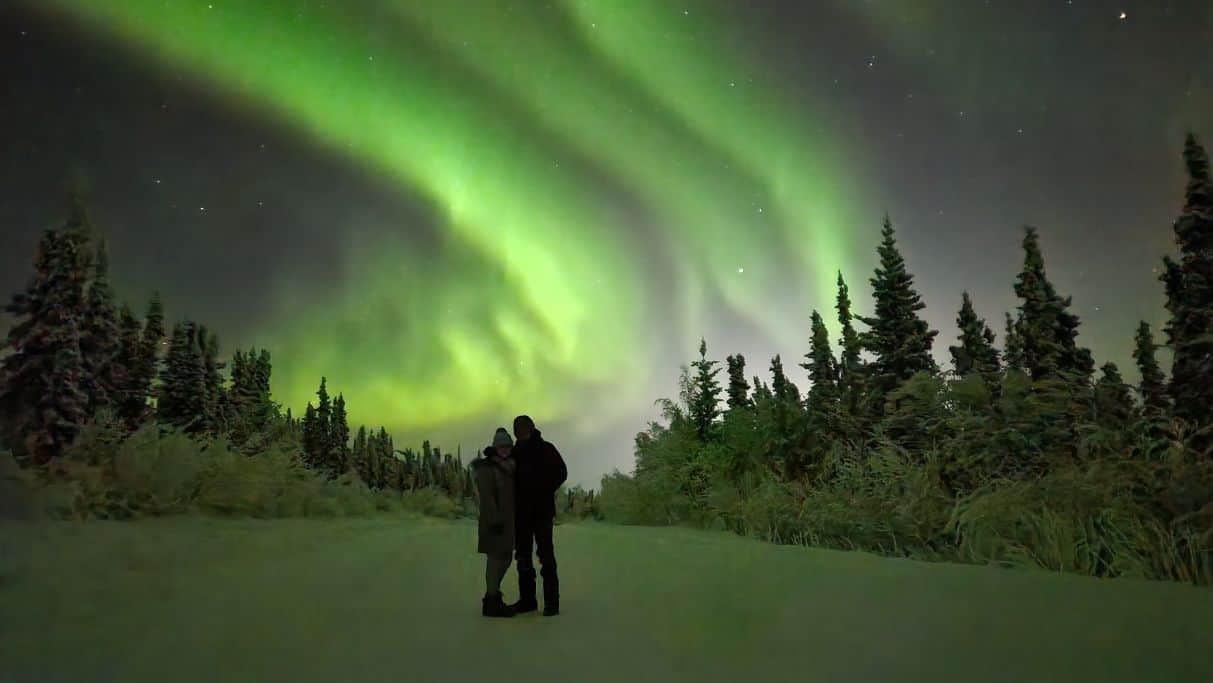
The undisputed highlight of an Alaskan winter is the chance to witness the Aurora Borealis. With minimal light pollution and abundant clear nights, especially in interior Alaska like Fairbanks, the conditions are ideal for aurora viewing. Dedicated aurora lodges and tours operate throughout the season, often taking visitors to remote, dark sky locations. These experiences are truly unforgettable, a dazzling display of nature’s artistry that paints the night sky in vibrant greens, purples, and reds.
Beyond the aurora, winter provides a unique array of outdoor activities. Dog sledding, a quintessential Alaskan experience, allows visitors to glide through snowy forests led by a team of huskies. Ice sculpting competitions, cross-country skiing, snowshoeing, and ice fishing are also popular pursuits. Many hotels and resorts offer specialized winter packages, sometimes including warm gear rentals and guided tours.
Winter is also the season for cozy retreats. Imagine staying in a charming cabin near a frozen lake, curled up by a fireplace with a good book, or enjoying the amenities of a luxurious hotel suite in Anchorage after a day of exploring. Many accommodations provide blackout curtains, essential for daytime rest during periods of prolonged twilight, and offer hearty Alaskan cuisine. While some remote areas may be less accessible, major towns and cities remain vibrant, offering cultural events, museums, and a chance to experience the warmth of Alaskan hospitality against the stark beauty of winter. Planning a winter trip requires attention to layers of clothing and understanding transportation logistics, but the rewards—from aurora viewing to tranquil snowscapes—are immense.
Navigating the Light Extremes: Practical Tips for Travelers
Understanding Alaska’s unique daylight patterns is only the first step; effectively managing them is key to a comfortable and enjoyable travel experience. Whether you’re chasing the Midnight Sun or the Northern Lights, practical adjustments can significantly enhance your trip.
Enhancing Your Stay: Accommodation and Amenities
Selecting the right accommodation is paramount when dealing with Alaska’s light extremes. During the summer months, with the sun sometimes never truly setting, getting a good night’s sleep can be a challenge. This is where quality hotels shine, offering essential amenities to ensure your rest.
- Blackout Curtains: These are perhaps the most crucial feature any Alaskan hotel or resort can offer in summer. Many reputable establishments, from cozy boutique hotels in Fairbanks to larger hotel chains in Anchorage, understand the need for complete darkness and equip their rooms accordingly. When booking, it’s wise to specifically inquire about this feature.
- Comfort and Quiet: Regardless of the light, a comfortable bed and a quiet room are universal needs. Look for hotels with good sound insulation, especially in busier areas, to ensure undisturbed sleep.
- Specialized Lodging: Consider unique accommodation options that cater to the light. In winter, for instance, some remote lodges are purpose-built for Northern Lights viewing, offering wake-up calls when the aurora appears, or even glass-domed rooms for an immersive experience. Conversely, summer cabins in the wilderness might embrace the natural light, so be prepared with your own sleep aids if opting for such an experience.
- Apartments and Villas: For longer stays or family trips, renting an apartment or villa can provide a home-away-from-home feel, often allowing you to control your environment more directly. Remember to check if these options offer sufficient light-blocking solutions.
- Amenities for Wellness: Many modern hotels understand that travel can be tiring, particularly when adjusting to new light cycles. Look for properties offering amenities like fitness centers, spas, or on-site restaurants serving healthy meals that can aid in maintaining your routine.
Thoughtful selection of your stay can transform potential challenges into seamless comfort, allowing you to fully enjoy all of Alaska’s wonders.
Embracing Local Life and Wellness
Adapting to Alaska’s light extremes goes beyond just choosing the right hotel; it involves adopting certain lifestyle adjustments to maintain your well-being and fully immerse yourself in the local culture.
- Adjusting Sleep Cycles: During the summer’s Midnight Sun, your body clock can easily get confused. Try to stick to a regular sleep schedule, even if the sun is still high in the sky. Utilize personal aids like sleep masks and earplugs in conjunction with your hotel’s blackout curtains. Some travelers find melatonin supplements helpful for resetting their circadian rhythm. Conversely, in winter, embrace the short daylight hours for outdoor activities and ensure you’re getting enough light exposure during the day to combat potential seasonal affective disorder (SAD).
- Vitamin D Supplementation: In winter, the lack of direct sunlight, especially in northern regions, can lead to Vitamin D deficiency. Many locals supplement with Vitamin D, and it’s a practice worth considering for visitors on extended stays. Consult a healthcare professional if you have concerns.
- Hydration and Nutrition: Regardless of the season, maintaining good hydration and a balanced diet is crucial. Alaska offers incredibly fresh and healthy options, from wild salmon to berries. Embrace the local culinary scene, which not only provides sustenance but also a taste of the region’s culture. Try Alaskan King Crab or fresh halibut.
- Embracing the Local Pace: Alaskans have adapted to these unique conditions with resilience and ingenuity. In summer, they maximize every hour of daylight for outdoor projects, gardening, and recreation. In winter, they create warm, welcoming indoor spaces, focusing on community gatherings, winter sports, and cultural events. Observe and participate in this rhythm. Join a local festival, visit a community center, or simply chat with locals about their daily lives. This immersion provides a deeper appreciation for the Alaskan spirit.
- Dress Appropriately: While not directly related to light, proper clothing is vital for enjoying Alaska in any season. Layers are key, especially during the changeable summer weather or the extreme cold of winter. Being comfortable physically allows you to better focus on adjusting to the light and enjoying your experiences.
By proactively addressing the challenges and opportunities presented by Alaska’s unique light cycles, you can ensure a fulfilling and memorable journey, truly connecting with this extraordinary destination.
Beyond the Light: Experiencing Alaska’s Rich Culture and Nature
While Alaska’s dramatic light variations are a significant draw, they are merely a backdrop to the state’s profound natural beauty, vibrant culture, and unparalleled opportunities for adventure. The light conditions, whether endless daylight or prolonged darkness, simply enhance or shape these experiences, creating distinct atmospheres for exploration.
Wildlife, Landmarks, and Outdoor Pursuits
Alaska is a realm of untamed wilderness, home to some of North America’s most iconic landmarks and abundant wildlife. The changing light dramatically influences how visitors interact with these natural wonders.
- Iconic Landmarks: The towering peak of Denali, the highest in North America, is a sight to behold, often appearing shrouded in clouds, but when visible, its majesty is overwhelming. In summer, the extended daylight hours increase the chances of catching a glimpse of this elusive mountain. Glaciers, such as the accessible Mendenhall Glacier near Juneau or the stunning ice formations of Prince William Sound, are spectacular year-round, but summer light illuminates their blue hues brilliantly, while winter casts them in a serene, almost ghostly glow.
- Wildlife Encounters: Alaska is a paradise for wildlife enthusiasts. Summer offers prime viewing opportunities for brown bears, black bears, moose, caribou, and a plethora of marine life including whales, sea otters, and puffins. The Midnight Sun allows for early morning or late-night wildlife safaris, as many animals are active during these cooler hours. In winter, spotting moose against the snow or seeing wolves on the hunt becomes a unique experience.
- Outdoor Pursuits: The sheer scale of Alaska makes it an adventurer’s dream. Hiking trails abound, from coastal paths to mountain treks in Denali National Park. Kayaking and paddleboarding on tranquil lakes and fjords are popular summer activities. Fishing, particularly for salmon and halibut, draws anglers from around the world. In winter, dog sledding, snowmobiling, and ice skating transform the landscape into a playground. The extended light of summer allows for longer days of exploration, while winter’s shorter days often mean activities are condensed and require more planning, but offer their own unique charm, often culminating in hot cocoa by a fire.
Regardless of the season or light conditions, [Alaska](https://lifeoutthebox.com/alaska]’s natural grandeur is always front and center, promising awe-inspiring moments and unforgettable adventures.
Culinary Delights and Community Spirit
Alaska’s culinary scene and its strong community spirit are also deeply intertwined with its unique environment and the rhythm of the seasons. Tourism to Alaska isn’t just about seeing the sights; it’s about tasting the land and connecting with the people who call this extraordinary place home.
- Food Tourism: A Taste of Alaska: The state is renowned for its fresh, wild seafood. Alaskan King Crab, salmon (sockeye, king, coho, pink, and chum), halibut, and cod are staples found on menus from five-star restaurants in Anchorage to humble roadside diners. Beyond seafood, wild berries (blueberries, cranberries, lingonberries) are harvested in summer and used in jams, pies, and sauces. Reindeer sausage is another local delicacy, especially popular in breakfast dishes. Many local markets and food festivals, particularly in summer, celebrate these bounties, offering visitors a chance to sample authentic Alaskan flavors.
- Local Markets and Festivals: The summer months, fueled by the Midnight Sun, are a time for vibrant outdoor markets and community festivals. These events are not only great places to find local crafts and produce but also hubs of social activity, reflecting the close-knit nature of Alaskan communities. In winter, indoor events, craft fairs, and holiday celebrations take center stage, providing warmth and connection during the longer nights.
- Cultural Experiences with Indigenous Communities: Alaska’s rich heritage includes a diverse array of Indigenous cultures. Visiting cultural centers, museums, and participating in guided tours led by Indigenous peoples offers invaluable insights into their traditional ways of life, art, storytelling, and deep connection to the land. These experiences are enriching irrespective of the daylight, providing a deeper understanding of Alaska’s enduring spirit.
- The Resilience and Warmth of Alaskan Communities: Perhaps one of the most striking aspects of Alaska is the remarkable resilience and welcoming spirit of its people. Living with such dramatic light changes fosters a unique outlook on life and a strong sense of community. Whether you’re staying in a luxurious resort or a cozy bed and breakfast, you’ll often encounter friendly locals eager to share their insights and love for their home state. This human connection is a crucial part of the Alaskan lifestyle and adds an immeasurable layer of richness to any travel experience.
In conclusion, “Is it dark in Alaska right now?” is a question that opens the door to a world of seasonal wonders, demanding thoughtful planning and an open mind. Whether bathed in the glow of endless summer days or illuminated by the dancing Northern Lights of winter, Alaska offers a constantly evolving tapestry of natural beauty, adventure, and cultural richness. By understanding and embracing its unique relationship with light, every traveler can forge their own unforgettable journey in this magnificent state.
LifeOutOfTheBox is a participant in the Amazon Services LLC Associates Program, an affiliate advertising program designed to provide a means for sites to earn advertising fees by advertising and linking to Amazon.com. Amazon, the Amazon logo, AmazonSupply, and the AmazonSupply logo are trademarks of Amazon.com, Inc. or its affiliates. As an Amazon Associate we earn affiliate commissions from qualifying purchases.