
Alaska, the Last Frontier, beckons with its unparalleled wilderness, dramatic landscapes, and a promise of adventure that few other destinations can match. From towering glaciers and majestic mountains to abundant wildlife and the ethereal dance of the Aurora Borealis, Alaska offers a kaleidoscope of experiences. However, pinpointing the “best” month to visit this vast and varied state is a nuanced endeavor, as the ideal time hinges entirely on your personal preferences, desired activities, and tolerance for crowds or cooler temperatures. Each season paints a different picture, presenting unique opportunities and challenges. Understanding the distinct characteristics of Alaska’s ever-changing climate and seasonal offerings is key to planning a trip that perfectly aligns with your vision of an unforgettable Alaskan adventure. Whether you dream of tracking grizzlies in Denali National Park, marveling at calving icebergs from a cruise ship, or witnessing the northern lights from a cozy cabin, the best month awaits your discovery.
Understanding Alaska’s Seasons: A Month-by-Month Guide
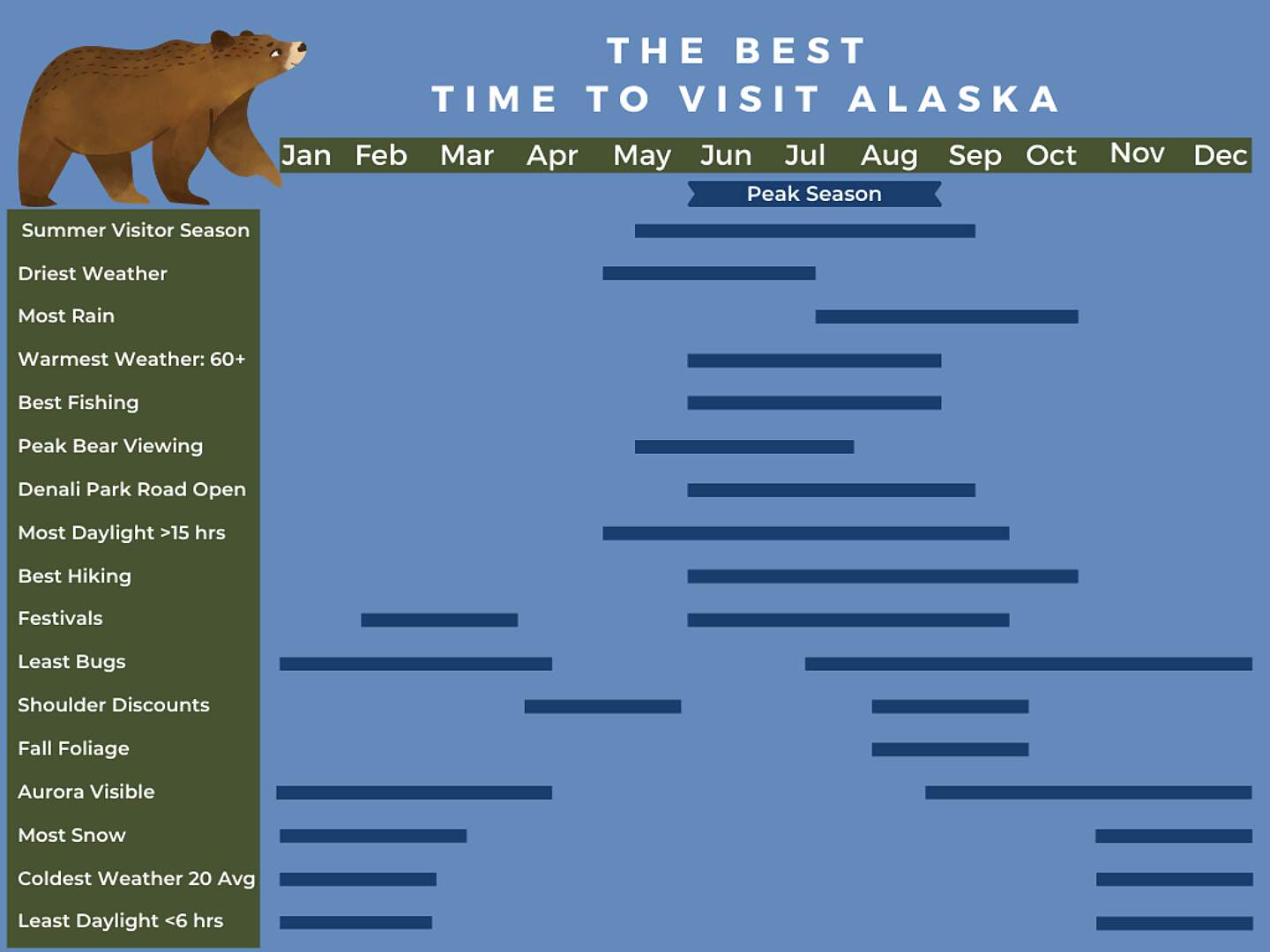
Alaska’s geographical expanse and high latitude mean that its seasons are far more pronounced and impactful on travel than in many other parts of the world. While the summer months are undeniably the most popular, the shoulder seasons of spring and fall, and even the depths of winter, offer distinct advantages for the intrepid traveler seeking a different kind of Alaskan experience.
The Thaw of Spring: May to Early June
As the grip of winter loosens, May ushers in a period of awakening and renewal across Alaska. This early shoulder season is marked by increasing daylight hours, melting snow, and the vibrant return of wildlife. Temperatures are milder, typically ranging from 40-60°F (4-15°C), though they can still be quite cool, especially in the mornings and evenings.
Advantages:
- Fewer Crowds and Lower Prices: May and early June represent a sweet spot before the peak summer rush. Attractions, hotels, and tours are less crowded, often translating to better deals on accommodation, from luxury suites in Anchorage to charming resorts in Girdwood. This can make for a more relaxed and budget-friendly travel experience.
- Wildlife Viewing: Spring is an excellent time to witness wildlife emerging from hibernation. Bears, moose, and caribou are often seen grazing on new growth, and migratory birds return in spectacular numbers to coastal areas and wetlands. Whale watching tours in places like Seward and Juneau begin in earnest, with gray whales migrating north.
- Longer Daylight Hours: While not as extreme as the summer solstice, May offers significantly longer daylight hours, allowing for extended sightseeing and exploration.
- Crisp Scenery: The landscape transitions from snow-dusted to verdant green, with wildflowers beginning to bloom. The melting snow feeds waterfalls, making them particularly impressive.
Considerations:
- Limited Access: Some higher elevation roads, hiking trails, and remote areas may still be closed due or partially inaccessible due to snow.
- Variable Weather: While generally milder, spring weather can be unpredictable, with chances of rain, chilly winds, and even late-season snow in some areas. Packing layers is essential.
- Tour Availability: Not all tours and services operate at full capacity until mid-June. It’s advisable to check in advance.
For travelers prioritizing solitude, wildlife, and cost savings, May and early June offer a fantastic introduction to Alaska’s natural splendor without the peak season hustle.
Peak Summer Bliss: Mid-June to August
Mid-June through August is undeniably Alaska’s high season, and for good reason. This period offers the warmest temperatures, the longest daylight hours (including the famous “midnight sun”), and the full array of tours and attractions are operational. Temperatures generally hover between 55-75°F (13-24°C), making it ideal for outdoor activities.
Advantages:
- Optimal Weather: These months typically offer the most stable and warmest weather, perfect for hiking, kayaking, fishing, and glacier viewing.
- Maximum Daylight: Experience nearly 24 hours of daylight in northern regions like Fairbanks, allowing for endless exploration and extended outdoor adventures.
- Full Tour Availability: Every tour operator, from flightseeing in Talkeetna to rafting in Glacier Bay National Park, is in full swing. This is the prime time for cruises, which typically run from May to September.
- Vibrant Local Culture: Summer brings a bustling atmosphere with festivals, farmers’ markets, and lively street performances in cities like Anchorage and Juneau.
- Best for Hiking and Backpacking: Trails are typically clear of snow, offering access to stunning backcountry areas and national parks like Denali and Kenai Fjords National Park.
Considerations:
- Highest Crowds: This is when Alaska sees the most visitors, especially in popular destinations and on cruise itineraries.
- Highest Prices: Demand drives up costs for flights, accommodation (from luxury hotels to budget-friendly apartments), and tours. Booking well in advance (6-12 months) is crucial, especially for specific resorts or unique villas.
- Bugs: Mosquitoes can be prevalent, especially in interior and marshy areas. Repellent is a must.
If your Alaskan dream involves warm weather, maximum activity options, and experiencing the state at its most vibrant, the summer months are your best bet, provided you plan meticulously and book early.
Autumn’s Golden Embrace: September to October
As summer fades, September ushers in a breathtaking transformation of the Alaskan landscape. This shoulder season offers a unique blend of experiences, with fall foliage, active wildlife, and the first glimpses of the Aurora Borealis. Temperatures begin to drop, ranging from 30-50°F (-1 to 10°C), particularly as October progresses.
Advantages:
- Spectacular Fall Colors: The tundra bursts into vibrant reds, oranges, and yellows, especially in the interior and around mountain ranges. Driving scenic routes like the Parks Highway becomes a visual feast.
- Northern Lights Season Begins: With longer nights, September marks the start of prime aurora viewing season, particularly in areas away from city lights like Fairbanks or Trapper Creek.
- Active Wildlife: Bears are particularly active as they fatten up for winter, often seen fishing for salmon. Migratory birds begin their southbound journey.
- Fewer Crowds and Better Deals: Similar to spring, September and October offer a reprieve from the summer crowds and can present more affordable options for accommodation, from cozy B&Bs to extended stay apartments.
- Salmon Runs: Many rivers are still teeming with salmon, offering excellent sport fishing opportunities.
Considerations:
- Cooler Temperatures: Be prepared for colder weather, especially as October approaches, with the possibility of snow at higher elevations.
- Reduced Services: By mid-to-late September, some tour operators and attractions begin to close for the winter. Cruise ship season also winds down.
- Shorter Daylight Hours: The days noticeably shorten, reducing the amount of time available for daytime activities.
For those captivated by vibrant fall foliage, keen on spotting the northern lights, and seeking a quieter, more reflective experience, a September visit can be truly magical.
Winter Wonderland: November to April
While often overlooked by the majority of tourists, Alaska’s winter season offers an entirely different, yet equally captivating, set of experiences. This is the realm of pristine snowscapes, vibrant northern lights, and quintessential winter activities. Temperatures are consistently cold, often well below freezing (0-30°F or -18 to -1°C), and can drop significantly lower in the interior.
Advantages:
- Prime Northern Lights Viewing: With long, dark nights, winter is the absolute best time to witness the Aurora Borealis. Fairbanks, situated beneath the aurora oval, is a world-renowned hotspot.
- Winter Sports Galore: Enjoy dog sledding, cross-country skiing, snowshoeing, ice skating, and snowmobiling. Major events like the Iditarod Trail Sled Dog Race (March) offer unique cultural experiences.
- Stunning Snow Scenery: The landscape transforms into a breathtaking tableau of snow-covered mountains, frozen rivers, and glittering forests.
- Lowest Crowds and Prices: Winter is the quietest season, offering the most solitude and typically the best deals on flights and accommodations, including upscale resorts like Alyeska Resort near Anchorage that cater to winter sports enthusiasts.
- Unique Cultural Events: Experience local winter festivals and events that showcase Alaskan traditions.
Considerations:
- Extreme Cold: Temperatures can be brutally cold, requiring specialized winter gear and careful planning.
- Limited Daylight: Days are very short, especially around the winter solstice in December, impacting daytime sightseeing.
- Reduced Accessibility: Many roads and remote areas are closed or difficult to access. Some tourist services and attractions are entirely shut down.
- Travel Logistics: Flights can be delayed or canceled due to weather, and driving conditions can be challenging.
For those who embrace the cold and dream of chasing the aurora or embarking on true winter adventures, Alaska in winter is an unparalleled, once-in-a-lifetime journey.
Tailoring Your Trip: Best Months for Specific Alaskan Experiences
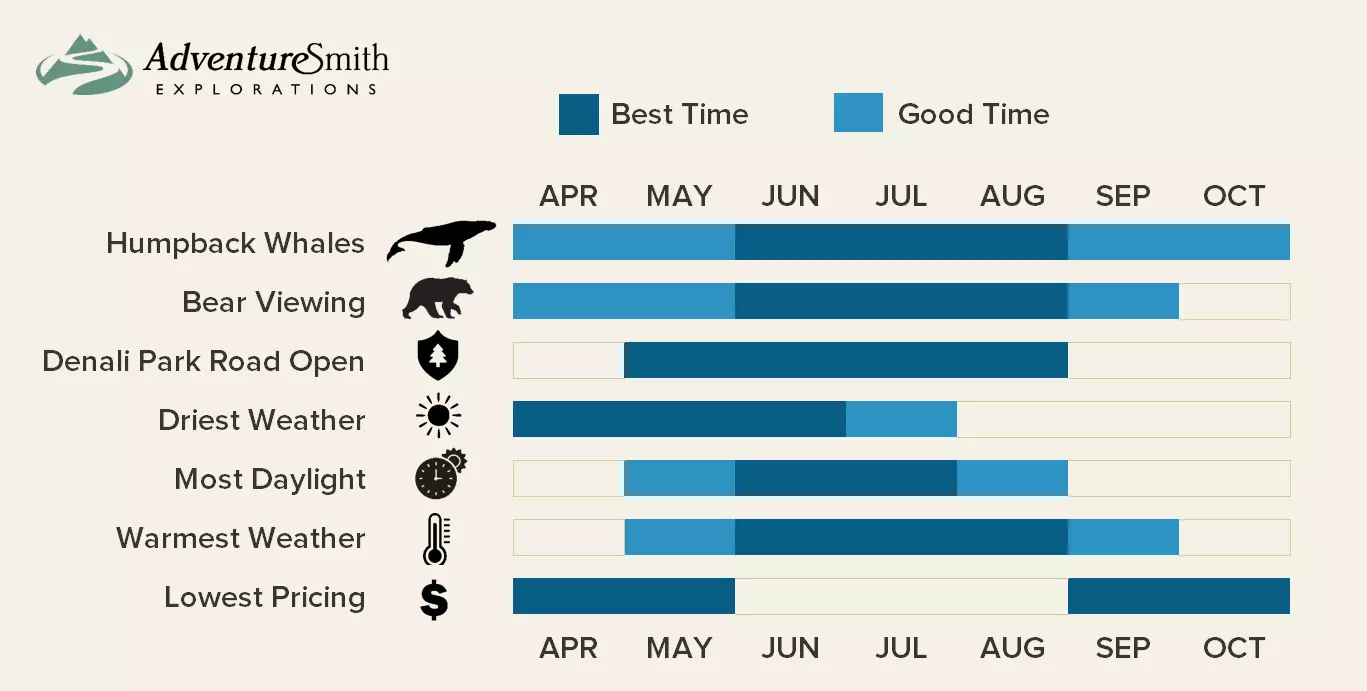
Given Alaska’s diverse offerings, specifying the “best” month often comes down to your primary interest.
Chasing the Aurora Borealis
- Best Months: September through April.
- Optimal Conditions: Clear, dark nights away from city lights. The longer and darker the nights, the better your chances. Fairbanks, Anchorage, and their surrounding areas are prime viewing spots. Consider staying at an aurora lodge for dedicated viewing tours.
Unforgettable Wildlife Encounters
- Best Months: May to September.
- Specifics:
- Bears (Brown/Grizzly, Black): Late May/early June for emerging bears, July/August for salmon fishing, and September for bears bulking up for winter. Locations like Katmai National Park (Brooks Falls) are famous in July, while Denali is great throughout summer.
- Marine Mammals (Whales, Orcas, Seals, Otters): May to September. Whale watching tours are abundant from coastal towns like Seward, Valdez, and Juneau.
- Moose, Caribou, Dall Sheep: Visible throughout the summer, with good chances in Denali and along scenic highways.
Cruising the Alaskan Coastline
- Best Months: June to August.
- Peak Season: This is when the vast majority of Alaska cruises operate. Expect full itineraries, stable weather for sailing through the Inside Passage, and optimal glacier viewing (e.g., Glacier Bay, Hubbard Glacier). Major cruise lines like Holland America Line and Princess Cruises offer extensive options, often packaged with land tours.
Outdoor Adventures and Hiking
- Best Months: Late June to early September.
- Optimal Conditions: Trails are mostly clear of snow, wildflowers are in bloom, and weather is typically mildest. This is ideal for exploring Chugach State Park, trekking in Denali, or kayaking in the fjords.
Practical Considerations for Your Alaskan Journey
Regardless of when you decide to visit, a few universal considerations will enhance your Alaskan experience and ensure a smoother trip.
Navigating Crowds and Costs
- Peak Season (June-August): Expect higher prices for flights, accommodation (from hotels to private villas), and tours. Popular attractions will be crowded, and booking everything several months in advance is essential. This is particularly true for sought-after lodges or unique long-term stay options.
- Shoulder Seasons (May, September): Offers a good balance of open attractions, fewer crowds, and potentially better value. It’s an ideal choice for budget-conscious travelers or those seeking a more serene experience.
- Winter (October-April): Generally the most affordable time to travel, with the added benefit of minimal crowds. However, availability of some services will be limited.
Weather and Daylight Hours
- Layering is Key: Alaskan weather is notoriously fickle. Even in summer, temperatures can drop quickly. Always pack layers, including waterproof outer shells, regardless of the month.
- Sunlight Extremes: Be prepared for extreme variations in daylight. Summer’s near 24-hour sun can disrupt sleep patterns, so eye masks are useful. Winter’s limited daylight means maximizing your time during the short window of light.
- Coastal vs. Interior: Coastal areas (like Seward or Ketchikan) are generally milder and wetter, while the interior (like Fairbanks) experiences greater temperature extremes, with hot summers and frigid winters.
Choosing Your Accommodation
Alaska offers a wide spectrum of accommodation options to suit every lifestyle and budget:
- Hotels & Resorts: From luxury resorts with full amenities like Hotel Captain Cook in Anchorage or ski-in/ski-out access at Alyeska Resort, to comfortable chain hotels.
- Boutique Stays & B&Bs: For a more personalized and charming experience, often found in smaller towns.
- Apartments & Villas: Ideal for families, groups, or longer stays, offering kitchens and more space, especially popular in cities and larger towns.
- Wilderness Lodges: Remote, all-inclusive options that offer unparalleled access to nature, often requiring unique transportation like floatplanes.
- Camping & RV Parks: A popular choice for independent travelers seeking to immerse themselves in nature, abundant throughout the state.
Booking in advance is paramount, especially during peak season, to secure your preferred type of accommodation and ensure competitive pricing. Utilize booking comparison sites and read reviews to find the perfect match for your travel style.
Crafting Your Perfect Alaskan Adventure
Ultimately, there is no single “best” month to visit Alaska because the state offers an incredible diversity of experiences that unfold throughout the year. Your ideal time to visit will depend entirely on what you hope to see, do, and feel.
- For the classic Alaskan experience with warm weather, long days, and access to all activities, June to August is your window.
- For budget-conscious travelers, wildlife enthusiasts, or those seeking fewer crowds, the May-early June or September shoulder seasons are perfect.
- For aurora chasers and winter sports lovers, October to April offers a magical, albeit chilly, adventure.
Before you book your trip, take the time to reflect on your priorities. Do you dream of seeing bears feast on salmon, or would you rather witness the northern lights dance across a snowy sky? Do you prefer the bustling atmosphere of a peak-season cruise, or the serene solitude of a wilderness lodge in the off-season? Once you clarify your Alaskan dream, the “best” month will reveal itself, promising a journey filled with awe and unforgettable memories in the truly magnificent Last Frontier.
LifeOutOfTheBox is a participant in the Amazon Services LLC Associates Program, an affiliate advertising program designed to provide a means for sites to earn advertising fees by advertising and linking to Amazon.com. Amazon, the Amazon logo, AmazonSupply, and the AmazonSupply logo are trademarks of Amazon.com, Inc. or its affiliates. As an Amazon Associate we earn affiliate commissions from qualifying purchases.