
Embarking on a journey to the Last Frontier, the magnificent state of Alaska, promises an adventure unlike any other. From its towering glaciers and pristine wilderness to vibrant local cultures and unique wildlife, Alaska captivates the imagination of every traveler. However, before you pack your bags and set your sights on this northern paradise, there’s a crucial detail that often catches visitors off guard: understanding Alaska’s time zones. Far from being a mere technicality, knowing the current time in Alaska is fundamental for seamless travel planning, coordinating activities, and even communicating with friends and family back home. Given its vast expanse, Alaska spans two distinct time zones, a geographical reality that impacts everything from flight schedules to sunset timings.

The unique temporal landscape of Alaska is a direct consequence of its immense size and its position far to the west. While most of the continental United States observes four main time zones, Alaska introduces its own complexities. For travelers accustomed to a standard time structure, this can present a slight learning curve, but one that is easily overcome with a bit of foresight. This comprehensive guide aims to demystify Alaska’s time zones, offering practical advice for visitors and delving into how these temporal considerations intertwine with the myriad travel experiences, accommodation options, and lifestyle adventures that await in the 49th state. Whether you’re planning a thrilling wilderness adventure, a luxurious cruise through the Inside Passage, or a serene stay in a remote lodge, grasping the nuances of Alaskan time will undoubtedly enhance your journey.
Understanding Alaska’s Time Zones
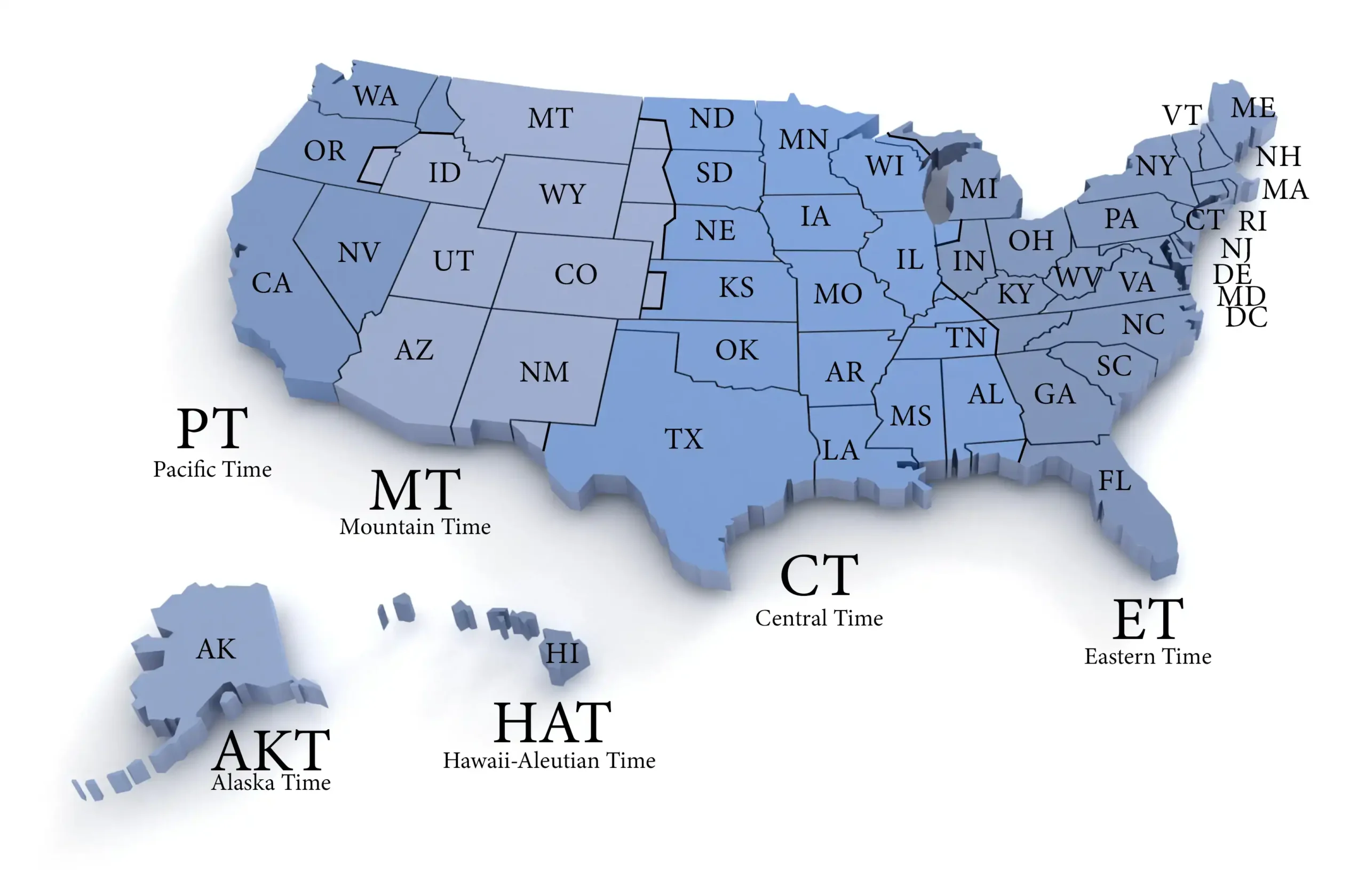
The sheer scale of Alaska dictates its temporal divisions. While most of the state adheres to one primary time zone, a small, yet significant, portion observes another, reflecting the immense longitudinal spread. Understanding these distinctions is the first step to mastering your Alaskan itinerary.
Alaska Standard Time (AKST)
The vast majority of Alaska, including its most populous cities and popular tourist destinations, operates on Alaska Standard Time (AKST). This time zone is UTC-9 during standard time. When Daylight Saving Time (DST) is in effect, from early March to early November, it shifts to Alaska Daylight Time (AKDT), which is UTC-8. This means that during the summer months, Alaska is four hours behind Eastern Standard Time (EST) in the United States and one hour behind Pacific Standard Time (PST).
Major cities like Anchorage, the state’s largest city and a primary gateway for many visitors, and Fairbanks, known for its proximity to the Arctic Circle and excellent Northern Lights viewing opportunities, both fall within AKST/AKDT. Other prominent destinations such as Juneau (the state capital), Seward (a hub for Kenai Fjords National Park tours), Ketchikan, and Sitka also observe this time zone. Consequently, for most travelers whose itineraries focus on these central and southeastern regions, AKST/AKDT will be their primary temporal reference. This time zone is significantly west of the Lower 48, resulting in considerable time differences that require careful planning, especially when dealing with arrival and departure times for flights connecting through hubs like Seattle or Portland.
Hawaii-Aleutian Standard Time (HAST)
While AKST covers the bulk of Alaska, a unique exception exists for the westernmost part of the state: a portion of the Aleutian Islands. Specifically, the islands west of 169°30′ W longitude adhere to Hawaii-Aleutian Standard Time (HAST). HAST is UTC-10 during standard time. During Daylight Saving Time (DST), it shifts to Hawaii-Aleutian Daylight Time (HADT), which is UTC-9. This means these islands are one hour behind the rest of Alaska (AKST/AKDT) and five hours behind Eastern Standard Time (EST) during standard time.
The most prominent community in this time zone is Dutch Harbor, a major fishing port. While less frequently visited by mainstream tourists compared to other Alaskan destinations, the Aleutian Islands offer a rugged, remote beauty and a glimpse into a unique segment of Alaskan life. For those venturing into this incredibly remote archipelago, being aware of the HAST/HADT distinction is paramount. This further westward shift emphasizes the geographical extremity of Alaska and underscores why a “one size fits all” approach to time zones doesn’t work for this colossal state.
Practical Implications for Travelers and Visitors
Understanding Alaska’s time zones is more than just academic knowledge; it has tangible implications for every aspect of your trip. From your arrival to your daily activities and even how you share your experiences, time adjustments play a significant role.
Planning Your Arrival and Departure
The most immediate impact of Alaska’s time zones is on travel logistics. When flying into Anchorage or Fairbanks from the Lower 48, you will cross several time zones, often leading to a significant time difference. For instance, if you’re traveling from New York City (Eastern Time), you’ll gain four hours when arriving in Alaska during DST. This can be beneficial for managing jet lag on arrival, as your body feels like it’s later in the day, but it can make communicating with home challenging.
Confirming flight times in local Alaskan time is essential. A flight departing Seattle at 3:00 PM PST might arrive in Anchorage at 4:30 PM AKDT, even though the flight duration is only 3.5 hours. Always double-check your boarding passes and itinerary for the local arrival time. This is also crucial for coordinating ground transportation, hotel check-ins, and meeting tour operators. Misjudging the time difference could lead to missed connections, forfeited reservations, or inconvenient delays right at the start of your adventure. Hotels like the Hotel Captain Cook in Anchorage or the Grande Denali Lodge near Denali National Park will operate strictly on local time, so ensure your reservations align.
Coordinating Activities and Tours
Once you’ve settled in, the time zone continues to influence your daily itinerary. Alaska is a land of incredible activities, from wildlife viewing tours and glacier cruises to bear viewing excursions and fishing charters. These activities often have strict departure times, and being punctual is critical. Tour operators, especially for popular attractions like a Kenai Fjords National Park cruise departing from Seward or a Denali bus tour from Talkeetna, operate on precise schedules.
Making dinner reservations at a charming restaurant in Juneau or booking a heli-hiking adventure in the Chugach Mountains requires careful attention to the local clock. Travelers coming from other time zones may find their internal clock suggesting it’s much earlier or later than it actually is, making it easy to misread local appointment times. Always set your watch and phone to local Alaskan time immediately upon arrival, and consider double-checking important schedules the night before to avoid any missteps. This meticulous approach to time management ensures you maximize your valuable time exploring the wonders of Alaska without unnecessary stress.
Communicating with Home
Maintaining contact with family and friends can also be tricky due to the significant time differences. If your loved ones are on East Coast Time, they will be four hours ahead of you during Daylight Saving Time. This means when it’s 8:00 AM in Anchorage, it’s already noon in New York. For those on Pacific Time, the difference is one hour.
This discrepancy requires a bit of strategy for phone calls, video chats, and even social media updates. Early mornings in Alaska might be the best time to connect with people on the East Coast, while evenings could work better for the West Coast. Be mindful of waking people up or calling too late. Consider using time zone converter apps to help schedule your communications, ensuring you can share your incredible Alaskan experiences without disrupting the schedules of those back home. Many modern communication apps can also show you local times for your contacts, simplifying this challenge.

Beyond the Clock: Maximizing Your Alaskan Experience
While the current time in Alaska is a practical consideration, it’s intrinsically linked to the broader travel experience. The state’s unique position influences not just the clock, but also the length of daylight, the best seasons to visit, and the very nature of its iconic attractions.
Best Times to Visit Alaska
The “best” time to visit Alaska largely depends on what you wish to experience, and this is heavily influenced by the extreme seasonal daylight variations, a direct result of its high latitude. Summer, typically from May to September, is the most popular period for tourism. During these months, the extended daylight, often referred to as the midnight sun in northern regions, allows for maximum exploration. In Anchorage, for example, the summer solstice can bring over 19 hours of daylight, radically shifting the perception of time and enabling late-night hikes or fishing trips. This season is ideal for activities like bear viewing, glacier trekking, whale watching, and exploring national parks such as Denali National Park or Wrangell-St. Elias National Park and Preserve.
Conversely, winter offers a completely different, yet equally enchanting, Alaskan experience. From November to March, daylight hours shorten dramatically, particularly in the northern reaches, setting the stage for one of the most breathtaking natural phenomena: the Northern Lights (Aurora Borealis). Cities like Fairbanks are renowned viewing spots. Winter also provides opportunities for dog sledding, ice fishing, and skiing. Travelers interested in these colder pursuits will find the short daylight hours and long nights perfectly suited for their objectives, despite the time zone. Shoulder seasons (spring and fall) offer a quieter experience, with changing foliage and opportunities to see wildlife without the peak summer crowds.
Iconic Destinations and Attractions
Alaska is dotted with iconic landmarks and attractions, each offering a unique flavor of the state’s natural beauty and rich cultural heritage. Denali National Park, home to North America’s tallest peak, Mount Denali, is a must-visit for its stunning landscapes and diverse wildlife. Visitors can opt for bus tours deep into the park, backcountry hiking, or flightseeing tours that offer unparalleled aerial views of the mountain.
The coastal towns, such as Juneau, Seward, Ketchikan, and Sitka, are gateways to the Inside Passage and offer myriad marine adventures. In Juneau, you can explore the magnificent Mendenhall Glacier or embark on whale watching excursions. Seward is the launching point for unforgettable boat tours into Kenai Fjords National Park, where tidewater glaciers calve into the sea. Ketchikan, known as the “Salmon Capital of the World,” boasts a vibrant Tlingit culture and impressive totem poles. Sitka, with its Russian heritage, offers a blend of history and natural beauty, including the Sitka National Historical Park. Each of these locations operates on AKST/AKDT, reinforcing the need for consistent time awareness.
For those seeking truly remote experiences, a trip to the Arctic regions, such as Utqiagvik (formerly Barrow), offers insight into indigenous lifestyles and the phenomenon of continuous daylight in summer or prolonged darkness in winter. While these destinations are less common for first-time visitors, they highlight the extreme geographical and temporal diversity of the state.
Accommodation and Lifestyle in Alaska
Alaska offers a diverse range of accommodation options to suit every travel style and budget. From luxury wilderness lodges that provide all-inclusive experiences amidst stunning natural backdrops to cozy bed and breakfasts in charming towns and convenient chain hotels in urban centers, there’s something for everyone. Options like the Alyeska Resort near Girdwood offer upscale amenities and year-round activities, while more rustic cabins and campgrounds provide an immersive nature experience.
For those interested in local culture and food, Alaska delivers a rich tapestry of experiences. Freshly caught Alaskan salmon, king crab, and halibut are staples in local restaurants, often served with a view of the dramatic landscape. Many communities host vibrant farmers’ markets and local craft fairs, especially during the summer, offering a chance to engage with residents and find unique souvenirs. Understanding the local time facilitates participation in these events, many of which have specific operating hours.
The lifestyle in Alaska is deeply connected to its natural environment. Whether it’s the emphasis on outdoor recreation, the strong sense of community, or the resilience required to thrive in its unique climate, the rhythm of life here is distinct. Travelers seeking a deeper immersion will find that adapting to the extended daylight or the unique pace of life in winter enhances their appreciation for this extraordinary state.
Essential Tips for Seamless Alaskan Travel
Navigating the temporal landscape of Alaska needn’t be a source of stress. With a few simple tips, you can ensure your trip runs smoothly, allowing you to fully immerse yourself in the wonders of the Last Frontier.
Always Verify Local Time
Before any critical appointment—a flight, a tour departure, a restaurant reservation, or a meeting—always confirm the time in local Alaskan time. Use reliable sources like your phone’s automatic time zone setting, trusted travel apps, or simply ask locals. Many modern smartphones automatically adjust to the local time zone, but it’s a good practice to manually check once you land. For those venturing into the Aleutian Islands, be particularly vigilant about the switch to HAST. Digital watches with multiple time zone displays can also be very helpful.
Embrace the Unique Daylight Cycles
Especially during the summer months, the extended daylight hours (the midnight sun) can be both exhilarating and disorienting. You might find yourself wanting to explore late into the evening, as the sky remains bright. While this offers incredible opportunities for sightseeing and photography, it can also disrupt your sleep patterns. Pack an eye mask to help you sleep, even when the sun is still high in the sky. Conversely, if visiting in winter, embrace the shorter days and longer nights as prime time for Northern Lights viewing and cozy indoor activities. Adjusting your expectations around daylight will significantly improve your experience.
Prioritize Rest and Adaptation
Crossing multiple time zones can lead to jet lag. While the time difference might seem less daunting than international travel, a four-hour shift from the East Coast can still impact your energy levels. Prioritize rest during your first day or two. Stay hydrated, try to expose yourself to natural light during the day, and avoid heavy meals or excessive alcohol right before bed. Allow your body time to adjust to the new rhythms of Alaska. This will ensure you’re refreshed and ready to tackle all the adventures that await, from soaring over glaciers to exploring vibrant fishing villages.
In conclusion, while the question “What Is The Current Time In Alaska?” might seem straightforward, the answer unfolds a tapestry of geographical and practical considerations vital for any visitor. Alaska’s unique position, spanning Alaska Standard Time and a segment of Hawaii-Aleutian Standard Time, along with the dramatic seasonal daylight shifts, plays a significant role in shaping the travel experience. By understanding and accounting for these temporal nuances, travelers can expertly navigate flights, coordinate exciting tours, manage communications, and ultimately immerse themselves more deeply in the unparalleled beauty and adventure that define the Last Frontier. So, set your watch, embrace the extraordinary light cycles, and prepare for an unforgettable journey through Alaska.
LifeOutOfTheBox is a participant in the Amazon Services LLC Associates Program, an affiliate advertising program designed to provide a means for sites to earn advertising fees by advertising and linking to Amazon.com. Amazon, the Amazon logo, AmazonSupply, and the AmazonSupply logo are trademarks of Amazon.com, Inc. or its affiliates. As an Amazon Associate we earn affiliate commissions from qualifying purchases.