
To ask “What is the temperature in Alaska right now?” is akin to asking “What is the temperature in Europe right now?” – the answer is far from simple. Alaska, the largest state in the United States, is a land of staggering scale and dramatic climatic diversity. Spanning over 663,000 square miles, it encompasses everything from temperate rainforests to arctic tundra, each region experiencing unique weather patterns and profound temperature variations throughout the day and across its distinct seasons. For any traveler envisioning an Alaskan adventure, understanding these climatic nuances is not just a matter of curiosity but a fundamental aspect of meticulous travel planning, ensuring comfort, safety, and the optimal enjoyment of this incredible destination.
From the mild, maritime conditions of its southeastern panhandle to the extreme temperature swings of its interior and the perpetually frozen realms of its Arctic coast, Alaska’s temperature is a dynamic mosaic. This comprehensive guide will explore the diverse climate zones of Alaska, delve into how seasonal temperature dynamics shape travel experiences, offer practical advice on preparing for your trip, and point you to the best resources for real-time weather information. Whether you dream of witnessing the vibrant Northern Lights, embarking on a summer wildlife cruise, or conquering a glacier, temperature is the invisible hand that guides every facet of your journey.
A Tapestry of Temperatures: Alaska’s Diverse Climates
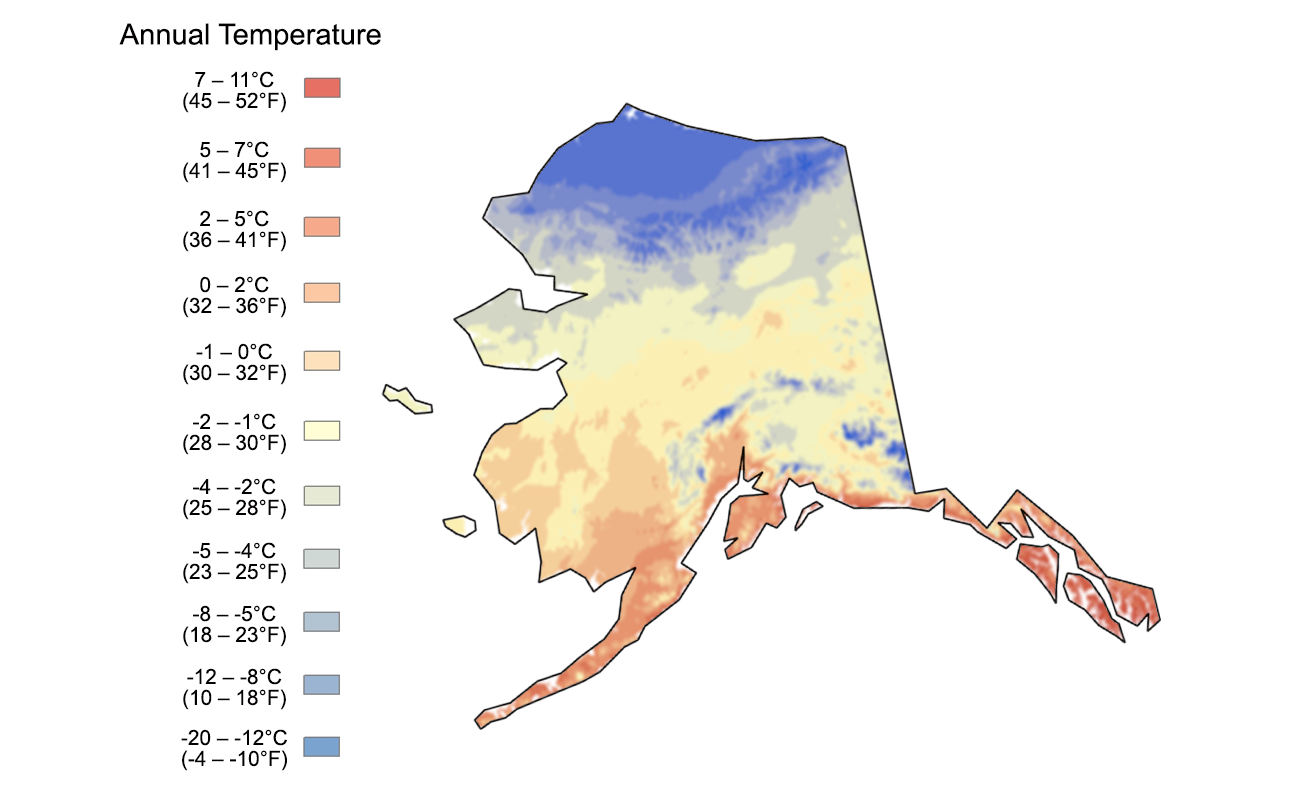
Alaska’s sheer size means it’s home to several distinct climate zones, each with its own characteristic temperatures, precipitation, and environmental features. These zones are largely dictated by proximity to oceans, mountain ranges, and the Arctic Circle, creating a fascinating patchwork of weather that impacts everything from local culture to available travel activities.
Coastal & Southcentral Regions: Mild and Maritime
The southeastern panhandle and much of the southcentral coast of Alaska experience a maritime climate, heavily influenced by the relatively warmer waters of the North Pacific Ocean and the Gulf of Alaska. Cities like Juneau, Ketchikan, and Anchorage fall into this category. Here, summers are typically mild, with average daytime temperatures ranging from 55°F to 65°F (13°C to 18°C), rarely reaching extreme highs. Winters are comparatively mild as well, especially along the coast, with temperatures hovering around 20°F to 35°F (-7°C to 2°C), and significant snowfall rather than persistent deep freezes. This region is known for its lush temperate rainforests, dramatic fjords, and abundant rainfall, particularly in the fall.
Traveler’s Insight: This climate is ideal for cruising the Inside Passage, fishing expeditions, and glacier viewing at sites like Mendenhall Glacier near Juneau. Accommodation options here often include charming waterfront hotels and boutique lodges designed to maximize scenic views, such as the historic Hotel Captain Cook in Anchorage or the renowned Alyeska Resort in Girdwood. The relatively moderate temperatures make it a comfortable choice for a wide range of travelers.
Interior Alaska: Land of Extremes
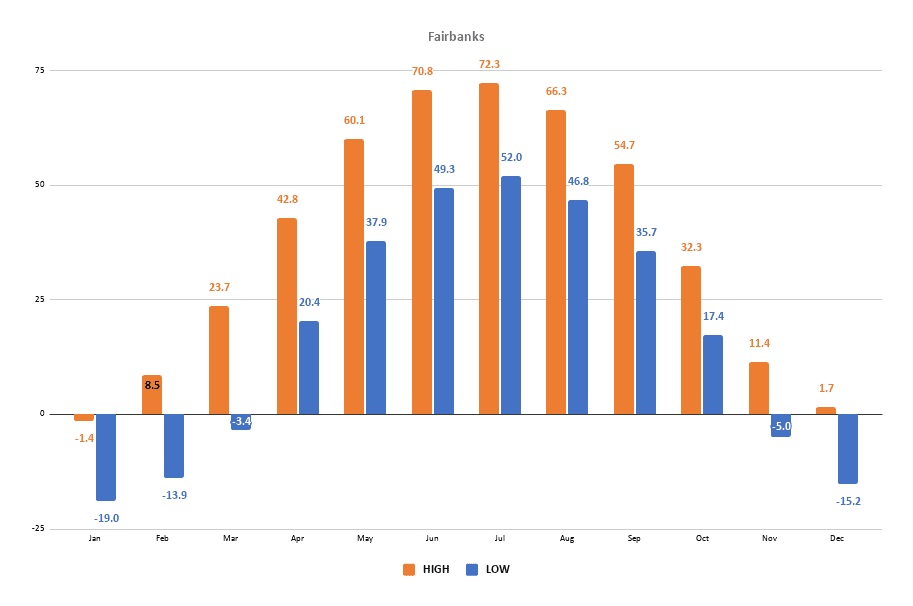
Venturing inland, away from the moderating influence of the ocean, you enter Interior Alaska, characterized by a subarctic continental climate. Cities like Fairbanks and the vast wilderness of Denali National Park exemplify this zone. Here, temperature swings are extreme. Summers can be surprisingly warm, with daytime highs often reaching 70°F to 80°F (21°C to 27°C), sometimes even higher. This is the land of the midnight sun, offering endless daylight for exploration. However, winters are famously, brutally cold, with temperatures frequently plunging to -20°F to -40°F (-29°C to -40°C), and occasionally even colder.
Traveler’s Insight: Interior Alaska is the prime location for witnessing the spectacular Northern Lights from late August to April. Winter activities include dog sledding, ice fishing, and skiing. Accommodation here often features cozy cabins designed for warmth and aurora viewing, or wilderness lodges that serve as a base for exploring Denali National Park and accessing landmarks like Mount Denali, North America’s highest peak. Resorts like Chena Hot Springs Resort near Fairbanks offer unique opportunities to combine aurora viewing with relaxation in natural hot springs, regardless of the frigid outside air.
Arctic & Western Alaska: The Frigid Frontier
The northern and western reaches of Alaska, encompassing areas like Utqiagvik (formerly Barrow), Nome, and the coastline along the Bering Sea and Arctic Ocean, fall under an Arctic climate. This region is characterized by persistently cold temperatures, even in summer. Summers are brief and cool, with average temperatures rarely exceeding 40°F to 50°F (4°C to 10°C), and often remaining below freezing for much of the year. Winters are long and intensely cold, with temperatures consistently below 0°F (-18°C) and frequently dropping into the -30s and -40s°F (-34°C to -40°C) or lower, exacerbated by strong winds. Permafrost dominates the landscape.
Traveler’s Insight: Visiting this region offers a truly unique cultural experience and a chance for specialized wildlife viewing (polar bears, whales, seals). Travel here is often more challenging and requires specialized planning, but offers unparalleled immersion into Alaska Native cultures and untouched wilderness. Accommodation options are typically more basic but warm and welcoming, designed for resilience against the extreme environment. Nome is a historic town known as the finish line for the Iditarod Trail Sled Dog Race, connecting it to a rich history of perseverance in harsh conditions.
Seasonal Temperature Dynamics: What to Expect When You Visit
The time of year you choose to visit Alaska will profoundly impact the temperatures you encounter and, consequently, the types of activities and experiences available. Each season presents a distinct version of the Last Frontier.
Summer (June-August): The Peak Season’s Mild Embrace
Alaska’s summer is its peak tourism season, and for good reason. Temperatures are at their mildest and most comfortable across the state. In coastal areas and southcentral regions like Anchorage and the Kenai Peninsula (including Homer and Seward), average daytime temperatures range from the low 60s to mid-70s°F (15°C to 24°C). Interior Alaska, including Fairbanks and Denali, often sees warmer days, occasionally reaching into the 80s°F (27°C). The long daylight hours (up to 24 hours in some northern areas) are perfect for hiking, wildlife viewing, fishing charters, and glacier tours.
Traveler’s Insight: This is when most attractions are open, and tour operators are in full swing. However, demand for accommodation and flights is high, necessitating early booking. While offering comfort and accessibility, summer travel can also be more expensive. Travelers seeking a luxury experience will find premium resorts and exclusive lodges bustling, while budget travelers should seek out hostels or camping options well in advance.
Winter (November-March): A Wonderland of Cold and Light
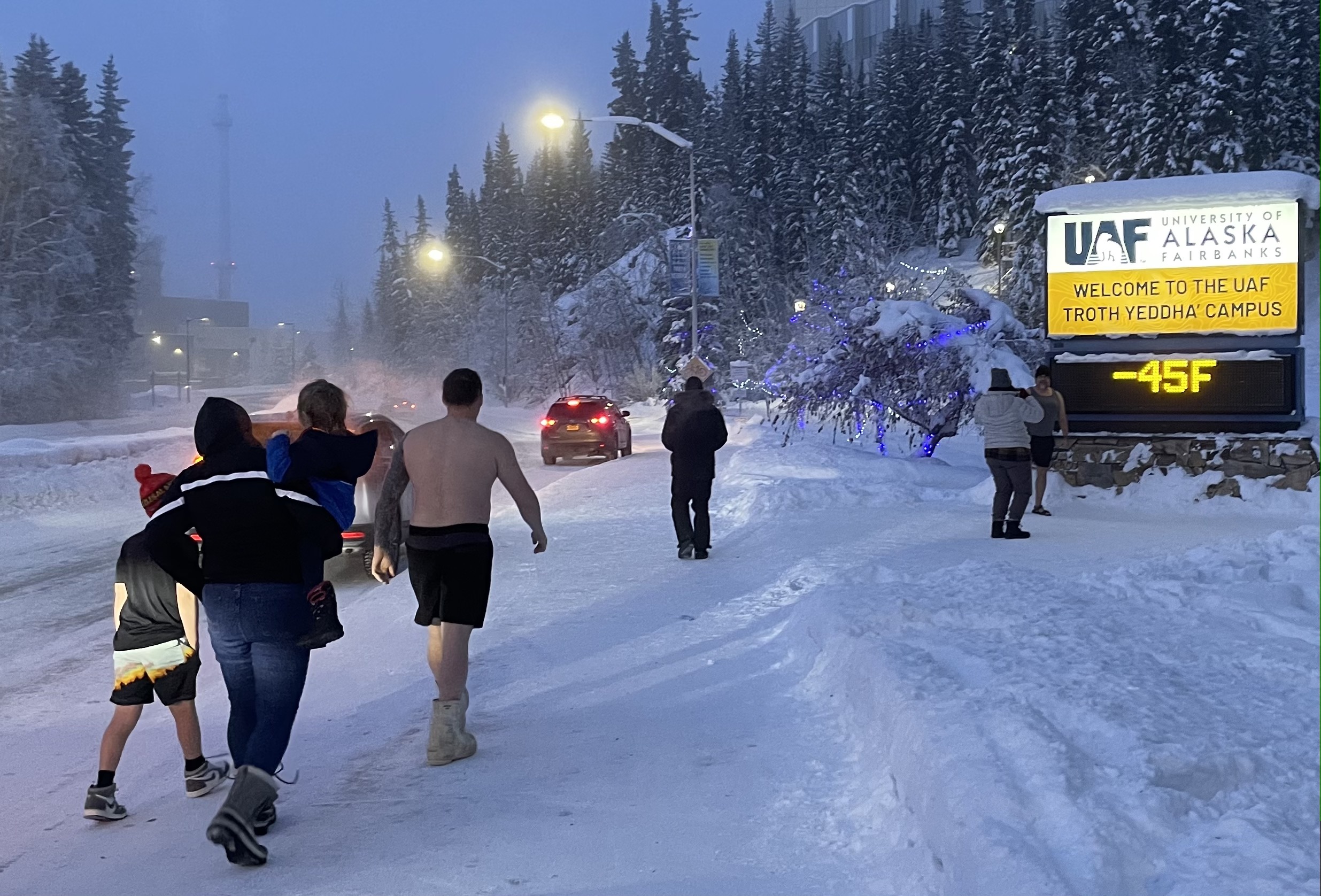
Alaska’s winter ushers in a period of profound cold and transformative beauty. Interior Alaska sees the most extreme temperatures, often between -10°F and -30°F (-23°C to -34°C), with coastal regions being slightly milder but still cold. This is the prime time for Northern Lights viewing, especially in Fairbanks and further north. Other popular winter activities include dog sledding (experiencing the legendary Iditarod spirit), snowshoeing, cross-country skiing, and even downhill skiing at places like Alyeska Resort.
Traveler’s Insight: Despite the cold, winter offers a magical and less crowded Alaskan experience. Hotels often feature cozy amenities like fireplaces, hot tubs, and warming centers. Some accommodations specialize in aurora viewing, offering wake-up calls when the lights appear. Family trips around the holidays can be especially memorable, with festive events and pristine snowscapes.
Shoulder Seasons (Spring & Fall): Unveiling Alaska’s Transitions
The shoulder seasons—spring (April-May) and fall (September-October)—offer a unique blend of experiences and generally fewer crowds, often at a more budget-friendly travel price point. Temperatures during these periods are highly variable. Spring sees a gradual thaw, with temperatures ranging from 30°F to 50°F (-1°C to 10°C), while fall brings crisp air and stunning autumn foliage, with similar temperature ranges that drop quickly as winter approaches.
Traveler’s Insight: These transitional months are ideal for visitors seeking solitude and specific experiences. Spring is perfect for observing wildlife emerging from hibernation, while fall is famous for its breathtaking golden landscapes, especially across the vast expanse of the Tongass National Forest and Chugach National Forest. Many tours and hotels offer discounted rates, providing excellent deals on hotels and tours for the savvy traveler. Keep an eye on regional conditions, as some roads and attractions might still be opening or closing for the season.
Practical Planning: How Temperature Shapes Your Alaskan Journey
Understanding Alaska’s temperatures is the first step; preparing for them is the crucial next. Your packing list, choice of accommodation, and daily itinerary should all be thoughtfully tailored to the expected conditions.
Dressing for Success: Layering for Alaska’s Forecasts
Regardless of the season, the golden rule for dressing in Alaska is layering. Temperatures can fluctuate significantly even within a single day, and weather can change rapidly.
- Base Layer: Moisture-wicking materials like merino wool or synthetics are essential to keep sweat away from your skin.
- Mid-Layer: Fleece or down provides insulation. Multiple thinner layers are better than one thick one, allowing for easy adjustment.
- Outer Layer: A waterproof and windproof jacket and pants are crucial to protect against rain, snow, and strong winds. Even in summer, coastal rain showers are common.
- Accessories: Warm hats (especially for winter), gloves or mittens, and good quality waterproof footwear (hiking boots for summer, insulated boots for winter) are non-negotiable. Don’t forget sunglasses to protect against sun glare, especially off snow or water.
Choosing Your Stay: Accommodations Designed for Alaskan Climates
Alaskan hotels, lodges, and cabins are built to withstand and protect against the elements. When booking accommodation, consider the specific features that will enhance your comfort based on the season:
- Winter: Look for places with robust heating systems, perhaps even radiant floor heating, and amenities like indoor hot tubs or saunas to warm up after a day in the cold. Many Fairbanks hotels offer aurora viewing decks.
- Summer: While air conditioning might not be common in all establishments due to generally mild temperatures, it can be a welcome relief in warmer interior regions. Seek out lodges with balconies or cabins with patios to enjoy the long daylight hours and scenic views.
- All Seasons: Properties located near Alaska Railroad stops offer convenient transportation options regardless of weather. Always read reviews regarding heating/cooling and noise levels, especially during the busy summer or the dark, quiet winter.
Activity Planning: Temperature-Dependent Adventures
Many of Alaska’s signature activities are inherently tied to its seasonal temperatures.
- Summer: Optimal for kayaking among icebergs, bear viewing tours, bush plane flights over glaciers, and exploring national parks like Denali on foot.
- Winter: This is when the landscape transforms into a playground for snowmobiling, ice climbing, and soaking in natural hot springs under the aurora.
- Shoulder Seasons: These are excellent for photography (especially fall foliage), and quieter wildlife safaris. Check ahead for operating hours of specific tours and attractions, as some might have limited availability outside peak summer.
Real-Time Resources: Pinpointing Alaska’s Current Temperatures
Given Alaska’s vastness and variable climate, relying on a single temperature forecast for the entire state is impractical. For the most accurate and up-to-date information, consult multiple sources:
- National Weather Service (NWS) Alaska: The official source for weather forecasts, warnings, and current conditions across various Alaskan cities and regions.
- Weather Apps & Websites: Reputable apps like AccuWeather, The Weather Channel, or local news apps provide localized forecasts. Ensure you search for specific cities (Anchorage, Fairbanks, Juneau, etc.), not just “Alaska.”
- Local Tourism Boards: Many city or regional tourism websites (Visit Anchorage, Explore Fairbanks) offer current weather data relevant to their area, often alongside live webcams.
Always check the forecast just before your trip, and then regularly throughout your journey, as conditions can change rapidly. Local guides and hotel staff are also invaluable resources for current conditions and expert advice.
In conclusion, the temperature in Alaska right now is not a singular reading but a symphony of microclimates, seasonal shifts, and geographical influences. It’s a land where one can experience multiple seasons in a single trip, or even a single day. Embracing this variability and planning meticulously for it is key to unlocking an unforgettable Alaskan adventure. Whether you chase the summer sun or the winter aurora, armed with the right knowledge and preparation, Alaska promises a journey beyond expectation.
LifeOutOfTheBox is a participant in the Amazon Services LLC Associates Program, an affiliate advertising program designed to provide a means for sites to earn advertising fees by advertising and linking to Amazon.com. Amazon, the Amazon logo, AmazonSupply, and the AmazonSupply logo are trademarks of Amazon.com, Inc. or its affiliates. As an Amazon Associate we earn affiliate commissions from qualifying purchases.