
For any traveler planning a journey, understanding local time is far more than a mere curiosity; it’s a fundamental aspect of successful trip planning, from coordinating flights and tours to simply knowing when to wake up for breakfast. When you’re heading to a destination as unique and remote as Skagway, Alaska, the intricacies of its time zone become especially relevant. This charming port town, steeped in Klondike Gold Rush history, operates on a schedule that can impact every facet of your visit, from early morning cruise ship arrivals to late-night northern lights viewing. Let’s delve into what time it is in Skagway and how this vital piece of information can shape your Alaskan adventure.

Understanding Skagway’s Time Zone: Alaska Daylight Time (AKDT)
Skagway, like most of Alaska, observes Alaska Daylight Time (AKDT) during the warmer months and Alaska Standard Time (AKST) for the remainder of the year. This distinction is crucial for travelers, particularly those arriving by cruise ship or planning overland excursions.
The Basics: UTC Offset and Seasonal Changes
During daylight saving time, which typically runs from mid-March to early November, Skagway operates on Alaska Daylight Time (AKDT), which is UTC-8. This means it is eight hours behind Universal Coordinated Time (UTC). For context, this puts Skagway four hours behind Eastern Daylight Time (EDT) and one hour behind Pacific Daylight Time (PDT) observed in much of the western United States.
When daylight saving ends, Skagway reverts to Alaska Standard Time (AKST), which is UTC-9. This shift means clocks are moved back one hour, maintaining the nine-hour difference from UTC. Most visitors arrive in Skagway during the peak cruise season, which aligns with AKDT, simplifying planning for the majority of tourists.
It’s also worth noting the unique situation with its neighbor, the Yukon Territory in Canada. While much of British Columbia observes Pacific Time, the Yukon now generally observes a permanent Mountain Standard Time year-round, which means at times it can be the same time as Skagway and at others an hour ahead. This border time difference is particularly important for those embarking on cross-border excursions, such as the scenic journey on the White Pass and Yukon Route Railroad to Carcross or Whitehorse. Always confirm the local time as you cross borders or plan activities that span different regions.
Why Time Matters for Travelers
For visitors to Skagway, understanding the local time is paramount for several reasons:
- Cruise Ship Schedules: Most travelers arrive in Skagway via cruise ships. These ships often operate on their own “ship time,” which might not always align with the local port time. It’s vital to know whether your ship is synchronizing with Skagway’s time or maintaining its original departure port’s time. This affects shore excursion timings, meal schedules on board, and most critically, your “all aboard” time. Missing your ship is a scenario no one wants to experience!
- Excursion Planning: Whether you’re hiking the historic Chilkoot Trail, exploring the Klondike Gold Rush National Historical Park, or taking a dog sledding tour, all tours and attractions operate on local Skagway time. Double-checking your booking times against the local clock prevents missed opportunities.
- Connectivity and Communication: When communicating with friends and family back home, knowing the time difference is key. For business travelers, syncing with colleagues in different time zones requires careful planning.
- Daily Rhythms and Business Hours: Shops, restaurants, and other local businesses in Skagway open and close according to local time. This is especially true in a seasonal town like Skagway, where business hours can be fluid and tailored to cruise ship arrivals and departures.
Skagway Through the Clock: Daily Rhythms and Tourist Experiences
Skagway’s daily life, especially during the bustling summer cruise season, is dictated by the constant flow of visitors. The town’s rhythm ebbs and flows with the arrival and departure of massive cruise liners, making local time an essential component of planning a visit.
Early Mornings and Cruise Ship Arrivals
The early hours in Skagway often begin before many travelers are even out of bed. Cruise ships typically dock between 6:00 AM and 7:00 AM local time. This means that by 7:30 AM or 8:00 AM, the docks are bustling with passengers disembarking and tour operators setting up. If you’re an early riser, this is an excellent time to experience the quiet charm of Broadway Street before the main crowds arrive, perhaps grabbing a coffee from a local cafe. Local businesses, especially those catering to early excursions, often open their doors shortly after the first ships arrive. For instance, the White Pass and Yukon Route Railroad will have early departures to accommodate different cruise schedules, making it crucial to be on local time.
Day Activities: Exploring Historic Sites and Natural Wonders
The bulk of the day, from roughly 9:00 AM to 5:00 PM, is when Skagway truly comes alive. This is the prime time for exploring the town’s many attractions. The Klondike Gold Rush National Historical Park ranger programs, museums like the Skagway Museum, and the historic buildings along Broadway Street are all open and ready to welcome visitors. Guided tours, such as those to the former gold rush town of Dyea or the scenic Jewell Gardens, will have scheduled departure times that must be adhered to according to Alaska Daylight Time (AKDT).
Lunchtime, typically between noon and 2:00 PM, sees local eateries fill up quickly. Many establishments offer special menus to accommodate the rapid turnover of cruise passengers. For travelers staying overnight in Skagway at accommodations like the Golden North Hotel or Skagway Inn, the daytime provides a more relaxed pace to delve deeper into the local culture and history without the pressure of a ship’s departure.
Evenings in Skagway: Dining and Relaxation
As the afternoon progresses, most cruise ships prepare for departure, typically between 4:00 PM and 8:00 PM. This is when Skagway begins to transition. For those staying overnight, the evenings offer a quieter, more intimate experience of the town. Restaurants, while still open, become less crowded. This is an ideal time to savor a leisurely meal featuring local Alaskan seafood or enjoy a drink at a historic saloon without the daytime hustle.
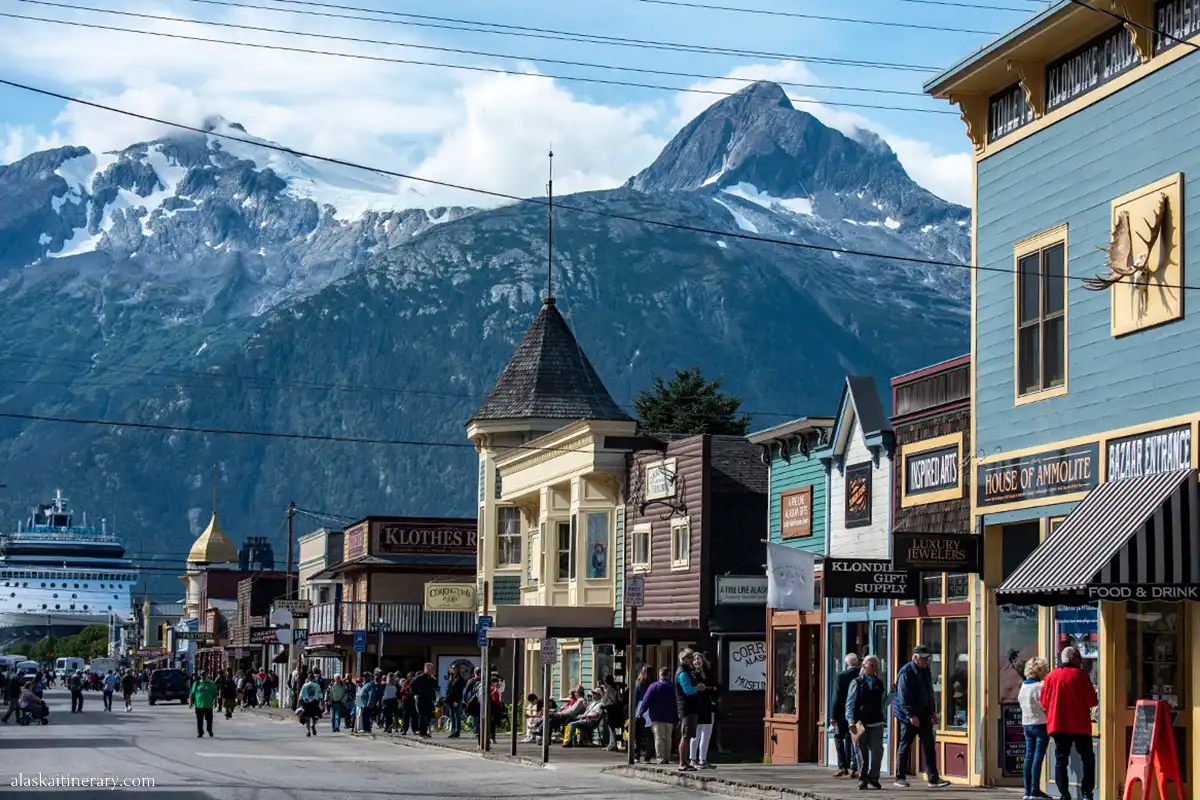
Due to Skagway’s northern latitude, summer evenings are incredibly long, with daylight extending well past 9:00 PM or even 10:00 PM in June and July. This “endless daylight” provides ample opportunity for evening strolls, photography, or simply enjoying the tranquil beauty of the Alaskan landscape. Winter, conversely, brings dramatically shorter days and longer nights, a different kind of beauty for those who venture here outside the main tourist season.
Planning Your Skagway Adventure Around the Clock
Effective planning is key to a memorable Skagway trip. Integrating the local time and its implications into your itinerary ensures you make the most of your visit, whether you’re there for a few hours or several days.
Maximizing Daylight: Summer’s Endless Hours
One of the most remarkable aspects of visiting Skagway during the summer is the abundance of daylight. With the sun rising very early (often before 4:00 AM) and setting very late, you literally have more hours in the day to explore. This can be a boon for energetic travelers who wish to pack in multiple activities or undertake longer excursions like a challenging hike on the lower sections of the Chilkoot Trail near Dyea. However, it can also disrupt sleep patterns for those unaccustomed to such prolonged daylight. Consider bringing an eye mask if you’re sensitive to light.
The extended daylight also allows for flexibility in scheduling. You can enjoy a morning excursion, return to your ship or hotel for lunch, and then head out for another activity in the “late afternoon,” which still feels like midday. Attractions like Jewell Gardens or a ride on the White Pass and Yukon Route Railroad can be enjoyed with ample light well into what would be considered evening elsewhere.
Seasonal Considerations: When to Visit
While the focus on time zones primarily affects the bustling summer season, understanding Skagway’s annual rhythm is essential for any long-term travel or lifestyle planning.
- Summer (May-September): This is peak tourist season, aligning with Alaska Daylight Time (AKDT). Cruise ships are abundant, and all tours, shops, and restaurants are fully operational. The long daylight hours are ideal for sightseeing and outdoor activities. Accommodation options range from cozy B&Bs to historic hotels like the Klondike Hotel.
- Shoulder Seasons (April & October): These months can offer a quieter experience. Some businesses might be ramping up or winding down, and the weather is cooler. You might encounter the transition between AKDT and AKST in October.
- Winter (November-March): Skagway becomes a very different place in winter, with few tourists and many businesses closed. Days are short, and the town operates on Alaska Standard Time (AKST). This period is more suited for residents or adventurous travelers seeking a true Alaskan winter experience, potentially involving snow sports or northern lights viewing (though Skagway’s coastal location makes aurora viewing less consistent than inland Alaska cities like Fairbanks).
Accommodation and Dining: Booking in Advance
Given Skagway’s seasonal nature and relatively small size, securing your accommodations and planning your dining experiences well in advance is always a wise decision, especially during peak season. Whether you’re staying at a historic inn like the Skagway Inn or looking for a more modern stay, early booking ensures you get your preferred choice. Many local restaurants, while not requiring reservations during the day, may benefit from them for evening dining, particularly if you’re traveling with a larger group. Understanding their operating hours, which are always on local time, is crucial to avoiding disappointment.
Beyond the Time Zone: A Deeper Look at Skagway’s Allure
While understanding the clock is practical, it’s the rich tapestry of history, natural beauty, and local charm that truly defines Skagway.
Historical Significance and the Gold Rush Era
Skagway’s identity is inseparable from the Klondike Gold Rush of 1898. The town served as the primary gateway for tens of thousands of stampeders heading north to the goldfields of the Yukon. This legacy is preserved vividly in the Klondike Gold Rush National Historical Park, which includes much of Skagway’s historic downtown. Buildings like the Arctic Brotherhood Hall and the Lynch & Kennedy Building transport visitors back to this frenetic era. The sheer volume of history packed into such a compact area makes Skagway a living museum, and understanding the local time allows you to immerse yourself fully in its past without feeling rushed.
Natural Beauty and Outdoor Activities
Beyond its historical allure, Skagway is surrounded by breathtaking Alaskan wilderness. The majestic mountains, dense forests, and pristine waters offer a playground for outdoor enthusiasts. Hiking trails, scenic drives like the Klondike Highway into the Yukon, and opportunities for wildlife viewing are abundant. Kayaking in the Taiya Inlet or taking a flightseeing tour over glaciers are popular ways to experience the rugged beauty. These activities require not just a good sense of time but also an appreciation for the vastness and wildness of Alaska, where weather can change quickly and itineraries need flexibility.

Local Charm and Community
Despite the influx of tourists, Skagway maintains a distinct small-town charm. The local community, while reliant on tourism, retains a strong sense of identity and hospitality. Engaging with local shop owners, guides, and residents can enrich your experience significantly. Visiting a local brewery or distillery, attending a ranger talk, or simply striking up a conversation can offer insights into life in this unique Alaskan outpost, far removed from the hustle and bustle of major cities like Anchorage or Juneau.
In conclusion, knowing what time it is in Skagway, Alaska, is the first step in unlocking a seamless and enriching travel experience. By understanding its Alaska Daylight Time (AKDT) (or AKST outside of summer), accounting for cruise ship schedules, and planning your activities accordingly, you can fully embrace all that this historic and picturesque town has to offer, from its gold rush past to its stunning natural present.
LifeOutOfTheBox is a participant in the Amazon Services LLC Associates Program, an affiliate advertising program designed to provide a means for sites to earn advertising fees by advertising and linking to Amazon.com. Amazon, the Amazon logo, AmazonSupply, and the AmazonSupply logo are trademarks of Amazon.com, Inc. or its affiliates. As an Amazon Associate we earn affiliate commissions from qualifying purchases.