
Deciding the best time to visit Alaska is akin to choosing your favorite flavor of ice cream – it profoundly depends on your personal taste, what you hope to experience, and the kind of adventure you envision. The Last Frontier is a land of unparalleled natural beauty, offering diverse landscapes from towering mountains and vast tundra to pristine coastlines and dense forests. Whether you dream of spotting majestic wildlife, witnessing the ethereal dance of the Northern Lights, or embarking on epic outdoor excursions, Alaska presents a different, yet equally captivating, persona with each changing season. Understanding these seasonal nuances is key to planning an unforgettable trip, aligning your travel aspirations with the optimal time to make them a reality. This guide will help you navigate the unique charms and practical considerations of visiting Alaska throughout the year, ensuring your journey is perfectly tailored to your ideal travel style, from luxurious getaways to budget-friendly explorations and memorable family trips.
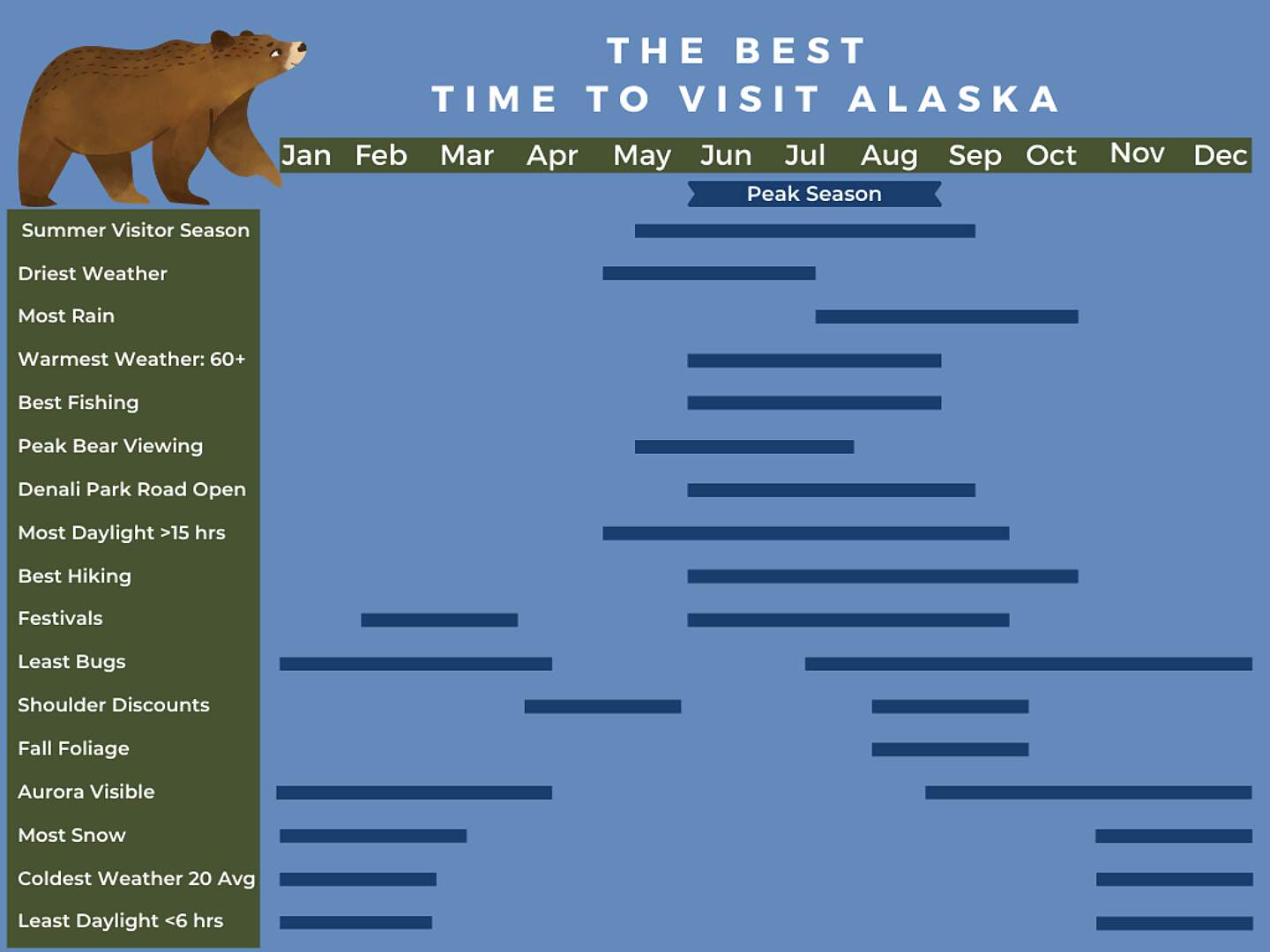
Summer: Alaska’s Peak Season (June, July, August)
Summer in Alaska is undeniably the most popular time to visit, and for good reason. From late May through early September, the state transforms into a vibrant playground bathed in seemingly endless daylight, often referred to as the “Land of the Midnight Sun.” This is when Alaska truly comes alive, offering the widest array of activities and the most reliable access to its iconic destinations.
Why Summer Shines
The extended daylight hours, stretching up to 19-20 hours around the summer solstice in places like Anchorage and Fairbanks, provide ample time for exploration. This season is prime for wildlife viewing, offering unparalleled opportunities to witness brown bears fishing for salmon, humpback whales breaching in the fjords, and puffins nesting along rocky coasts. Iconic national parks such as Denali National Park and Kenai Fjords National Park are fully accessible, inviting visitors to hike pristine trails, take scenic bus tours deep into the wilderness, or embark on glacier cruises.
Cruising is another major draw of the Alaskan summer. The Inside Passage route, typically running from May to September, takes travelers through a network of dramatic fjords, islands, and coastal towns like Juneau, Skagway, and Ketchikan. These cruises offer a comfortable way to see glaciers calve, spot marine wildlife, and experience the charm of remote Alaskan communities. Beyond cruising, summer is ideal for active adventures such as kayaking, rafting, deep-sea fishing, fly fishing, and exploring vast natural areas like the Chugach National Forest. The mild temperatures, typically ranging from 50-70°F (10-21°C), make outdoor activities comfortable and enjoyable for visitors of all ages, making it an excellent choice for family trips.
Summer Considerations
While summer offers an abundance of opportunities, it also comes with its challenges. As the peak season, Alaska experiences significantly higher tourist volumes. This means popular attractions can be crowded, and prices for flights, accommodation, and tours are at their highest. Securing reservations for everything from flights and hotels (whether you prefer luxury resorts or cozy apartments) to specific excursions requires booking far in advance, sometimes a year or more for prime dates. Many hotels, especially those in popular destinations like Denali or Seward, fill up quickly. Despite the higher costs, the sheer breadth of experiences available makes summer an undeniable magnet for travelers seeking the quintessential Alaskan adventure. For those focused on a comprehensive travel experience covering diverse attractions and activities, a summer visit is often the most rewarding choice, despite the need for careful planning and a potentially larger budget.
Spring & Fall: The Shoulder Seasons (April-May, September-October)
For travelers seeking a balance between accessibility, fewer crowds, and potentially lower costs, Alaska’s shoulder seasons—spring (April-May) and fall (September-October)—offer a unique charm. These transitional periods present a different facet of Alaska’s beauty, appealing to those who appreciate a quieter, more intimate encounter with nature and local culture.
The Allure of Spring
As winter’s icy grip begins to loosen in April and May, Alaska slowly reawakens. Melting snow unveils lush landscapes, and wildlife, emerging from hibernation, becomes increasingly active. This is an exciting time to witness moose calves alongside their mothers or bears venturing out. The earlier parts of spring still offer a chance to see the Northern Lights (Aurora Borealis) as the nights remain long enough, particularly in April, before the extended daylight hours completely take over.
One of the most significant advantages of spring travel is the noticeable reduction in crowds. This translates to a more relaxed pace at popular landmarks and attractions, easier booking for accommodation (from suites to villas), and often lower prices on flights, hotels, and some tour packages. For budget travelers or those preferring a more serene experience, spring offers excellent value. While some smaller tours might still be ramping up operations, major roads and attractions begin to open, providing good access to key destinations without the summer rush.
The Beauty of Fall
September and October in Alaska are characterized by a spectacular display of fall foliage. The tundra explodes in fiery reds, oranges, and yellows, creating breathtaking backdrops for hiking and photography. This period also coincides with the crucial salmon run, attracting not only anglers but also a concentration of bears eager to fatten up for winter, offering prime wildlife viewing opportunities in places like Katmai National Park and Preserve.
Similar to spring, fall brings fewer crowds than summer, allowing for a more authentic interaction with the local culture and fewer queues at popular spots. The cooler, crisp temperatures are perfect for outdoor activities, and the increasingly longer nights set the stage for phenomenal Northern Lights viewing. Fairbanks, in particular, becomes a magnet for aurora chasers during this time. Many accommodations offer attractive rates, making it an ideal time for a more affordable yet rich travel experience.
Shoulder Season Trade-offs
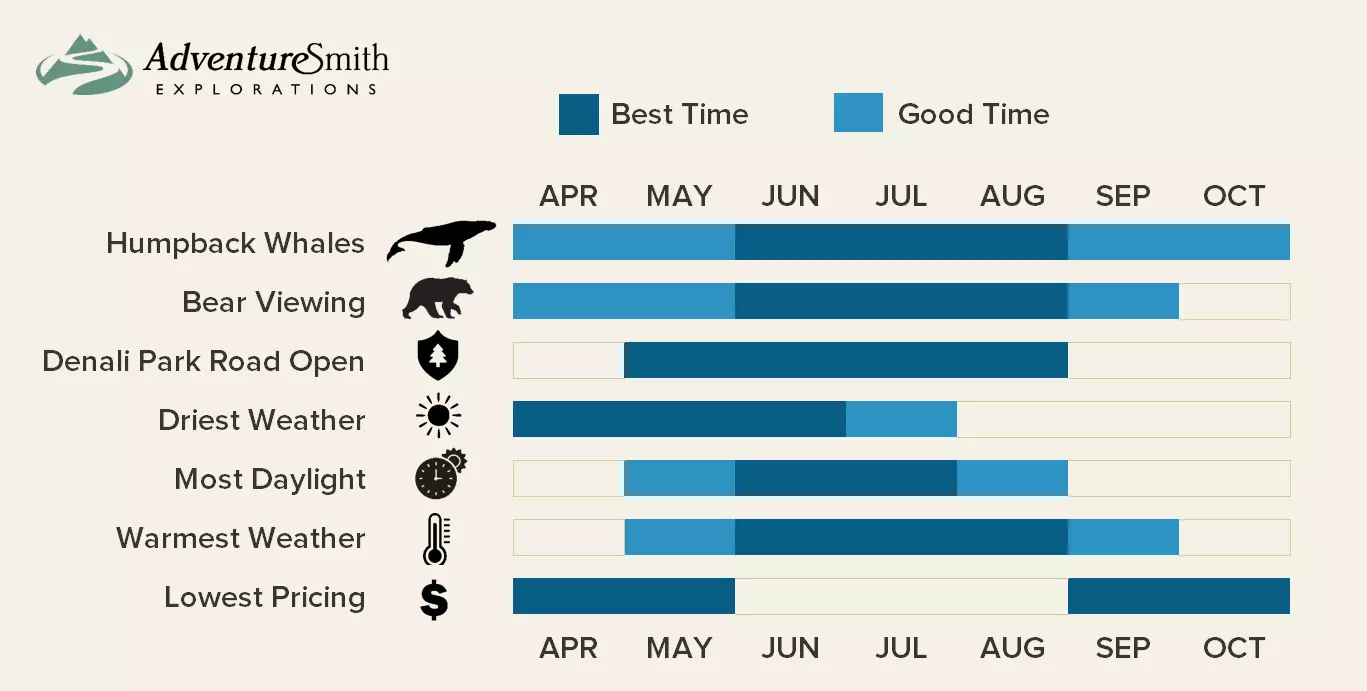
While offering significant benefits, the shoulder seasons do come with some trade-offs. Weather can be unpredictable, with chances of rain or early snow, particularly in the fall. Some smaller tours, remote lodges, and certain attractions may begin to reduce hours or close entirely by late September or early October. For example, some parts of Denali National Park may become inaccessible towards the end of the fall season. It’s crucial to check opening and closing dates for specific destinations and activities when planning a shoulder season trip. However, for those willing to embrace a little unpredictability for the sake of solitude, natural beauty, and cost savings, spring and fall present compelling arguments for an Alaskan adventure.
Winter: A Wonderland of Ice and Lights (November-March)
Visiting Alaska in winter is an experience unlike any other, transforming the landscape into a pristine, snow-covered wonderland. While it demands a certain adventurous spirit to brave the cold and shorter daylight hours, the rewards are truly extraordinary, particularly for those captivated by the celestial magic of the aurora borealis.
Embracing the Alaskan Winter
The undisputed star of the Alaskan winter (from late September to April, but peaking November to March) is the Northern Lights. Fairbanks, situated beneath the “Auroral Oval,” is considered one of the best places on Earth to witness this mesmerizing phenomenon. Resorts like Chena Hot Springs offer unique viewing opportunities combined with relaxing geothermal pools. Beyond the aurora, winter provides a unique set of activities that capitalize on the snow and ice. Dog sledding, from short tours to multi-day expeditions, offers an authentic taste of Alaskan tradition and a thrilling way to explore the wilderness. Skiing and snowboarding are popular at resorts like Alyeska Resort in Girdwood, while ice fishing, snowmobiling, and snowshoeing provide diverse ways to engage with the snowy landscape.
Winter travel offers a profoundly different perspective on Alaska. The crowds thin out dramatically, allowing for quiet reflection and a deeper appreciation for the state’s rugged beauty. Many locals embrace the season with unique festivals and cultural events, providing insights into local culture and lifestyle not always visible during peak tourist times. For travelers seeking unique experiences and stunning photographic opportunities, the solitude and pristine beauty of an Alaskan winter are unparalleled.
Winter Challenges & Rewards
The primary challenge of an Alaskan winter is the extreme cold, with temperatures frequently dipping well below freezing. Proper layering and appropriate gear are essential for comfort and safety. Shorter daylight hours also mean less time for daytime sightseeing, though this is precisely what enables the breathtaking aurora displays. Some remote areas become less accessible, and certain roads or attractions may close for the season. Transportation can be more challenging, though major cities like Anchorage and Fairbanks remain well-connected by air.
However, the rewards often outweigh these challenges. Fewer tourists mean a more intimate experience and often lower accommodation costs (outside of aurora-focused packages). Many hotels and lodges offer special winter rates, and the entire atmosphere is one of quiet serenity. Winter photography, especially of snow-capped peaks and the aurora, can be incredibly rewarding. For those who dream of a truly unique and breathtaking escape, an Alaskan winter is a magical journey into a land transformed by ice and light. It’s an ideal choice for adventurous couples, photographers, and anyone seeking an experience that is far from the conventional.
Tailoring Your Alaskan Adventure: Interests & Logistics
Ultimately, the “best” time to visit Alaska is entirely subjective, dependent on what you wish to see and do, your budget, and your tolerance for certain conditions. A truly well-planned trip considers these personal priorities and logistical factors.
What’s Your Priority?
- Wildlife Viewing: For the widest variety of animals, especially bears and marine life like whales and puffins, summer is unparalleled. Late spring and early fall can also be excellent for specific migrations, such as caribou. For bears fishing during the salmon run, late summer/early fall is prime.
- Northern Lights: If seeing the aurora borealis is your top priority, target late fall, winter, or early spring (September to April). Destinations like Fairbanks and Chena Hot Springs are strategically located within the auroral oval for optimal viewing.
- Cruising: The vast majority of Alaskan cruises operate exclusively in summer (May-September), offering a comfortable way to explore the coastal wonders of the Inside Passage and Glacier Bay National Park and Preserve.
- Hiking & Outdoor Activities: Summer provides the most favorable weather and accessible trails for extensive hiking, kayaking, fishing, and mountaineering. The shoulder seasons offer a quieter experience for dedicated outdoor enthusiasts, though with potentially cooler temperatures.
- Budget Travel: The shoulder seasons (April-May, September-October) and winter generally offer lower prices on accommodation, flights, and tours, making an Alaskan trip more accessible for budget-conscious travelers.
- Family Trips: Summer is typically the best time for family travel, with a full range of kid-friendly activities, milder weather, and longer daylight hours to maximize fun and minimize travel fatigue.
- Luxury Travel: Alaska offers luxury experiences year-round, from exclusive wilderness lodges accessible by floatplane in summer to high-end resorts with aurora viewing packages in winter. The “best” time depends on the specific luxury experience you seek.
Accommodation & Booking
Regardless of when you choose to visit, early booking is paramount, especially for popular periods like summer and aurora season in Fairbanks. Alaska offers a diverse range of accommodation options, from luxury hotels and boutique resorts in major cities like Anchorage and Juneau to cozy cabins, vacation rentals, and rustic lodges deep in the wilderness. When considering your stay, think about amenities that suit the season – air conditioning might be nice in a warm summer, while a roaring fireplace and heated rooms are essential for a comfortable winter experience. Reviews and comparisons on booking sites can help you find the perfect fit for your lifestyle and travel needs. For those looking for an extended stay or a home-away-from-home, apartments and villas can be an excellent option, particularly in larger towns.
Transportation & Accessibility
Your chosen season will significantly impact transportation logistics. During summer, major roads are open, and the Alaska Railroad operates its full schedule, offering scenic routes. Rental cars are readily available, though booking in advance is crucial. Cruises are a primary mode of transport for many summer visitors to the coastal regions. In winter, some roads may close, and access to remote areas becomes limited, often requiring specialized tours or snowmobiles. Flying between cities is generally reliable year-round, but weather delays are more common in winter. Always check road conditions and ferry schedules if you plan to self-drive or use local transport, particularly during the shoulder and winter months.
In conclusion, Alaska is a land of incredible diversity, and each season offers a unique and compelling reason to visit. Whether you’re drawn by the endless daylight and vibrant wildlife of summer, the serene beauty and fiery foliage of fall, the reawakening of nature in spring, or the magical aurora displays of winter, thoughtful planning will unlock the adventure of a lifetime. By aligning your specific interests with the characteristics of each season and considering logistical elements like accommodation and transportation, you can ensure your trip to the Last Frontier is everything you dreamed it would be, and more.
LifeOutOfTheBox is a participant in the Amazon Services LLC Associates Program, an affiliate advertising program designed to provide a means for sites to earn advertising fees by advertising and linking to Amazon.com. Amazon, the Amazon logo, AmazonSupply, and the AmazonSupply logo are trademarks of Amazon.com, Inc. or its affiliates. As an Amazon Associate we earn affiliate commissions from qualifying purchases.