
Alaska, the United States’ largest and northernmost state, is a land of extremes and unparalleled natural beauty. From vast wildernesses to towering mountain ranges, its allure is undeniable. However, one of the most distinctive aspects of an Alaskan experience, particularly for travelers from lower latitudes, is its unique relationship with daylight. The question “When is it dark in Alaska?” delves into a fascinating realm of geography, astronomy, and profound cultural adaptation. It’s not just a matter of sunrise and sunset; it’s about prolonged periods of either near-total darkness or endless twilight, creating a travel experience unlike any other. Understanding these light cycles is crucial for planning your adventure, choosing the right accommodation, and fully immersing yourself in the local tourism and lifestyle opportunities that flourish under these specific conditions. Whether you seek the mystical dance of the Aurora Borealis or the quiet solitude of a snow-laden landscape, Alaska’s darker months offer a unique perspective on this remarkable destination.
When Twilight Lingers: Decoding Alaska’s Unique Light Cycles
Alaska’s geographical position, particularly its proximity to the Arctic Circle, dictates a dramatic variance in its light cycles throughout the year. Unlike destinations closer to the equator, where day and night lengths remain relatively consistent, Alaska experiences profound shifts. These extreme changes are not merely academic; they fundamentally shape the landscape, wildlife behavior, and human existence, offering distinct tourism experiences for those who venture here. From the bustling cities like Anchorage to remote villages nestled deep in the wilderness, every corner of the state feels the rhythm of the sun’s annual journey.
The Phenomenon of Polar Night
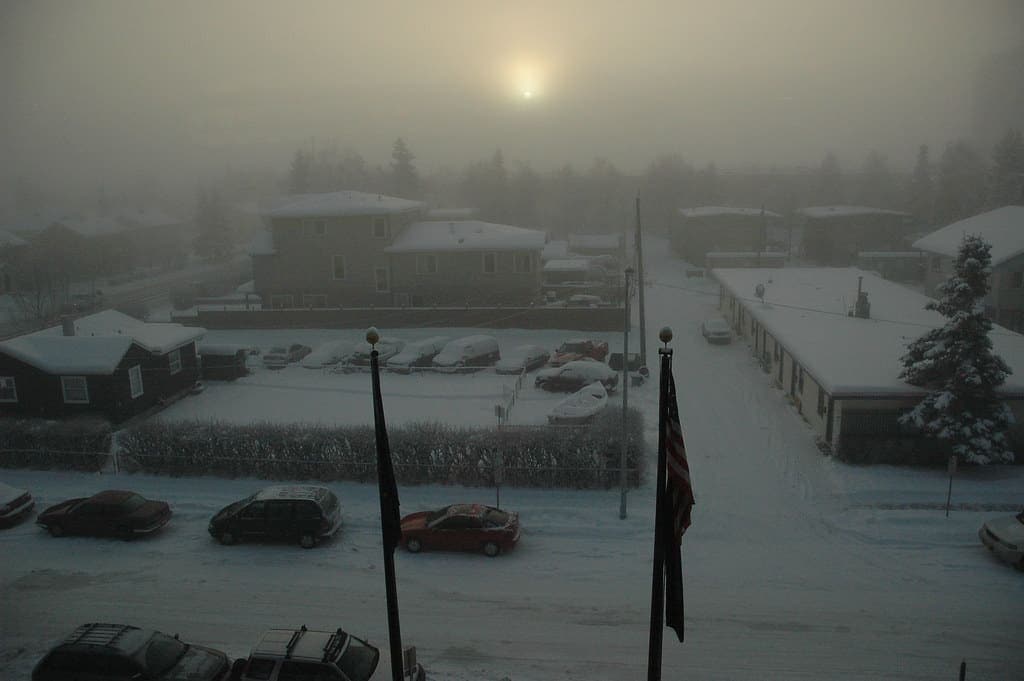
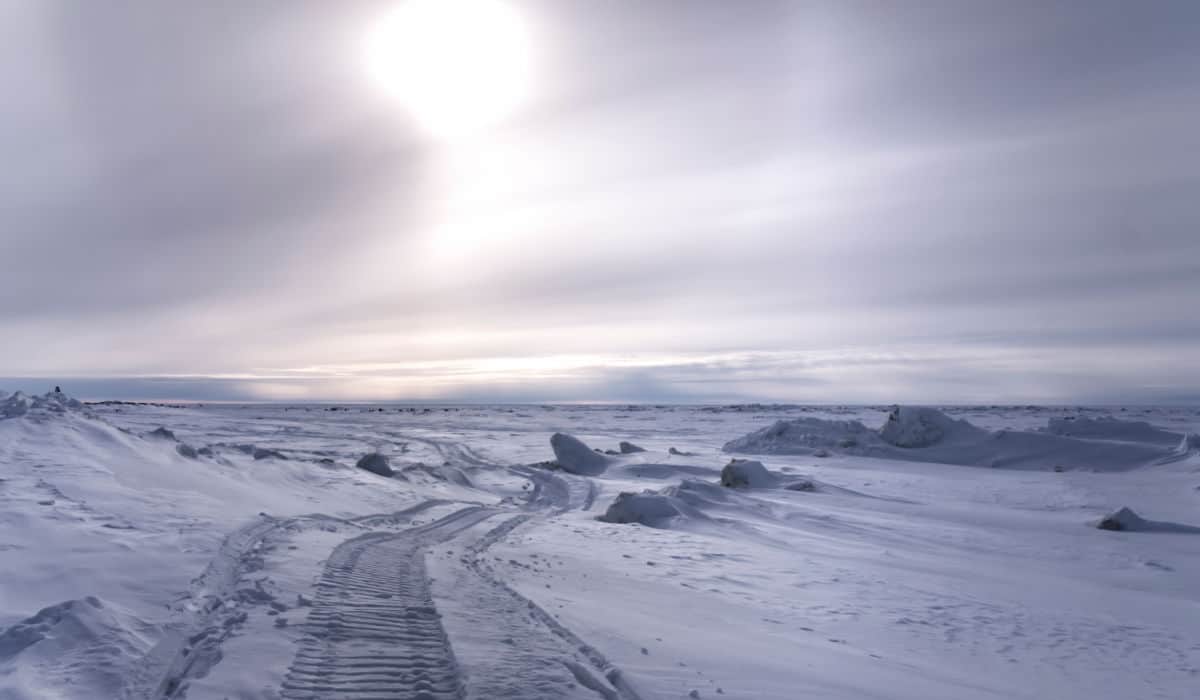
For those asking “When is it dark?”, the most extreme answer lies in the phenomenon of Polar Night. This occurs in regions within the Arctic Circle, where the sun does not rise above the horizon for more than 24 hours. In Alaska, the city of Utqiagvik (formerly Barrow), the northernmost settlement in the United States, experiences Polar Night from mid-November to late January. During this period, the sun technically “sets” on November 18th or 19th and does not reappear until January 22nd or 23rd. This doesn’t mean absolute pitch blackness around the clock; instead, the sky transitions into a prolonged twilight, a soft glow along the southern horizon for a few hours each day, especially around noon. This surreal light, or lack thereof, paints the snow-covered landscape in hues of deep blues and purples, creating an otherworldly atmosphere that draws intrepid travelers seeking truly unique experiences. Even south of the Arctic Circle, cities like Fairbanks experience very short days in December and January, with only 3-4 hours of direct sunlight, bracketed by extensive twilight. This extended period of darkness creates ideal conditions for stargazing and, more famously, for observing the Aurora Borealis.
Navigating Seasonal Extremes: From Endless Day to Profound Dark
While the polar night is the epitome of darkness, its counterpart, the “Midnight Sun,” defines the Alaskan summer. Above the Arctic Circle, the sun remains above the horizon for weeks or even months during summer. In Utqiagvik, the sun never sets from mid-May to early August. Further south, the days are still extraordinarily long. Fairbanks, for instance, enjoys nearly 24 hours of daylight around the summer solstice. This stark contrast between summer’s perpetual light and winter’s profound darkness is what makes Alaska so unique. The shift begins noticeably in September, with days rapidly shortening, culminating in the winter’s low light. By October and November, twilight descends earlier and lingers longer, signaling the arrival of the dark season. For visitors, understanding this progression is key to choosing the optimal time for their Alaskan adventure, whether they crave vibrant summer activities under an endless sky or the quiet magic of winter’s embrace. The dark periods, especially from late September to late March, are when the skies truly come alive for nocturnal displays.
Embracing the Dark: Winter Wonders and the Aurora Borealis
For many, the allure of Alaska’s dark season isn’t about escaping the light, but rather embracing the unique opportunities it presents. The crisp, long nights of winter transform the state into a realm of breathtaking beauty and mystical phenomena. Tourism during these months shifts dramatically, focusing on activities that thrive in the low light and cold, making it a truly specialized travel experience. It’s a time for cozy accommodation, hearty cuisine, and adventures that celebrate the serene power of nature.
Chasing the Northern Lights: Prime Viewing Locations and Times
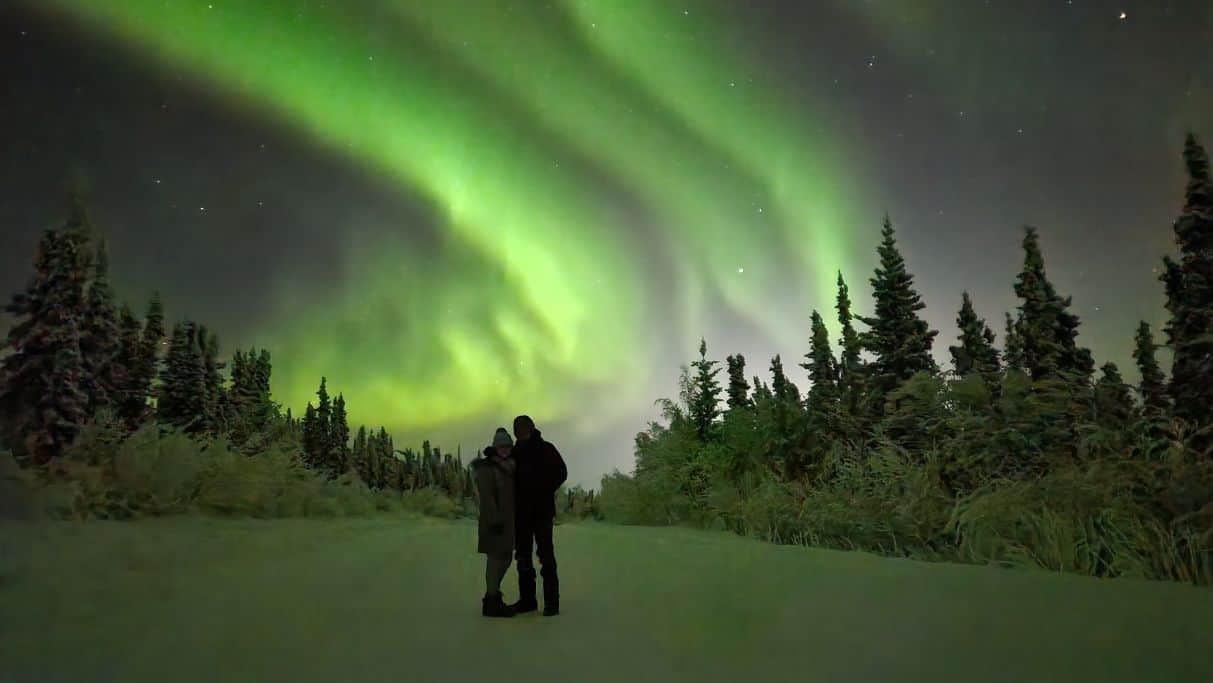
The primary reason many travelers flock to Alaska during its darker months is to witness the Aurora Borealis, commonly known as the Northern Lights. This ethereal display of dancing green, pink, and purple lights is a bucket-list experience. The ideal conditions for viewing include clear, dark skies, minimal light pollution, and strong solar activity. The window for aurora viewing typically spans from late August to late April, with the peak months being December through March due to the longest periods of darkness.
Fairbanks is consistently ranked as one of the best places on Earth to see the Northern Lights. Its location beneath the “aurora oval” and relatively clear winter skies provide exceptional opportunities. Many resorts and hotels in the Fairbanks area, such as the Wedgewood Resort or the famous Chena Hot Springs Resort, offer aurora viewing packages, wake-up calls, and even dedicated “auroriums” for guests. Remote lodges, accessible by small planes or snowmobile, also provide unparalleled dark sky environments for exclusive viewing experiences. While Anchorage and Juneau can sometimes offer glimpses, venturing north or away from city lights significantly increases your chances. Specialized aurora tours often take visitors to remote cabins or elevated viewing points, providing hot beverages and knowledgeable guides who can explain the science and folklore behind this natural wonder.
Winter Activities Beyond the Light: A Unique Alaskan Experience
While the Northern Lights may be the star attraction, Alaska’s dark season is rich with other compelling activities. Winter sports are paramount, taking full advantage of the abundant snow and ice. Dog sledding, often considered the state sport, offers an exhilarating way to traverse the snowy landscapes, guided by a team of enthusiastic huskies. Many operators near Anchorage and Fairbanks offer tours ranging from short recreational rides to multi-day expeditions. Ice fishing is another popular pastime, where travelers can experience the tranquility of drilling through frozen lakes and rivers, often with the comfort of heated huts. Snowmobiling, cross-country skiing, and snowboarding are also widely available, allowing visitors to explore vast expanses of pristine winter wilderness.
Even wildlife viewing takes on a different character in the winter. Animals adapted to the cold, such as moose, caribou, and bison, can be spotted against the white backdrop. The Alaska Wildlife Conservation Center near Girdwood offers opportunities to see these animals year-round, but a winter visit, perhaps against a backdrop of twilight, provides a particularly serene experience. The dark season also brings a sense of introspection and coziness. Many local restaurants emphasize hearty, comforting Alaskan cuisine, perfect for warming up after a day in the cold. It’s a time when local communities gather for indoor events, festivals, and cultural celebrations, offering a glimpse into the resilient and close-knit Alaskan lifestyle.
Planning Your Trip: Accommodation and Travel Tips for Alaska’s Darker Months
A successful trip to Alaska during its darker months requires careful planning, especially regarding accommodation and essential preparations. Given the unique conditions of prolonged darkness and cold, choosing the right place to stay and knowing what to expect can significantly enhance your experience. Travelers will find a range of options, from luxurious resorts offering bespoke aurora viewing experiences to cozy, budget-friendly stays that cater to the adventurous spirit.
Choosing Your Alaskan Base: Hotels, Resorts, and Cozy Stays
Accommodation in Alaska varies widely, but during the dark season, certain amenities become particularly valuable. Hotels and resorts designed for winter tourism often feature cozy common areas with fireplaces, warm indoor pools, and robust heating systems. Blackout curtains are ironically less critical during the polar night but become essential for those light-sensitive travelers staying near cities where artificial light might diminish the pervasive darkness.
In Anchorage, options like the historic Hotel Captain Cook or The Lakefront Anchorage offer comfortable stays with easy access to city amenities and winter activities. For those prioritizing aurora viewing, properties near Fairbanks are ideal. The Chena Hot Springs Resort combines hot springs relaxation with aurora tours, while smaller, more remote lodges provide rustic charm and unparalleled darkness. Boutique hotels and guesthouses offer a more personalized experience, often run by locals who can provide invaluable insights into winter living. For budget travelers or those planning longer stays, serviced apartments or vacation rentals offer self-catering facilities, which can be a boon for preparing warm meals and saving on dining expenses. Always check reviews, particularly regarding heating and sound insulation, to ensure a comfortable stay amidst the winter chill and quiet. Booking in advance is advisable, especially for popular aurora season dates, as unique accommodations tend to fill up quickly.
Essential Packing and Health Considerations for Low-Light Travel
Packing for Alaskan winter travel is paramount. Layers are key: thermal base layers, insulating mid-layers (fleece or down), and a waterproof/windproof outer shell are essential. Don’t forget warm hats that cover your ears, gloves or mittens, and insulated, waterproof boots. Hand warmers and toe warmers are small but mighty additions. Consider a headlamp or small flashlight, not just for navigating in the dark but also for safety on slippery surfaces.
Health considerations also come into play. Some individuals may experience Seasonal Affective Disorder (SAD) due to prolonged periods of low light. Packing a portable light therapy lamp, or ensuring your accommodation offers bright indoor lighting, can be beneficial. Staying hydrated and maintaining a healthy diet are also important. The extreme cold requires careful attention to exposed skin to prevent frostbite. Listen to local advisories and always dress appropriately for outdoor activities. When driving, be aware of potentially hazardous road conditions due to ice and snow, and consider tours that include transportation. Despite the challenges, with proper preparation, the Alaskan dark season offers a profoundly rewarding and safe travel experience.
Beyond the Darkness: Cultural Immersion and Local Lifestyle
The unique light cycles of Alaska have profoundly shaped its culture and lifestyle. The long periods of darkness in winter, followed by the endless daylight of summer, have fostered a resilient, resourceful, and community-focused way of life. For travelers, immersing themselves in this local culture provides a deeper understanding of what it means to live in such a dramatic environment, offering a richness beyond just scenic beauty or adventure sports.
Experiencing Alaskan Culture in the Winter Glow
During the darker months, Alaskan communities often turn inwards, but this doesn’t mean life slows down; rather, it takes on a different pace and focus. Winter festivals are a highlight, celebrating the snow, ice, and camaraderie that define the season. Anchorage’s annual Fur Rendezvous, or “Rondy,” in late February, is a vibrant event featuring dog sled races, snow sculpture competitions, and a traditional fur auction, drawing visitors from across the globe. Similarly, the start of the Iditarod Trail Sled Dog Race in early March transforms Anchorage into a hub of excitement, celebrating the state’s pioneering spirit.
Indigenous cultures, particularly the Inupiat, Yupik, and Athabascan peoples, have centuries of knowledge about adapting to the extreme light cycles. Cultural centers and museums, such as the Alaska Native Heritage Center in Anchorage or the University of Alaska Fairbanks‘ Museum of the North, offer invaluable insights into their traditions, art, and survival techniques. Experiencing traditional storytelling, viewing intricate artwork, and understanding their historical connection to the land provides a powerful dimension to any winter trip. Many restaurants embrace the “dark season” by offering comforting, hearty Alaskan cuisine, featuring local ingredients like wild salmon, reindeer, and foraged berries, often best enjoyed in a cozy, dimly lit setting.
Notable Landmarks and Attractions in the Dark Season
While some outdoor activities might be restricted by extreme cold or limited access, many of Alaska’s landmarks and attractions remain open and offer unique perspectives during the dark season. National parks like Denali National Park and Preserve can be accessed in limited ways during winter, often by cross-country skiing, snowshoeing, or snowmobiling on designated trails, offering solitude and breathtaking snow-covered vistas. Though the iconic peak of Denali may be shrouded in clouds, the silent beauty of the winter landscape is a reward in itself. Further north, the vast and untouched wilderness of the Gates of the Arctic National Park and Preserve embodies the essence of wild Alaska and is accessible to experienced backcountry travelers even in winter.
Cities like Fairbanks offer attractions beyond aurora chasing. The Ice Museum at Chena Hot Springs Resort is a spectacular example of ice architecture, open year-round. Public art installations often incorporate light, bringing a festive glow to the long nights. Even a simple stroll through a city like Juneau, with its historic buildings framed by snow and twinkling lights, feels magical. The darkness transforms familiar places, inviting contemplation and a deeper connection to the environment. It is during these periods of extended twilight and night that the true spirit of Alaska shines brightest, revealing a rugged beauty and a vibrant human culture adapted to life under the world’s most dramatic skies.
LifeOutOfTheBox is a participant in the Amazon Services LLC Associates Program, an affiliate advertising program designed to provide a means for sites to earn advertising fees by advertising and linking to Amazon.com. Amazon, the Amazon logo, AmazonSupply, and the AmazonSupply logo are trademarks of Amazon.com, Inc. or its affiliates. As an Amazon Associate we earn affiliate commissions from qualifying purchases.