
For travelers and residents alike, understanding the intricacies of time zones is crucial, especially in a state as vast and diverse as Texas. Often referred to as the Lone Star State, Texas spans an immense geographical area, leading to a unique situation where it observes not one, but two distinct time zones. This seemingly minor detail can have significant implications for planning your travel itineraries, booking accommodations, attending events, or even just coordinating a simple phone call across different parts of the state. From the bustling metropolises of Houston and Dallas to the remote desert landscapes near El Paso, the time on the clock can shift, dictating the rhythm of daily life and the flow of tourism.
This guide delves into the specifics of Texas’ time zones, offering insights that are indispensable for anyone looking to explore its rich culture, vibrant cities, and breathtaking natural wonders. Whether you’re a first-time visitor eager to experience Texas’ legendary hospitality or a seasoned traveler planning your next adventure, knowing the correct time will ensure your journey is seamless and stress-free. We’ll explore how these time differences impact everything from checking into your chosen hotel suite to catching a scheduled flight, ensuring you make the most of every precious moment in this remarkable corner of the United States.
Navigating Texas Time Zones: Central vs. Mountain
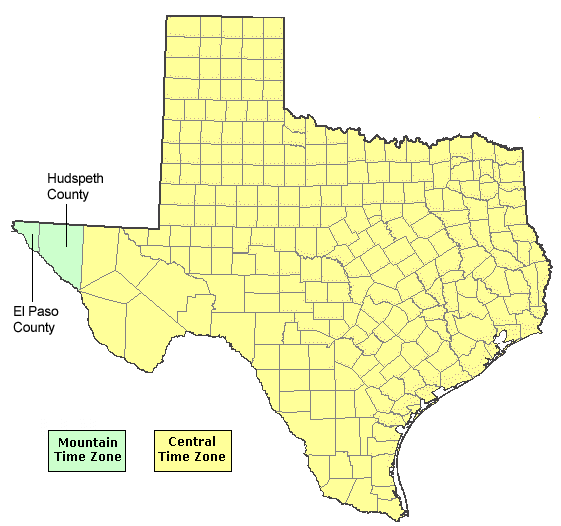
The geographical expanse of Texas necessitates a division into two primary time zones, a characteristic shared by only a handful of other states in the United States. The vast majority of the state operates under one time zone, while a distinct western pocket adheres to another. Understanding this demarcation is the first step toward mastering Texas time.
Central Time Zone (CT): The Heartbeat of Texas
The predominant time zone across Texas is the Central Time Zone (CT), which observes Central Standard Time (CST) during the winter months (UTC-6) and Central Daylight Time (CDT) during Daylight Saving Time (UTC-5). This is the time zone that governs the daily lives and travel plans for visitors to the state’s most iconic destinations and bustling urban centers.
Major cities like Houston, Dallas, Austin, San Antonio, and Fort Worth all fall within the Central Time Zone. This means that whether you’re planning to explore the historic River Walk in San Antonio, visit the Museum of Fine Arts, Houston, attend a live music concert in Austin, or delve into the vibrant Dallas Arts District, your clock will be set to CT. For tourists, this streamlines much of the planning process, as most of Texas’ popular attractions, accommodations, and dining experiences operate on this unified schedule. From booking your flight arrival time at George Bush Intercontinental Airport to making a dinner reservation at a acclaimed restaurant in downtown Dallas, all these activities will be aligned with Central Time Zone. Understanding this prevalent time ensures smooth transitions and punctual arrivals for all your planned experiences, from cultural excursions to business engagements.
Mountain Time Zone (MT): The Far West Frontier
A significant exception to the Central Time Zone rule exists in the far western reaches of Texas. El Paso County and Hudspeth County, which border New Mexico and Mexico, observe the Mountain Time Zone (MT). This means they are one hour behind the rest of the state. So, when it’s 3:00 PM in Austin, it’s 2:00 PM in El Paso.
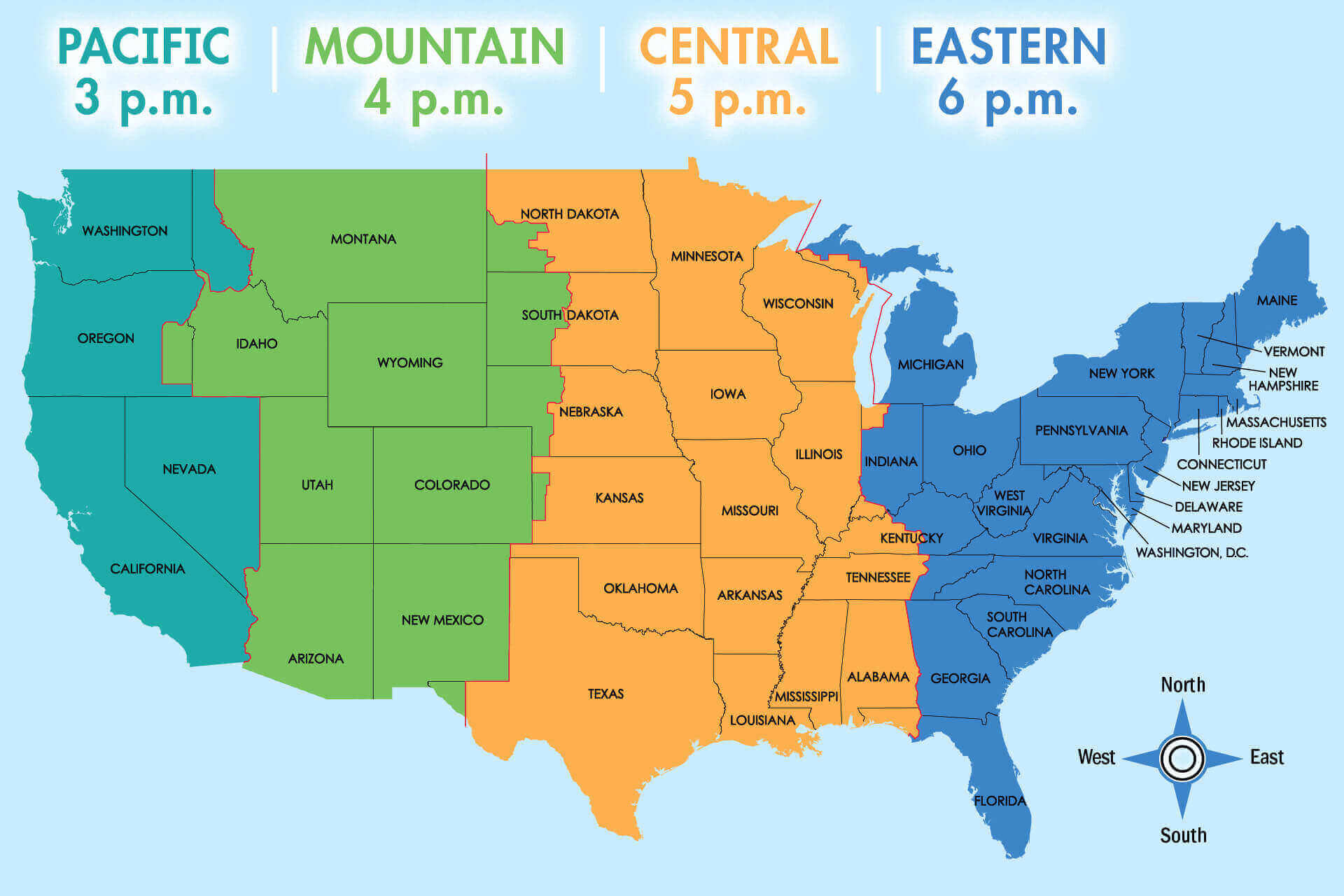
This distinction is particularly important for those traveling to or through El Paso, a unique cultural melting pot situated at the crossroads of three states and two countries. For adventurers heading to the stunning landscapes of Big Bend National Park or Guadalupe Mountains National Park, while these parks themselves are largely within Central Time Zone, any approach or exit through El Paso will require a time adjustment. Moreover, visitors staying in El Paso and planning day trips into New Mexico or Arizona will find themselves in sync with those neighboring states’ time zones, as they too largely observe Mountain Time Zone (though Arizona has its own nuances regarding Daylight Saving Time). For anyone planning a comprehensive Texas road trip that encompasses both the eastern and western parts, remembering this hour difference is key to avoiding missed bookings or tight connections.
Why Time Zones Matter for Your Texas Experience
Understanding Texas’ time zones goes beyond merely setting your watch; it’s a fundamental aspect of successful travel planning and enjoying a seamless experience across the state. From coordinating your journey to fully immersing yourself in local culture, time zone awareness is paramount.
Seamless Travel and Itinerary Planning
The impact of time zones on travel logistics cannot be overstated. When planning a trip to Texas, every element of your itinerary is time-sensitive. Consider air travel: flights arriving at Dallas/Fort Worth International Airport or Houston George Bush Intercontinental Airport will operate on Central Time Zone. If you’re then taking a connecting flight or embarking on a long drive towards El Paso, you’ll need to factor in the one-hour shift. A 4-hour drive might become a 5-hour journey on the clock when you cross into Mountain Time Zone.
Hotel check-in and check-out times are also strictly adhered to. Imagine arriving at your booked hotel in El Paso an hour later than anticipated because you forgot to adjust for the time change, potentially incurring extra charges or missing out on a relaxing first evening. Tour departures, event start times, and even restaurant reservations are all localized to their respective time zones. Missing a guided tour of The Alamo in San Antonio or a concert at the Moody Center in Austin simply because of a time zone miscalculation would be a significant disappointment. For business travelers, missing a crucial video conference with a client in Houston while working from a resort in El Paso could be detrimental. Always double-check all booking confirmations and schedules against the local time zone of your destination within Texas. Many travel apps and online booking platforms automatically adjust, but a manual cross-reference is always a good practice.

Daylight Saving Time (DST) in Texas
Daylight Saving Time (DST) adds another layer of complexity to the Texas time equation. Generally, Texas observes Daylight Saving Time, meaning clocks “spring forward” by one hour in March and “fall back” by one hour in November. This applies to both the Central Time Zone and the Mountain Time Zone portions of the state.
During DST, the Central Time Zone operates as Central Daylight Time (CDT), which is UTC-5, and the Mountain Time Zone operates as Mountain Daylight Time (MDT), which is UTC-6. This means the one-hour difference between El Paso and the rest of Texas remains consistent throughout the year.
For travelers, this is particularly important around the transition dates. If your trip involves crossing into Texas around the spring or fall time change, be extra vigilant. For instance, if you’re driving from Oklahoma into Texas on the day DST begins, your clock will effectively jump two hours if you’re not paying attention – one for entering Texas from a different time zone (if applicable) and another for DST. This can impact everything from catching early morning tours to making sure you’re on time for hotel amenities like breakfast. Always confirm if your travel dates coincide with DST changes to ensure smooth transitions and avoid any unexpected surprises.
Beyond the Clock: Maximizing Your Texas Lifestyle and Tourism
Understanding Texas’ time zones is not just about avoiding logistical hiccups; it’s about fully embracing the unique lifestyle and rich tourism opportunities that the state offers. Time dictates the rhythm of local life, influencing everything from the opening hours of famous landmarks to the scheduling of iconic festivals.
Cultural Experiences and Local Activities
The time of day, as dictated by the local time zone, significantly shapes your ability to engage with Texas’ vibrant cultural scene and local activities. Many of the state’s premier attractions, museums, and historical sites operate within specific hours that are aligned with their respective time zones. For example, exploring the impressive Space Center Houston or delving into history at the Sixth Floor Museum at Dealey Plaza in Dallas requires adherence to their Central Time Zone operating hours. Similarly, venturing out to discover the mysteries of the Marfa Lights or stargazing at the McDonald Observatory in West Texas will require you to be mindful of Mountain Time Zone schedules for optimal enjoyment.
Beyond fixed attractions, major festivals and events are intrinsically linked to local time. Imagine planning to attend the renowned Austin City Limits music festival or the innovative South by Southwest (SXSW) in Austin, or even the grand Houston Livestock Show and Rodeo. All these events run on Central Time Zone. Arriving late due to a time zone miscalculation could mean missing your favorite band or a pivotal moment of a rodeo. Even simpler pleasures, like enjoying a sunset stroll along the River Walk in San Antonio or an afternoon dip in Austin’s Barton Springs Pool, are best experienced with a precise understanding of local time. Furthermore, engaging with local food culture, from catching a morning breakfast taco rush to securing a prime spot for a famous Texas barbecue dinner, all hinges on being punctual and aware of operating hours that align with the local clock.
Accommodation and Business Considerations
For travelers seeking accommodations, whether luxury resorts, boutique hotels, or extended-stay apartments, time zones are a practical consideration that affects the entire guest experience. Most hotels, especially larger chains and resorts, have standardized check-in and check-out times, typically around 3:00 PM and 11:00 AM respectively, based on their local time. Arriving an hour early or late due to confusion between Central Time Zone and Mountain Time Zone could result in an unwelcome wait or even an extra night’s charge if not managed properly. Even within a hotel, amenities like breakfast service, pool hours, or spa appointments will operate strictly on the local time.
For business travelers, the nuances of Texas’ time zones are even more critical. Coordinating meetings, conference calls, or presentations across the state can be a challenge. A company with offices in Dallas and El Paso must always factor in the one-hour difference. A 9:00 AM meeting in Dallas means an 8:00 AM start for colleagues in El Paso. For those on long-term stays, understanding the local rhythm extends to banking hours, postal services, and retail operations. Misjudging time can lead to missed appointments, delayed transactions, or simply an inefficient use of time during your stay. Regardless of your travel purpose, integrating time zone awareness into your accommodation and business planning will pave the way for a more organized and successful visit to Texas.
Practical Tips for Keeping Texas Time
With its dual time zones and the seasonal shift of Daylight Saving Time, keeping track of the correct time in Texas might seem daunting at first. However, with a few practical strategies, you can effortlessly navigate the clocks and ensure your Texas adventures run precisely on schedule.
Leveraging Technology and Smart Devices
In our modern era, technology is your best ally for time zone management. Most smartphones, smartwatches, and GPS devices automatically detect and adjust to the local time zone based on your location. As you drive across Texas, particularly if you cross into El Paso County or Hudspeth County, your device should automatically update from Central Time Zone to Mountain Time Zone or vice versa. Ensure that your device’s automatic time zone setting is enabled. Additionally, many world clock apps allow you to set multiple clocks, making it easy to see the time in Houston and El Paso simultaneously. Before traveling, download a reliable weather or travel app that clearly displays local time for your destination. This digital assistance simplifies your journey, allowing you to focus on the landmarks, natural beauty, and local culture rather than worrying about your watch.
Double-Checking and Local Verification
While technology is incredibly helpful, a human touch and a critical eye can save you from potential missteps. Before any crucial appointment, flight, hotel check-in, or event, it’s wise to perform a quick double-check.
- Consult Official Sources: When booking flights or accommodations, always verify the time zone listed on your confirmation. Official websites for attractions like the Texas State Capitol, AT&T Stadium, or Fort Worth Stockyards National Historic District will clearly state their operating hours in local time.
- Ask the Locals: Don’t hesitate to ask hotel staff, tour guides, or even locals at a coffee shop what the current time is. A simple verification can prevent misunderstandings, especially when you are near a time zone boundary or during the Daylight Saving Time transitions.
- Manual Adjustment: If you prefer a traditional wristwatch, make it a habit to manually adjust it whenever you cross a time zone boundary. Consider setting your watch to the destination’s time as soon as you arrive, rather than waiting. For road trippers venturing through the panhandle and encountering sights like Cadillac Ranch or Palo Duro Canyon State Park, the most reliable method for checking the current time in that specific area is to verify it using a smartphone with location services enabled.
By combining the convenience of technology with thoughtful verification and common sense, you can navigate the time zones of Texas with confidence. This ensures that every minute of your trip, whether for travel, tourism, or leisure, is spent enjoying the rich experiences the Lone Star State has to offer, without the added stress of clock confusion.
In conclusion, “What Is The Time Of Texas?” is a question with a nuanced answer, reflecting the state’s immense size and diverse geography. While predominantly observing Central Time Zone, the westernmost counties of El Paso adhere to the Mountain Time Zone. Awareness of this distinction, coupled with an understanding of Daylight Saving Time, is crucial for any visitor. By leveraging modern technology, confirming schedules, and staying mindful of your location, you can ensure that your travel plans, accommodation bookings, and cultural explorations across Texas are always perfectly synchronized, allowing you to fully immerse yourself in the vibrant lifestyle and unparalleled attractions of this incredible state.
LifeOutOfTheBox is a participant in the Amazon Services LLC Associates Program, an affiliate advertising program designed to provide a means for sites to earn advertising fees by advertising and linking to Amazon.com. Amazon, the Amazon logo, AmazonSupply, and the AmazonSupply logo are trademarks of Amazon.com, Inc. or its affiliates. As an Amazon Associate we earn affiliate commissions from qualifying purchases.