
Few songs in music history have sparked as much debate, intrigue, and diverse interpretation as The Eagles’ legendary track, “Hotel California.” Released in 1976, this seven-minute masterpiece quickly ascended to iconic status, captivating listeners with its intricate guitar solos, haunting lyrics, and enigmatic narrative. While many might initially perceive it as a simple tale of a traveler’s unexpected stay at a grand hotel, the song delves far deeper, touching upon profound themes that resonate with the very essence of travel, tourism, luxury accommodation, and lifestyle choices. Far from being a mere fictional anecdote, “Hotel California” serves as a potent allegory for the excesses of the American dream, the seductive yet destructive nature of fame and fortune, and the darker underbelly of a seemingly glamorous destination.
At its core, “Hotel California” is a narrative journey. A weary traveler, driving through the desert at night, spots a beacon of light – a luxurious hotel. He decides to stop, drawn in by its promise of respite and indulgence. What follows is a series of unsettling encounters and observations that transform his stay from a dream into a nightmare. The smiling bellman, the beautiful yet eerie woman, the bizarre characters at the feast, and the chilling realization that “you can check out any time you like, but you can never leave,” all contribute to a sense of impending doom and a lost paradise. This narrative framework makes it a compelling subject for anyone interested in the psychological aspects of travel and the often-unforeseen realities that can lurk beneath a destination’s glossy facade.

The band members themselves, particularly lead vocalist and drummer Don Henley and guitarist Glenn Frey, have offered various explanations over the years, often describing the song as a commentary on the hedonism and self-destruction prevalent in Los Angeles’ music scene and wider California culture during the 1970s. It reflects a disenchantment with the perceived superficiality and moral decay that accompanied the era’s pursuit of pleasure and materialism. For an audience deeply immersed in travel, hotels, and lifestyle, “Hotel California” acts as a cautionary tale, urging us to look beyond the glittering brochures and luxurious amenities to understand the true spirit – and potential pitfalls – of the places we visit and the lives we aspire to lead.
The Allure of the Golden State: A Superficial Paradise
The setting of “Hotel California” is crucial to its meaning. California, particularly its southern region, has long been mythologized as a land of opportunity, sunshine, and limitless possibilities. From the Gold Rush to the birth of Hollywood and the burgeoning music industry, the state has continuously drawn dreamers, adventurers, and those seeking a fresh start or a life of glamour. This image of California as a modern-day Eden, a place where dreams come true and fortunes are made, forms the foundational layer of the song’s critique.
California’s Siren Call: From Gold Rush to Hollywood Glamour
For centuries, California has beckoned. Its vast landscapes, from pristine beaches to majestic mountains, and its innovative spirit have made it a prime destination for tourism and permanent relocation alike. Early travelers sought gold, later generations sought fame under the golden sun of Hollywood. The promise of a laid-back, yet opulent, lifestyle, where endless summers meet unparalleled luxury, has cemented its status as a global landmark of aspiration. This allure is precisely what the song’s narrator, a “dark desert highway” traveler, falls victim to. He is drawn in by the “warm smell of colitas, rising up through the air,” a sensory detail that immediately transports the listener to the sensory-rich environment of Southern California.

The vibrant culture of Los Angeles, with its iconic landmarks like the Sunset Strip and the mansions of Beverly Hills, epitomizes this dream. It’s a place where lavish resorts and exclusive accommodations promise an escape from the mundane, offering amenities that cater to every whim. The tourism industry thrives on this image, selling experiences of luxury travel, vibrant nightlife, and a touch of celebrity lifestyle. However, “Hotel California” subtly suggests that this glittering facade hides a deeper, more unsettling reality. The constant pursuit of pleasure, the fleeting nature of fame, and the pressure to maintain a certain image can lead to emptiness and disillusionment. The song uses the idealization of California as a starting point to explore what happens when the dream becomes an inescapable cage.
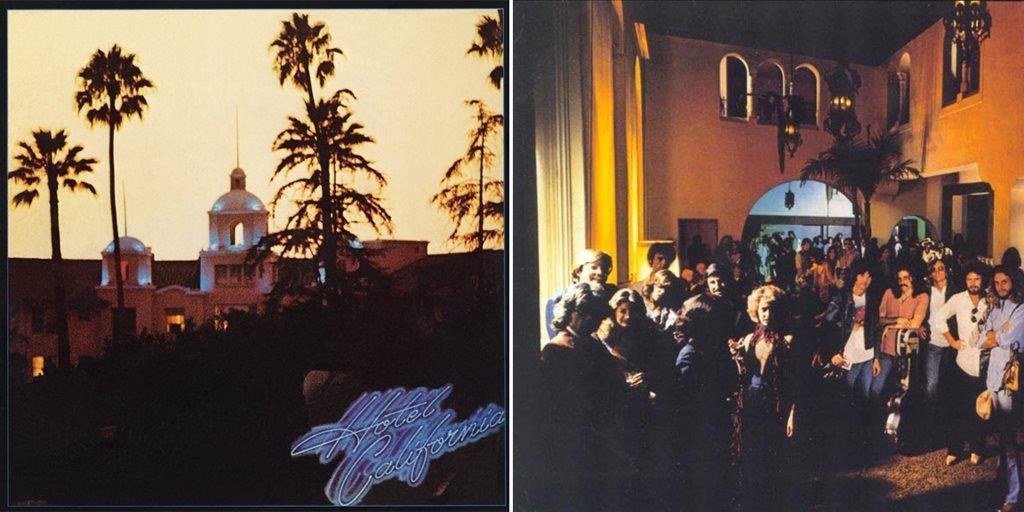
The Iconic Setting: Imagining the Hotel California
The hotel itself is not just a building; it’s a character. While many have searched for the real Hotel California, no single physical structure fits the description precisely. It is, by Don Henley’s own admission, a metaphorical construct – “a metaphor for the hedonism and self-indulgence of the music industry and American culture at large.” Yet, the lyrics paint such a vivid picture that it feels tangible: “Up ahead in the distance, I saw a shimmering light / My head grew heavy and my sight grew dim / I had to stop for the night.” This description evokes the image of a grand, perhaps even imposing, structure that stands out in the desolate landscape, much like a beacon of civilization in a vast wilderness.
This imagined hotel could easily be a composite of various luxurious resorts and opulent hotels that dot the California coastline or nestle in its exclusive neighborhoods. Think of the grand old establishments with their ornate lobbies, plush suites, and sprawling grounds, akin to a Waldorf Astoria or a Ritz-Carlton. These types of accommodations are designed to provide an unparalleled experience, promising comfort, privacy, and an escape from reality. They are destinations in themselves, often offering a lifestyle that many aspire to.
The song’s brilliance lies in taking this universally appealing concept of a luxury hotel and infusing it with an insidious undertone. The “pink champagne on ice” and the “lovely place” are juxtaposed with the unsettling discovery that the hotel has “not had that spirit here since 1969,” hinting at a lost innocence or a turning point into darker times. This narrative technique warns travelers and lifestyle enthusiasts alike to be discerning, to look beyond the superficial glamour of a destination or accommodation, and to consider the deeper narratives at play.
Beyond the Grand Entrance: Unpacking the Hotel Metaphor
The central metaphor of “Hotel California” extends far beyond a typical lodging experience. It transforms the concept of a temporary stay into a permanent entrapment, a commentary on various societal pitfalls. The song uses the familiar elements of a hotel – checking in, amenities, service – to subtly weave a tale of illusion, addiction, and inescapable consequence.
A Luxurious Trap: The Illusion of Freedom and Indulgence
Upon checking into the Hotel California, the narrator is met with the trappings of ultimate luxury and indulgence. “Mirrors on the ceiling, / The pink champagne on ice” speaks to a world of opulence and sensuality. The “warm smell of colitas” and “her mind is Tiffany-twisted, she got the Mercedes bends” further establish an environment steeped in materialistic excess and artificiality. This depiction mirrors the experiences of many who embark on luxury travel, seeking escapes that promise limitless pleasure and freedom from everyday constraints. Resorts and high-end hotels worldwide often cultivate an image of being self-contained paradises, where guests can indulge in every conceivable comfort.
However, beneath this veneer of indulgence lies a sinister truth. The hotel, initially perceived as a sanctuary, gradually reveals itself to be a gilded cage. The staff, far from being helpful, appears to be complicit in the entrapment. The “beautiful women” and the “feast” become part of a larger, unsettling ritual. This metaphor brilliantly captures the dark side of unchecked hedonism and the pursuit of superficial desires. In the context of lifestyle, it’s a warning against falling into a pattern where the pursuit of pleasure becomes an addiction, and the perceived freedom of an indulgent lifestyle actually leads to a loss of control. The “illusion of freedom” is a powerful concept for travelers, reminding us that even in the most exquisite destinations, it’s essential to maintain perspective and not get lost in the fleeting delights that can obscure deeper issues.
The Transient Nature of Accommodation: Checking In, Never Checking Out
Perhaps the most chilling and iconic line of the song is: “You can check out any time you like, but you can never leave.” This phrase succinctly encapsulates the song’s central message and resonates deeply with various interpretations. On a literal level, it transforms the concept of accommodation from a temporary dwelling to a permanent prison. Unlike a typical booking where guests arrive and depart at their leisure, the Hotel California traps its visitors indefinitely. This is a stark contrast to modern accommodation options, where flexibility, easy booking, and seamless check-outs are paramount.
Metaphorically, this line speaks to the insidious nature of addiction – whether to drugs, fame, money, or a particular lifestyle. Once you enter the world of excess, the lure becomes so strong that escape seems impossible, even if the desire to leave exists. For many in the music and entertainment industries, the relentless pursuit of success and the lavish lifestyle it afforded became a trap that was difficult to escape. The pressure to maintain celebrity, the constant scrutiny, and the availability of temptations could lead individuals down a path from which there was no easy return.
Furthermore, this idea of being unable to leave can represent cultural or societal traps. Don Henley and Glenn Frey have often spoken about the disillusionment with the promises of the 1960s counterculture, and how the dreams of peace and love morphed into the consumerism and cynicism of the 1970s. The “Hotel California” then becomes a symbol of this lost idealism, a place where the spirit of a bygone era (“not had that spirit here since 1969”) has been replaced by something darker and more permanent. For anyone exploring long-term stays or even permanent relocation, the song subtly suggests that a destination or lifestyle, once embraced, can become a defining and perhaps inescapable part of one’s identity.
The Darker Side of the Dream: Decadence, Addiction, and Lost Souls
The allure of the Hotel California is a deceptive one. Beneath the surface of luxury and indulgence, the song exposes a world of decadence, addiction, and spiritual decay, making it a profound commentary on the human condition and the consequences of unchecked desires. It’s a journey from perceived paradise to a psychological purgatory.
The Price of Paradise: Lifestyle Choices and Their Consequences
The lyrics of “Hotel California” are replete with imagery that points to the excesses and moral ambiguities of a particular lifestyle. The “colitas” (often interpreted as cannabis), the “pink champagne on ice,” and the overall atmosphere of perpetual celebration hint at a culture of substance abuse and hedonism. This lifestyle, often associated with luxury travel and exclusive circles, promises ultimate freedom and pleasure. However, the song reveals its heavy toll. The characters encountered – the “beast” in the master’s chamber, the “lovely place” that transforms into a “hellish” trap – symbolize individuals who have been consumed by their choices, becoming prisoners of their own indulgences.
This serves as a powerful cautionary tale for anyone contemplating or living a life of extreme luxury or unchecked desire. While destinations like Ibiza or Las Vegas are celebrated for their vibrant nightlife and indulgent offerings, the song reminds us that such a lifestyle, if pursued without moderation or awareness, can lead to a dark and inescapable reality. The band members, having experienced the highs and lows of rock stardom, were keenly aware of the destructive potential that lay beneath the glamorous veneer of their profession. Glenn Frey once described the song as depicting “the dark underbelly of the American dream,” an insight that resonates deeply with the human cost of pursuing superficial ideals. It’s a narrative that challenges the conventional notion of a dream vacation or an aspirational lifestyle, pushing listeners to consider the long-term consequences of their chosen path.
Southern California’s Underbelly: Unmasking the Hollywood Dream
While the song’s themes are universal, they are firmly rooted in the specific cultural context of Southern California during the 1970s. This era saw a significant shift in the idealism of the 1960s, giving way to a more cynical and materialistic outlook. The Hollywood dream, once synonymous with aspirational success and creative freedom, began to reveal its cracks, exposing a ruthless industry characterized by ambition, betrayal, and a transient sense of morality. The Hotel California becomes a microcosm of this environment, a place where aspiring stars and industry insiders converged, often losing themselves in the process.
The song’s imagery, such as “Stab it with their steely knives, but they just can’t kill the beast,” has been interpreted in various ways, from the music industry’s insatiable appetite to the pervasive influence of drug culture. It speaks to the idea that certain destructive forces, once unleashed, become almost impossible to contain or eliminate. The transient nature of the population in Los Angeles, with countless individuals arriving with dreams of fame and fortune, only to face disillusionment or worse, further emphasizes the song’s message. The accommodation industry in such high-turnover cities often sees a blend of temporary stays, from luxury suites for the successful to more transient options for those still striving, reflecting the diverse and often precarious journeys of its inhabitants.
The Eagles’ own journey mirrored this disillusionment. Having moved from a folk-rock sensibility (as seen in earlier albums like Desperado) to a harder, more cynical sound by the time of the “Hotel California album,” they experienced firsthand the pressures and temptations of superstardom. The song, therefore, is not just an observation but also a reflection of their own experiences and the environment that shaped them. It forces us to confront the reality that even the most celebrated destinations can harbor a darker side, challenging tourists and long-term residents alike to look beyond the surface glamor and understand the complex social and cultural landscapes that define a place.
A Cultural Landmark: The Song’s Enduring Legacy in Travel & Pop Culture
“Hotel California” is not merely a song; it’s a cultural phenomenon. Its timeless appeal and multifaceted interpretations have cemented its place as one of the most significant musical landmarks, profoundly influencing how we perceive travel, luxury, and the deeper meanings embedded in our destinations.
Resonating with Travelers: The Universal Themes of Journey and Discovery
At its heart, “Hotel California” speaks to the universal human experience of journeying and discovery. Every traveler embarks on a trip with expectations – for adventure, relaxation, luxury, or escape. The song taps into the anxieties and hopes associated with entering an unfamiliar place, especially one that promises so much. The narrator’s journey from a “dark desert highway” to a shimmering hotel is a metaphor for life’s unpredictable paths and the choices we make along the way.
The lyrics evoke a sense of mystique and the unknown that resonates with the adventurous spirit inherent in tourism. From choosing a destination to booking accommodation and immersing oneself in local culture, the act of travel is often an exploration of new realities, some delightful, others challenging. The song’s ability to depict a place that is simultaneously alluring and terrifying captures the duality that many travelers might unconsciously or consciously face: the excitement of the new juxtaposed with the discomfort of the unfamiliar. It encourages a reflective approach to travel, urging individuals to consider not just the beauty of a destination but also its deeper character and the impact it might have on them. Whether visiting bustling cities like New York or serene beaches in Bali, the sentiment of a place having a unique “spirit” and possibly an inescapable charm is a powerful one.
An Enduring Icon: Impact on Music, Film, and Tourism Perceptions
Upon its release, “Hotel California” was an immediate commercial success, topping the Billboard Hot 100 and earning The Eagles a Grammy Award for Record of the Year. Its critical acclaim was matched by its immense cultural impact. The song’s vivid storytelling and atmospheric quality have made it a frequent reference point in literature, film, and television, shaping how audiences perceive the darker aspects of glamour and the transient nature of success.
The iconic guitar duel between Don Felder and Joe Walsh (who joined the band after Felder’s initial writing of the music) is often cited as one of the greatest of all time, further cementing the song’s place in rock history. The enigmatic title and setting have also inspired countless real-world establishments to adopt the “Hotel California” name, hoping to capitalize on the song’s mystique, even if they miss its profound metaphorical meaning. It has become a landmark in its own right, a testament to the power of artistic expression to transcend its original medium and influence broader cultural understanding.
Beyond its direct allusions, the song has subtly influenced the tourism narrative surrounding California. While the state remains a premier destination for luxury travel, vibrant cities, and natural beauty, the song adds a layer of complexity to its image, hinting at a depth that goes beyond the superficial. It reminds us that every iconic destination, from the ancient streets of Rome to the romantic allure of Paris, carries with it a history, a culture, and a set of unspoken truths that enrich the travel experience. By exploring the enigmatic narrative of the “Hotel California,” listeners are encouraged to engage with their surroundings more deeply, fostering a more nuanced understanding of the places they visit and the lives they choose to lead. The song remains a cornerstone of classic rock, forever enshrined in the Rock and Roll Hall of Fame, its legacy continuing to inspire reflection on travel, lifestyle, and the pursuit of dreams.
LifeOutOfTheBox is a participant in the Amazon Services LLC Associates Program, an affiliate advertising program designed to provide a means for sites to earn advertising fees by advertising and linking to Amazon.com. Amazon, the Amazon logo, AmazonSupply, and the AmazonSupply logo are trademarks of Amazon.com, Inc. or its affiliates. As an Amazon Associate we earn affiliate commissions from qualifying purchases.