
California, a land of unparalleled natural beauty, vibrant cities, and diverse landscapes, beckons millions of travelers each year. From the sun-drenched beaches of Southern California to the majestic forests of the Sierra Nevada mountains, the Golden State offers an endless array of experiences. However, alongside its allure, California is also known for a powerful and often destructive natural phenomenon: wildfires. For those planning a trip, understanding the history and reality of these fires is crucial, not to deter travel, but to ensure a safe, informed, and enjoyable experience. The question “When did California fires start?” is more complex than it appears, weaving through millennia of natural cycles, indigenous practices, and modern challenges.
A Fiery History: Understanding California’s Wildfire Legacy
The notion that California wildfires are an entirely modern problem is a common misconception. In reality, fire has been an integral part of the state’s ecosystem for thousands of years, shaping its unique flora and fauna.
The Natural Cycle: Before Human Intervention
Long before European settlement, fire was a natural and necessary component of California’s ecological balance. The state’s Mediterranean climate, characterized by hot, dry summers and mild, wet winters, creates ideal conditions for vegetation to dry out and become fuel. Natural ignitions, primarily from lightning strikes during dry thunderstorms, have historically sparked fires that swept across the landscape.
These fires, often low to moderate intensity, played a crucial role. They cleared out underbrush, recycled nutrients back into the soil, and promoted the growth of fire-adapted plant species like chaparral, redwood, and various pines, many of which require fire for seed germination. The cycles were essential for maintaining biodiversity and preventing the build-up of excessive fuel that could lead to catastrophic megafires. The vast forests and expansive wildlands of California have always experienced these cycles, long before any human records were kept.
Indigenous communities, who have inhabited California for thousands of years, had a profound understanding of this natural rhythm. They actively used fire as a land management tool, employing prescribed burns to cultivate food sources, enhance hunting grounds, reduce pest infestations, and mitigate the risk of larger, uncontrolled blazes. These deliberate, small-scale burns prevented excessive fuel accumulation, creating a mosaic of burnt and unburnt areas that supported a healthier ecosystem. This ancient practice, known as cultural burning, effectively managed the landscape and influenced the timing and intensity of fires for millennia.
The Gold Rush Era and Early Settlement: Shifting Landscapes
The arrival of European settlers, particularly during the California Gold Rush in the mid-19th century, marked a significant shift in the state’s fire history. As prospectors, farmers, and loggers flocked to the region, the landscape began to transform. Traditional indigenous burning practices were suppressed, viewed by new settlers as destructive rather than beneficial. This suppression led to an unprecedented accumulation of fuels over decades.
The rapid population growth and expansion of agriculture and logging further altered the environment. Forests were cleared, and new vegetation patterns emerged. Early records, albeit less systematic than modern data, show that large, destructive fires were not uncommon during the late 19th and early 20th centuries, often exacerbated by human activity such as sparks from steam locomotives, campfires, and agricultural burns that escaped containment. The early 1900s saw the establishment of federal and state fire suppression agencies, including the predecessor to what is now CAL FIRE (the California Department of Forestry and Fire Protection), with a policy of aggressive fire suppression. While intended to protect settlements and resources, this policy inadvertently contributed to the fuel build-up that now fuels modern megafires.
Modern Challenges: The Age of Megafires
While fires have always been a part of California’s story, the scale, frequency, and intensity of wildfires have dramatically increased in recent decades, leading to what many refer to as the “age of megafires.” This escalation is primarily driven by a confluence of factors, making understanding them essential for any visitor.
Contributing Factors: Climate Change and Urbanization
Two major forces are at play in the exacerbation of California’s wildfire problem: climate change and the expansion of the Wildland-Urban Interface (WUI).
Climate Change: The impacts of a changing climate are undeniable. California has experienced extended periods of drought, leading to parched landscapes and dehydrated vegetation, which acts as readily available fuel. Rising global temperatures contribute to hotter, drier conditions, extending the fire season significantly. The infamous “Santa Ana winds” in Southern California and similar Diablo Winds in Northern California become even more dangerous when combined with these extreme conditions, fanning flames rapidly and making containment incredibly difficult. These weather patterns are becoming more intense and frequent, turning small ignitions into widespread disasters at an alarming rate.
Urbanization and the WUI: As California’s population has grown, urban development has increasingly encroached into wildland areas, creating the Wildland-Urban Interface (WUI). This expansion means that more homes, businesses, and infrastructure are built in close proximity to forests and chaparral, directly increasing the risk of human-caused ignitions (power lines, vehicle sparks, discarded cigarettes, arson) and putting more lives and properties in harm’s way when fires ignite. The WUI also complicates firefighting efforts, as resources must be diverted to protect structures rather than solely focusing on containing the fire’s spread.
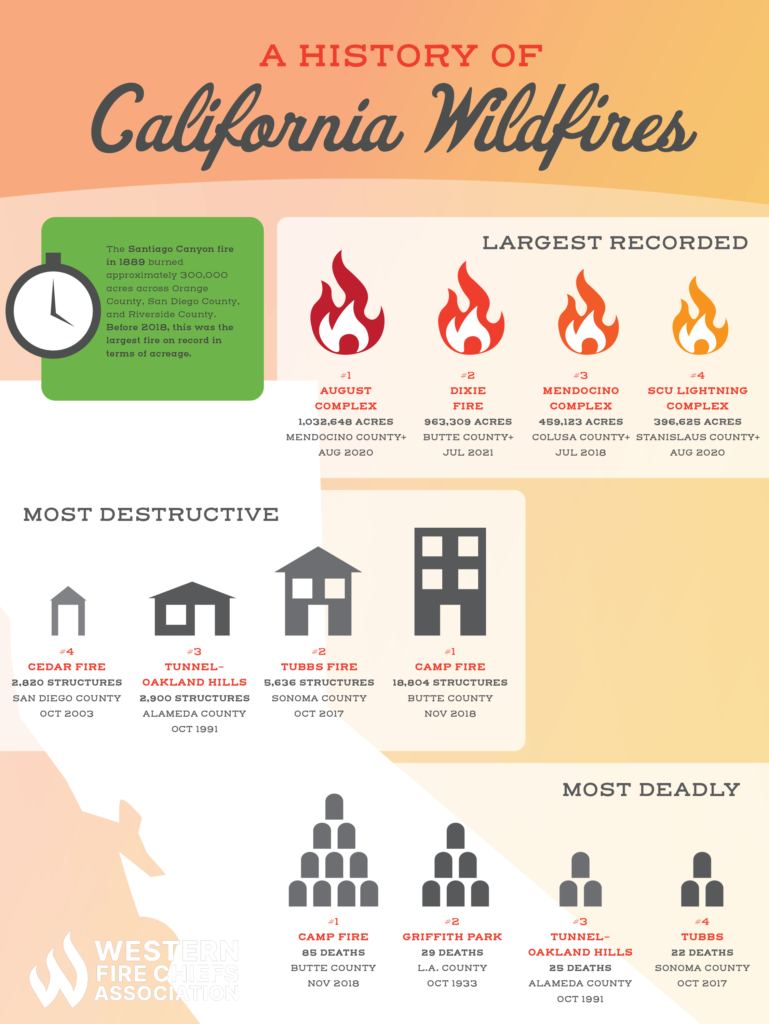
Major Fire Seasons: A Timeline of Significant Events
While fires occur annually, certain years stand out for their devastating impact, signaling a clear trend toward more extreme events.
- 1932: One of the earliest records of a large fire, the Matilija Fire in Ventura County, burned over 220,000 acres, showcasing the historical potential for large blazes even then.
- 1993: The Laguna Fire and Old Topanga Fire were part of a series of fires in Southern California that brought the issue of WUI fires to the forefront, destroying hundreds of homes in areas like Malibu.
- 2003: The Cedar Fire near San Diego became the largest fire in California history at the time, burning over 280,000 acres and killing 15 people, highlighting the increasing destructiveness.
- 2008: A lightning siege sparked over 2,000 fires across the state, burning vast tracts of land, though many were in remote areas.
- 2017: This year saw exceptionally destructive fires in Northern California wine country, including the Tubbs Fire and the Atlas Fire, which devastated parts of Napa Valley and Sonoma County, impacting tourism and the local economy significantly.
- 2018: The Camp Fire became the deadliest and most destructive wildfire in California history, virtually wiping out the town of Paradise. The Woolsey Fire simultaneously ravaged areas of Los Angeles and Ventura counties, threatening celebrities’ homes in Malibu and Agoura Hills.
- 2020: Marked by an unprecedented scale of burning, largely due to a lightning complex, including the August Complex Fire (the largest in state history, over 1 million acres), and fires like the CZU Lightning Complex that impacted areas near Santa Cruz and Big Basin Redwoods State Park.
- 2021: The Dixie Fire became the second-largest in California history, burning nearly 1 million acres in Northern California and impacting Lassen Volcanic National Park.
- 2022-2023: These years saw a significant reduction in severe large fires compared to the prior decade, primarily due to unusually heavy rainfall and snowpack, demonstrating the crucial role of moisture in mitigating fire risk. However, the underlying conditions for future fires remain.
These events underscore that while the question “When did California fires start?” dates back millennia, the severity and societal impact have profoundly escalated in the modern era, particularly in the last two decades.
Impact on Travel and Tourism in California
For travelers, the specter of wildfires can understandably raise concerns. However, with proper planning and awareness, a safe and rewarding trip to California is entirely possible.
Safety First: Travel Precautions and Awareness
Responsible tourism in California includes understanding and respecting the potential for wildfires. Here are essential tips for travelers:
- Stay Informed: Before and during your trip, regularly check official sources like CAL FIRE (CAL FIRE is the California Department of Forestry and Fire Protection) for current fire incidents and advisories. Local tourism boards and hotel staff can also provide real-time updates.
- Air Quality: Smoke from distant fires can affect air quality even in areas not directly threatened by flames. Websites like AirNow.gov provide real-time air quality data. Consider bringing N95 masks if you have respiratory sensitivities or if you plan to be in potentially smoky areas.
- Evacuation Routes: If staying in an area near wildlands, familiarize yourself with local emergency plans and evacuation routes. Most hotels and resorts have protocols in place.
- Road Closures: Wildfires can lead to sudden road closures. Use navigation apps like Google Maps or Waze, which often update with real-time closure information, or check Caltrans for state highway conditions.
- Fire Restrictions: Be aware of any local fire restrictions, such as bans on campfires, barbecues, or off-road vehicle use, especially in national parks and forests. Respect these rules stringently.
- Travel Insurance: Consider purchasing comprehensive travel insurance that covers cancellations or interruptions due to natural disasters. Read the policy carefully to understand what is covered.
Resilient Destinations: Where to Stay and What to Expect
Despite the challenges, California’s tourism industry is incredibly resilient and adaptable. Many popular destinations are far from active fire zones, and even areas that have been impacted often recover remarkably quickly.
- City Escapes: Major urban centers like San Francisco, Los Angeles, and San Diego are generally less directly threatened by wildfires, though they can experience smoke impacts. These cities offer world-class hotels, landmarks, and cultural attractions, providing excellent alternatives during peak fire season (typically late summer to fall).
- Coastal Retreats: Many coastal regions, from Orange County to the Central Coast and up to Mendocino, are often buffered by the Pacific Ocean and marine layers, making them less susceptible to intense wildfires. Resorts like The Ritz-Carlton, Laguna Niguel or charming boutique hotels in Santa Barbara offer luxurious and safe getaways.
- National Parks: While some national parks, like parts of Yosemite National Park or Sequoia National Park, have experienced fires, park authorities are adept at managing closures and guiding visitors to safe areas. Check park websites for the latest alerts.
- Wineries and Vineyards: Regions like Napa Valley and Sonoma County, though impacted in the past, have shown remarkable recovery. Many wineries are open for tasting and tours, showcasing the resilience of the local community. Supporting these regions through tourism is vital for their economic recovery.
- Hotels and Accommodation: California’s hotels, from luxury resorts like Post Ranch Inn in Big Sur to family-friendly apartments and budget stays, are well-versed in emergency preparedness. Many have robust communication systems and safety protocols to ensure guest well-being. When booking accommodation, especially during the dry season, inquire about their fire safety measures and evacuation plans.
Choosing accommodation that prioritizes safety and keeping abreast of local conditions are the best ways to navigate a California trip during fire season. The state’s dedication to tourism means that agencies and businesses work tirelessly to minimize risks and provide accurate information, allowing travelers to experience the magic of California responsibly.
In conclusion, the question of “When did California fires start?” reveals a deep history, one that extends back to natural ecological cycles and indigenous land management. However, the nature of these fires has changed dramatically in recent decades, driven by climate change and expanding urbanization. While the threat is real, it doesn’t diminish California’s appeal as a premier travel destination. By staying informed, practicing responsible travel, and choosing resilient destinations, visitors can continue to enjoy all the beauty and experiences the Golden State has to offer, while also supporting communities that are actively working towards a more fire-adapted future.
