
Planning a trip often involves meticulous attention to detail, from booking the perfect hotel to mapping out attractions and dining experiences. However, one often overlooked, yet crucial, detail for travelers heading to the American Southwest is the peculiar question of Daylight Saving Time (DST). While much of the United States springs forward in March and falls back in November, Arizona marches to the beat of its own drum. For those venturing into the stunning landscapes, vibrant cities, and unique cultural tapestry of the Grand Canyon State, understanding its distinct time zone policy is paramount for a seamless and enjoyable journey. This guide will clarify Arizona’s time-keeping practices, delve into the reasons behind its decision, and offer invaluable tips for travelers to navigate any potential confusion.
Understanding Arizona’s Unique Time Zone Status
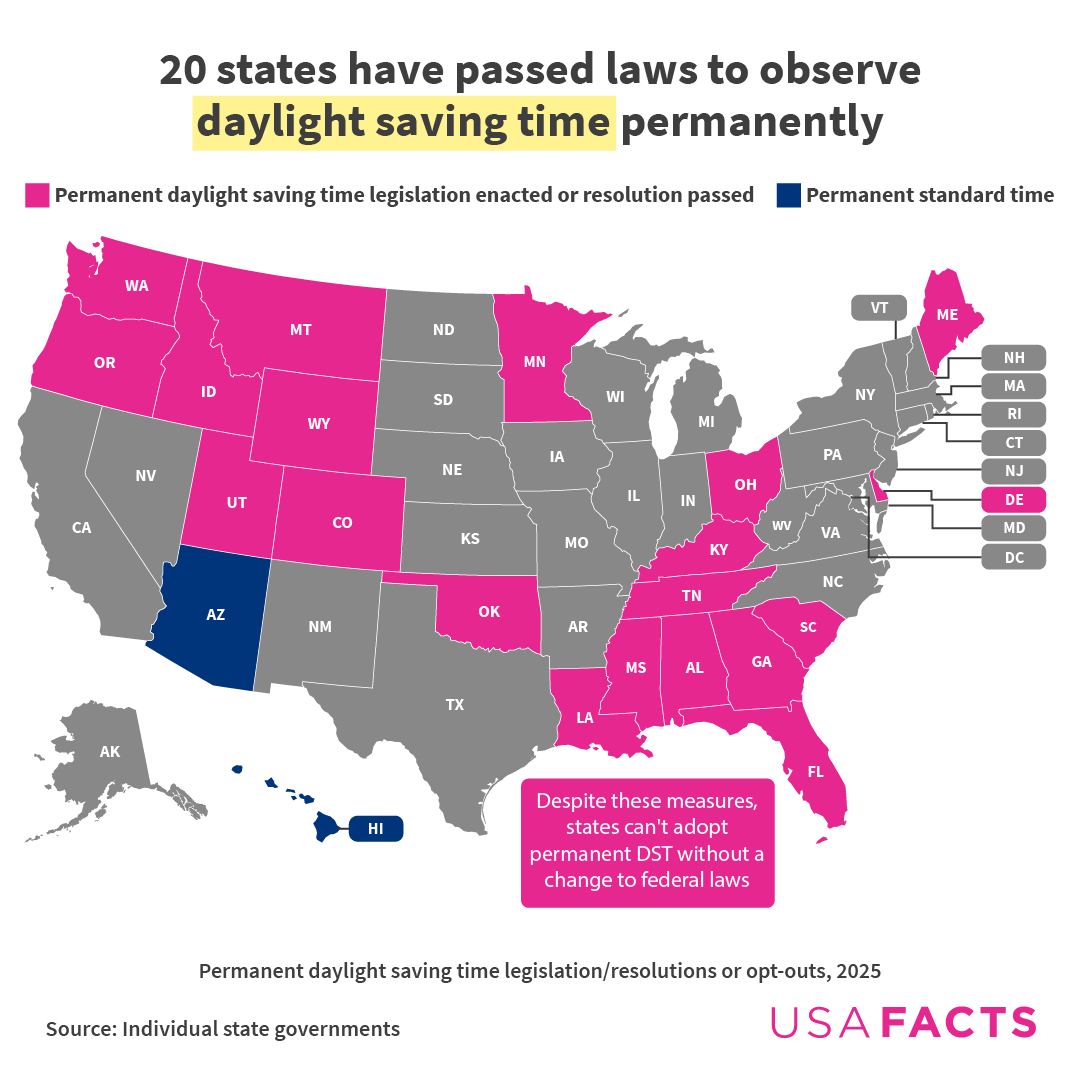
Arizona stands out as one of the few states in the United States that does not observe Daylight Saving Time. This unique position means that for roughly half the year, the state’s time syncs differently with its neighbors, leading to potential confusion for visitors. This consistent stance has significant implications for travel planning, communication, and experiencing daily life within the state, particularly during the months when most of the country adjusts its clocks.
The Simple Answer: Mostly No
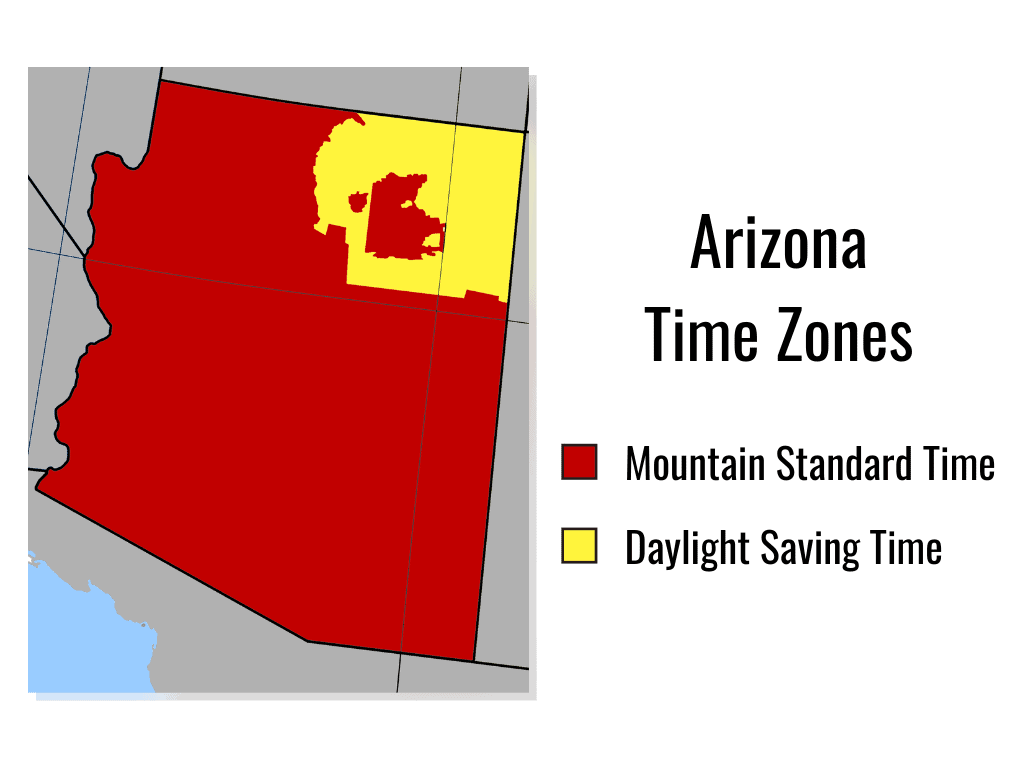
Generally speaking, Arizona does not observe Daylight Saving Time. Since 1968, the vast majority of the state has opted out of the twice-yearly clock change. This means that throughout the year, Arizona consistently remains on Mountain Standard Time (MST). When the rest of the country “springs forward” for Daylight Saving Time, Arizona does not adjust its clocks. Consequently, during the spring, summer, and early fall months (typically from March to November), Arizona’s time aligns with Pacific Daylight Time (PDT). Conversely, during the late fall and winter, when other states “fall back,” Arizona is back in sync with Mountain Standard Time, matching states like Colorado or New Mexico.
The Exception: The Navajo Nation
While the broader state maintains its consistent MST, there is one significant exception: the Navajo Nation. This sovereign tribal territory, which encompasses a substantial portion of northeastern Arizona, along with parts of Utah and New Mexico, does observe Daylight Saving Time. This means that within the Navajo Nation, clocks spring forward in March and fall back in November, just like in most other states. For travelers exploring areas like Monument Valley, Antelope Canyon, or Canyon de Chelly National Monument within the Navajo Nation boundaries, this distinction is incredibly important. You might find yourself changing time zones simply by driving a few miles, necessitating careful planning to avoid missed tours or appointments.
Historical Context and Reasons Behind the Decision
Arizona’s decision to forego Daylight Saving Time is rooted in practical considerations, primarily related to its extreme climate. The primary argument against DST in Arizona is the intense summer heat. By not advancing clocks, sunset occurs earlier in the evening, which is beneficial for energy conservation. More importantly, it means that the hottest part of the day, which often extends into the late afternoon, ends an hour earlier by the clock. This encourages outdoor activities and evening cooling an hour sooner, making the long summer days more tolerable. Farmers, businesses, and residents alike found that an extra hour of daylight stretching into the evening was simply too hot and impractical for work or leisure, preferring to align their schedules with the cooler parts of the day.
Navigating Time Differences: A Traveler’s Guide to Arizona
The non-observance of Daylight Saving Time in Arizona can be a source of confusion, especially for first-time visitors or those accustomed to the annual clock changes. However, with a little preparation and awareness, travelers can easily navigate these time differences. Understanding how this unique time zone status impacts various aspects of a trip, from flight schedules to tour bookings, is key to a stress-free Arizona adventure.
Planning Your Itinerary and Reservations
When booking flights, accommodations, or guided tours, always confirm the time zone being referenced. Airlines and online booking platforms usually account for local time, but it’s wise to double-check, especially for flights arriving from or departing to states that observe DST. If you’re planning to visit attractions or participate in activities, particularly within the Navajo Nation (e.g., Antelope Canyon tours), it is absolutely critical to confirm the correct local time for your reservation. A common mistake is missing a tour because of a miscalculation between Arizona time and Navajo Nation time, especially when tour operators might be based outside the Navajo Nation but conducting tours within it.
Impact on Daily Activities and Attractions
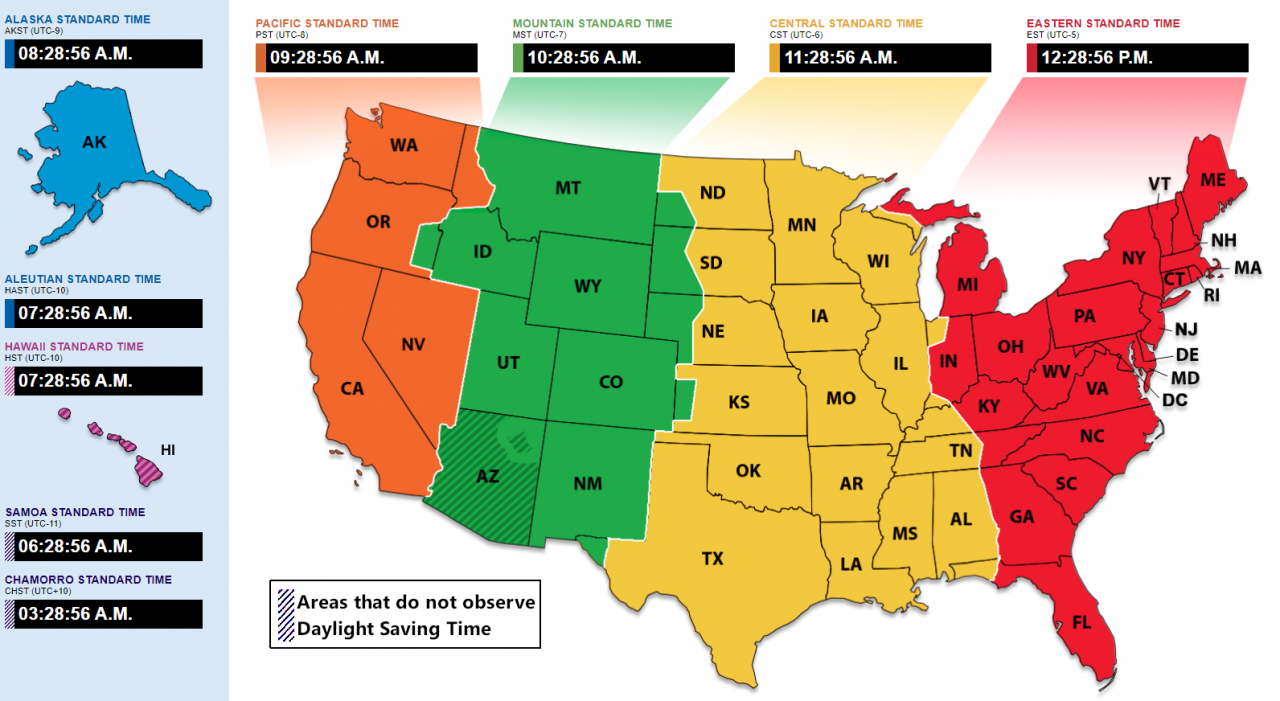
For most of the year, particularly during the spring and summer, Arizona time will effectively be the same as California time (Pacific Daylight Time). This means if you’re traveling from a Mountain Daylight Time state like Colorado or Utah, you will actually lose an hour upon entering Arizona during DST, even though you might typically think of it as a Mountain time zone. This can affect everything from restaurant opening hours to the start times for popular hikes. For instance, if you’re visiting the Grand Canyon National Park’s South Rim (which is not in the Navajo Nation), sunrise and sunset times will feel “earlier” by one hour compared to what you might expect if you’re thinking in a Mountain Daylight Time context. This can be a boon for early risers eager to beat the heat or crowds at popular spots like Sedona‘s red rock trails.
What to Expect When Crossing State Lines
Traveling across state lines into or out of Arizona during Daylight Saving Time requires extra vigilance. If you’re driving from Nevada (e.g., Las Vegas) or California, which observe PDT, there will be no time change when entering Arizona during DST. However, if you are coming from Utah, Colorado, or New Mexico, which observe Mountain Daylight Time, you will gain an hour when entering Arizona because Arizona remains on Mountain Standard Time. This can be particularly confusing in border towns or around multi-state landmarks like the Hoover Dam, which straddles Arizona and Nevada. Always confirm the local time at your destination, especially when making plans that involve precise timing, such as shuttle pickups or guided tours.
Practical Tips for a Seamless Arizona Adventure
With Arizona’s unique time zone situation, a few simple strategies can help ensure your travel plans unfold without a hitch. From managing your devices to communicating with local establishments, being prepared will make all the difference in enjoying everything this magnificent state has to offer, from the bustling streets of Phoenix to the serene beauty of the Sonoran Desert.
Digital Devices and Automatic Adjustments
Most modern smartphones and GPS devices are designed to automatically adjust to local time zones. While this is generally reliable, it’s always a good practice to manually verify your device’s time against a known local source, especially when you first arrive or when nearing the Navajo Nation boundaries. Be aware that your phone might struggle to accurately pinpoint your location and time zone in remote areas, or if you lose signal. Consider setting a secondary clock on your phone for “Mountain Standard Time” or “Pacific Daylight Time” during the DST months, depending on where you’re traveling from, to provide a constant reference. This simple step can prevent significant headaches when coordinating activities.
Communication with Local Establishments
When making reservations for dining, tours, or other services, it’s never a bad idea to explicitly ask or confirm the time zone the business operates in, particularly if you are in a border area or traveling through the Navajo Nation. While most Arizona businesses will simply operate on MST year-round, tour operators or specialty services near the Navajo Nation might have different policies. For example, a tour company based in Page, Arizona (which follows MST), might run tours into Antelope Canyon (which is within the Navajo Nation and follows MDT), requiring a clear understanding of the meeting time. Don’t hesitate to ask for clarification – local operators are well-versed in this unique aspect of Arizona life.
Embracing the Arizona Lifestyle: Early Mornings and Late Evenings
Arizona’s decision to forego DST actually shapes a unique lifestyle that travelers can embrace. During the hotter months, locals often start their days earlier to enjoy the cooler morning temperatures. Many popular hiking trails, outdoor attractions, and even some tourism activities begin at dawn. This allows visitors to experience the beauty of the Grand Canyon or Sedona before the midday heat sets in. Evenings, while still warm, offer spectacular sunsets and pleasant conditions for outdoor dining and stargazing. By adjusting your personal schedule to align with this natural rhythm – rising early, taking a siesta during the hottest part of the afternoon, and enjoying the cooler evenings – you’ll find yourself more comfortably integrated into the Arizona way of life.
Beyond Time: Exploring Arizona’s Diverse Destinations
While the question of Daylight Saving Time is a practical concern for visitors, it should by no means overshadow the myriad of incredible experiences awaiting travelers in Arizona. From vibrant urban centers to breathtaking natural landmarks and rich cultural heritage, the Grand Canyon State offers a diverse range of opportunities for every type of adventurer. Understanding the time differences simply adds another layer of appreciation for how this unique state operates, allowing you to maximize your enjoyment.
Weather and Optimal Travel Seasons
Arizona’s climate is famously diverse, ranging from the scorching deserts of Phoenix and Tucson to the alpine forests of Flagstaff. The best time to visit largely depends on your desired activities and preferred temperatures. For exploring the southern deserts and cities, the cooler months from October to April are ideal, offering pleasant weather for hiking, sightseeing, and enjoying outdoor festivals. During these months, the time difference with other states is less pronounced as Arizona is generally aligned with Mountain Standard Time. Summer, from May to September, brings intense heat to the lower elevations, making it a prime time to escape to the cooler northern regions like Flagstaff, the Grand Canyon, or the White Mountains. This is when Arizona’s non-observance of DST means it effectively runs on Pacific time, making for earlier sunsets that are perfect for enjoying outdoor evenings as soon as the heat subsides.
Iconic Landmarks and Attractions
Arizona is home to some of the world’s most iconic natural landmarks and a rich tapestry of cultural experiences. The majestic Grand Canyon remains a must-see, offering unparalleled vistas and hiking opportunities. Further south, the red rocks of Sedona beckon with their spiritual energy and stunning trails, while Saguaro National Park near Tucson showcases the impressive saguaro cacti forests of the Sonoran Desert. For history buffs, the well-preserved cliff dwellings of Montezuma Castle National Monument offer a glimpse into ancient civilizations, and the colorful formations of the Petrified Forest National Park transport visitors back millions of years. Cities like Phoenix, Scottsdale, and Mesa provide a vibrant urban lifestyle, with world-class dining, shopping, and resorts. Remember to always verify operating hours, especially for remote parks or tribal lands, keeping the unique time zone status in mind.
Accommodation Considerations and Local Culture
Whether you’re looking for luxury resorts in Scottsdale, charming boutique hotels in Sedona, or unique long-term stays near the Grand Canyon, Arizona offers diverse accommodation options. When booking, always confirm check-in and check-out times, especially if you’re arriving from a state that observes DST. Beyond the practicalities of time, embracing Arizona’s distinct identity extends to appreciating its rich local culture, which is deeply influenced by Native American heritage, Old West history, and a vibrant arts scene. From savoring Southwestern cuisine in Tucson to exploring art galleries in Sedona, the state’s unique time zone is just one facet of its distinctive charm. This decision to opt out of Daylight Saving Time is part of what makes Arizona a truly memorable and unique destination.
In conclusion, the answer to “Does Arizona follow Daylight Saving Time?” is a resounding “mostly no,” with the critical exception of the Navajo Nation. While this might seem like a minor detail, it carries significant weight for anyone planning to travel through this magnificent state. By understanding Arizona’s consistent observance of Mountain Standard Time year-round, and the Navajo Nation’s adherence to Daylight Saving Time, you can avoid common pitfalls and ensure your adventure unfolds seamlessly. So set your watches, double-check your itineraries, and prepare to immerse yourself in the stunning landscapes and vibrant culture that make Arizona an unforgettable destination, regardless of what time the clock says.
LifeOutOfTheBox is a participant in the Amazon Services LLC Associates Program, an affiliate advertising program designed to provide a means for sites to earn advertising fees by advertising and linking to Amazon.com. Amazon, the Amazon logo, AmazonSupply, and the AmazonSupply logo are trademarks of Amazon.com, Inc. or its affiliates. As an Amazon Associate we earn affiliate commissions from qualifying purchases.