
Planning a trip to the Grand Canyon State? Whether you’re exploring the vibrant arts scene in Scottsdale, hiking the red rocks of Sedona, or marveling at the geological wonders of the Grand Canyon National Park, one question often puzzles travelers: does Arizona observe Daylight Saving Time (DST)? The simple answer is largely no, but with a crucial exception that every visitor and resident should understand. This unique approach to timekeeping has fascinating historical roots, practical implications for daily life, and distinct considerations for travel, tourism, and accommodation across the state.
Understanding Arizona’s Unique Time Zone Status
Arizona stands out among most U.S. states for its steadfast refusal to participate in the annual Daylight Saving Time ritual. This decision, rooted in a blend of practicality and historical precedent, shapes everything from local business hours to the timing of sunset excursions.
The Simple Answer: Arizona Largely Opts Out
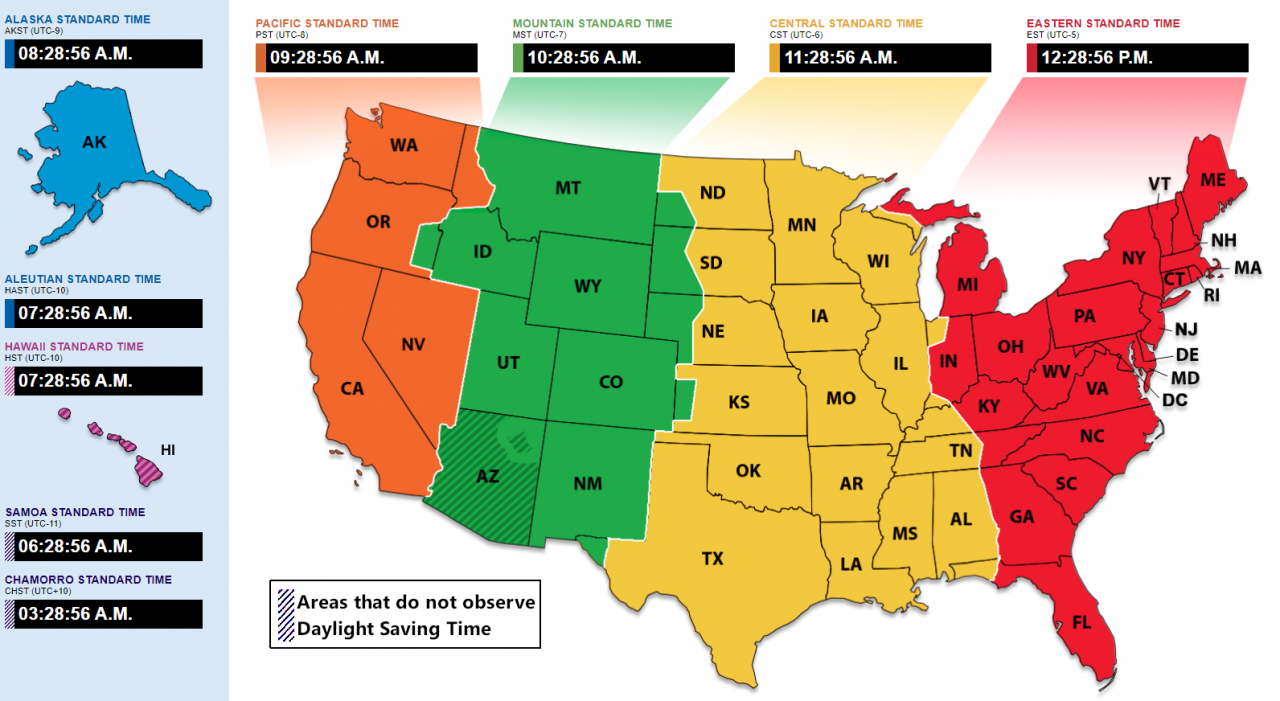
For the vast majority of its landmass and population, Arizona does not observe Daylight Saving Time. This means that from the second Sunday in March to the first Sunday in November, while most of the United States “springs forward” an hour, Arizona remains on Mountain Standard Time (MST). When DST is in effect elsewhere, Arizona’s time aligns with Pacific Daylight Time (PDT), making it effectively an hour behind states observing Mountain Daylight Time (MDT). During the standard time period (roughly November to March), Arizona is on the same time as the rest of the Mountain Time Zone.
This consistent timekeeping simplifies daily life for many residents and offers a unique rhythm that visitors quickly adapt to. It’s a distinct characteristic that influences everything from the best time to book your hot air balloon ride to understanding when your favorite local restaurant closes its doors.
Historical Context and Reasons Behind the Decision
The story of Arizona’s exemption from DST is deeply tied to its geography and climate. When the Uniform Time Act was passed in 1966, mandating DST nationwide (unless states specifically opted out), Arizona considered its options carefully. The primary reason for choosing to forgo DST boils down to one word: heat.
Summers in Arizona, especially in cities like Phoenix and Tucson, are famously intense, with temperatures frequently soaring above 100°F (38°C). The concept of Daylight Saving Time is to extend daylight into the evening, theoretically saving energy and making better use of daylight hours. However, in a scorching desert environment, more daylight in the evening simply means more extended hours of intense heat.
By not observing DST, Arizona keeps its schedule aligned so that sunsets occur earlier in the evening during the summer months. This allows people to start their outdoor activities, enjoy cooler temperatures, and engage in lifestyle pursuits earlier in the morning or later in the evening after the peak heat has subsided. Imagine trying to golf or hike in 110°F weather at 8 PM if the sun was still blazing! The decision to stick to MST year-round has been a pragmatic one, widely supported by residents and businesses who value cooler evenings for recreation, energy conservation, and overall comfort.
Navigating Time as a Traveler in the Grand Canyon State
For those planning a travel experience to Arizona, understanding its unique time zone status is crucial. It can impact everything from flight schedules to tour bookings and even your ability to connect with friends and family back home.
Planning Your Itinerary: Impact on Travel and Tourism
The non-observance of DST significantly influences the dynamics of travel and tourism in Arizona. During the spring, summer, and early fall, when the rest of the Mountain Time Zone is an hour ahead (on MDT), Arizona operates on MST, making it effectively equivalent to Pacific Daylight Time (PDT).
- Flights and Transportation: When booking flights into airports like Phoenix Sky Harbor International Airport or Tucson International Airport, always double-check the arrival and departure times in relation to your originating time zone. Airlines typically account for this, but awareness prevents confusion.
- Tour Bookings: If you’re planning a guided tour, such as a jeep tour in Sedona, a helicopter ride over the Grand Canyon, or a visit to the Desert Botanical Garden in Phoenix, confirm the meeting times. Tour operators in Arizona will always list times in local Arizona time, but visitors from other regions might inadvertently miscalculate.
- Meeting People: Coordinating calls or virtual meetings with people outside Arizona during DST can be tricky. Remember that for roughly eight months of the year, Arizona is an hour behind its Mountain Time neighbors like Denver, Colorado, and the same time as Los Angeles, California.
This unique time zone status contributes to Arizona’s distinctive charm, allowing for slightly earlier sunsets that are perfect for enjoying outdoor dining or evening strolls without the oppressive heat.
The Navajo Nation Exception: A Key Detail for Visitors
While most of Arizona remains on MST year-round, there is one significant exception that every traveler, particularly those exploring the state’s northern reaches, must be aware of: the Navajo Nation.
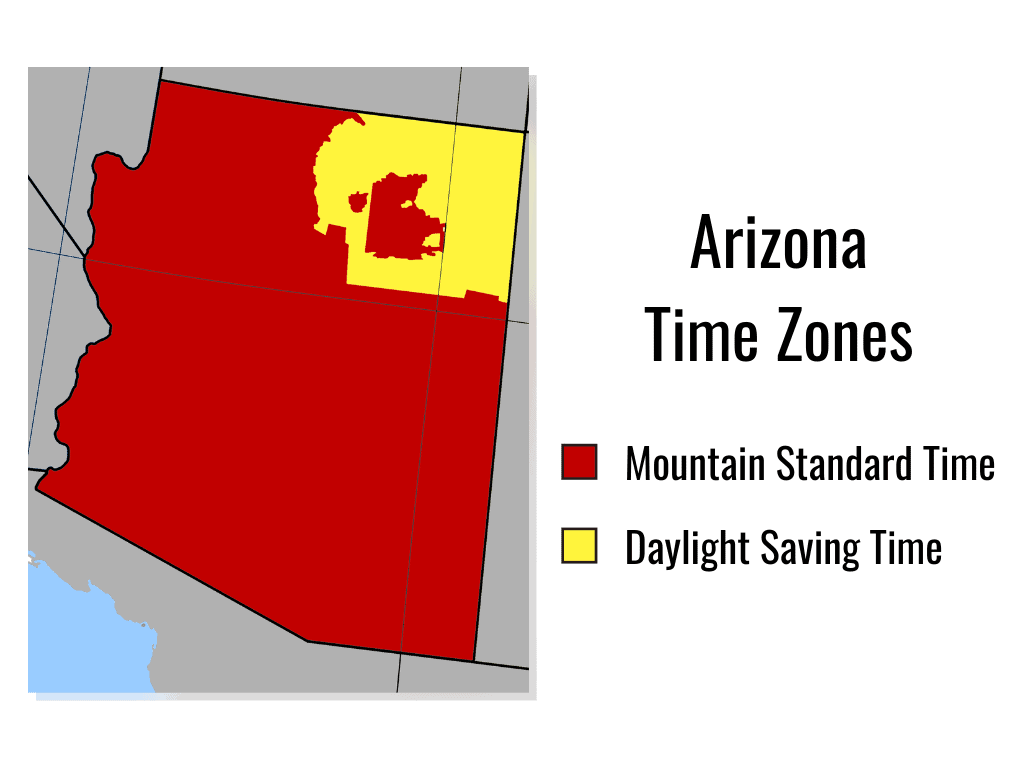
The Navajo Nation, the largest Native American reservation in the United States, spans parts of Arizona, New Mexico, and Utah. To maintain time consistency across its vast territory, the Navajo Nation does observe Daylight Saving Time. This means that from March to November, when the rest of Arizona is on MST, the Navajo Nation switches to Mountain Daylight Time (MDT), making it one hour ahead of the non-DST parts of Arizona.
This time difference is especially important for visitors heading to popular landmarks and attractions within the Navajo Nation, such as Monument Valley, Antelope Canyon, and Canyon de Chelly National Monument. If you’re driving from Flagstaff (which observes MST) to Page, Arizona (which is within the Navajo Nation and observes MDT during DST), you’ll need to adjust your clock forward by one hour as you cross into the reservation.
An Even More Nuanced Detail: The Hopi Nation
Adding another layer of complexity, the Hopi Nation, which is entirely surrounded by the Navajo Nation within Arizona, does not observe Daylight Saving Time. This creates a fascinating “time donut” effect: if you travel from Flagstaff (MST) through the Navajo Nation (MDT) to the Hopi Nation (MST), you would set your clock forward an hour, then back an hour, and then forward an hour again if you were to continue through the Navajo Nation! While most tourists don’t navigate this intricate path, it highlights the unique cultural and practical considerations at play. Always confirm local times, especially when visiting tribal lands.
Practical Tips for Accommodation and Activities
When planning your accommodation and daily activities in Arizona, keeping the time zone in mind will enhance your experience.
- Hotel Check-ins/Check-outs: All hotels and resorts across Arizona (outside the Navajo Nation) operate on MST year-round. So, if you’re flying in from New York during DST, remember Arizona will be three hours behind Eastern Daylight Time (EDT).
- Dining and Entertainment: Restaurant reservations, showtimes, and bar closing hours are all set to local Arizona time. Enjoy the slightly earlier sunsets for evening meals on a patio without the lingering heat, a true lifestyle perk.
- Outdoor Activities: Many of Arizona’s best outdoor activities, from hiking in Camelback Mountain to exploring Saguaro National Park, are best enjoyed in the cooler morning or late afternoon hours. The absence of DST means those late afternoons arrive sooner, making it easier to plan. For instance, in July, the sun might set around 7:30 PM in Phoenix, providing a pleasant window for evening activities compared to 8:30 PM if DST were observed.
- Long-Term Stays: For those considering long-term accommodation or even relocation, the consistent time zone simplifies daily routines, avoiding the twice-yearly disruption of changing clocks.
Lifestyle and Local Impact of Arizona’s Time Choice
Arizona’s decision to forgo DST isn’t just a quirk for travelers; it deeply intertwines with the daily lifestyle of its residents, influencing everything from school schedules to business operations and the enjoyment of the state’s natural beauty.
Daily Life in Phoenix, Tucson, and Beyond
In major metropolitan areas like Phoenix, Tucson, and Mesa, the consistent time zone is a beloved aspect of local lifestyle. The earlier sunsets during summer mean that residents can finish work and enjoy outdoor activities while the temperatures are still warm but not dangerously hot. This promotes a culture of morning hikes, early evening sports, and outdoor gatherings that would be less comfortable if DST were in effect, pushing the hottest part of the day later into the evening.
For families, school start times remain consistent year-round, avoiding the adjustment period often associated with DST. This stability is appreciated by parents and educators alike. The pattern of light and dark hours becomes a predictable rhythm, rather than a twice-yearly jolt. This continuity contributes to a more relaxed pace of life, particularly during the intense summer months, where optimizing time outdoors in comfortable conditions is key to well-being.
How It Affects Hotels, Resorts, and Business
The hospitality sector, including hotels, resorts, and attractions, largely benefits from Arizona’s unique time status.
- Guest Experience: Guests arriving from other time zones might initially find it confusing, but once understood, the lack of DST can be a positive. Many appreciate the earlier sunsets for dining al fresco or enjoying evening events at resorts like the JW Marriott Desert Ridge Resort & Spa or the Hyatt Regency Scottsdale Resort & Spa at Gainey Ranch. It also means that when they call home or conduct remote business, the time difference can be less extreme with California and the West Coast.
- Operational Efficiency: For businesses, particularly those in tourism and travel, the consistent time zone simplifies scheduling and reduces the chances of errors related to time changes. This operational consistency helps in managing staffing, coordinating events, and ensuring smooth service delivery.
- Energy Consumption: While the original intent of DST was energy saving, in Arizona’s climate, adding an hour of daylight to the evening would likely increase, not decrease, energy consumption due to prolonged use of air conditioning during peak heat hours. By maintaining MST, the state potentially saves on electricity costs by shifting activity to cooler parts of the day.
Enjoying Arizona’s Landmarks Without the Time Shift Hassle
Arizona’s decision on DST means that visitors can plan their exploration of its incredible landmarks and natural beauty with fewer time-related complications.
Imagine watching a spectacular sunset over the Grand Canyon, exploring the ancient cliff dwellings of Montezuma Castle National Monument, or hiking through the stunning Red Rock State Park near Sedona. The consistency of the time zone simplifies planning these experiences. You don’t have to worry about an unexpected hour shift affecting your booked tour time or causing you to miss that perfect photo opportunity.
For example, a sunrise hike up Camelback Mountain in Phoenix will always start at the same local time relative to dawn, year-round, without the confusing one-hour adjustment. This stability allows visitors to fully immerse themselves in Arizona’s natural wonders, focusing on the breathtaking views and unique experiences rather than grappling with time zone arithmetic. It truly enhances the sense of being on vacation, free from the regular schedules and shifts that dominate other parts of the world.
Broader Implications and Comparisons
Arizona’s non-observance of Daylight Saving Time places it in a unique category within the United States and offers insights into the ongoing national debate about timekeeping.
Comparing Arizona to Other Non-DST States
Arizona is one of only two U.S. states that largely do not observe Daylight Saving Time, the other being Hawaii. Both states share unique geographical and climatic conditions that make DST impractical or undesirable.
- Hawaii: Like Arizona, Hawaii has opted out of DST since 1967. Given its proximity to the equator, the length of daylight hours throughout the year does not vary significantly enough to warrant a time shift. The sun rises and sets at roughly consistent times year-round, making DST largely irrelevant to its lifestyle and tourism industry.
- Other Territories: Several U.S. territories also do not observe DST, including American Samoa, Guam, Puerto Rico, and the U.S. Virgin Islands. These regions, like Hawaii, are close to the equator, where the seasonal change in daylight hours is minimal.
The motivations for these states and territories to opt out of DST are similar: it provides little to no practical benefit and can even cause disruptions. Arizona’s case highlights the impact of extreme climate on such decisions, prioritizing comfort and energy efficiency over an artificial extension of evening daylight.

The Future of Daylight Saving Time Debates
The debate over Daylight Saving Time continues across the United States and globally. Many states have considered or passed legislation to make DST permanent, effectively eliminating the twice-yearly clock change. Others advocate for permanent standard time.
Arizona’s long-standing stance offers a real-world case study on the benefits of consistent timekeeping. For residents and businesses, the stability is a clear advantage. For the travel and tourism industry, while it requires a moment of explanation for visitors, it contributes to the state’s unique identity. As discussions about DST persist, Arizona’s experience is often cited as an example of a region thriving without the temporal adjustments, offering a more predictable and often more comfortable daily rhythm.
In conclusion, when you plan your next adventure to Arizona, remember that for the most part, the state marches to its own clock, staying on Mountain Standard Time year-round. Keep an eye out for the Navajo Nation exception, and you’ll find that Arizona’s unique approach to time only adds to the ease and enjoyment of exploring its vast landscapes, vibrant cities, and rich cultural heritage. Enjoy your uninterrupted journey through the Grand Canyon State!
LifeOutOfTheBox is a participant in the Amazon Services LLC Associates Program, an affiliate advertising program designed to provide a means for sites to earn advertising fees by advertising and linking to Amazon.com. Amazon, the Amazon logo, AmazonSupply, and the AmazonSupply logo are trademarks of Amazon.com, Inc. or its affiliates. As an Amazon Associate we earn affiliate commissions from qualifying purchases.