
Arizona, often hailed as the Grand Canyon State, is a land of breathtaking landscapes, vibrant cultures, and a dynamic population that continues to grow and shape its unique identity. From the scorching Sonoran Desert to the cool pine forests of its northern regions, this southwestern gem in the United States offers an unparalleled blend of natural wonders and modern urban experiences. For travelers, understanding the state’s population isn’t just a matter of statistics; it’s a key to unlocking insights into its busiest travel corridors, its diverse cultural tapestry, and the evolving landscape of its attractions and accommodations. So, just how many people call Arizona home, and what does this mean for those looking to explore its many facets?

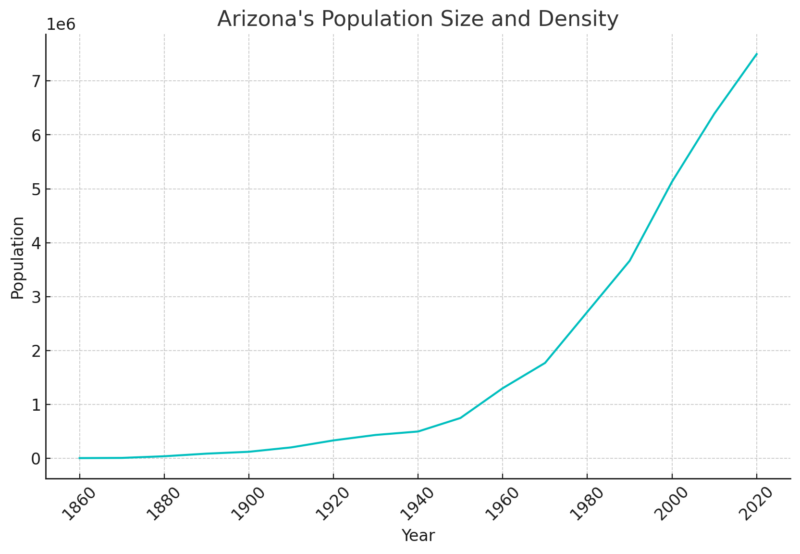
As of early 2024, the population of Arizona is estimated to be approaching 7.5 million people. This makes it one of the fastest-growing states in the nation, drawing in new residents with its appealing climate, burgeoning economy, and enticing lifestyle. This robust growth has profound implications for everything from local culture and food scenes to the development of new travel destinations and the variety of hotels and resorts available. Whether you’re planning a tranquil escape into nature or an exciting urban adventure, the human element of Arizona profoundly influences the experiences awaiting every visitor.
Arizona’s Dynamic Demographics: A Snapshot
The story of Arizona’s population is one of rapid expansion, diverse backgrounds, and concentrated urban living, alongside vast stretches of sparsely populated, magnificent wilderness. This demographic reality is central to understanding the state’s infrastructure, its tourism hotspots, and the character of its communities.
The Latest Population Figures and Growth Trends
Arizona’s population has seen consistent and significant growth over recent decades, driven by a combination of factors including a favorable climate, a growing job market, and a high quality of life perceived by many. The latest estimates place the state’s population at approximately 7.4 to 7.5 million. This figure represents a substantial increase from the 2020 census count of just over 7.1 million, underscoring Arizona’s status as a major destination for internal migration within the United States.
Much of this growth can be attributed to an influx of residents from other states, particularly California, Texas, and the Midwest, seeking sunshine, more affordable living, and new economic opportunities. Retirees are particularly drawn to Arizona’s warm winters and active adult communities, contributing to a significant seasonal population as well. Beyond migration, a healthy birth rate also contributes to the state’s demographic expansion. This continuous population boom has ripple effects across all sectors, particularly for tourism and accommodation, as demand for services, housing, and visitor infrastructure continues to climb. The state’s ability to attract and integrate such a large number of new residents, while also catering to millions of annual tourists, speaks volumes about its dynamic character and the ongoing evolution of its landscape.
Where Do Arizonans Live? Urban vs. Rural Splits
While Arizona is vast, covering over 113,000 square miles, its population is heavily concentrated in a few major metropolitan areas. The vast majority of Arizonans reside in the central part of the state, particularly within the sprawling Phoenix metropolitan area. This includes the state capital, Phoenix, as well as its numerous populous suburbs like Mesa, Chandler, Glendale, Tempe, Scottsdale, Peoria, and Gilbert. These cities collectively form the backbone of Arizona’s economy and social fabric, offering a plethora of amenities, attractions, and job opportunities.
The next largest population center is Tucson, located in the southern part of the state. Known for its rich Hispanic heritage, desert landscapes, and academic institutions, Tucson provides a distinct cultural experience compared to the larger Phoenix area. Other significant, though smaller, population hubs include Flagstaff in the cooler, forested northern region, serving as a gateway to the Grand Canyon National Park and other natural wonders, and the scenic enclave of Sedona, famous for its red rock formations and spiritual retreats.
Beyond these urban and semi-urban centers, Arizona’s landscape quickly transitions to rural and unincorporated areas, including vast tracts of national forests, wilderness preserves, and significant Native American reservations. The Navajo Nation, for instance, covers a substantial portion of northeastern Arizona, representing a vibrant cultural presence and significant land area. This spatial distribution means that while some parts of the state are bustling with activity and development, others remain pristine, offering solitude and unspoiled natural beauty for those willing to venture off the beaten path. This dichotomy between densely populated cities and expansive natural territories significantly shapes travel patterns and the types of experiences available across Arizona.
The Interplay of Population, Travel, and Tourism in the Grand Canyon State
The sheer number of people living in Arizona, combined with its attractiveness to tourists, creates a fascinating dynamic that influences every aspect of travel within the state. From the types of destinations that thrive to the array of accommodation options, population figures are a silent architect of the Arizona travel experience.
How Population Influences Travel Destinations and Experiences
The concentration of Arizona’s population in its major cities directly impacts the development and popularity of various travel destinations. In metropolitan areas like Phoenix and Tucson, a large resident population supports a thriving ecosystem of urban attractions. This includes world-class museums, botanical gardens, diverse dining scenes that range from innovative Southwestern cuisine to authentic Mexican fare, and vibrant entertainment districts. For instance, the nightlife and shopping in Old Town Scottsdale are heavily influenced by both the local population and the visitors they attract, creating a lively, upscale environment. Sports tourism also flourishes, with major league teams and events like the Waste Management Phoenix Open drawing immense crowds, both local and international.

Conversely, Arizona’s less populated regions are where its natural wonders reign supreme. The remoteness of places like Grand Canyon National Park, Monument Valley, and Petrified Forest National Park is precisely what preserves their majestic beauty. Here, the experience is about escaping the crowds and immersing oneself in nature, whether hiking the Red Rock Country around Sedona or exploring ancient ruins. Even in these areas, the existing small towns and local communities play a crucial role, providing essential services, local insights, and unique cultural interactions for visitors.
Furthermore, the state’s population density dictates infrastructure. Busy airports like Phoenix Sky Harbor International Airport are testaments to the constant flow of people in and out of the state, serving both residents and tourists. Major highways connect these population centers to each other and to key natural attractions, making them accessible to a wide audience. However, the increasing population also presents challenges, such as managing traffic congestion in urban areas and balancing the conservation of natural resources, like the Colorado River, with growing demand.
The Accommodation Landscape: Hotels, Resorts, and Beyond
The diversity and size of Arizona’s population, combined with its magnetic pull for tourists, have cultivated an incredibly rich and varied accommodation landscape. From opulent luxury resorts catering to discerning travelers to budget-friendly options for family road trips, the state offers a full spectrum of lodging experiences designed to meet every need and preference.
In the bustling urban centers and popular tourist destinations, the hotel sector thrives. Scottsdale, for instance, is renowned for its array of high-end resorts, such as The Boulders Resort & Spa Scottsdale and JW Marriott Desert Ridge Resort & Spa, which offer world-class golf courses, luxurious spas, and gourmet dining. These establishments not only cater to tourists seeking lavish getaways but also serve as important venues for business conferences and local events, supported by the large surrounding population base.
Beyond luxury, the demand for mid-range and budget accommodations is also robust. Chain hotels like Motel 6 are widely available, particularly along major thoroughfares and near family attractions, offering convenient and affordable stays. The rise of short-term vacation rentals, including apartments, villas, and unique desert homes, has also surged in popularity, driven by both tourist demand and the transient nature of some of the state’s seasonal residents. These options provide a more personalized and often more spacious alternative to traditional hotels, appealing to families and groups.
In more remote areas, like those surrounding Grand Canyon National Park or Sedona, boutique hotels, rustic lodges, and charming bed-and-breakfasts become more prevalent. These accommodations often blend seamlessly with their natural surroundings, offering experiences that are deeply connected to the local environment and culture. The seasonal shifts in population, with many “snowbirds” flocking to Arizona during the cooler months, also influence the accommodation market, leading to higher occupancy rates and increased pricing during peak winter seasons. The continuous development of new hotels and resorts across the state reflects a confident response to this sustained population and tourism growth, aiming to provide increasingly diverse options for every kind of visitor.
Lifestyle and Local Culture: Shaping the Arizona Experience
The millions of people who call Arizona home, whether long-time residents or recent transplants, are the heart and soul of its vibrant lifestyle and unique local culture. Their diverse backgrounds, traditions, and daily lives contribute to an experience that is far richer than just its famous landmarks.
From Cuisine to Community: What Makes Arizona Unique
Arizona’s lifestyle is a captivating blend of influences, heavily shaped by its substantial Native American heritage, its proximity to Mexico, and the waves of newcomers from across the United States. This cultural melting pot is most deliciously evident in its food scene. Southwestern and Mexican cuisines are staples, with numerous eateries serving everything from authentic street tacos to upscale New American dishes infused with local chiles and ingredients. In cities like Phoenix and Tucson, the burgeoning population has also fueled a demand for a vast array of international cuisines, farm-to-table restaurants, and innovative culinary experiences, making dining a central part of the travel experience.
Beyond food, the state’s population influences its community spirit and traditions. Throughout the year, Arizona hosts numerous festivals and events that reflect its diverse population. The Tucson Gem & Mineral Show draws enthusiasts and vendors globally, while cultural celebrations, art walks in Scottsdale, and Native American powwows offer insights into the state’s rich tapestry of traditions. Many communities prioritize outdoor activities, driven by the warm climate and access to incredible natural parks. Hiking, biking, golf, and equestrian pursuits are integral to the lifestyle, fostering a population that values active living and appreciation for the outdoors. This active, community-oriented lifestyle is highly attractive to visitors, who often seek to immerse themselves in these local customs and activities.
Balancing Growth with Preservation: Arizona’s Future
The rapid growth of Arizona’s population, while a testament to its appeal, also presents significant challenges and opportunities for the future. As more people move to the state and more tourists visit, balancing economic development with environmental preservation becomes paramount. Water resources, particularly the allocation from the Colorado River and local groundwater, are a constant concern in this arid region. Managing this precious resource responsibly for a growing population is a critical challenge that influences urban planning and sustainable development practices.
Traffic congestion in the major metropolitan areas, housing affordability, and the strain on existing infrastructure are also growing pains associated with rapid population expansion. However, these challenges also spur innovation. Arizona is at the forefront of sustainable building practices, smart city initiatives, and renewable energy projects. Efforts are being made to develop more eco-tourism options, promoting responsible travel that protects the state’s natural beauty, from the delicate Sonoran Desert ecosystem to the vast forests of Flagstaff.
For travelers, this means a future where Arizona continues to evolve, offering new attractions and experiences while striving to preserve the iconic landscapes and unique cultural identity that draw millions. The ongoing dialogue between development and conservation will define how Arizona continues to welcome people, both as residents and visitors, ensuring that its charm and grandeur remain accessible for generations to come.
In conclusion, Arizona is home to nearly 7.5 million people, a number that is steadily climbing, reflecting the state’s magnetic allure. This population dynamic is not just a statistical fact but a living, breathing force that shapes every facet of life and travel in the Grand Canyon State. From the bustling urban landscapes offering diverse accommodations and culinary delights to the tranquil, sparsely populated regions preserving unparalleled natural wonders, the people of Arizona define its character. Understanding this vibrant demographic landscape is key to appreciating the state’s unique culture, planning an unforgettable trip, and witnessing firsthand the ongoing story of one of America’s most dynamic destinations. As Arizona continues to grow, it promises to remain a captivating blend of tradition and modernity, a testament to its enduring appeal to millions.
LifeOutOfTheBox is a participant in the Amazon Services LLC Associates Program, an affiliate advertising program designed to provide a means for sites to earn advertising fees by advertising and linking to Amazon.com. Amazon, the Amazon logo, AmazonSupply, and the AmazonSupply logo are trademarks of Amazon.com, Inc. or its affiliates. As an Amazon Associate we earn affiliate commissions from qualifying purchases.