
Arizona State University (ASU) stands as a beacon of innovation and accessibility in higher education, renowned globally not just for its academic prowess but also for its sheer scale. When travelers, prospective students, and curious minds ponder the question “How many students are at Arizona State University?”, they are often met with figures that might surprise them. Consistently ranked among the largest public universities in the United States, ASU’s enrollment numbers are not merely statistics; they represent a vibrant, diverse, and sprawling community that profoundly impacts the surrounding cities of Tempe, Phoenix, and beyond, shaping local tourism, accommodation trends, and the overall lifestyle of the Sonoran Desert region.

The precise number of students at ASU fluctuates year by year, reflecting growth and changing demographics, but it consistently hovers well over 100,000 across all modalities. This includes a massive in-person population spread across multiple campuses in the Phoenix metropolitan area, complemented by a substantial and ever-growing online student body that extends ASU’s reach far beyond the borders of Arizona to encompass learners from every state and numerous countries around the world. This formidable scale makes ASU an educational giant, a dynamic hub that draws visitors for academic pursuits, sporting events, cultural experiences, and serves as a significant economic engine for the region. Understanding the sheer magnitude of ASU’s student body is key to appreciating its multifaceted influence on travel, tourism, and local life in the Grand Canyon State.
Arizona State University’s Expansive Reach: A Multicampus Metropolis
Arizona State University is not a singular entity confined to one traditional campus. Instead, it operates as a sprawling network of distinct campuses, each with its unique academic focus, culture, and surrounding environment. This multicampus model is a primary reason for its extraordinary enrollment figures and contributes significantly to the diverse experiences available to both students and visitors alike.
Understanding ASU’s Enrollment Figures
To grasp the full scope of ASU’s student population, it’s essential to look at the numbers for a recent academic year. For instance, in the fall of 2023, ASU reported a total student enrollment exceeding 145,000. This figure is typically broken down into several key categories:
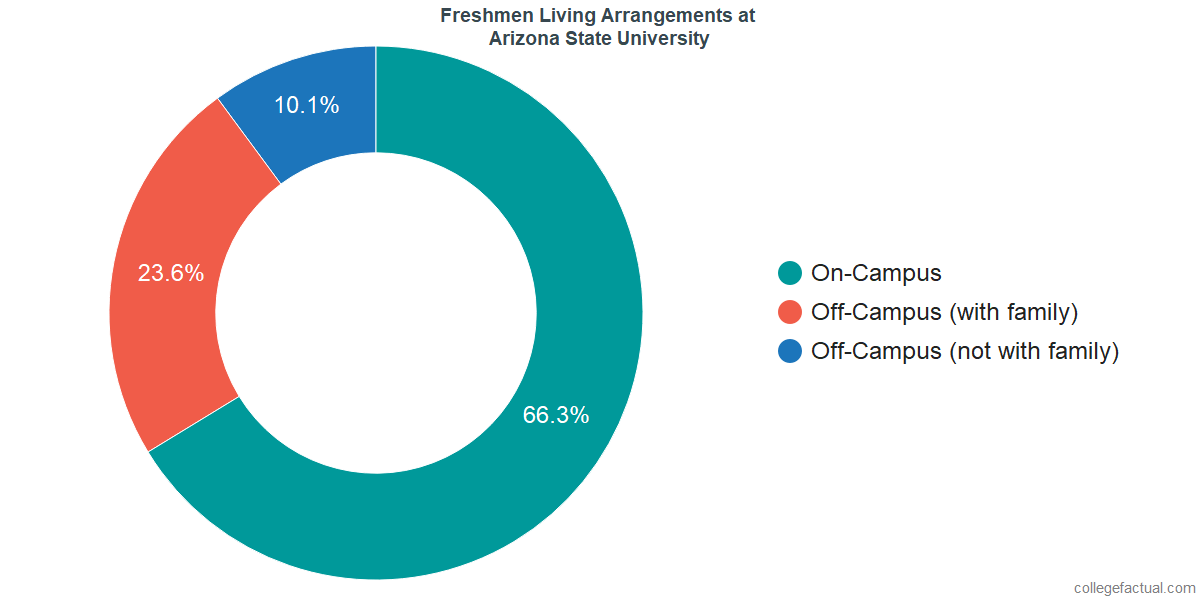
- On-campus students: A robust population of over 80,000 students attend classes physically across the university’s various Arizona campuses. This demographic includes both undergraduate and graduate students, living in university housing or off-campus apartments, and actively engaging in campus life and the local communities.
- Online students: A pioneering leader in digital learning, ASU Global Campus enrolls over 65,000 online students. This significant component allows individuals from diverse backgrounds and locations – from Los Angeles to London, New York City to Tokyo – to pursue an ASU degree without geographical constraints. This flexibility has been a major driver of ASU’s growth and global reputation.
- Undergraduate vs. Graduate: The majority of ASU’s students are undergraduates, forming the vibrant core of campus life and activities. However, a substantial number of graduate students pursue advanced degrees, contributing to research and specialized fields across the university’s many colleges.
These impressive figures underscore ASU’s commitment to broad access and impact. The university’s sustained growth reflects its innovative approach to education, its diverse academic offerings, and its strategic placement within one of the United States’ fastest-growing metropolitan areas.
The Diverse Campuses of ASU and Their Unique Appeal
Arizona State University’s multicampus structure ensures a distinct experience for students and visitors at each location. Each campus contributes its own flavor to the broader ASU identity and presents unique attractions for those exploring the region.
- Tempe Campus: As the original and largest campus, the Tempe Campus is the traditional heart of ASU. Nestled in the bustling city of Tempe, it’s home to iconic landmarks like Sun Devil Stadium and the architectural marvel that is Gammage Auditorium. The surrounding area is a lively hub, with Mill Avenue offering a plethora of dining, shopping, and entertainment options that cater to a youthful, energetic crowd. Visitors can easily access Tempe Town Lake for recreation or explore nearby Papago Park and the Desert Botanical Garden.
- Downtown Phoenix Campus: Situated in the urban core of Arizona’s capital, this campus focuses on public service, journalism, health sciences, and law. Its integration into the downtown landscape means students and visitors are surrounded by government buildings, major sports venues, and a burgeoning arts and culture scene. This location is ideal for those interested in urban exploration, with numerous museums, theaters, and vibrant culinary experiences just steps away.
- West Campus: Located in northwest Phoenix near Glendale, the West Campus is known for its serene, collegiate atmosphere and programs in interdisciplinary arts and sciences, education, and forensic science. Its beautiful, award-winning architecture and intimate setting offer a stark contrast to the bustling Tempe or Downtown Phoenix environments, making it a peaceful retreat for focused study or leisurely strolls.
- Polytechnic Campus: Found in southeast Mesa, this campus specializes in applied sciences, engineering, technology, and innovation. It boasts unique facilities, including an airfield, a flight simulator, and numerous labs for hands-on learning. The Polytechnic Campus is a hub for future-focused industries and offers a distinct experience for those interested in cutting-edge research and vocational applications.
- ASU @ Lake Havasu City: Offering an intimate, small-college experience by the water, this campus provides a unique blend of academic rigor and outdoor lifestyle. Focused on degrees that lead directly to careers, it attracts students who enjoy water sports, hiking, and the relaxed pace of a lakeside community. For travelers, it presents an opportunity to combine an ASU visit with the recreational attractions of Lake Havasu City and the iconic London Bridge.
This distributed model not only accommodates a massive student body but also integrates ASU deeply into the fabric of several Arizona communities, amplifying its impact on local tourism, hospitality, and overall development.
The Vibrant Lifestyle and Tourism Impact of a Megacampus
The presence of such a monumental university profoundly shapes the lifestyle, economy, and tourist appeal of the Greater Phoenix Area. From bustling urban centers to serene desert escapes, the sheer number of students, faculty, and university-related events creates a dynamic environment ripe for exploration.
Exploring Tempe and Beyond: Attractions for Visitors and Students
Tempe, as the primary home of ASU’s largest campus, serves as a focal point for much of the university’s related tourism and lifestyle activities. Its proximity to Phoenix Sky Harbor International Airport makes it an easily accessible destination for visitors.
- Sports Enthusiasts: The Sun Devils, ASU’s athletic teams, compete in the prestigious NCAA Pac-12 Conference, drawing tens of thousands of fans to events at Sun Devil Stadium for football, or the Mullett Arena for hockey and basketball. Game days transform Tempe into a vibrant spectacle of maroon and gold, creating an electrifying atmosphere for visitors and locals alike. Attending a game is an essential part of experiencing the true ASU spirit.
- Arts and Culture: Beyond sports, Gammage Auditorium, designed by Frank Lloyd Wright, hosts Broadway shows, concerts, and other cultural performances, attracting art lovers from across the state and country. The university’s art museums, galleries, and performance spaces provide a rich tapestry of cultural experiences throughout the year.
- Outdoor Recreation: For those seeking outdoor adventures, Tempe offers direct access to Tempe Town Lake, a popular spot for kayaking, paddleboarding, and scenic walks. Nearby Papago Park is home to iconic red rock formations, hiking trails, and the world-renowned Desert Botanical Garden, offering an immersive experience into the unique flora and fauna of the Sonoran Desert.
- Dining and Nightlife: Mill Avenue, adjacent to the Tempe Campus, is the epicenter of Tempe’s dining and nightlife scene. From casual eateries and student-friendly pubs to upscale restaurants and lively bars, there’s something to satisfy every palate and preference. This bustling district ensures a vibrant social scene for students and a convenient entertainment hub for visitors.
- Wider Exploration: The strategic location of ASU’s campuses also positions visitors to easily explore the broader Phoenix metropolitan area. From the upscale shopping and galleries of Old Town Scottsdale to the expansive hiking trails of South Mountain Park in Phoenix, the region offers a diverse array of attractions for every type of traveler.
Accommodation Choices: From Student Stays to Luxury Retreats
The immense student and visitor population generated by Arizona State University necessitates a robust and varied accommodation sector. Whether visiting for a campus tour, attending a conference, cheering on the Sun Devils, or simply exploring the region, travelers will find an abundance of options to suit their budget and style.
- Hotels Near Campus: In Tempe itself, numerous hotels cater specifically to the ASU crowd. Options like The Graduate Tempe offer a quirky, university-themed experience, while Tempe Mission Palms provides a more upscale resort-like atmosphere with convenient access to Mill Avenue and the Tempe Campus. These hotels are particularly popular during orientation, graduation, and major sporting events, often requiring advance booking.
- Downtown Phoenix Options: For those visiting the Downtown Phoenix Campus or seeking a more urban experience, hotels such as the Hyatt Regency Phoenix or the Hotel Palomar Phoenix provide luxurious stays within walking distance of attractions, corporate offices, and entertainment venues. This area is ideal for business travelers or those who prefer a metropolitan vibe.
- Scottsdale’s Luxury and Leisure: Just a short drive from Tempe lies Scottsdale, renowned for its opulent resorts, world-class golf courses, and vibrant art scene. Properties like the Andaz Scottsdale Resort & Bungalows or The Phoenician offer unparalleled luxury for those looking to combine their ASU visit with a high-end vacation experience.
- Budget-Friendly Stays: Beyond the premier hotels, the wider Greater Phoenix Area offers a plethora of budget-friendly hotels, motels, and extended-stay options. These are particularly appealing for families on a tighter budget, students visiting for longer periods, or those attending less formal events. The sheer volume of choices ensures that finding suitable accommodation is rarely an issue, though prices can surge during peak university events.
- Vacation Rentals: The growth of vacation rental platforms has also expanded accommodation choices, offering apartments, condos, and even entire homes for short-term stays. This can be an excellent option for families or groups who desire more space, a kitchen, and a residential feel, particularly when visiting for graduations or family weekends.
The dynamic interplay between ASU’s massive student body and the local hospitality sector demonstrates how a large educational institution can become a cornerstone of regional tourism and economic activity.
Planning Your Visit: Travel Tips and Immersive Experiences
For anyone considering a visit to Arizona State University – whether for academic reasons, a sporting event, or simply to experience the vibrancy of a major university town – a few strategic travel tips can enhance the journey.
Navigating the Greater Phoenix Area
The Greater Phoenix Area is expansive, but relatively easy to navigate, especially with a car.
- Arrival by Air: Phoenix Sky Harbor International Airport (PHX) is conveniently located just a few miles from the Tempe Campus and Downtown Phoenix Campus. It serves as a major hub, with direct flights from across the United States and international destinations, making travel to ASU straightforward.
- Getting Around: While ride-sharing services are abundant, and public transportation (the Valley Metro Rail) connects Tempe, Downtown Phoenix, and Mesa, renting a car offers the most flexibility for exploring the various ASU campuses and the broader Arizona landscape. Traffic can be heavy during rush hours, so planning travel outside these times is advisable.
- Best Time to Visit: The academic year runs from late August to early May. Visiting during the fall or spring semesters allows for the fullest experience of campus life and events. However, Arizona’s pleasant winter months (November to April) are popular for tourism, so expect higher hotel rates and larger crowds. Summers in Phoenix are extremely hot, but also offer lower travel costs.

Embracing the ASU Spirit: Sports, Arts, and Campus Life
To truly appreciate the impact of over 100,000 students, immersing oneself in the unique energy of ASU is essential.
- Athletic Events: Beyond football at Sun Devil Stadium, consider attending a basketball game, a baseball game at Phoenix Municipal Stadium, or even a swim meet. The dedication of the Sun Devils and their fans creates a palpable sense of community and excitement. Check the official ASU Athletics website for schedules and ticket information.
- Cultural Experiences: Explore the exhibits at the ASU Art Museum or catch a cutting-edge performance at the Gammage Auditorium. The university frequently hosts lectures, concerts, and theatrical productions, many of which are open to the public, offering a glimpse into the intellectual and creative life of the institution.
- Campus Tours: For prospective students and curious visitors, taking an official campus tour is an excellent way to understand the scale and offerings of ASU. These tours often highlight key academic buildings, student facilities, and historical landmarks, providing context to the university’s vastness.
- Local Food Scene: Don’t miss the opportunity to explore the diverse culinary landscape around each campus. From popular student haunts near Mill Avenue to more refined dining experiences in Scottsdale or Downtown Phoenix, the region offers a taste for every preference. The multicultural student body also inspires a wide array of international cuisine options.
In conclusion, the question of “How many students are at Arizona State University?” reveals a story not just of numerical scale, but of profound regional impact. With over 145,000 students spanning multiple vibrant campuses and a vast online presence, ASU is a dynamic force. It’s a magnet for tourists, a driver of the hospitality sector, and a cornerstone of the Arizona lifestyle. Whether you’re visiting for education, sports, culture, or leisure, the experience of ASU and its surrounding communities is as vast and varied as its impressive student body.
LifeOutOfTheBox is a participant in the Amazon Services LLC Associates Program, an affiliate advertising program designed to provide a means for sites to earn advertising fees by advertising and linking to Amazon.com. Amazon, the Amazon logo, AmazonSupply, and the AmazonSupply logo are trademarks of Amazon.com, Inc. or its affiliates. As an Amazon Associate we earn affiliate commissions from qualifying purchases.