
Arizona, often celebrated for its breathtaking desert landscapes, vibrant cultural heritage, and perpetual sunshine, holds a unique allure for travelers seeking everything from adventurous Grand Canyon vistas to luxurious Scottsdale resort getaways. Yet, for all its splendor, the state is equally renowned for one defining characteristic: its intense summer heat. Visitors frequently wonder when this legendary heat truly peaks, not only out of curiosity but also to strategically plan their travel, accommodation, and activities. Understanding the state’s climatic rhythms is paramount for any successful Arizona experience, ensuring comfort, safety, and enjoyment.
When considering a trip to the Grand Canyon State, especially during the summer months, a fundamental question arises: What is the absolute hottest month? For those accustomed to temperate climates, the distinction between “hot” and “Arizona hot” is significant, influencing everything from the type of clothing packed to the optimal time for outdoor exploration. This comprehensive guide will delve into the meteorological realities of Arizona’s summer, pinpointing its hottest month and offering invaluable insights for navigating the heat, selecting suitable accommodations, and crafting memorable travel experiences within this stunning, albeit scorching, desert environment.
The Scorch of Summer: Unveiling Arizona’s Peak Heat
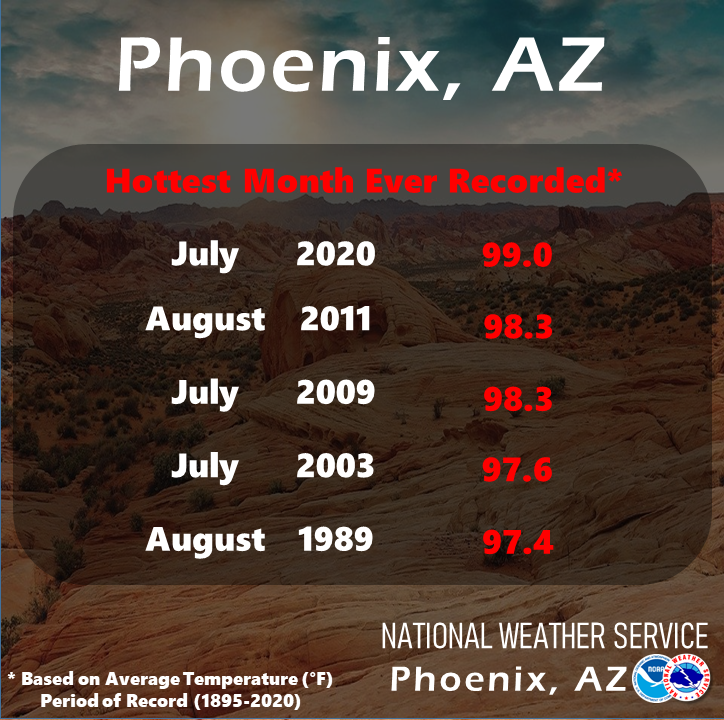
Without a doubt, the undisputed champion of heat in Arizona is July. While June often kickstarts the intense summer season with a rapid ascent in temperatures, July consistently claims the title for the highest average temperatures across much of the state, particularly in its densely populated low desert regions. In cities like Phoenix and Tucson, daily high temperatures in July frequently soar into the 105°F to 115°F (40°C to 46°C) range, with overnight lows often struggling to dip below 85°F (29°C) or even 90°F (32°C). This relentless heat is not merely a dry heat; the onset of the North American Monsoon season in late June and early July can introduce elevated humidity levels, making the already extreme temperatures feel even more oppressive.
The primary driver behind Arizona’s sizzling July is a combination of geographical and meteorological factors. Situated predominantly within the Sonoran Desert, the low desert areas are subject to intense solar radiation due to clear skies and high sun angles. The low moisture content in the soil and vegetation means less energy is used for evaporation, leaving more energy to heat the air directly. Furthermore, a persistent high-pressure system known as the “Arizona Monsoon High” typically settles over the Four Corners region during summer, creating a lid that traps hot air close to the surface and prevents cooler air from moving in. This high-pressure system also dictates the atmospheric flow that draws moisture north from the Gulf of California and the Gulf of Mexico, leading to the characteristic afternoon thunderstorms of the monsoon season. While these storms offer dramatic displays and a brief respite from the heat, they often leave behind increased humidity, which can make the already high temperatures feel even more uncomfortable.
Regional Climate Variations
It is crucial to recognize that Arizona’s vast and diverse topography leads to significant variations in summer temperatures across the state. While the low desert valleys bear the brunt of July’s heat, other regions offer a stark contrast:
- Low Desert (e.g., Phoenix, Tucson, Yuma): These areas experience the most extreme and prolonged heat. Yuma, in particular, is often cited as one of the hottest cities in the world, with July temperatures regularly exceeding 110°F (43°C). The absence of significant elevation means these cities act as heat sinks.
- Central Highlands (e.g., Sedona, Prescott): With elevations ranging from 4,000 to 6,000 feet, these areas enjoy noticeably cooler temperatures. While still warm, July highs typically range from 90°F to 100°F (32°C to 38°C) in Sedona and 85°F to 95°F (29°C to 35°C) in Prescott, offering a more comfortable climate for outdoor activities, especially in the mornings and evenings.
- High Country (e.g., Flagstaff, Grand Canyon South Rim, Grand Canyon North Rim): At elevations above 7,000 feet, these regions offer a dramatic escape from the desert heat. July temperatures in Flagstaff average a pleasant 80°F to 85°F (27°C to 29°C), with cool nights. The Grand Canyon rims provide even cooler conditions, making them a popular summer refuge. However, hiking into the canyon itself during summer is still extremely dangerous due to scorching temperatures at the bottom.
Advantages and Challenges of Summer Travel
Visiting Arizona during its hottest month presents a unique set of pros and cons, largely dictated by one’s tolerance for heat and strategic planning.
Advantages:
- Fewer Crowds: The intense heat deters many tourists, particularly in the low desert areas. This means fewer crowds at popular attractions, easier access to restaurants, and a generally more relaxed atmosphere. For those seeking tranquility, July can be an opportune time.
- Lower Hotel Rates: Due to decreased demand, many hotels and resorts in Phoenix and Scottsdale offer significantly reduced rates and attractive packages during the summer, making luxury accommodations more accessible for budget-conscious travelers.
- Unique Desert Phenomena: The monsoon season, which overlaps with July, brings dramatic afternoon thunderstorms, complete with powerful lightning displays, dust storms (haboobs), and the rare sight of flash floods. While potentially hazardous, these events are a spectacle of nature and transform the arid landscape, bringing temporary vibrancy to the desert flora. Stargazing is also particularly stunning on clear summer nights away from city lights.
- Water Activities: Many resorts and water parks fully embrace the heat, offering elaborate pools, lazy rivers, and water slides that become central to the summer lifestyle.
Challenges:

- Extreme Temperatures: The most obvious challenge is the sheer intensity of the heat, which can be dangerous if not properly respected. Heatstroke and heat exhaustion are serious risks, especially for those unaccustomed to such conditions.
- Limited Outdoor Activities: Most strenuous outdoor activities like hiking and mountain biking are best avoided during midday in the low desert. Even early morning or late evening activities require extreme caution and ample hydration.
- Car Safety: Vehicles can become dangerously hot, posing a risk to children and pets. Tire pressure, engine coolant, and air conditioning should be meticulously checked before any road trips.
- Increased Utility Costs: For residents and long-term stays, the constant need for air conditioning significantly increases utility expenses.
Accommodations & Lifestyle: Beating the Arizona Heat in Style
Despite the formidable summer heat, Arizona has perfected the art of staying cool and comfortable, offering a wealth of options that cater to both luxury-seekers and budget travelers. The key lies in choosing the right accommodation and planning activities that embrace the heat, rather than fighting against it.
Selecting the Perfect Oasis
When planning your July visit to Arizona’s low desert, your choice of hotel or resort becomes paramount. Focus on properties that prioritize exceptional air conditioning and boast impressive water features, transforming them into veritable oases.
- Luxury Resorts with Extensive Pool Complexes: Many of Arizona’s world-renowned resorts excel in creating a cool sanctuary. Look for establishments like The Phoenician in Scottsdale or the JW Marriott Desert Ridge Resort & Spa in Phoenix, which feature multiple pools, lazy rivers, water slides, and even swim-up bars. These expansive aquatic environments are designed for all-day enjoyment, offering shaded cabanas and poolside service.
- Boutique Hotels with Unique Amenities: For those seeking a more intimate experience, boutique hotels often provide stylish, air-conditioned rooms and charming, often artfully designed, pools. Many incorporate local architecture and offer personalized service that enhances the lifestyle experience.
- Hotels with Indoor Facilities: Consider hotels that offer a variety of indoor amenities. This includes well-equipped fitness centers, luxurious spas, and excellent dining options, allowing guests to stay entertained and comfortable without venturing outside during the hottest parts of the day.
- Vacation Rentals with Private Pools: For families or groups, a vacation rental (apartments, villas) with a private pool can be an ideal solution, offering privacy and the flexibility to cool off at any time.
When booking your stay, check for specific amenities like misting systems on outdoor patios, refrigerated pool water (a godsend in July!), and evening activities that allow guests to enjoy the cooler night air. Many properties offer special summer deals, often including resort credits or complimentary services, making it an attractive option for a luxurious yet value-conscious getaway.
Crafting Your Summer Itinerary
Successful summer tourism in Arizona hinges on strategic timing and a focus on indoor or water-based activities.
- Morning Adventures (Before 9 AM): Embrace the early bird philosophy. This is the optimal time for any outdoor activity, even a short walk or a golf round. In higher elevation areas like Sedona or Prescott, early morning hikes can be genuinely enjoyable. Even in the desert, a quick stroll through a botanical garden or a visit to a landmark like Camelback Mountain (viewed from a distance or a very short, well-prepared walk) is possible.
- Afternoon Relaxation and Indoor Exploration (10 AM – 5 PM): This is the time to retreat indoors.
- Museums & Cultural Sites: Arizona boasts an impressive array of air-conditioned museums. In Phoenix, explore the Heard Museum for Native American art and culture, the Arizona Science Center for interactive exhibits, or the Phoenix Art Museum. Tucson offers the Arizona-Sonora Desert Museum (plan for very early morning outdoor sections), which combines a zoo, botanical garden, and natural history museum.
- Shopping & Dining: Indulge in retail therapy at large, air-conditioned malls like Scottsdale Fashion Square or explore unique boutiques in historic downtown areas during off-peak hours. Enjoy extended lunches at restaurants offering refreshing local cuisine.
- Spa Treatments: Pamper yourself at one of the many luxurious resort spas, a perfect way to relax and rejuvenate away from the sun.
- Evening Adventures (After Sunset): As the sun sets, the desert comes alive. While still warm, the air becomes more tolerable.
- Stargazing: Away from city lights, Arizona’s clear summer nights offer unparalleled opportunities for stargazing.
- Night Golf: Many golf courses offer illuminated play, providing a unique and cooler golfing experience.
- Al Fresco Dining: Enjoy dinner on a shaded patio, often with misting systems, as the desert cools.
- Entertainment: Catch a show, visit a casino, or explore vibrant nightlife districts in Phoenix and Scottsdale.
- Water-Based Recreation: Consider tubing down the Salt River or Colorado River (with proper safety precautions), or spending evenings by a resort pool.

Essential Tips for Thriving in Arizona’s Summer
Visiting Arizona in July requires careful preparation and adherence to safety guidelines. These travel tips are crucial for a healthy and enjoyable experience:
- Hydration is Key: Drink copious amounts of water, even if you don’t feel thirsty. Electrolyte-rich drinks are also beneficial. Avoid excessive alcohol and sugary beverages, which can contribute to dehydration. Always carry a water bottle, and never embark on an outdoor excursion without sufficient water supply.
- Dress Appropriately: Opt for lightweight, loose-fitting clothing in light colors. Wide-brimmed hats and sunglasses are essential. Sunscreen with a high SPF should be applied liberally and frequently, even on cloudy days.
- Limit Sun Exposure: Seek shade whenever possible, especially during the peak sun hours (10 AM to 4 PM). Plan your day around indoor activities or water-based recreation during this time.
- Understand Heat-Related Illnesses: Be aware of the symptoms of heat exhaustion (dizziness, nausea, heavy sweating, muscle cramps) and heatstroke (hot, red skin, rapid pulse, confusion, unconsciousness), which is a medical emergency. If you or someone else experiences these symptoms, seek immediate medical attention.
- Car Preparedness: Always check your car’s tires, fluids, and air conditioning before driving. Never leave children, pets, or vulnerable individuals in a parked car, even for a few minutes, as interior temperatures can reach lethal levels very quickly. Use sunshades on your windshield.
- Respect the Desert Wildlife: Summer brings out certain desert creatures, including snakes and scorpions, which may seek shade in unexpected places. Be vigilant, especially when hiking or exploring rocky areas.
- Flexibility in Planning: Be prepared to adjust your itinerary based on weather conditions. Some days may be hotter than others, or sudden monsoon storms could alter outdoor plans.
- Consider Higher Elevations: If the low desert heat is simply too intense, pivot your travel plans to Arizona’s cooler northern regions. Destinations like Flagstaff, the Grand Canyon, or the White Mountains offer a refreshing escape.
In conclusion, July unequivocally stands as the hottest month in Arizona’s low desert regions. While this intense heat presents unique challenges for travelers, it also unlocks distinct opportunities for those willing to embrace the desert’s summer rhythm. With careful planning, smart accommodation choices that prioritize comfort and cooling, and a healthy respect for the sun, a summer trip to Arizona can transform into an unforgettable adventure. Whether you’re lounging by a luxurious resort pool, exploring air-conditioned museums, or enjoying the dramatic beauty of a monsoon sunset, Arizona in July promises a vibrant and distinctive experience, proving that even in the height of summer, the Grand Canyon State remains a captivating destination.
LifeOutOfTheBox is a participant in the Amazon Services LLC Associates Program, an affiliate advertising program designed to provide a means for sites to earn advertising fees by advertising and linking to Amazon.com. Amazon, the Amazon logo, AmazonSupply, and the AmazonSupply logo are trademarks of Amazon.com, Inc. or its affiliates. As an Amazon Associate we earn affiliate commissions from qualifying purchases.